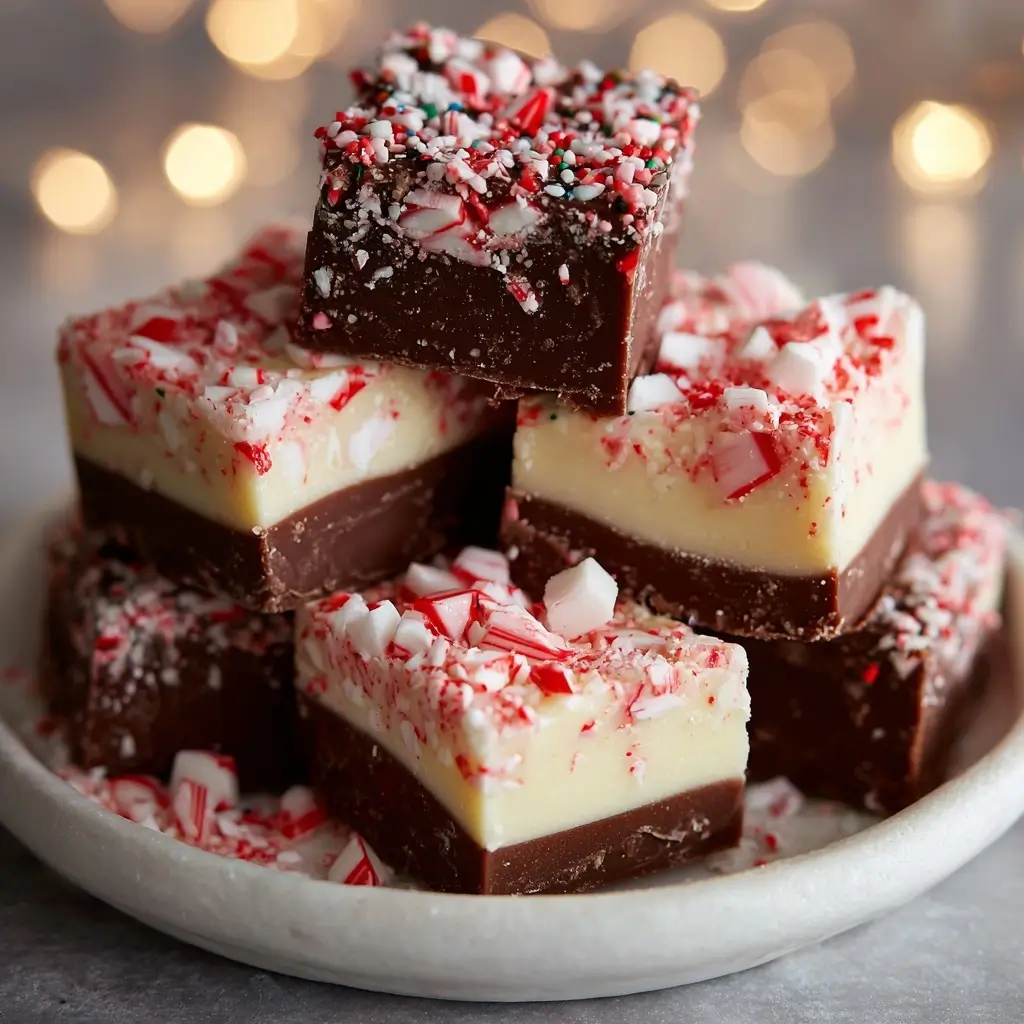
Festive Fudge: A Sweet Celebration in Every Bite
When the holiday season rolls around, few treats capture the spirit of joy and indulgence quite like Festive Fudge. Whether it’s peppermint swirls dancing through snowy white chocolate or rich cocoa-laden squares dusted with edible gold, fudge has long been a staple of winter celebrations. This decadent confection is more than just a dessert—it’s a tradition, a gift, and a centerpiece of festive gatherings. From family cookie exchanges to cozy nights by the fire, Festive Fudge brings warmth, sweetness, and a nostalgic charm that transcends generations. In this comprehensive guide, we’ll explore the history, ingredients, techniques, and endless variations of this beloved treat, so you can craft your own masterpiece at home.
The History of Festive Fudge
Fudge, as we know it today, emerged in the late 19th century in the United States, with its origins often traced back to a happy accident—much like many beloved desserts. The story goes that a candy maker “fudged” a batch of caramels or penuche, leading to the creation of a softer, creamier confection. By the 1880s, fudge was gaining popularity on college campuses, particularly among women at Vassar College, where it was made and sold as a fundraiser. Students would prepare large batches, cut them into squares, and sell them door-to-door—a tradition that helped spread fudge across the country.
As holidays became increasingly centered around homemade gifts and sweet treats, fudge naturally found its place on Christmas platters and Hanukkah tables. Its dense, melt-in-your-mouth texture and adaptability to seasonal flavors—like peppermint, cinnamon, gingerbread, and eggnog—made it a natural fit for festive occasions. Over time, regional variations emerged, with families passing down secret recipes infused with personal touches, such as crushed candy canes, chopped nuts, or even liqueurs. Today, Festive Fudge remains a symbol of holiday generosity and culinary creativity, often wrapped in colorful foil or placed in decorative tins as cherished gifts.
Ingredients Breakdown: What Makes Festive Fudge So Irresistible?
The magic of Festive Fudge lies in its simple yet precise combination of ingredients. Each component plays a crucial role in achieving the perfect texture—smooth, creamy, and firm enough to hold its shape, yet soft enough to dissolve on the tongue. Let’s break down the essentials:
- Sugar: The primary sweetener and structure-builder. Granulated sugar provides the base, while some recipes use brown sugar for added moisture and a caramel-like depth.
- Butter: Adds richness and contributes to the fudge’s velvety mouthfeel. Unsalted butter is preferred for better control over flavor.
- Cream or Evaporated Milk: Acts as the liquid medium that dissolves the sugar and allows it to reach the proper temperature for crystallization. Evaporated milk is often used because it’s concentrated and reduces cooking time.
- Chocolate or Cocoa Powder: The star of chocolate fudge. High-quality chocolate chips or bars yield the best flavor, while cocoa powder offers a deep, intense chocolate taste in cocoa-based versions.
- Corn Syrup: Prevents sugar from recrystallizing too early, ensuring a smooth texture instead of a grainy one.
- Vanilla Extract: Enhances flavor complexity and rounds out the sweetness.
- Salt: A pinch balances the sweetness and elevates all other flavors.
- Festive Add-Ins: These vary by recipe and include crushed candy canes, peppermint extract, red and green sprinkles, marshmallows, dried cranberries, chopped pecans, white chocolate chips, or even edible glitter for a magical shimmer.
The key to successful fudge is not just the ingredients themselves, but how they are combined—temperature control, stirring technique, and timing all play pivotal roles.
Step-by-Step Recipe: Classic Peppermint Chocolate Fudge
This foolproof recipe yields a rich, creamy, and visually stunning peppermint fudge perfect for holiday gifting or serving at festive gatherings. Follow these detailed steps for flawless results every time.
Ingredients
- 3 cups (540g) semi-sweet chocolate chips
- 1 can (14 oz / 397g) sweetened condensed milk
- 1/4 cup (60g) unsalted butter
- 1 teaspoon pure vanilla extract
- 1/2 teaspoon peppermint extract (adjust to taste)
- 1/4 teaspoon salt
- 1/2 cup (60g) crushed candy canes or peppermint candies (plus extra for garnish)
- Optional: Red and green sprinkles, edible glitter, or white chocolate drizzle
Directions
- Prepare the Pan: Line an 8×8-inch baking dish with parchment paper, leaving an overhang on two sides for easy removal. Lightly grease the paper and set aside.
- Melt the Base: In a medium saucepan over low heat, combine chocolate chips, sweetened condensed milk, and butter. Stir constantly with a silicone spatula until the mixture is completely smooth and glossy, about 5–7 minutes. Do not rush this step—overheating can cause the chocolate to seize.
- Add Flavorings: Remove the saucepan from heat. Stir in vanilla extract, peppermint extract, and salt until fully incorporated.
- Incorporate Candy Canes: Gently fold in 1/2 cup of crushed candy canes. Reserve a small amount for topping if desired.
- Pour and Smooth: Pour the mixture into the prepared pan. Use the spatula to spread it evenly into the corners. Sprinkle the remaining crushed candy canes on top and press lightly to adhere.
- Chill Thoroughly: Refrigerate for at least 3–4 hours, or until completely firm. For best results, cover with plastic wrap after the surface has slightly set to prevent condensation.
- Cut and Serve: Lift the fudge out using the parchment overhang. Place on a cutting board and slice into 1-inch squares using a sharp knife dipped in hot water and wiped dry between cuts.
- Optional Decoration: Melt white chocolate and drizzle over the fudge in zigzags. Allow to set before storing.
Tips for Perfect Festive Fudge Every Time
- Use Quality Ingredients: Opt for real chocolate (not chips with stabilizers) and pure extracts for superior flavor.
- Low and Slow Heat: Never boil the mixture. Gentle heating prevents scorching and ensures even melting.
- Avoid Stirring After Boiling (in stovetop methods): If making traditional boiled fudge, stir only during heating, not during cooling, to prevent premature crystallization.
- Test the Soft-Ball Stage: For classic fudge recipes requiring boiling, use a candy thermometer. The mixture should reach 235°F–240°F (113°C–116°C), known as the soft-ball stage.
- Cool Before Cutting: Rushing this step leads to sticky, messy cuts. Patience ensures clean edges.
- Store Properly: Keep fudge in an airtight container at room temperature for up to 2 weeks or refrigerate for longer shelf life. Layer between parchment paper to prevent sticking.
- Freeze for Long-Term Storage: Wrap tightly in plastic and store in a freezer-safe container for up to 3 months. Thaw in the refrigerator before serving.
Variations and Customizations
One of the greatest joys of making Festive Fudge is the endless room for creativity. Here are some delightful variations to inspire your next batch:
- White Chocolate Raspberry Fudge: Swirl raspberry jam into melted white chocolate and add freeze-dried raspberries for tangy bursts.
- Eggnog Fudge: Infuse the base with nutmeg, cinnamon, and a splash of rum or bourbon, then top with whipped cream swirls.
- Gingerbread Fudge: Mix molasses, ginger, cinnamon, cloves, and dark brown sugar into a cocoa base for a spiced holiday favorite.
- Salted Caramel Swirl Fudge: Layer chocolate fudge with ribbons of homemade or store-bought salted caramel.
- Mint Chocolate Chip Fudge: Use spearmint extract instead of peppermint and mix in mini chocolate chips.
- Nutty Turtle Fudge: Combine chocolate, caramel, and chopped pecans for a turtle candy-inspired treat.
- Gluten-Free & Vegan Fudge: Use dairy-free chocolate, coconut milk, and vegan butter. Ensure all add-ins (like candy canes) are certified gluten-free and vegan.
- Festive Rainbow Fudge: Divide the base into portions, tint with food coloring, and layer or swirl for a vibrant holiday look.
You can also experiment with molds—pour fudge into holiday-shaped silicone molds for fun party favors or gifts.
Health Considerations and Nutritional Value
While Festive Fudge is undeniably delicious, it’s important to enjoy it in moderation due to its high sugar and fat content. A typical 1-inch square (about 25g) of chocolate fudge contains approximately:
- Calories: 120–150
- Total Fat: 7–9g (mostly from chocolate and butter)
- Saturated Fat: 4–5g
- Carbohydrates: 15–18g
- Sugars: 12–15g
- Protein: 1–2g
For those managing dietary concerns:
- Diabetics: Consider using sugar substitutes like erythritol or allulose in tested sugar-free fudge recipes. Note that texture may differ.
- Lactose Intolerance: Use dairy-free chocolate and condensed coconut milk alternatives.
- Lower Calorie Options: Reduce portion sizes, use dark chocolate with higher cocoa content (which is less sweet), or incorporate protein powder for added satiety.
- Allergens: Be mindful of nuts, dairy, and gluten if serving to others. Clearly label ingredients when gifting.
Despite its indulgent nature, fudge can be part of a balanced diet when enjoyed occasionally and mindfully.
Ingredients
- 3 cups semi-sweet chocolate chips
- 1 can (14 oz) sweetened condensed milk
- 1/4 cup unsalted butter
- 1 teaspoon vanilla extract
- 1/2 teaspoon peppermint extract
- 1/4 teaspoon salt
- 1/2 cup crushed candy canes
- Optional: White chocolate, sprinkles, edible glitter
Directions
- Line an 8×8-inch pan with greased parchment paper.
- In a saucepan over low heat, melt chocolate chips, condensed milk, and butter, stirring constantly until smooth.
- Remove from heat; stir in vanilla, peppermint extract, and salt.
- Fold in crushed candy canes.
- Pour into the pan and smooth the top.
- Refrigerate for 3–4 hours until firm.
- Cut into squares using a warm knife.
- Optional: Drizzle with melted white chocolate and let set.
- Serve or store in an airtight container.
FAQ
Q: Why did my fudge turn out grainy?
A: Graininess usually occurs when sugar crystals form prematurely. This can happen from stirring too much after boiling or not dissolving the sugar fully. Using corn syrup helps prevent this.
Q: Can I make fudge without a candy thermometer?
A: Yes! For no-cook versions (like the one above), a thermometer isn’t needed. For boiled fudge, the cold water test works: drop a bit of syrup into cold water—if it forms a soft ball, it’s ready.
Q: How do I get clean cuts?
A: Use a sharp knife dipped in hot water and dried between each cut. A pizza cutter also works well for straight lines.
Q: Can I use regular milk instead of condensed milk?
A: No—sweetened condensed milk is essential for the right texture and sweetness. Regular milk lacks the concentration and sugar content needed.
Q: How long does homemade fudge last?
A: Up to 2 weeks at room temperature in an airtight container, or 3 months in the freezer.
Q: Can I double the recipe?
A: Yes, but use a larger pot and a 9×13-inch pan. Avoid tripling unless you have commercial equipment, as large batches are harder to cool evenly.
Summary
Festive Fudge is a luxurious, customizable holiday treat that blends rich flavors with nostalgic charm, perfect for sharing or gifting. With endless variations and a creamy texture that melts in your mouth, it’s the ultimate sweet celebration of the season.