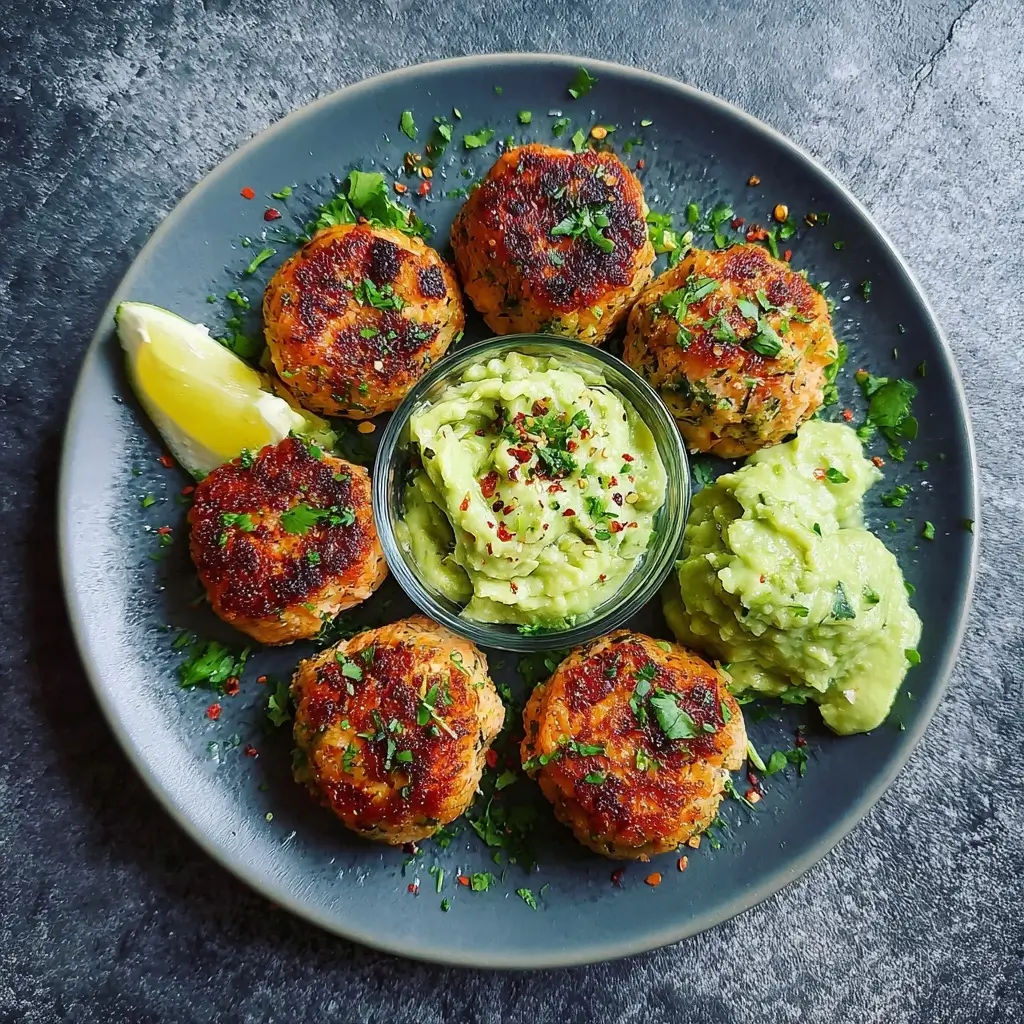
Salmon Balls with Creamy Avocado Sauce: A Gourmet Delight You Can Make at Home
If you’re on the hunt for a nutritious, flavorful, and visually appealing dish that’s both easy to prepare and packed with health benefits, look no further than Baked Salmon Balls with Creamy Avocado Sauce. This modern fusion recipe combines the rich, buttery texture of wild-caught salmon with a medley of aromatic herbs and spices, rolled into bite-sized morsels and baked to golden perfection. Paired with a luxuriously smooth avocado sauce that’s creamy without a drop of dairy, this dish is ideal for dinner parties, meal prep, or a wholesome weeknight family meal. Whether you’re following a paleo, keto, gluten-free, or pescatarian lifestyle, these salmon balls are sure to impress your taste buds and elevate your culinary game.
The History Behind Salmon-Based Dishes and Global Inspirations
Salmon has long been a staple in many coastal cultures around the world, especially among Indigenous peoples of the Pacific Northwest, Scandinavian countries, and parts of Eastern Russia. For centuries, salmon was preserved through smoking, drying, or fermenting, but as culinary techniques evolved, so did the ways people prepared this prized fish. In Nordic cuisine, for example, minced salmon is used in dishes like Räucherlachs-Klößchen (smoked salmon dumplings), while Japanese cuisine features salmon in various forms—from sashimi to yakimono (grilled dishes).
The concept of forming ground or flaked fish into balls isn’t new. Across Asia, fish balls are a common street food found in soups, skewers, and stir-fries. In Scandinavian regions, fish cakes or patties made from cod or herring are popular comfort foods. The idea of combining these global traditions—forming salmon into balls and baking them instead of frying—is a contemporary twist that caters to modern health-conscious eaters seeking lower-fat alternatives without sacrificing flavor.
The addition of a creamy avocado sauce is a nod to Latin American and Californian cuisines, where guacamole and avocado-based dips have become globally beloved for their fresh, vibrant taste and heart-healthy fats. By blending the richness of ripe avocados with zesty lime juice, cilantro, and garlic, we create a sauce that complements the delicate flavor of salmon perfectly, making this dish a true international fusion of taste and nutrition.
Ingredients Breakdown: What Makes This Dish So Special?
The magic of this recipe lies in its carefully selected ingredients, each contributing not only to flavor but also to texture, color, and nutritional profile. Let’s dive deep into what goes into every component of this dish:
Baked Salmon Balls:
- Fresh Salmon Fillet (Wild-Caught Preferred): Rich in omega-3 fatty acids (EPA and DHA), high-quality protein, and essential vitamins like B12 and D. Wild-caught salmon offers a superior nutrient profile compared to farmed varieties, with fewer contaminants and more natural pigments like astaxanthin, which gives it its vibrant pink-orange hue.
- Panko Breadcrumbs (or Gluten-Free Alternative): These help bind the mixture and provide a light, airy texture after baking. For gluten-free versions, almond flour, crushed pork rinds, or certified GF breadcrumbs work beautifully.
- Egg: Acts as a binder, helping hold the salmon mixture together during shaping and baking. It also adds moisture and structure.
- Red Onion (Finely Minced): Adds a subtle sharpness and depth of flavor without overpowering the delicate salmon. Red onion also contains antioxidants like quercetin, known for anti-inflammatory properties.
- Fresh Garlic (Minced): Offers a pungent aroma and immune-boosting compounds such as allicin, which may help reduce blood pressure and cholesterol levels.
- Lemon Zest and Juice: Brightens the entire dish with citrus notes that cut through the richness of the salmon. Lemon zest contains limonene, a compound studied for potential anticancer effects.
- Fresh Herbs (Dill and Parsley): Dill brings a slightly sweet-anise flavor that pairs exceptionally well with seafood, while parsley adds freshness and chlorophyll-rich nutrients. Both herbs contribute fiber, vitamin K, and antioxidants.
- Sea Salt and Black Pepper: Enhance overall flavor and balance. Sea salt retains trace minerals like magnesium and potassium.
- Smoked Paprika (Optional): Adds a gentle smokiness and beautiful orange tint, mimicking the flavor of smoked salmon without added preservatives.
- Olive Oil (for brushing): Used lightly on the outside before baking to promote browning and crisp edges while keeping the interior moist.
Creamy Avocado Sauce:
- Ripe Avocado: The star of the sauce, providing a silky texture and monounsaturated fats that support heart health. Avocados are also rich in potassium, fiber, and lutein—an antioxidant beneficial for eye health.
- Plain Greek Yogurt (or Dairy-Free Alternative): Adds tanginess and creaminess while boosting protein content. For vegan or lactose-intolerant diets, coconut yogurt or cashew cream can be substituted.
- Lime Juice: More acidic than lemon, lime enhances the tropical flair of the sauce and prevents the avocado from browning too quickly.
- Fresh Cilantro: Imparts a bright, citrusy note often associated with Mexican and Southeast Asian cuisines. Some people have a genetic predisposition to dislike cilantro (tastes like soap), so parsley can be used as an alternative.
- Garlic (Minced or Paste): Reinforces the savory backbone of the sauce and works synergistically with other ingredients to enhance flavor complexity.
- Ground Cumin (Pinch): Adds warmth and earthiness, tying the sauce back to traditional guacamole profiles.
- Extra Virgin Olive Oil: Drizzled in for extra richness and polyphenols that fight oxidative stress.
- Water or Ice Cubes (as needed): Helps thin the sauce to desired consistency without diluting flavor.
- Salt and Pepper to Taste: Final seasoning touch to bring all elements together.
Step-by-Step Recipe: How to Make Baked Salmon Balls with Creamy Avocado Sauce
Preparation Time:
20 minutes | Cooking Time: 20–25 minutes | Total Time: ~45 minutes | Servings: 4–6
Ingredients
For the Salmon Balls:
- 1.5 lbs (700g) skinless salmon fillet, deboned and finely chopped or pulsed in food processor
- 1/2 cup panko breadcrumbs (use gluten-free if needed)
- 1 large egg
- 1/4 cup finely minced red onion
- 2 cloves garlic, minced
- 1 tablespoon fresh dill, chopped
- 1 tablespoon fresh parsley, chopped
- Zest and juice of 1 small lemon
- 1/2 teaspoon sea salt
- 1/4 teaspoon freshly ground black pepper
- 1/2 teaspoon smoked paprika (optional)
- 1–2 tablespoons olive oil (for brushing)
For the Creamy Avocado Sauce:
- 2 ripe Hass avocados, peeled and pitted
- 1/3 cup plain Greek yogurt (or dairy-free alternative)
- 2 tablespoons fresh lime juice (about 1 lime)
- 1/4 cup chopped fresh cilantro (or parsley)
- 1 clove garlic, minced
- 1/4 teaspoon ground cumin
- 2 tablespoons extra virgin olive oil
- 2–3 tablespoons water or ice cubes (to adjust thickness)
- Salt and pepper to taste
Directions
- Preheat Oven & Prepare Baking Sheet: Preheat your oven to 400°F (200°C). Line a baking sheet with parchment paper or lightly grease it with olive oil to prevent sticking.
- Prepare Salmon Mixture: Place the chopped salmon in a large mixing bowl. Using a fork or your hands, gently break it down further until it resembles a coarse paste. Add the panko breadcrumbs, egg, red onion, garlic, dill, parsley, lemon zest, lemon juice, salt, pepper, and smoked paprika (if using). Mix thoroughly until all ingredients are evenly distributed. Avoid overmixing, which can make the balls dense.
- Chill the Mixture (Optional but Recommended): Cover the bowl and refrigerate for 15–20 minutes. Chilling helps the mixture firm up, making it easier to shape and preventing the balls from falling apart during baking.
- Shape the Salmon Balls: With damp hands (to prevent sticking), scoop out about 1.5 tablespoons of the mixture and roll it into a ball roughly 1.5 inches in diameter. Place each ball on the prepared baking sheet. Repeat until all the mixture is used—should yield about 18–20 balls depending on size.
- Brush with Olive Oil: Lightly brush or spray the tops of the salmon balls with olive oil. This encourages browning and creates a slight crust while keeping the inside tender.
- Bake Until Golden and Cooked Through: Bake in the preheated oven for 18–22 minutes, or until the balls are golden brown on top and reach an internal temperature of 145°F (63°C). They should feel firm to the touch and easily flake with a fork.
- Prepare the Avocado Sauce While Baking: In a food processor or blender, combine the avocados, Greek yogurt, lime juice, cilantro, garlic, cumin, olive oil, salt, and pepper. Blend until smooth. If the sauce is too thick, add cold water or ice cubes one tablespoon at a time until you achieve a creamy, pourable consistency. Taste and adjust seasoning as needed.
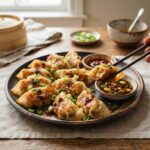
- Serve Warm: Transfer the baked salmon balls to a serving platter. Drizzle generously with the creamy avocado sauce or serve the sauce on the side for dipping. Garnish with additional chopped herbs, microgreens, or a sprinkle of paprika for visual appeal.
Tips for Perfect Salmon Balls Every Time
- Use High-Quality Salmon: Opt for wild-caught salmon when possible—it has better texture, richer flavor, and higher omega-3 content. Sockeye or Coho are excellent choices.
- Don’t Skip the Chill Step: Cold mixture holds its shape better and reduces spreading during baking.
- Keep Hands Damp When Rolling: Wetting your hands slightly prevents the sticky salmon mixture from clinging and makes shaping smoother.
- Avoid Overbaking: Salmon cooks quickly. Overcooking leads to dryness. Check at 18 minutes; they’re done when opaque throughout.
- Uniform Size Matters: Roll balls to similar sizes so they cook evenly. Use a cookie scoop for precision.
- Double the Sauce: The avocado sauce is so delicious, guests will want extra. Consider making a double batch!
- Serve Immediately: The sauce tastes best fresh. If preparing ahead, store sauce separately and add lime juice to slow oxidation.
- Freeze Uncooked Balls: Shape and freeze raw salmon balls on a tray, then transfer to a bag. Cook straight from frozen—add 5–7 minutes to bake time.
Variations and Customizations
This recipe is highly adaptable to suit different dietary preferences, cultural flavors, and seasonal ingredients. Here are some creative twists you can try:
- Spicy Kick: Add 1/2 teaspoon of chili flakes, diced jalapeño, or sriracha to the salmon mixture or sauce for heat lovers.
- Asian-Inspired Version: Replace dill and parsley with green onions, ginger, and soy sauce (or tamari). Serve with a ponzu or miso-mayo drizzle.
- Mediterranean Twist: Add crumbled feta cheese, sun-dried tomatoes, and oregano to the mix. Pair with tzatziki instead of avocado sauce.
- Keto/Low-Carb Option: Swap breadcrumbs for almond flour or crushed pork rinds. Ensure yogurt is full-fat and low-carb.
- Paleo-Friendly: Omit breadcrumbs entirely or use coconut flour sparingly. Use coconut yogurt in the sauce.
- Vegan Alternative (Plant-Based “Salmon” Balls): Use marinated and mashed chickpeas or hearts of palm with nori flakes for a seafood-like umami flavor.
- Herb Variations: Try tarragon, chives, or basil based on availability and preference.
- Stuffed Balls: Insert a small cube of cream cheese, goat cheese, or even a piece of cooked shrimp in the center before baking for a surprise filling.
- Appetizer Skewers: Thread cooled salmon balls onto toothpicks with cherry tomatoes or cucumber rounds for elegant hors d’oeuvres.
- Meal Prep Friendly: Bake a large batch and portion into containers with roasted vegetables or quinoa for ready-to-go lunches.
Health Considerations and Nutritional Value
Baked Salmon Balls with Creamy Avocado Sauce aren’t just delicious—they’re a powerhouse of nutrition. Here’s a breakdown of the key health benefits:
- Omega-3 Fatty Acids: Salmon is one of the best sources of EPA and DHA, essential fats linked to reduced inflammation, improved brain function, and lower risk of heart disease.
- Heart-Healthy Fats: Avocados provide monounsaturated fats that help lower LDL (“bad”) cholesterol and increase HDL (“good”) cholesterol.
- High-Quality Protein: Supports muscle repair, satiety, and metabolic health. Each serving delivers approximately 20–25g of protein.
- Dietary Fiber: From avocados, onions, and optional whole-grain breadcrumbs, aiding digestion and gut health.
- Vitamins and Minerals: Rich in vitamin D (from salmon), vitamin K, folate, potassium, and B-complex vitamins—especially B12, crucial for nerve function.
- Antioxidants: Garlic, herbs, lemon, and lime contain bioactive compounds that combat free radicals and support immune function.
- Low in Refined Carbs: Especially when made gluten-free or grain-free, this dish fits well within low-glycemic and diabetic-friendly diets.
Nutrition Estimate per Serving (3 salmon balls + 2 tbsp sauce):
| Nutrient | Amount |
|---|---|
| Calories | ~280 kcal |
| Protein | 22g |
| Fat | 18g (mostly unsaturated) |
| Saturated Fat | 3.5g |
| Carbohydrates | 9g |
| Dietary Fiber | 4g |
| Sugars | 2g |
| Sodium | 400mg (varies by ingredients) |
| Omega-3s (EPA+DHA) | 1.5–2g |
Note: Values may vary depending on specific brands and substitutions. For precise tracking, use a nutrition calculator with exact ingredients.
Frequently Asked Questions (FAQ)
Q: Can I use canned salmon instead of fresh?
A: Yes! Canned wild Alaskan salmon works well and is more affordable. Drain excess liquid, remove bones if desired (though they’re edible and calcium-rich), and mash before mixing with other ingredients.
Q: How do I store leftovers?
A: Store cooked salmon balls in an airtight container in the refrigerator for up to 3 days. Reheat gently in the oven or microwave. The avocado sauce is best consumed fresh but can be stored with plastic wrap pressed directly onto the surface for up to 1 day.
Q: Can I freeze this dish?
A: Absolutely. Freeze uncooked salmon balls on a tray, then transfer to freezer bags for up to 3 months. Bake from frozen, adding 5–7 minutes. Fully cooked balls can also be frozen but may lose some texture upon reheating.
Q: Why did my salmon balls fall apart?
A: Common causes include insufficient binder (not enough egg or breadcrumbs), overmixing, or skipping the chilling step. Ensure proper ratios and chill the mixture before shaping.
Q: Is this recipe safe for pregnant women?
A: Yes, as long as the salmon is fully cooked to 145°F and sourced responsibly to minimize mercury exposure. Stick to low-mercury fish like wild salmon and avoid raw preparations.
Q: Can I air fry the salmon balls?
A: Yes! Air fry at 375°F (190°C) for 10–12 minutes, shaking halfway through. Results are crispier and faster than baking.
Q: What can I serve with salmon balls?
A: Excellent pairings include roasted asparagus, sautéed spinach, quinoa salad, mango salsa, steamed broccoli, or a mixed greens salad with citrus vinaigrette.
Summary
Baked Salmon Balls with Creamy Avocado Sauce offer a delectable blend of gourmet flavors and wholesome nutrition, perfect for health-conscious food lovers and adventurous home cooks alike. Easy to customize, rich in omega-3s, and bursting with fresh ingredients, this dish turns simple seafood into an unforgettable meal experience.