Introduction
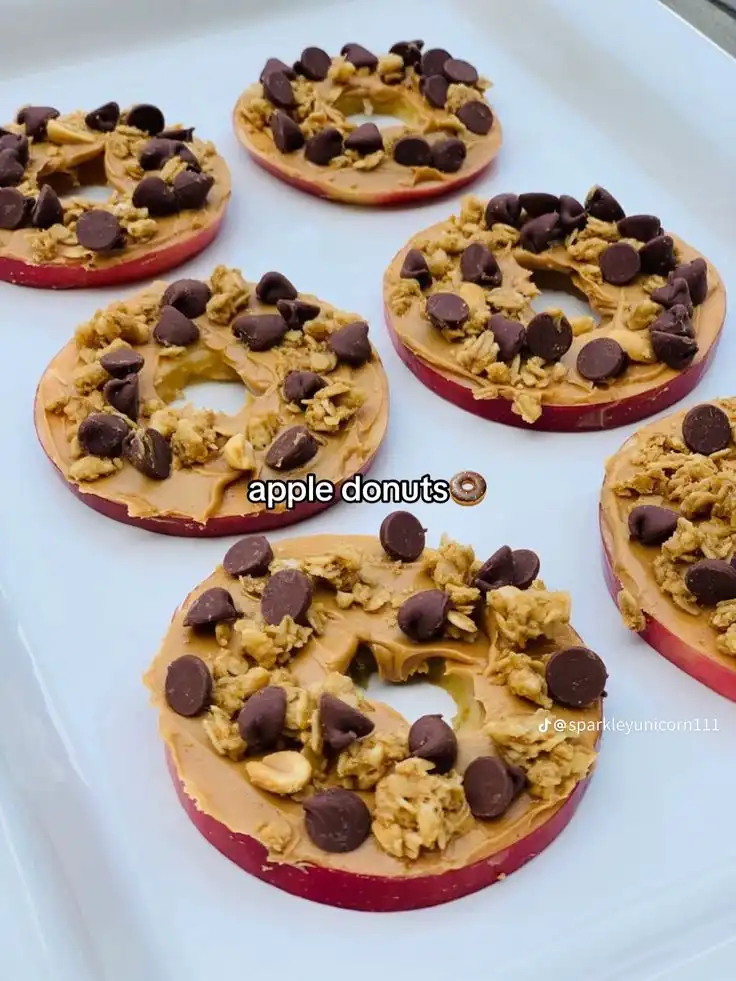
Apple donuts are a beloved seasonal treat that marries the warm, comforting essence of autumn with the irresistible charm of freshly baked confections. Whether enjoyed as a weekend breakfast indulgence, a cozy afternoon snack, or a festive dessert at harvest-themed gatherings, these tender, spiced rings capture the soul of homemade baking—infused with real apples, aromatic spices, and just the right balance of sweetness and texture. Unlike their yeast-raised counterparts, most apple donut recipes rely on a quick-bread batter, making them accessible to bakers of all skill levels while delivering rich flavor and moist crumb in under an hour. Their versatility shines through countless interpretations—from classic cinnamon-sugar-dusted rings to maple-glazed mini versions, vegan adaptations, or even air-fried alternatives—proving that apple donuts are far more than a passing trend; they’re a timeless, adaptable tradition rooted in resourcefulness, seasonality, and heartfelt hospitality.
The History
The origins of apple donuts stretch back centuries—long before the modern ring-shaped, deep-fried confection became synonymous with American doughnut shops. In colonial America and early European homesteads, “apple fritters” and “apple cakes” were common pantry staples, born from necessity: surplus apples were chopped and folded into simple batter made from flour, eggs, milk, and leavening agents (often pearl ash or saleratus before commercial baking powder existed), then pan-fried or baked in wood-fired ovens. These rustic treats appeared in 18th-century cookbooks like Amelia Simmons’ American Cookery (1796), which included recipes for “Apple Fritters”—a direct ancestor of today’s apple donuts. By the late 19th century, as cast-iron donut pans became widely available and home baking surged in popularity, batters began adapting to ring molds, allowing for even cooking and elegant presentation. The rise of regional bakeries—especially in apple-rich areas like Washington State, Michigan, and New York’s Hudson Valley—further cemented the apple donut as a local icon, often served warm at orchard stands alongside cider. Mid-20th-century innovations—including electric mixers, standardized measuring systems, and improved leavening—refined texture and consistency, while food magazines and community cookbooks helped standardize ingredients and techniques. Today, apple donuts enjoy renewed cultural relevance thanks to social media-driven baking trends, farm-to-table movements, and a growing appreciation for fruit-forward, less-processed sweets—making them both a nostalgic heirloom and a vibrant canvas for contemporary culinary creativity.
Ingredients Breakdown
Understanding each ingredient’s role is essential to mastering apple donuts—not just for flavor, but for structure, moisture, tenderness, and shelf life:
- All-Purpose Flour: Provides gluten structure. Too much can yield toughness; too little risks collapse. A blend with cake flour (e.g., ¾ cup AP + ¼ cup cake) yields extra tenderness without sacrificing shape.
- Baking Powder & Baking Soda: Dual leavening ensures lift and lightness. Baking powder handles most rising, while soda reacts with acidic components (like buttermilk or brown sugar molasses) for enhanced browning and subtle tang.
- Granulated Sugar: Sweetens and aids in caramelization during baking. Also contributes to crust formation and fine crumb texture.
- Packed Brown Sugar: Adds moisture, depth, molasses notes, and acidity—key for activating baking soda and enriching spice perception. Dark brown sugar intensifies flavor; light brown offers milder balance.
- Ground Cinnamon, Nutmeg, Allspice & Cloves: The quintessential “apple pie spice” quartet. Cinnamon dominates warmth; nutmeg adds floral earthiness; allspice lends berry-like complexity; cloves provide pungent, almost medicinal depth—used sparingly to avoid bitterness.
- Salted Butter (Melted & Cooled): Delivers richness, flakiness in the crumb, and mouth-coating luxury. Melted (not hot) ensures even distribution without cooking eggs prematurely.
- Eggs (Large, Room Temperature): Bind ingredients, emulsify fat and liquid, add structure via proteins, and contribute to golden color and tender crumb. Cold eggs risk seizing butter or creating lumps.
- Buttermilk (or DIY Substitute): Acidic component that activates baking soda, tenderizes gluten, and adds subtle tang and moisture. If unavailable, mix 1 cup milk + 1 tbsp lemon juice/vinegar; let sit 5–10 minutes until curdled.
- Vanilla Extract (Pure, Not Imitation): Enhances aromatic complexity and rounds out spice notes. Alcohol-based extraction carries volatile compounds critical for fragrance release.
- Grated or Finely Diced Apples: The star. Choose firm, tart-sweet varieties (Granny Smith, Honeycrisp, Braeburn, or Pink Lady) for structure and bright flavor. Peel or leave skin on depending on preference—peeled yields smoother texture; unpeeled adds fiber, nutrients, and rustic charm. Excess moisture must be drained or blotted to prevent batter dilution.
- Optional Add-Ins: Chopped walnuts or pecans (toasted first for depth), crystallized ginger (for zing), orange zest (bright citrus lift), or a pinch of cardamom (for exotic nuance).
Each ingredient interacts dynamically: sugar and acid affect starch gelatinization temperature; fat coats flour proteins to limit gluten development; leaveners expand air pockets created by mixing—and knowing this chemistry empowers confident customization and troubleshooting.
Step-by-Step Recipe
- Preheat & Prep: Position oven rack in center. Preheat oven to 350°F (175°C). Generously grease a standard 6-cavity donut pan (or 12-mini donut pan) with nonstick spray or softened butter + flour dusting. For best release, chill greased pan for 5 minutes before filling.
- Whisk Dry Ingredients: In a large bowl, sift together 2 cups all-purpose flour, 2 tsp baking powder, ½ tsp baking soda, 1 tsp ground cinnamon, ¼ tsp ground nutmeg, ⅛ tsp ground allspice, ⅛ tsp ground cloves, and ½ tsp fine sea salt. Whisk vigorously for 30 seconds to evenly distribute leaveners and spices—critical for consistent rise and flavor dispersion.
- Cream Sugars & Spices: In a separate medium bowl, combine ¾ cup granulated sugar, ½ cup packed light brown sugar, and all dry spices (except salt). Use a fork to break up any brown sugar lumps and ensure full integration—this step prevents spice clumping and ensures even sweetness distribution.
- Combine Wet Ingredients: In a third bowl, whisk 2 large room-temperature eggs until slightly frothy (~30 sec). Whisk in ½ cup melted & cooled unsalted butter (115°F max), 1 cup well-stirred buttermilk, and 2 tsp pure vanilla extract until fully emulsified—no streaks of butter or separation.
- Integrate Wet into Dry: Make a well in the center of the dry ingredients. Pour in the wet mixture. Using a silicone spatula or wooden spoon, gently fold—do not stir or beat—just until no dry streaks remain (~12–15 strokes). Overmixing develops gluten, leading to dense, chewy donuts instead of tender ones.
- Fold in Apples: Gently fold in 1 ½ cups peeled (optional) and finely diced or coarsely grated apples (tossed with 1 tsp flour to absorb surface moisture). Add optional nuts or zest now. Fold only until just incorporated—about 6–8 strokes. Batter will be thick, glossy, and slightly lumpy—this is ideal.
- Fill Donut Pan: Spoon batter into prepared pan using a 2-tbsp cookie scoop or piping bag fitted with a large round tip. Fill each cavity ¾ full (approx. 3 tbsp per standard donut). Smooth tops lightly with damp finger or offset spatula. Tap pan firmly twice on counter to release air bubbles and settle batter evenly.
- Bake: Bake for 12–15 minutes for mini donuts, 16–18 minutes for standard-sized donuts—or until a toothpick inserted into the thickest part comes out clean or with *moist* crumbs (not wet batter). Rotate pan halfway through for even browning. Avoid opening oven door before 14 minutes to prevent collapse.
- Cool in Pan: Let donuts cool in pan for exactly 4 minutes—enough time to set structure but still warm enough for easy release. Run a thin silicone spatula or butter knife around edges to loosen. Carefully invert onto a wire rack set over parchment.
- Finish & Serve: While still warm (but cool enough to handle), dip tops into cinnamon-sugar mixture, drizzle with glaze, or brush with melted butter and roll in topping. Cool completely before storing. Best enjoyed within 24 hours—but see “Tips” for longevity hacks.
Tips
- Apple Prep Is Everything: Grate apples on the large holes of a box grater for fastest moisture release—or dice ¼-inch and toss with 1 tsp lemon juice + 1 tsp flour; let sit 5 minutes, then squeeze gently in paper towels. Too-wet apples = gummy donuts.
- Room-Temperature Ingredients Are Non-Negotiable: Cold eggs or buttermilk cause melted butter to solidify into flecks, resulting in uneven texture and poor emulsion. Pull ingredients from fridge 60+ minutes ahead.
- Measure Flour Correctly: Spoon flour into measuring cup, then level with straight edge—don’t scoop directly from bag (adds up to 25% extra flour). Better yet: weigh it (240g = 2 cups AP flour).
- Don’t Skip the Chill Step: Greasing the pan *then chilling it* creates a micro-barrier that dramatically improves release—especially for sticky batters.
- Rotate, But Resist Opening: Oven hot spots are real. Rotating at 9 minutes (for 18-min bake) ensures uniform color—but resist peeking before 14 minutes. Sudden temperature drops cause sinking.
- Test with Toothpick + Touch: Clean toothpick is key—but also press gently on top: it should spring back, not leave an indent. Underbaked centers steam and collapse upon cooling.
- Cool Strategically: 4 minutes in pan sets structure; transferring to wire rack prevents steaming and soggy bottoms. Never stack warm donuts—they’ll sweat and stick.
- Glazing Timing Matters: For crisp glaze: cool donuts fully (30+ min). For soft-set glaze that soaks in slightly: glaze while still warm (120–130°F)—ideal for maple or brown sugar glazes.
- Storage Wisdom: Store unfrosted donuts in a single layer in airtight container at room temp up to 2 days. For longer life: freeze baked & cooled donuts (unglazed) in freezer bags up to 3 months. Thaw at room temp 1 hour, then refresh in 325°F oven for 4 minutes before glazing.
- Revive Stale Donuts: Wrap individually in damp paper towel, microwave 10–12 seconds, then glaze immediately. Or slice, toast lightly, and serve with apple butter.
Variations and Customizations
Apple donuts thrive on personalization—here’s how to adapt them across dietary needs, seasons, equipment, and flavor profiles:
Dietary Adaptations
- Vegan Apple Donuts: Replace eggs with 2 tbsp flaxseed meal + 6 tbsp water (let sit 5 min); use plant-based butter (e.g., Miyoko’s) and unsweetened almond or soy buttermilk (1 cup milk + 1 tbsp apple cider vinegar); ensure sugar is certified vegan (some cane sugar is processed with bone char).
- Gluten-Free Apple Donuts: Use 1:1 GF flour blend *with xanthan gum* (e.g., Bob’s Red Mill or King Arthur); add ¼ tsp additional xanthan gum if blend doesn’t include it. Increase buttermilk by 1–2 tbsp as GF flours absorb more liquid.
- Lower-Sugar Option: Reduce total sugar by ¼ cup (use ½ cup granulated + ⅓ cup brown); boost apple quantity to 1 ¾ cups and add 1 tsp apple butter to maintain moisture and perceived sweetness.
- High-Protein Boost: Add 2 scoops unflavored or cinnamon whey/collagen protein powder + 2 tbsp extra buttermilk. Reduce flour by 2 tbsp to compensate.
Flavor & Texture Twists
- Caramel-Apple: Swirl ¼ cup thick salted caramel sauce into batter before baking; finish with caramel drizzle and flaky sea salt.
- Maple-Bourbon: Replace 2 tbsp buttermilk with bourbon; use ¼ cup pure maple syrup in place of 2 tbsp granulated sugar; glaze with maple-bourbon icing (½ cup powdered sugar + 1 tbsp maple syrup + 1 tsp bourbon + splash cream).
- Spiced Pear-Apple: Replace half apples with ripe Bartlett or Anjou pear—softer texture, floral sweetness, complements cinnamon beautifully.
- Chai-Spiced: Swap apple pie spices for 1 ½ tsp chai spice blend (cardamom, ginger, black pepper, cinnamon, star anise) + ¼ tsp ground ginger.
- Apple-Cranberry: Fold in ½ cup dried cranberries (plumped in orange juice) and 1 tbsp orange zest—tart, festive, and jewel-toned.
Equipment-Based Versions
- Air Fryer Apple Donuts: Lightly grease air fryer donut pan or use silicone molds. Fill ¾ full. Air fry at 340°F for 9–11 minutes, rotating basket halfway. Crisper exterior, slightly denser crumb—ideal for small batches.
- Stovetop Skillet Donuts: Heat ¼ inch neutral oil (canola, grapeseed) to 350°F in heavy skillet. Pipe batter into oil using piping bag with large round tip (form 2-inch rings). Fry 1–1.5 min per side until golden. Drain on rack. Dust with cinnamon sugar while hot.
- Muffin Tin “Donut Muffins”: Line standard muffin tin with liners. Fill ⅔ full. Bake 18–20 minutes. Top like donuts—great for portion control or kids’ lunchboxes.
- Waffle Iron Apple “Donut Waffles”: Pour ~¼ cup batter per quadrant of preheated waffle iron (lightly greased). Cook until steam stops (~3–4 min). Crispy grid pattern, tender interior—serve with apple compote.
Seasonal & Occasion Variants
- Halloween “Candy Apple”: Glaze with red candy apple glaze (powdered sugar + apple juice + red food gel), top with crushed candy apples or sour belts.
- Thanksgiving “Pumpkin Spice Fusion”: Replace ¼ cup flour with pumpkin purée; add ½ tsp pumpkin pie spice + 1 tbsp molasses.
- Christmas “Mulled Cider”: Replace buttermilk with reduced spiced apple cider (simmer 1 cup cider until ½ cup remains, cool); add 1 star anise pod to batter (remove before baking).
- Spring “Honey-Ginger”: Replace brown sugar with honey; add 1 tbsp minced candied ginger + 1 tsp fresh grated ginger.
Health Considerations and Nutritional Value
While apple donuts are inherently a treat—not a health food—their nutritional profile can be meaningfully optimized without sacrificing joy or tradition. A standard baked apple donut (approx. 3.5″ diameter, unfrosted, made with whole ingredients) contains roughly:
- Calories: 180–220 kcal
- Total Fat: 7–9g (mostly unsaturated from butter or plant oils)
- Carbohydrates: 28–32g (including 12–16g natural sugars from apples + added sugars)
- Dietary Fiber: 1.5–2.5g (increases significantly with unpeeled apples and whole wheat or oat flour substitutions)
- Protein: 3–4g (enhanced with Greek yogurt in buttermilk substitute or added protein powder)
- Vitamins & Minerals: Notable sources of Vitamin C (from apples), calcium (from buttermilk), iron (from molasses in brown sugar), and antioxidants (quercetin in apple skins, cinnamon polyphenols).
Key Health Notes:
- Sugar Awareness: Total sugar ranges from 14–20g per donut. Opt for natural sweeteners (maple syrup, coconut sugar) and reduce added sugar by 25% with no compromise in moisture—apples provide intrinsic sweetness and bulk.
- Fat Quality Matters: Butter contains beneficial short-chain fatty acids and fat-soluble vitamins (A, D, E, K). Grass-fed butter adds conjugated linoleic acid (CLA). Vegan versions using avocado oil or almond butter offer heart-healthy monounsaturated fats.
- Apples Bring Real Nutrition: One medium apple provides ~4g fiber (15% DV), 14% DV vitamin C, and potent phytonutrients—especially in the skin. Leaving peel on boosts fiber by 50% and adds anthocyanins (in red-skinned varieties).
- Baking vs. Frying: Baked donuts contain ~75% less fat than deep-fried versions—no oil absorption, no trans fats from reused frying oil. Ideal for those managing cholesterol or weight.
- Glycemic Impact: The combination of fiber (apples), fat (butter), and protein (eggs, dairy) slows glucose absorption—resulting in lower glycemic load than plain cake or glazed donuts.
- Allergen Transparency: Naturally nut-free, soy-free (if using dairy butter), and egg-free options exist. Always label clearly for guests with sensitivities.
- Mindful Indulgence Principle: Enjoying one apple donut as part of a balanced meal (e.g., with Greek yogurt and berries) supports satiety and reduces cravings for ultra-processed sweets later.
Ultimately, nutrition is not just about numbers—it’s about ingredient integrity, mindful preparation, and honoring food as connection. These donuts, made with care and real fruit, offer nourishment beyond macronutrients: comfort, celebration, seasonal awareness, and the quiet pride of handmade goodness.
Ingredients
- 2 cups (240g) all-purpose flour, spooned & leveled
- 2 teaspoons baking powder
- ½ teaspoon baking soda
- 1 teaspoon ground cinnamon
- ¼ teaspoon ground nutmeg
- ⅛ teaspoon ground allspice
- ⅛ teaspoon ground cloves
- ½ teaspoon fine sea salt
- ¾ cup (150g) granulated sugar
- ½ cup (100g) packed light brown sugar
- 2 large eggs, room temperature
- ½ cup (115g) unsalted butter, melted and cooled to 115°F
- 1 cup (240ml) buttermilk, well-stirred (or 1 cup milk + 1 tbsp lemon juice/vinegar, rested 5 min)
- 2 teaspoons pure vanilla extract
- 1 ½ cups (about 2 medium) peeled and finely diced or coarsely grated apples (Granny Smith or Honeycrisp preferred)
- 1 teaspoon lemon juice (to prevent browning, optional)
- 1 teaspoon all-purpose flour (for tossing apples)
For Cinnamon-Sugar Coating (Classic Finish):
- ½ cup (100g) granulated sugar
- 1 ½ teaspoons ground cinnamon
- 2 tablespoons unsalted butter, melted (for dipping)
For Maple Glaze (Elegant Alternative):
- 1 cup (120g) powdered sugar, sifted
- 2 tablespoons pure maple syrup
- 1–2 tablespoons milk or cream (adjust for desired thickness)
- ¼ teaspoon pure vanilla extract
- Pinch of salt
Directions
- Preheat oven to 350°F (175°C). Generously grease a standard 6-cavity donut pan (or 12-cavity mini donut pan) with nonstick baking spray or butter + flour. Place greased pan in refrigerator for 5 minutes to chill and enhance release.
- In a large bowl, whisk together flour, baking powder, baking soda, cinnamon, nutmeg, allspice, cloves, and salt. Whisk for 30 seconds to fully aerate and evenly distribute leaveners and spices.
- In a third bowl, whisk eggs until frothy (~30 seconds). Whisk in melted & cooled butter, buttermilk, and vanilla until smooth and emulsified—no streaks or separation.
- Make a well in the center of the dry ingredients. Pour in the wet mixture. Using a silicone spatula, gently fold from bottom up—just until no dry flour remains (~12–15 strokes). Do not overmix.
- Toss diced or grated apples with lemon juice (if using) and 1 tsp flour. Gently fold apples into batter until just combined—6–8 strokes. Batter will be thick and slightly lumpy.
- Spoon batter into prepared donut pan, filling each cavity ¾ full (~3 tbsp for standard, ~1 ½ tbsp for mini). Smooth tops lightly with damp finger. Tap pan firmly twice on countertop to release air bubbles.
- Bake for 16–18 minutes for standard donuts (12–15 minutes for mini) or until a toothpick inserted into the thickest part comes out clean or with moist crumbs. Rotate pan halfway through baking.
- Let donuts cool in pan for exactly 4 minutes. Run a thin silicone spatula around each cavity edge to loosen. Carefully invert onto a wire cooling rack set over parchment paper.
- While still warm (but cool enough to handle comfortably), dip tops into melted butter, then into cinnamon-sugar mixture—press gently to adhere. Alternatively, drizzle with maple glaze. Cool completely before storing. Best enjoyed same day.
FAQ
- Can I make these donuts ahead of time?
- Yes! Bake and cool donuts completely, then store unfrosted in a single layer in an airtight container at room temperature up to 2 days—or freeze in sealed bags up to 3 months. Thaw overnight, refresh in 325°F oven for 4 minutes, then glaze.
- Why did my donuts turn out dense or gummy?
- Most commonly due to overmixing the batter (develops gluten), using cold ingredients (causes butter to seize), excess apple moisture (not drained/blotted), or expired leavening agents. Always test baking powder/soda: drop ½ tsp baking powder into hot water—if it bubbles vigorously, it’s active.
- Can I use apple sauce instead of fresh apples?
- You can—but texture and flavor shift significantly. Replace 1 cup fresh apples with ¾ cup unsweetened applesauce + reduce buttermilk by 2 tbsp. Expect softer, more cake-like donuts with milder apple flavor. Fresh apples provide texture, aroma, and structural integrity.
- What’s the best apple variety for donuts?
- Firm, tart-sweet apples hold shape and provide balanced flavor: Granny Smith (classic tang), Honeycrisp (juicy-sweet crunch), Braeburn (spicy-sweet), or Pink Lady (aromatic, crisp). Avoid Red Delicious or Golden Delicious—they turn mushy and bland when baked.
- Can I bake these as muffins or cake?
- Absolutely. Pour batter into lined muffin tin (fill ⅔ full) and bake 18–20 minutes. Or bake in greased 8-inch square pan for 25–28 minutes. Adjust toppings accordingly—cinnamon streusel works beautifully on cake.
- Are these donuts dairy-free or vegan?
- Not in the base recipe—but easily adapted. See “Variations” section for full vegan instructions including egg replacers, plant-based butter, and dairy-free buttermilk.
- How do I prevent sticking to the pan?
- Chill the greased pan, use high-quality nonstick spray (like Baker’s Joy), or butter-and-flour method. Never skip the 4-minute cool-in-pan