Introduction
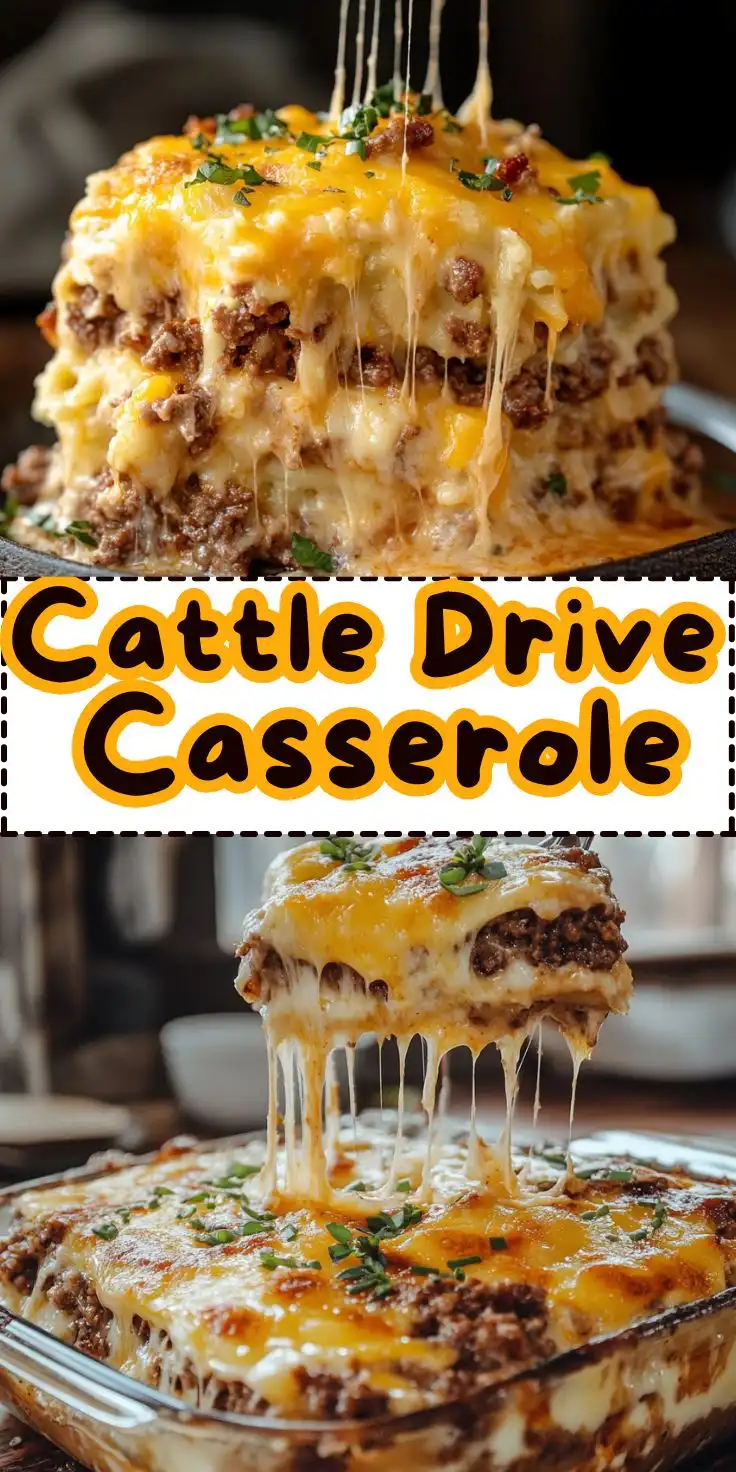
The Cattle Drive Casserole is a hearty, no-fuss American comfort food classic—born from the practical needs of ranchers, cowboys, and busy families seeking satisfying meals with minimal prep and maximum flavor. Imagine a dish that brings together tender ground beef, creamy mashed potatoes, melty cheese, and savory seasonings—all baked into one golden, bubbling casserole dish. It’s the kind of meal that fills the kitchen with warm, nostalgic aromas, satisfies hungry appetites after a long day, and reheats beautifully for leftovers. Whether you’re feeding a crew of ranch hands, hosting a casual potluck, or simply craving something deeply comforting on a weeknight, the Cattle Drive Casserole delivers big taste with surprisingly little effort.
The History
While not officially documented in culinary archives like Julia Child’s canon or the Betty Crocker Cookbook, the Cattle Drive Casserole belongs to the broader tradition of “ranch-style” or “cowboy casserole” dishes that emerged across the American West in the mid-20th century. Its roots lie in resourceful home cooking—where ground beef (an economical cut), pantry staples like canned tomatoes or cream of mushroom soup, and leftover mashed potatoes were combined to stretch ingredients and feed many. The name evokes the iconic cattle drives of the 1860s–1880s, though the casserole itself likely didn’t exist then; instead, it honors that rugged, self-reliant spirit. As refrigeration improved, baking dishes became more common in rural kitchens, and casseroles—baked, layered, one-dish meals—gained popularity in the 1950s alongside convenience foods like condensed soups and instant mashed potato flakes. Over time, regional variations cropped up: Texan versions added chili powder and jalapeños; Midwestern renditions leaned into cheddar and onion soup mix; Pacific Northwest cooks sometimes swapped in wild mushrooms or smoked paprika. Today, the Cattle Drive Casserole stands as a living heirloom—a customizable, crowd-pleasing staple passed down through generations of home cooks, often scribbled in spiral notebooks and shared at church suppers, county fairs, and family reunions.
Ingredients Breakdown
Understanding each component helps you adapt, elevate, or simplify the recipe without sacrificing soul-satisfying results:
- Ground Beef (80/20 lean-to-fat ratio): Provides rich flavor and moisture. The slight fat content prevents dryness and enhances browning. Grass-fed or organic options add nuance but aren’t required.
- Yellow Onions & Garlic: A foundational aromatic base. Yellow onions offer sweetness when sautéed, while fresh garlic adds depth—not to be substituted with garlic powder here, unless absolutely necessary.
- All-Purpose Flour: Used to lightly coat the beef before browning—this aids in thickening the sauce later and promotes better sear and fond development.
- Beef Broth (low-sodium preferred): Adds savory umami and body without overwhelming saltiness. Homemade broth is ideal, but high-quality store-bought works perfectly.
- Tomato Paste: Concentrated, caramelized richness. Briefly cooking it with onions and garlic deepens its flavor and removes any raw tang.
- Dijon Mustard (optional but recommended): A small amount adds brightness and subtle acidity that balances the richness—think of it as the “secret bridge” between meat and potatoes.
- Dried Herbs (thyme, oregano, rosemary): Earthy, woodsy notes that complement beef beautifully. Fresh herbs can be used at the end for garnish, but dried hold up best during baking.
- Smoked Paprika: Not just for color—this imparts gentle smokiness reminiscent of open-fire cooking, subtly nodding to its frontier inspiration.
- Worcestershire Sauce: Fermented complexity—tamarind, molasses, anchovies—that adds layers of savoriness few other ingredients can match.
- Mashed Potatoes (homemade preferred): The crowning layer. Creamy, buttery, and well-seasoned mashed potatoes act as both topping and textural contrast. Instant mash works in a pinch—but for best results, use real potatoes (Yukon Gold or Russet) with whole milk, butter, sour cream or cream cheese, and a touch of warm cream for silkiness.
- Sharp Cheddar Cheese (shredded, not pre-shredded): Melts beautifully and offers bold, tangy flavor. A blend with Monterey Jack or Gruyère adds complexity and superior meltability.
- Optional Toppings: Chopped fresh chives, crumbled cooked bacon, pickled red onions, or a sprinkle of flaky sea salt right before serving.
Step-by-Step Recipe
- Prep & Preheat: Position oven rack in the center. Preheat oven to 375°F (190°C). Lightly grease a 9×13-inch baking dish (glass or ceramic preferred for even heating).
- Make the Beef Filling: In a large skillet or Dutch oven over medium-high heat, heat 1 tbsp olive oil. Add 1 large diced yellow onion and sauté until translucent (~4 minutes). Stir in 3 minced garlic cloves and 2 tbsp tomato paste; cook 1–2 minutes until fragrant and slightly darkened. Push mixture to the side, increase heat to high, and add 1.5 lbs ground beef. Break up with a wooden spoon and cook until browned (6–8 minutes), stirring occasionally. Drain excess fat if desired (leave ~1 tbsp for flavor). Sprinkle in 2 tbsp all-purpose flour and stir constantly for 1 minute to cook off raw taste.
- Build the Sauce: Gradually whisk in 1 cup low-sodium beef broth, scraping up all browned bits (fond) from the pan bottom—this is flavor gold. Stir in 1 tsp Dijon mustard, 1 tbsp Worcestershire sauce, 1 tsp smoked paprika, 1 tsp dried thyme, ½ tsp dried oregano, ¼ tsp freshly ground black pepper, and optional ¼ tsp red pepper flakes. Reduce heat to medium-low and simmer uncovered for 8–10 minutes, stirring occasionally, until thickened to a glossy, spoon-coating consistency. Taste and adjust salt (start with ¾ tsp; add more only if needed).
- Prepare the Mashed Potato Topping: While filling simmers, prepare 4 cups of creamy mashed potatoes (enough to generously cover the casserole). For best texture: boil 2 lbs peeled Yukon Gold potatoes until fork-tender (~15 min); drain well. Mash with ½ cup warm whole milk, ⅓ cup unsalted butter, ¼ cup sour cream, ½ tsp salt, and a pinch of white pepper until smooth and velvety—not gluey. Keep warm (cover with lid or foil).
- Assemble the Casserole: Transfer the hot beef mixture to the greased baking dish and spread evenly. Carefully spoon warm mashed potatoes over the top. Use an offset spatula or the back of a spoon to gently spread—don’t press down hard. Create decorative swirls or peaks for visual appeal and better browning.
- Add Cheese & Bake: Sprinkle 1.5 cups shredded sharp cheddar evenly over potatoes. Bake uncovered for 25–30 minutes, until the edges are bubbling and the cheese is melted, golden, and lightly freckled with brown spots. For extra crispiness, broil on high for 1–2 minutes at the end—watch closely!
- Rest & Serve: Remove from oven and let rest for 10 minutes before slicing. This allows the filling to settle and prevents a runny cut. Garnish with chopped fresh chives or parsley.
Tips
- Make-Ahead Friendly: Assemble the casserole up to 24 hours ahead—cover tightly and refrigerate. Add 5–10 minutes to bake time if going straight from fridge to oven. You can also freeze unbaked (wrap in foil + plastic wrap) for up to 3 months—thaw overnight before baking.
- Browning Matters: Don’t rush the beef browning step. Let it develop deep mahogany color and fond—this builds the entire flavor foundation. Pat beef dry before cooking if it’s overly wet.
- Thickening Control: If your filling seems too thin before assembling, simmer 2–3 minutes longer. Too thick? Stir in 1–2 tbsp broth. Remember: potatoes will release some steam during baking, so aim for a “coating” consistency—not stiff.
- Potato Perfection: Avoid gluey mashed potatoes by not over-mixing. Use a potato ricer or hand masher—not a food processor or blender. Warm dairy ensures smooth integration without lumps.
- Cheese Wisdom: Pre-shredded cheese contains anti-caking starches that inhibit melting. Grate your own for superior texture and flavor. For extra decadence, fold ½ cup grated Gruyère into the mashed potatoes before spreading.
- Oven Variance: Convection ovens may reduce bake time by 5 minutes. Rotate dish halfway through if your oven has hot spots.
- Leftover Magic: Refrigerated leftovers reheat beautifully in the oven (covered at 350°F for 20 min, then uncovered for 5), toaster oven, or skillet (for crispy-bottomed portions). Freeze individual portions in parchment-lined ramekins for easy future meals.
Variations and Customizations
This casserole is endlessly adaptable—here are beloved twists tested across decades of home kitchens:
- Tex-Mex Cattle Drive: Swap beef for 50/50 ground beef & chorizo. Add 1 diced poblano, 1 tsp cumin, ½ tsp chipotle powder, and ¼ cup chopped cilantro to filling. Top with pepper jack cheese and serve with lime wedges and avocado crema.
- Vegetarian Trailblazer: Replace beef with 1.5 cups cooked lentils + 1 cup finely chopped mushrooms (sautéed until dry). Use vegetable broth, add 1 tbsp soy sauce for umami, and top with smoked gouda and caramelized onions.
- Breakfast Roundup: Use breakfast sausage instead of beef, add ½ tsp sage and pinch of nutmeg to filling, and top with cheesy hash brown potatoes instead of mashed—bake until golden and crisp.
- Low-Carb Lariat: Skip the potatoes entirely—top with a cauliflower “mash” (riced steamed cauliflower blended with cream cheese, Parmesan, garlic, and butter) and extra cheese. Reduces carbs by ~35g per serving.
- Gluten-Free Stampede: Use GF flour or cornstarch (1 tbsp) for thickening, verify broth and Worcestershire are GF-certified, and double-check spice blends for hidden wheat.
- Slow Cooker Shortcut: Brown beef and aromatics on stove, then transfer to slow cooker with broth and seasonings. Cook on LOW 4 hours. Stir in frozen peas/corn last 15 minutes. Transfer to baking dish, top with mashed potatoes and cheese, and bake as directed.
- Kid-Approved Version: Omit strong spices (paprika, pepper flakes), add 1 tbsp ketchup + 1 tsp brown sugar to filling for mild sweetness, and mix shredded cheese directly into mashed potatoes before topping.
- Gourmet Grazing: Use grass-fed beef, deglaze with ¼ cup dry red wine after browning, finish filling with 1 tbsp balsamic reduction, and top with herbed goat cheese dollops before baking.
Health Considerations and Nutritional Value
A standard serving (1/6 of the full 9×13 recipe) provides approximately:
- Calories: 480–520 kcal
- Protein: 32–36g (high-quality complete protein from beef and dairy)
- Fat: 24–28g (includes ~11g saturated fat—reducible by using leaner beef or draining more fat)
- Carbohydrates: 30–34g (primarily from potatoes; fiber ~3g)
- Sodium: 580–720mg (controllable by using low-sodium broth, limiting added salt, and skipping high-sodium condiments)
- Vitamins & Minerals: Excellent source of iron, zinc, B12, potassium, vitamin C (from onions/tomato paste), and calcium (from cheese and dairy in potatoes)
Nutrition Notes:
- Heart-Healthy Tweaks: Substitute half the beef with lean ground turkey or lentils; use reduced-fat cheese and low-fat sour cream/milk in potatoes; boost fiber with ½ cup finely grated zucchini stirred into filling.
- Lower-Calorie Option: Reduce cheese to 1 cup, replace ¼ cup butter in potatoes with Greek yogurt, and add 1 cup baby spinach to filling during final simmer.
- Digestive Support: Garlic, onions, and tomato paste contain prebiotic fibers; adding fermented toppings (kimchi, sauerkraut) post-bake introduces probiotics.
- Anti-Inflammatory Boost: Add 1 tsp turmeric with black pepper to filling; include antioxidant-rich toppings like roasted cherry tomatoes or pomegranate arils.
- Allergen Awareness: Naturally nut-free and egg-free. For dairy-free, use plant-based butter, unsweetened oat milk, vegan cheese, and nutritional yeast in potatoes—but note texture and browning will differ.
Ingredients
- 1 tablespoon olive oil
- 1 large yellow onion, finely diced
- 3 garlic cloves, minced
- 1.5 pounds 80/20 ground beef
- 2 tablespoons all-purpose flour
- 2 tablespoons tomato paste
- 1 cup low-sodium beef broth
- 1 teaspoon Dijon mustard
- 1 tablespoon Worcestershire sauce
- 1 teaspoon smoked paprika
- 1 teaspoon dried thyme
- ½ teaspoon dried oregano
- ¼ teaspoon freshly ground black pepper
- ¼ teaspoon red pepper flakes (optional)
- ¾–1 teaspoon fine sea salt (to taste)
- 2 pounds Yukon Gold potatoes, peeled and cubed
- ½ cup warm whole milk
- ⅓ cup unsalted butter
- ¼ cup sour cream
- ½ teaspoon salt (for potatoes)
- Pinch of white pepper
- 1.5 cups shredded sharp cheddar cheese
- Chopped fresh chives or parsley, for garnish
Directions
- Preheat oven to 375°F (190°C). Grease a 9×13-inch baking dish.
- In a large skillet or Dutch oven over medium-high heat, heat olive oil. Sauté onion until soft and translucent, about 4 minutes. Add garlic and tomato paste; cook 1–2 minutes until fragrant.
- Increase heat to high. Add ground beef, breaking apart with a spoon. Cook until fully browned (6–8 minutes), stirring occasionally. Drain excess fat, leaving ~1 tablespoon.
- Sprinkle flour over beef mixture and stir constantly for 1 minute.
- Gradually whisk in beef broth, scraping up all browned bits. Stir in Dijon mustard, Worcestershire sauce, smoked paprika, thyme, oregano, black pepper, red pepper flakes (if using), and salt. Reduce heat to medium-low and simmer uncovered for 8–10 minutes, until thickened.
- Meanwhile, place potatoes in a large pot, cover with cold salted water, and bring to a boil. Cook until fork-tender (~15 minutes). Drain thoroughly.
- Mash potatoes with warm milk, butter, sour cream, salt, and white pepper until smooth and creamy. Keep warm.
- Transfer beef mixture to prepared baking dish and spread evenly. Spoon warm mashed potatoes over top and gently spread. Swirl decoratively.
- Sprinkle shredded cheddar evenly over potatoes.
- Bake uncovered for 25–30 minutes, until bubbly at edges and cheese is golden. Optional: broil 1–2 minutes for extra browning.
- Let rest 10 minutes before serving. Garnish with chives or parsley.
FAQ
- Can I make this vegetarian?
- Absolutely! Substitute the beef with 1.5 cups cooked brown or green lentils and 1 cup finely chopped cremini mushrooms (sautéed until golden and moisture evaporates). Use vegetable broth, add 1 tablespoon tamari or coconut aminos for depth, and top with smoked Gouda or sharp cheddar alternative.
- Why does my mashed potato layer crack or separate?
- This usually happens when the potatoes are too cold when layered—or if they’re under-seasoned and lack enough fat/cream. Always use warm, well-seasoned, creamy mashed potatoes. Also, avoid pressing down too hard when spreading—gentle is key.
- Can I use instant mashed potatoes?
- Yes—but enhance them significantly: prepare according to package directions using whole milk and butter, then stir in 2 tablespoons sour cream, ¼ cup grated cheese, and a pinch of garlic powder. Let cool slightly before spreading.
- How do I prevent a soggy bottom?
- Ensure your beef mixture is properly reduced—it should coat the back of a spoon, not pool liquid. Also, don’t assemble and refrigerate for more than 24 hours unless tightly covered; excess condensation can form.
- What sides go well with Cattle Drive Casserole?
- Keep it simple: a crisp green salad with lemon vinaigrette, roasted seasonal vegetables (Brussels sprouts, carrots, or asparagus), dill pickle spears, or warm crusty bread for soaking up juices.
- Can I add vegetables to the filling?
- Definitely—and highly encouraged! Stir in 1 cup finely diced carrots and celery with the onions. Or add ½ cup frozen peas, corn, or green beans during the last 2 minutes of simmering. For deeper flavor, roast vegetables first.
- Is this freezer-friendly?
- Yes! Assemble unbaked, cover tightly with foil + plastic wrap, and freeze up to 3 months. Thaw overnight in refrigerator before baking. Add 5–8 minutes to bake time if still chilled in center.
- My cheese didn’t brown—what went wrong?
- Moisture is the enemy of browning. Ensure mashed potatoes aren’t overly wet, and use freshly grated cheese (not pre-shredded). For guaranteed browning, broil for 1–2 minutes at the end—or add a light sprinkle of panko mixed with melted butter on top before baking.
- Can I cook this in a cast iron skillet?
- Yes—if it’s a large 12-inch oven-safe skillet. Brown the beef in it, build the filling, then top with potatoes and cheese. No need to transfer—just pop it straight into the oven. Bonus: beautiful rustic presentation and excellent heat retention.
- How do I scale this for a crowd of 20+?
- Double the recipe in two 9×13 dishes—or use a commercial 12×20-inch roasting pan. Increase bake time by 5–7 minutes and rotate pans halfway. For potlucks, bake ahead, cool slightly, then reheat covered at 325°F for 25 minutes before serving.
Summary
The Cattle Drive Casserole is a time-honored, deeply flavorful one-dish meal that marries rustic simplicity with rich, savory satisfaction—born from Western ingenuity and perfected by generations of home cooks who value both heart and ease.
With endless customization options, make-ahead flexibility, balanced nutrition, and foolproof technique, it’s not just dinner—it’s a dependable, comforting ritual that turns ordinary ingredients into something truly memorable, night after night.