Introduction
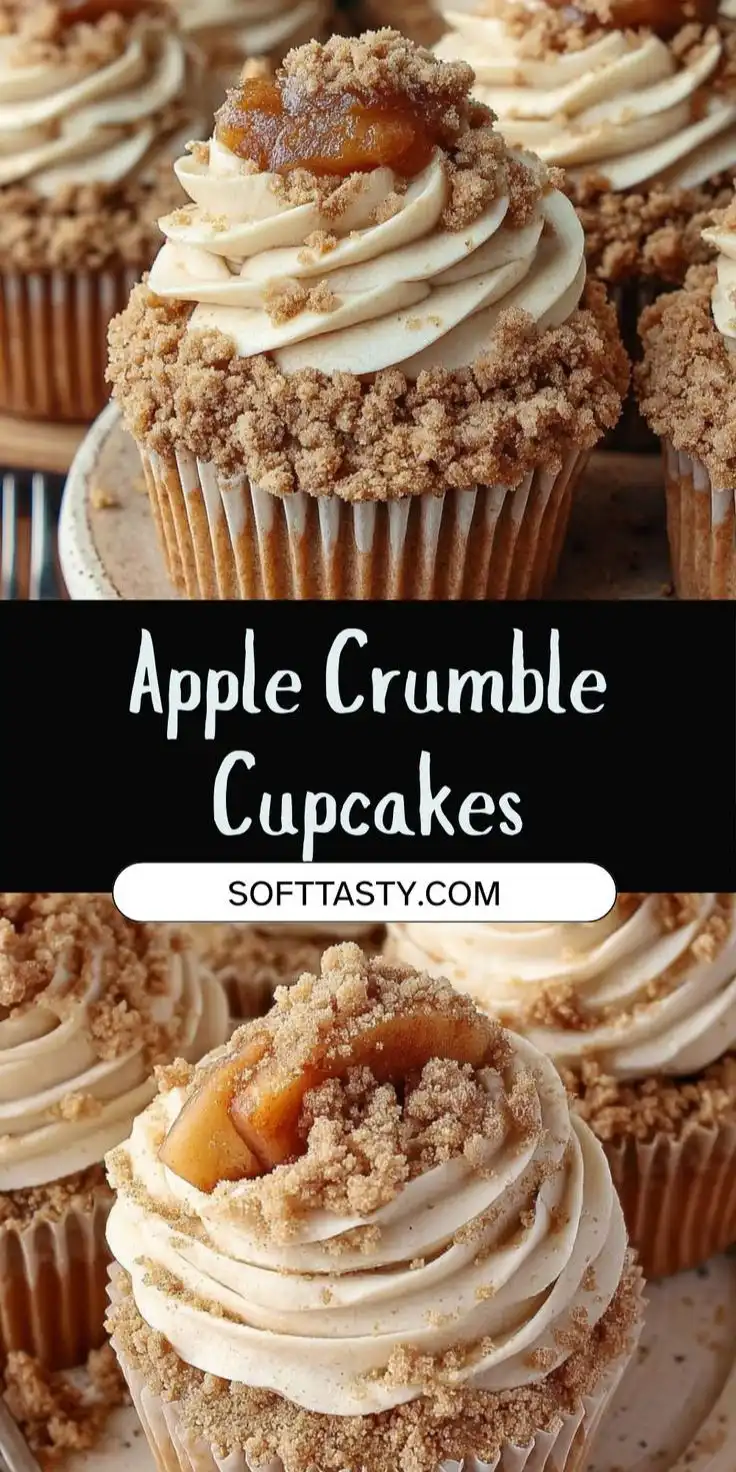
Apple crumble cake is a beloved hybrid dessert that marries the tender, moist crumb of a classic butter cake with the rustic charm and textural contrast of a traditional apple crumble topping. Unlike a standard apple pie—encased in pastry—or a simple crisp—baked without a base—this indulgent treat features a rich, spiced apple filling nestled within a soft, golden cake layer, crowned generously with a buttery, oat-and-brown-sugar crumble. It’s comfort food elevated: warm, fragrant, deeply nostalgic, and endlessly adaptable. Whether served at Sunday brunch, holiday gatherings, afternoon tea, or as a humble weeknight treat with a scoop of vanilla ice cream, apple crumble cake bridges generations and geographies—evoking orchards in autumn, cozy kitchens, and the timeless allure of baked apples.
The History
The origins of apple crumble cake are delightfully layered—much like the dessert itself—emerging from the confluence of several culinary traditions across the 19th and 20th centuries. The humble “crumble” was born in wartime Britain during the 1940s, when rationing limited access to pastry ingredients like butter and white flour. Resourceful home bakers substituted shortcrust with a streusel-like topping of oats, flour, sugar, and minimal fat—creating what became known as “apple crumble,” a simpler, more economical cousin to the pie. Meanwhile, American layer cakes and spice cakes had long featured apples as a moistening agent and seasonal accent—think of old-fashioned apple coffee cake or colonial-era “apple slump.” By the mid-20th century, as home baking evolved and recipe sharing accelerated through women’s magazines (like Good Housekeeping and Ladies’ Home Journal) and community cookbooks, bakers began experimenting: folding spiced apples directly into cake batters and topping them not with frosting, but with crumble. The first documented “apple crumble cake” appeared in regional U.S. publications by the 1960s—often labeled “apple crumb cake” or “apple streusel cake”—and quickly gained traction in Midwest and Pacific Northwest households where apple orchards thrived. Over time, it absorbed influences from German Apfelkuchen, Dutch apple cake traditions, and even Southern U.S. “dump cake” techniques—culminating in today’s versatile, globally cherished dessert that honors frugality, seasonality, and joyful improvisation.
Ingredients Breakdown
Understanding each component deepens both appreciation and mastery of this dessert. Below is a detailed functional analysis of every ingredient—not just what it does, but *why* it matters:
- Apples (Granny Smith, Honeycrisp, Braeburn, or Jonagold): Chosen for firm texture and balanced acidity/sweetness. Tart varieties hold shape during baking and cut through richness; sweeter ones enhance natural sugars but require less added sweetener. Peeled or unpeeled? Skin adds fiber, subtle tannins, and visual flecks—but may soften unpredictably. For refined texture, peel; for rustic nutrition and color, leave on (especially with organic fruit).
- Granulated Sugar: Provides sweetness, aids in caramelization of apple edges, and contributes to tenderness via sugar’s weakening effect on gluten formation in the cake layer.
- Brown Sugar (light or dark): Adds molasses-derived moisture, deep caramel notes, and hygroscopic properties that help retain freshness. Dark brown sugar intensifies flavor and yields a more robust, almost toffee-like crumble.
- Unsalted Butter (cold & softened, used separately): Cold butter in the crumble ensures flakiness and distinct clumps; softened butter in the cake batter emulsifies smoothly, trapping air for lift and tenderness. Salt content is controlled precisely—hence unsalted—to avoid over-salting.
- Eggs (large, room temperature): Act as binders, leaveners (when beaten), and emulsifiers. Room temperature eggs incorporate more evenly, yielding a uniform, velvety batter without curdling.
- All-Purpose Flour (or blend with whole wheat or oat flour): Provides structure. Chlorinated cake flour yields ultra-tender results; bread flour adds chew (not recommended here). Sifting is non-negotiable—it aerates and prevents dense pockets.
- Baking Powder & Baking Soda: Double-acting leaveners. Baking powder provides primary lift; baking soda neutralizes acidity from apples and brown sugar while boosting browning (Maillard reaction) and tenderness.
- Spices (cinnamon, nutmeg, allspice, ginger, cardamom): Not mere flavorings—they’re biochemical catalysts. Cinnamon enhances perceived sweetness without added sugar; nutmeg complements apple’s esters; allspice adds clove-like warmth; ginger brightens; cardamom lends floral complexity. Toasting whole spices before grinding unlocks volatile oils for maximum aroma.
- Sour Cream or Full-Fat Greek Yogurt: Adds tang, fat, and acidity—moisturizing the crumb, activating leaveners, and inhibiting gluten overdevelopment. Low-fat alternatives yield drier, denser results.
- Oats (old-fashioned rolled oats, not instant or steel-cut): The crumble’s soul. Rolled oats deliver chew, toasty depth, and binding viscosity when combined with butter. Gluten-free certified oats ensure safety for sensitive individuals.
- Walnuts or Pecans (optional but highly recommended): Introduce crunch, healthy fats, and toasted nuttiness that harmonizes with apples and cinnamon. Toasting beforehand deepens flavor and prevents sogginess.
- Vanilla Extract (pure, not imitation): Contains hundreds of flavor compounds that round out sharpness and unify sweet, spicy, and fruity notes.
- Salt (fine sea or kosher): A silent orchestrator—enhancing all other flavors, balancing sweetness, and strengthening gluten just enough for structure without toughness.
- Optional Enhancements: A splash of apple cider vinegar (for extra lift and brightness), a tablespoon of Calvados or bourbon (for aromatic depth), lemon zest (to heighten apple fragrance), or a dusting of crystallized ginger (for zingy contrast).
Step-by-Step Recipe
- Prep & Preheat: Position oven rack in the center. Preheat oven to 350°F (175°C). Generously grease a 9×13-inch metal or light-colored ceramic baking pan; line the bottom with parchment paper, leaving 2-inch overhangs on two opposite sides for effortless lifting later. Lightly flour the greased sides.
- Prepare Apples: Peel (optional), core, and dice 4–5 medium apples (about 6 cups / 750g) into ½-inch cubes. Toss immediately with 1 tbsp fresh lemon juice to prevent browning. In a large bowl, combine apples with ¼ cup granulated sugar, 1 tsp ground cinnamon, ¼ tsp ground nutmeg, ⅛ tsp ground allspice, 1 tbsp all-purpose flour, and a pinch of salt. Set aside for 15 minutes to macerate—this draws out juices and begins softening.
- Make the Cake Batter: In a medium bowl, whisk together 2¼ cups all-purpose flour, 1½ tsp baking powder, ½ tsp baking soda, 1½ tsp ground cinnamon, ½ tsp ground ginger, ¼ tsp ground cloves, and 1 tsp fine sea salt. In a large bowl, beat 1 cup (2 sticks) softened unsalted butter with 1 cup granulated sugar and 1 cup packed light brown sugar using an electric mixer on medium-high for 3–4 minutes until pale, fluffy, and thoroughly aerated. Add 3 large room-temperature eggs one at a time, beating well after each addition and scraping the bowl. Beat in 2 tsp pure vanilla extract. Reduce speed to low; alternately add dry ingredients and 1 cup full-fat sour cream in three additions, beginning and ending with dry ingredients. Mix only until just combined—do not overmix. Batter will be thick and glossy.
- Assemble the Layers: Spread batter evenly into prepared pan using an offset spatula. Smooth top. Drain any excess liquid from macerated apples (reserve 1–2 tbsp for brushing if desired), then spread apples evenly over batter in a single, compact layer. Gently press down so apples nestle slightly into batter—this ensures integration without sinking.
- Prepare Crumble Topping: In a chilled bowl, combine 1 cup old-fashioned rolled oats, ¾ cup all-purpose flour, ¾ cup packed light brown sugar, ½ tsp ground cinnamon, ¼ tsp salt, and ½ cup cold unsalted butter cut into ½-inch cubes. Using a pastry cutter, fork, or fingertips, work butter into dry ingredients until mixture resembles coarse crumbs with some pea-sized clumps. Stir in ½ cup chopped, toasted walnuts or pecans. Do not overwork—texture is key.
- Top & Bake: Sprinkle crumble topping evenly over apples, covering completely. For extra decadence, dot with 1 tbsp cold butter pieces. Place pan on a rimmed baking sheet (to catch potential bubbles or spills). Bake for 55–65 minutes—or until a toothpick inserted into the cake layer (avoiding apple pockets) comes out clean or with moist crumbs, the edges are deeply golden and pulling away from the pan, and the crumble is crisp and fragrant. Rotate pan halfway through for even baking.
- Cool & Serve: Cool cake in pan on a wire rack for at least 45 minutes—this allows structure to set and prevents crumbling. For clean slices, cool completely (2+ hours) before cutting. Lift out using parchment overhangs, then slice with a sharp, hot knife wiped between cuts. Serve warm or at room temperature. Ideal accompaniments: cold vanilla bean ice cream, spiced whipped cream (whip 1 cup heavy cream + 2 tbsp brown sugar + ½ tsp cinnamon), or a drizzle of salted caramel sauce.
Tips
- Apple Selection Matters: Use a mix—e.g., 3 Granny Smith + 2 Honeycrisp—for optimal balance of tartness, sweetness, and texture retention. Avoid Red Delicious or Fuji—they turn mushy.
- Room Temperature Is Non-Negotiable: Cold eggs or sour cream can cause batter to seize or separate. Let them sit out 30–45 minutes before starting.
- Don’t Skip the Maceration: This step concentrates flavor, reduces excess water (preventing soggy bottoms), and jumpstarts caramelization.
- Undermix the Batter: Overmixing develops gluten → tough, rubbery cake. Fold gently with a spatula once dry ingredients are added.
- Cold Butter = Better Crumble: If your kitchen is warm, chill the crumble mixture for 10 minutes before sprinkling—it yields superior texture.
- Watch the Oven Closely: Ovens vary. Start checking at 50 minutes. If crumble browns too fast, tent loosely with foil.
- Rest Before Slicing: Cutting too soon releases steam and causes collapse. Patience yields perfect layers.
- Freeze for Freshness: Unfrosted, fully cooled cake freezes beautifully for up to 3 months—wrap tightly in plastic + foil. Thaw overnight in fridge, then warm gently at 325°F for 15 minutes before serving.
- Revive Leftovers: Reheat individual slices in an air fryer (350°F, 4–5 min) for crisp topping and moist interior—or microwave 15 seconds, then finish under broiler for 1 minute.
- Scale with Confidence: Halve for a 8-inch square pan (reduce bake time by ~10 min); double for two pans or a sheet cake (no time adjustment needed).
Variations and Customizations
This recipe is a canvas—celebrating regional preferences, dietary needs, and creative whims. Explore these thoughtfully tested adaptations:
- Gluten-Free Apple Crumble Cake: Substitute 1:1 gluten-free all-purpose flour blend (with xanthan gum) for all flour; use certified GF oats; add ½ tsp psyllium husk powder to batter for elasticity. Ensure baking powder is GF-certified.
- Vegan Version: Replace eggs with flax eggs (3 tbsp ground flax + 9 tbsp water, rested 10 min); use vegan butter and full-fat coconut yogurt instead of sour cream; opt for maple syrup or coconut sugar in crumble. Note: texture will be denser but warmly spiced and satisfying.
- Overnight Apple Crumble Cake: Assemble batter and apples night before; refrigerate covered. Add crumble topping just before baking—chill helps flavors meld and apples soften slightly for deeper infusion.
- Streusel Swirl Variation: Reserve ⅓ of crumble. After spreading apples, sprinkle half over apples, then dollop ⅔ of batter on top. Swirl gently with a knife, then top with remaining crumble and reserved streusel.
- Chai-Spiced Crumble Cake: Infuse batter with 1 tbsp strong brewed chai tea (cooled) + replace spices with 1½ tsp chai spice blend (cardamom-heavy). Top with candied ginger pieces.
- Maple-Bourbon Apple Crumble Cake: Replace ¼ cup brown sugar in crumble with pure maple syrup (reduce butter by 1 tbsp); add 2 tbsp bourbon to batter. Garnish with bourbon-caramel drizzle.
- Mini Mason Jar Crumbles: Portion batter, apples, and crumble into 6–8 oz wide-mouth mason jars (¾ full). Bake at 350°F for 35–42 minutes. Perfect for gifts or portion control.
- Savory-Sweet Herb Twist: Add 1 tbsp finely chopped fresh rosemary or thyme to crumble; reduce cinnamon by half. Pairs magically with sharp cheddar ice cream.
- Double-Apple Layer: Add a thin layer of unsweetened applesauce (½ cup) beneath the batter for ultra-moisture and intensified apple essence.
- Brunch-Style Savory Crumble Cake: Omit sugar from crumble; use Gruyère and thyme; fold diced cooked bacon and caramelized onions into batter. Serve with fried eggs.
Health Considerations and Nutritional Value
While apple crumble cake is inherently a celebratory dessert, mindful preparation transforms it into a nutrient-dense, balanced treat—especially when enjoyed in moderation. Per standard slice (1/12 of a 9×13 pan, approx. 210g), values average:
- Calories: ~380–420 kcal (varies with butter/nut/oat ratios)
- Total Fat: 18–22g (mostly unsaturated from nuts/butter; 10–12g saturated)
- Carbohydrates: 52–58g (including 4–6g dietary fiber from apples, oats, and whole grains)
- Sugars: 32–36g (naturally occurring fructose from apples accounts for ~12g; remainder from added sugars)
- Protein: 5–7g (from eggs, dairy, nuts)
- Vitamins & Minerals: Excellent source of Vitamin C (apples), potassium (apples, bananas if added), calcium (dairy), iron (molasses in brown sugar), and antioxidants (quercetin in apple skin, vitamin E in nuts).
Wellness-Focused Modifications:
- Reduce Added Sugar: Cut granulated sugar by ¼ cup; rely on ripe apples and brown sugar’s natural sweetness. Add 1 tsp stevia or monk fruit blend if needed.
- Increase Fiber: Substitute ½ cup flour with oat flour or almond flour; leave apple skins on; add 2 tbsp ground flax or chia seeds to batter.
- Boost Protein: Fold in ¼ cup vanilla whey or plant-based protein powder (reduce flour by 2 tbsp); top with Greek yogurt instead of ice cream.
- Lower Saturated Fat: Replace half the butter in crumble with avocado oil or unsweetened applesauce; use light sour cream (though texture suffers slightly).
- Gut-Friendly Option: Add 2 tbsp cultured buttermilk to batter; top with fermented apple compote (simmer apples with probiotic-rich kefir).
- Allergen Notes: Naturally nut-free (omit walnuts); easily dairy-free (see vegan variation); egg-free options exist (chia/flax eggs). Always verify oat certification for gluten sensitivity.
Remember: Nutrition is holistic. This cake delivers joy, shared moments, seasonal connection, and mindful eating—elements as vital to wellbeing as vitamins.
Ingredients
Makes one 9×13-inch cake (12–16 servings)
- For the Apple Filling:
– 4–5 medium apples (6 cups / 750g), peeled and diced ½-inch (Granny Smith, Honeycrisp, or Braeburn)
– 1 tbsp fresh lemon juice
– ¼ cup granulated sugar
– 1 tsp ground cinnamon
– ¼ tsp freshly grated nutmeg
– ⅛ tsp ground allspice
– 1 tbsp all-purpose flour
– Pinch of fine sea salt - For the Cake Batter:
– 2¼ cups (280g) all-purpose flour, spooned & leveled
– 1½ tsp baking powder
– ½ tsp baking soda
– 1½ tsp ground cinnamon
– ½ tsp ground ginger
– ¼ tsp ground cloves
– 1 tsp fine sea salt
– 1 cup (225g) unsalted butter, softened to 65°F
– 1 cup (200g) granulated sugar
– 1 cup (220g) packed light brown sugar
– 3 large eggs, room temperature
– 2 tsp pure vanilla extract
– 1 cup (240g) full-fat sour cream or plain Greek yogurt, room temperature - For the Crumble Topping:
– 1 cup (90g) old-fashioned rolled oats
– ¾ cup (95g) all-purpose flour
– ¾ cup (165g) packed light brown sugar
– ½ tsp ground cinnamon
– ¼ tsp fine sea salt
– ½ cup (115g) cold unsalted butter, cubed
– ½ cup (60g) chopped walnuts or pecans, toasted - For Serving (Optional):
– Vanilla bean ice cream
– Whipped cream infused with cinnamon & sea salt
– Warm salted caramel or apple butter drizzle
Directions
- Preheat oven to 350°F (175°C). Grease and parchment-line a 9×13-inch baking pan.
- In a small bowl, toss diced apples with lemon juice. In a large bowl, combine apples with ¼ cup granulated sugar, 1 tsp cinnamon, nutmeg, allspice, 1 tbsp flour, and pinch of salt. Let sit 15 minutes.
- In a medium bowl, whisk together 2¼ cups flour, baking powder, baking soda, 1½ tsp cinnamon, ginger, cloves, and 1 tsp salt.
- In a large bowl, beat softened butter, 1 cup granulated sugar, and 1 cup brown sugar with electric mixer on medium-high 3–4 minutes until pale and fluffy. Add eggs one at a time, beating well after each. Beat in vanilla.
- Reduce mixer speed to low. Add dry ingredients in three parts, alternating with sour cream in two parts, beginning and ending with dry ingredients. Mix until *just combined*. Do not overmix.
- Spread batter evenly into prepared pan. Drain excess liquid from apples (reserve 1–2 tbsp), then spread apples evenly over batter. Gently press down.
- Make crumble: In chilled bowl, combine oats, ¾ cup flour, ¾ cup brown sugar, ½ tsp cinnamon, and ¼ tsp salt. Cut in cold butter until crumbly with pea-sized clumps. Stir in toasted nuts.
- Sprinkle crumble evenly over apples. Optional: dot with 1 tbsp cold butter.
- Bake on center rack, on a rimmed sheet, for 55–65 minutes—until toothpick in cake (not apple) comes out clean, edges are golden and pulling away, and crumble is crisp.
- Cool in pan on wire rack 45 minutes minimum. For clean slices, cool completely (2+ hours). Lift out using parchment, slice, and serve.
FAQ
- Can I use canned applesauce instead of fresh apples?
- No—canned applesauce lacks structure and will create a dense, wet, pudding-like layer. However, you *can* swirl ½ cup unsweetened applesauce into the batter for extra moisture and apple intensity—while still using fresh apples for texture.
- Why did my crumble sink or disappear into the cake?
- Two likely causes: (1) Crumble was added while batter was too warm or thin—always assemble cold components over room-temp batter; (2) You stirred the crumble into the apples instead of layering it *on top*. Never mix crumble with apples—it must rest as a distinct upper crust.
- Can I make this ahead and refrigerate overnight before baking?
- Absolutely—and it’s recommended! Assemble batter and apples (without crumble) up to 16 hours ahead. Cover tightly and refrigerate. Bring to cool room temp (~60°F) for 20 minutes before adding crumble and baking. Flavor deepens beautifully.
- My cake is dry—what went wrong?
- Dryness usually stems from overbaking, overmixing batter, using low-fat dairy, or insufficient apples. Always use full-fat sour cream, measure flour correctly (spoon & level), and pull cake at the *first sign* of doneness—residual heat continues cooking.
- Can I substitute coconut oil for butter?
- In the crumble: Yes—refined coconut oil (for neutral taste) works 1:1, but yields a softer, less shatteringly crisp topping. In the cake batter: Not recommended—coconut oil solidifies differently and doesn’t cream like butter, risking greasiness and poor rise.
- How do I store leftovers, and how long do they last?
- Cool completely, then cover tightly with plastic wrap or store in an airtight container at room temperature up to 2 days, or refrigerate up to 5 days. Reheat slices gently (oven or air fryer preferred over microwave for texture). Freeze unfrosted cake slices up to 3 months.
- Is this cake suitable for high-altitude baking?
- Yes—with adjustments: Reduce baking powder to 1 tsp, granulated sugar to ¾ cup, and add 2 tbsp extra sour cream. Increase oven temp to 360°F and check 5–8 minutes earlier. Avoid opening oven door before 45 minutes.
- Can I add other fruits?
- Pears work exceptionally well (substitute 1–2 pears for apples). Berries (tossed with 1 tsp cornstarch) add vibrancy—fold into apples just before layering. Avoid very watery fruits (watermelon, oranges) or strong-flavored ones (kiwi, pineapple) unless balanced with tart apples.
- What’s the best way to get clean, professional-looking slices?
- Use a long, thin, sharp chef’s knife dipped in hot water and wiped dry before each cut. Chill cake fully. Cut with gentle sawing motion—don’t press down. Wipe knife after every 2 slices.
- Can I bake this in a bundt pan?
- Not advised—the dense apple layer sinks and creates uneven baking and release issues. Stick to rectangular or square pans for structural integrity and even heat distribution.
Summary
Apple crumble cake is a masterclass in harmony—where spiced, tender apples meet velvety spice cake and crown themselves with a buttery, oaty, nutty crumble that crackles with every forkful.
It’s a dessert rooted in resilience and resourcefulness, perfected through generations of bakers who understood that the best treats aren’t just made—they’re remembered, remade, and shared with love across seasons, tables, and lifetimes.