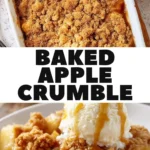
Introduction
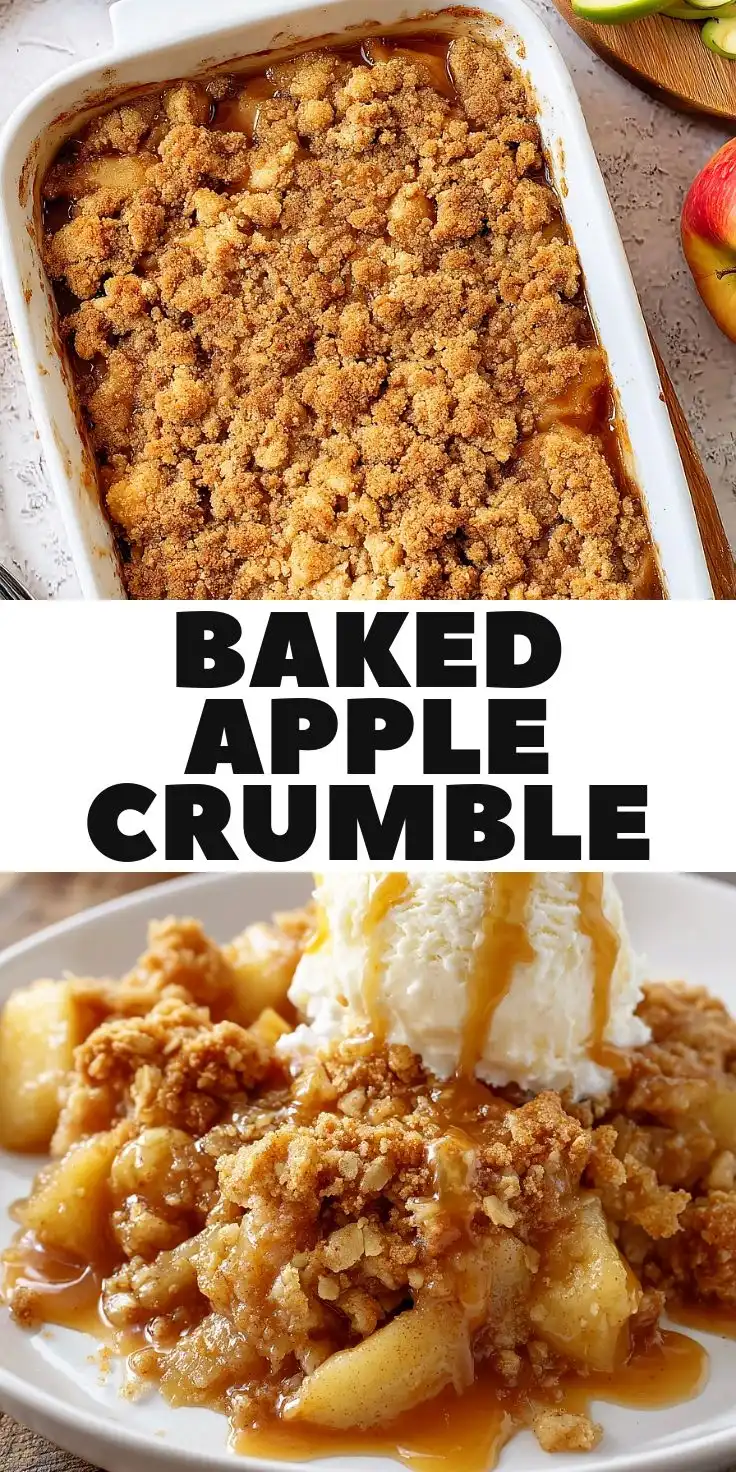
Baked Apple Crumble is a timeless, heartwarming dessert that embodies the essence of home baking—simple yet deeply satisfying, rustic yet refined. With its tender, spiced apple filling nestled beneath a golden, buttery, oat-studded crumb topping, this classic British-American favorite evokes nostalgia, comfort, and seasonal celebration all at once. Unlike pies that demand precise pastry work or cobblers requiring biscuit expertise, the crumble stands out for its forgiving technique, minimal equipment needs, and remarkable versatility. Whether served warm with a scoop of vanilla ice cream on a crisp autumn evening or repurposed as a cozy breakfast treat with Greek yogurt and maple drizzle, baked apple crumble bridges generations and geographies—equally cherished in English village kitchens, Midwestern farmhouse pantries, and modern urban apartments alike.
The History
The origins of the apple crumble trace back to early 20th-century Britain, emerging during the austerity of World War II as a pragmatic and patriotic alternative to traditional pies. With rationing severely limiting access to ingredients like butter, eggs, and refined flour—and pastry-making requiring both skill and precious resources—home cooks turned to crumble toppings: a mixture of flour, fat (often lard or margarine), sugar, and rolled oats or breadcrumbs that required no rolling, folding, or blind-baking. The term “crumble” itself first appeared in print in the 1940s, notably in the 1943 edition of *The Ministry of Food’s* official wartime cookbook, which promoted it as an economical, nutritious, and morale-boosting dessert using abundant seasonal fruits—especially apples, which were widely grown across the UK. By the 1950s, crumbles had crossed the Atlantic, embraced by American bakers who adapted them with local preferences: swapping in brown sugar for deeper caramel notes, adding cinnamon and nutmeg more liberally, incorporating toasted nuts, and serving them à la mode with rich dairy-based accompaniments. Over decades, the crumble evolved beyond mere frugality into a symbol of intentional simplicity—proof that extraordinary flavor can arise from humble, whole-food ingredients treated with care and consistency.
Ingredients Breakdown
Every exceptional baked apple crumble begins with thoughtful ingredient selection—not just for taste, but for texture, structure, and balance. Below is a comprehensive breakdown of each component’s functional and sensory role:
- Apples (6–7 medium, ~2¼ lbs / 1 kg): A blend of tart and sweet varieties yields complexity and stability. Granny Smith provides essential acidity and firmness to prevent mushiness; Honeycrisp adds honeyed sweetness and juiciness; Braeburn or Jonagold contribute floral depth and balanced firm-tender yield. Avoid Red Delicious (too mealy) or Golden Delicious (overly soft when baked). Peel or don’t peel based on preference—skins add fiber, color, and subtle tannic structure but may create slight textural contrast.
- Granulated Sugar (⅔ cup / 135g): Balances apple’s natural tartness and aids in syrup formation. Adjust downward if apples are very sweet or upward if exceptionally tart.
- Brown Sugar (½ cup / 100g, light or dark): Adds molasses-derived richness, moisture retention, and deep caramel undertones. Dark brown sugar intensifies flavor and yields a slightly chewier crumb; light brown offers subtlety and brightness.
- Lemon Juice (2 tbsp / 30ml): Critical for brightening flavors, preventing enzymatic browning pre-bake, and enhancing pectin release for optimal thickening. Freshly squeezed is non-negotiable—bottled lacks volatile citrus oils and acidity precision.
- Cornstarch (3 tbsp / 24g) or Tapioca Starch (2 tbsp / 16g): Acts as a heat-activated thickener to bind apple juices into a lush, spoonable compote—not runny, not gluey. Cornstarch delivers clarity and neutral flavor; tapioca yields a glossier, more elastic gel ideal for high-moisture apples.
- Spices (1½ tsp ground cinnamon, ¼ tsp freshly grated nutmeg, pinch of ground cloves or allspice): Warmth without heat. Cinnamon anchors the profile; nutmeg adds creamy resonance; cloves lend a whisper of earthy intensity—use sparingly to avoid medicinal notes.
- Salted Butter (¾ cup / 170g, cold and cubed): The structural and flavor backbone of the crumble topping. Cold temperature ensures distinct, flaky pockets melt slowly during baking, yielding crisp edges and tender centers. European-style butter (82–84% fat) enhances richness and browning; unsalted allows precise salt control.
- All-Purpose Flour (1 cup / 120g): Provides gluten structure for cohesion—enough to bind, not so much that the topping turns dense or tough. For gluten-free versions, use a 1:1 certified GF blend with xanthan gum.
- Old-Fashioned Rolled Oats (1 cup / 80g): The soul of texture—chewy, nutty, and toasty. Quick oats disintegrate; steel-cut remain too gritty. Toasting oats before mixing deepens flavor and improves crunch retention.
- Demerara or Turbinado Sugar (¼ cup / 50g): Coarse crystals resist full melting, creating delightful shattering crunch and caramelized sparkle on the surface. Regular brown sugar works, but lacks the signature crackle.
- Fine Sea Salt (¾ tsp in filling, ½ tsp in topping): Not merely for savoriness—it heightens sweetness perception, balances acidity, and harmonizes all other flavors. Kosher salt is preferred for even distribution and purity of taste.
Optional enhancements include a splash of Calvados or apple brandy (1 tbsp) in the filling for aromatic sophistication, a handful of toasted walnuts or pecans (½ cup) folded into the topping for richness and crunch, or a grating of fresh ginger (1 tsp) for zesty lift.
Step-by-Step Recipe
- Preheat & Prep: Position oven rack in the center. Preheat oven to 350°F (175°C). Lightly butter a 9×13-inch (23×33 cm) rectangular baking dish or a deep 10-inch (25 cm) cast-iron skillet—both provide optimal surface-to-volume ratio for even baking and generous crumb coverage. Line bottom with parchment paper for effortless removal and clean slicing (optional but recommended).
- Prepare the Apples: Peel (optional), core, and slice apples into uniform ¼-inch (6 mm) thick wedges—consistency prevents uneven cooking. Place in a large bowl. Add lemon juice and toss gently to coat every surface. Let sit 5 minutes to draw out initial moisture and activate pectin.
- Build the Filling: In a small bowl, whisk together granulated sugar, brown sugar, cornstarch (or tapioca starch), cinnamon, nutmeg, cloves, and salt. Sprinkle evenly over apples and toss thoroughly—every wedge should glisten with the dry mix. Allow to macerate 15–20 minutes at room temperature. You’ll notice visible syrup pooling at the bottom—this is ideal; it ensures thorough thickening during baking.
- Transfer & Level: Pour apple mixture into prepared dish. Use a spatula to spread evenly, pressing down lightly to eliminate air pockets. Smooth the top with the back of a spoon—no mounds or valleys. Let rest while preparing topping.
- Make the Crumble Topping: In a chilled medium bowl, combine flour, oats, demerara sugar, and ½ tsp salt. Whisk to aerate and distribute salt evenly. Add cold, cubed butter. Using a pastry cutter, two forks, or fingertips, work butter into dry ingredients until mixture resembles coarse meal with some pea-sized butter pieces remaining—do not overmix into paste. For maximum texture, reserve 2 tbsp of the crumb mixture, pulse briefly in a food processor with ¼ cup toasted walnuts until coarsely chopped, then fold back in.
- Apply the Topping: Sprinkle crumble mixture evenly over apples in a single, gentle layer—do not press down. Aim for a natural, mounded appearance with varied heights for visual appeal and optimal browning. A light tap of the dish on the counter helps settle crumbs without compacting.
- Bake Strategically: Place dish on a rimmed baking sheet (to catch any potential bubbling over). Bake for 45 minutes uncovered—until edges bubble vigorously and topping begins turning golden. Rotate dish 180° halfway through for even browning. At 45 minutes, tent loosely with foil if topping browns too quickly. Continue baking 15–20 minutes longer—or until center apples are tender when pierced with a skewer (no resistance, but still holding shape), juices are thick and glossy (not watery), and topping is deeply amber with crisp, shattering edges. Total bake time: 60–65 minutes.
- Cool & Set: Remove from oven and place on a wire rack. Resist cutting or serving immediately! Let cool at least 30 minutes—ideally 45–60 minutes—for the filling to fully set and thicken. Cutting too soon releases steam and causes filling to weep. This resting period also allows flavors to deepen and harmonize.
- Serve Mindfully: Scoop with a sturdy spoon or cake server—crumble holds beautifully when set. Serve warm, not hot, for optimal mouthfeel. Garnish with vanilla ice cream, crème fraîche, or a drizzle of reduced apple cider syrup.
Tips
- Apple Selection is Non-Negotiable: Use a minimum of two varieties—one tart and firm (Granny Smith), one aromatic and moderately firm (Honeycrisp or Braeburn). A single-variety crumble often lacks dimension and risks textural collapse.
- Chill Everything: Cold butter, chilled bowls, and even briefly refrigerated oats (10 minutes) dramatically improve topping texture—keeping butter solid longer yields flakier, more defined crumbs.
- Don’t Skip the Maceration: Allowing apples to sit with sugar and starch for 15+ minutes draws out excess water *before* baking—preventing a soggy bottom and ensuring thick, luxurious syrup instead of thin, cloudy liquid.
- Toast Your Oats: Spread oats on a parchment-lined sheet and bake at 325°F (160°C) for 8–10 minutes, stirring once, until fragrant and lightly golden. Cool completely before mixing—this adds profound nuttiness and prevents premature butter melting.
- Layer with Intention: After sprinkling topping, use your fingers to gently lift and separate clumps—creating peaks and valleys increases surface area for browning and introduces airy pockets for steam escape.
- Watch the Oven, Not the Timer: Ovens vary wildly. Begin checking at 45 minutes: look for steady, syrupy bubbles around the edges and a deep, even golden hue—not just color, but *texture*. If topping darkens too fast, cover loosely with foil—but never seal tightly, or steam will soften the crust.
- Cooling Is Part of Baking: That 45-minute rest isn’t passive—it’s active setting. As residual heat continues gentle cooking and starches fully gel, the filling transforms from juicy to luxuriously cohesive. Patience rewards you with clean slices and rich mouthfeel.
- Reheat Gently: To refresh leftovers, cover loosely with foil and warm in a 325°F (160°C) oven for 15–20 minutes—never microwave, which turns topping rubbery and separates filling.
- Scale with Confidence: This recipe doubles seamlessly in a 9×13-inch dish (add 5–10 min bake time) or halves elegantly in a 9-inch square pan (reduce time by 8–12 minutes). Always adjust based on visual cues, not clock alone.
- Freeze for Future Comfort: Assemble unbaked crumble (filling + topping), wrap tightly in plastic + foil, freeze up to 3 months. Bake straight from frozen—add 20–25 minutes to bake time and tent with foil first 30 minutes.
Variations and Customizations
The beauty of baked apple crumble lies in its chameleon-like adaptability—easily reimagined for dietary needs, seasonal abundance, global flavors, or creative whimsy. Here are meticulously tested variations, each preserving structural integrity and flavor harmony:
- Gluten-Free Crumble: Substitute 1:1 certified gluten-free all-purpose flour (with xanthan gum) and ensure oats are GF-certified. Add 1 tsp psyllium husk powder to topping for binding. Texture remains crisp and tender—no grit or gummy notes.
- Vegan Crumble: Replace butter with cold, solid refined coconut oil (¼ cup) + ½ cup cold vegan butter (e.g., Miyoko’s or Melt). Use maple syrup (2 tbsp) instead of brown sugar in filling for depth. Top with toasted pepitas instead of oats for nutty crunch.
- Maple-Caramel Apple Crumble: Replace granulated and brown sugars with 1 cup pure maple syrup (grade B for robustness) and reduce lemon juice to 1 tbsp. Add 2 tbsp apple butter to filling. Swirl ¼ cup salted caramel sauce into apples before topping. Finish with flaky sea salt.
- Spiced Pear-Ginger Crumble: Substitute half the apples with ripe but firm Anjou or Bartlett pears. Add 1 tbsp finely grated fresh ginger and ¼ tsp cardamom to spices. Include 2 tbsp chopped candied ginger in topping.
- Blackberry-Apple Crumble: Fold in 1½ cups fresh or frozen blackberries (tossed with 1 tsp cornstarch) with apples. Reduce granulated sugar by 2 tbsp—berries add natural tart-sweet balance. Add 1 tsp lemon zest for brightness.
- Oat-Free “Crunch” Topping: Replace oats with ½ cup toasted sunflower seeds, ¼ cup toasted pumpkin seeds, and ¼ cup shredded unsweetened coconut. Maintain butter and flour ratios—yields a uniquely savory-sweet, protein-rich crust.
- Breakfast Crumble: Reduce sugar by half (⅓ cup total), omit spices, add 1 tsp vanilla extract and ¼ cup chopped dried apricots to filling. Top with topping made with almond flour (½ cup), oats (½ cup), and sliced almonds. Serve with Greek yogurt and honey.
- Deconstructed Individual Crumbles: Layer apple filling and crumble topping in 6 ramekins (6 oz each). Bake at 375°F (190°C) for 28–32 minutes—crispy edges, tender centers. Elegant for dinner parties or portion-controlled servings.
- Smoked Apple Crumble: Toss apples with ½ tsp smoked paprika (sweet variety) and 1 tsp applewood-smoked salt. Toast oats over stovetop in a dry skillet with a drop of maple syrup until fragrant. Uniquely complex, campfire-warm, and unforgettable.
- Boozy Bourbon-Apple Crumble: Stir 2 tbsp aged bourbon and 1 tsp vanilla bean paste into filling after maceration. Infuse topping butter by gently melting with 1 tbsp bourbon, chilling until resolidified before cutting in. Deep, rounded warmth with caramelized oak notes.
Health Considerations and Nutritional Value
While traditionally viewed as indulgent, baked apple crumble can be thoughtfully aligned with wellness goals through intelligent ingredient choices and mindful preparation—without sacrificing soul-satisfying pleasure. Per standard serving (1/12 of recipe, approx. 1 cup with topping), here’s a detailed nutritional snapshot and evidence-informed considerations:
- Calories & Macronutrients: ~320–360 kcal per serving (varies with butter/oil and sugar levels). Contains ~5g protein (from oats, apples, minimal dairy), ~50g carbohydrates (of which ~32g naturally occurring sugars from fruit + added sugars), and ~13–15g fat (primarily unsaturated from oats and nuts, plus saturated from butter). Using half butter/half avocado oil reduces saturated fat by ~30% without compromising texture.
- Fiber Powerhouse: Apples (with skin) provide ~4.5g fiber/serving—nearly 18% of daily needs—supporting digestive regularity, microbiome diversity, and satiety. Oats contribute an additional 2g soluble beta-glucan fiber, clinically shown to support healthy cholesterol metabolism and stable blood glucose response.
- Antioxidant-Rich: Apples contain quercetin (anti-inflammatory flavonoid), catechin, and chlorogenic acid—all heat-stable compounds retained during baking. Cinnamon adds cinnamaldehyde and polyphenols linked to improved insulin sensitivity in human trials (Journal of the Academy of Nutrition and Dietetics, 2021).
- Reduced-Sugar Options: Cut added sugars by 30% (use ½ cup total) without perceptible loss of sweetness—apples’ natural fructose and brown sugar’s molasses enhance perception. Substitute 2 tbsp monk fruit-erythritol blend for granulated sugar; retains browning and texture better than stevia alone.
- Lower-Fat Adaptations: Replace ¼ cup butter with unsweetened applesauce + 2 tbsp cold butter—maintains moisture and structure while reducing fat by 25%. Or use mashed ripe banana (¼ cup) + 2 tbsp butter for added potassium and prebiotic resistant starch.
- Allergen Awareness: Naturally nut-free and egg-free. For dairy-free, use plant-based butter with ≥75% fat content. Always verify oat certification for gluten-sensitive individuals due to cross-contamination risk.
- Glycemic Considerations: Despite sugar content, the combination of fiber, acid (lemon), and fat slows gastric emptying—resulting in a moderate glycemic load (~15). Pairing with plain Greek yogurt (10g protein) further blunts glucose spikes—ideal for sustained energy.
- Portion Mindfulness: Serving in shallow bowls (not deep ramekins) visually satisfies with less volume. Adding ¼ cup chopped walnuts boosts satiety hormones (CCK, PYY) and provides omega-3 ALA—enhancing fullness and reducing subsequent snacking.
- Not Just “Dessert”: Nutrition research increasingly supports the psychological benefits of joyful eating. Regular, guilt-free enjoyment of culturally meaningful foods like crumble correlates with lower stress biomarkers (cortisol) and improved long-term dietary adherence—making it not just permissible, but physiologically beneficial.
Ingredients
- 6–7 medium apples (about 2¼ lbs / 1 kg), such as Granny Smith and Honeycrisp, peeled and cored
- ⅔ cup (135g) granulated sugar
- ½ cup (100g) light or dark brown sugar
- 2 tablespoons (30ml) fresh lemon juice
- 3 tablespoons (24g) cornstarch or 2 tablespoons (16g) tapioca starch
- 1½ teaspoons ground cinnamon
- ¼ teaspoon freshly grated nutmeg
- Pinch of ground cloves or allspice
- ¾ teaspoon fine sea salt, divided
- ¾ cup (170g) cold unsalted butter, cubed
- 1 cup (120g) all-purpose flour
- 1 cup (80g) old-fashioned rolled oats, toasted
- ¼ cup (50g) demerara or turbinado sugar
Directions
- Preheat oven to 350°F (175°C). Lightly butter a 9×13-inch baking dish or 10-inch cast-iron skillet. Line with parchment paper for easy removal, if desired.
- In a large bowl, toss apple slices with lemon juice. Let sit 5 minutes.
- In a small bowl, whisk together granulated sugar, brown sugar, cornstarch, cinnamon, nutmeg, cloves, and ½ teaspoon salt. Sprinkle over apples and toss until evenly coated. Let macerate 15–20 minutes, until syrup pools.
- Pour apple mixture into prepared dish and spread evenly. Press down gently.
- In a chilled medium bowl, whisk flour, oats, demerara sugar, and remaining ¼ teaspoon salt. Add cold butter cubes. Using a pastry cutter or fingers, cut in butter until mixture resembles coarse crumbs with some pea-sized pieces.
- Sprinkle crumble topping evenly over apples. Do not press down—leave textured, mounded.
- Place dish on a rimmed baking sheet. Bake for 45 minutes, rotating halfway. Tent with foil if topping browns too quickly.
- Continue baking 15–20 minutes longer, until apples are tender when pierced, filling is bubbling thickly at edges, and topping is deep golden and crisp.
- Remove from oven and cool on a wire rack for at least 45 minutes before serving.
- Serve warm, topped with vanilla ice cream, crème fraîche, or a drizzle of reduced apple cider.
FAQ
- Can I make this crumble ahead of time?
- Yes—prepare the apple filling and crumble topping separately up to 2 days ahead; store filling covered in fridge, topping in airtight container at room temp. Assemble and bake just before serving. For longer storage, freeze unbaked crumble (wrapped tightly) up to 3 months—bake from frozen, adding 20–25 minutes.
- Why did my crumble topping sink or become greasy?
- This usually occurs from overmixing the topping (melting butter prematurely), using warm butter, or pressing the crumbs down too firmly. Ensure butter is very cold, mix only until pea-sized clumps form, and sprinkle gently without compacting.
- Can I use canned or pie-filling apples?
- Not recommended—canned apples are overly soft and packed in heavy syrup, leading to a watery, cloying result. Homemade filling gives superior texture, flavor control, and thickening reliability.
- My filling is too runny after baking—what went wrong?
- Likely causes: insufficient maceration time, under-measured thickener, apples with very high water content (e.g., Fuji), or cutting into crumble before full cooling. Next time, increase cornstarch by ½ tbsp or switch to tapioca starch for better high-moisture performance.
- How do I store and reheat leftovers?
- Cool completely, cover tightly, and refrigerate up to 5 days. Reheat covered with foil in a 325°F (160°C) oven for 15–20 minutes until warmed through. Avoid microwaving—the topping turns leathery and the filling separates.
- Is there a low-sugar version that still tastes great?
- Absolutely. Reduce total sugar to ⅓ cup (65g), rely on ripe Honeycrisp apples, add 1 tsp vanilla and ¼ tsp almond extract for flavor amplification, and boost spice level slightly. Many find it indistinguishable from full-sugar versions—especially when served with unsweetened yogurt.
- Can I bake this in a slow cooker?
- Yes—with adaptation: Layer apples and spices in a 5–6 qt slow cooker. Mix topping separately (omit butter; use ¼ cup melted coconut oil). Sprinkle over apples. Cook on LOW 3–4 hours—topping won’t crisp, but becomes tender-crumby with deep flavor. Best for camping or power-outage baking!
- What’s the best way to serve crumble for a crowd?
- Use a wide, shallow vessel like a 10-inch cast-iron skillet or 9×13-inch ceramic dish for maximum surface area and even browning. Set out scoops of ice cream, crème fraîche, and a small pitcher of warm spiced caramel or reduced apple cider syrup for interactive customization.
- Can I add other fruits to the apple filling?
- Yes—up to 1½ cups complementary fruits work beautifully: blackberries, raspberries, pears, quince, or even rhubarb (reduce sugar by 2 tbsp if using tart rhubarb). Toss delicate berries in ½ tsp extra cornstarch to prevent bleeding.
- How do I know when it’s perfectly done?
- Look for three simultaneous signs: (1) Thick, glossy syrup bubbling steadily around the entire perimeter, (2) A skewer inserted into the center meets no resistance in the apples but they retain shape (not mush), and (3) Topping is uniformly deep amber with crisp, shattering edges—not pale or overly dark.
Summary
Baked Apple Crumble is far more than a simple dessert—it’s a culinary heirloom rooted in resilience, reinvented through seasons and sensibilities, and endlessly adaptable to personal health goals and creative expression. Its magic lies in the alchemy of humble ingredients transformed by patience, precision, and presence: tart-sweet apples softened into ambrosia, crowned by a craggy, caramel-kissed lattice of butter, oats, and spice.
Whether baked in a farmhouse oven or a compact city apartment, shared at holiday tables or savored solo with morning coffee, this crumble endures because it satisfies not just hunger, but the