Introduction
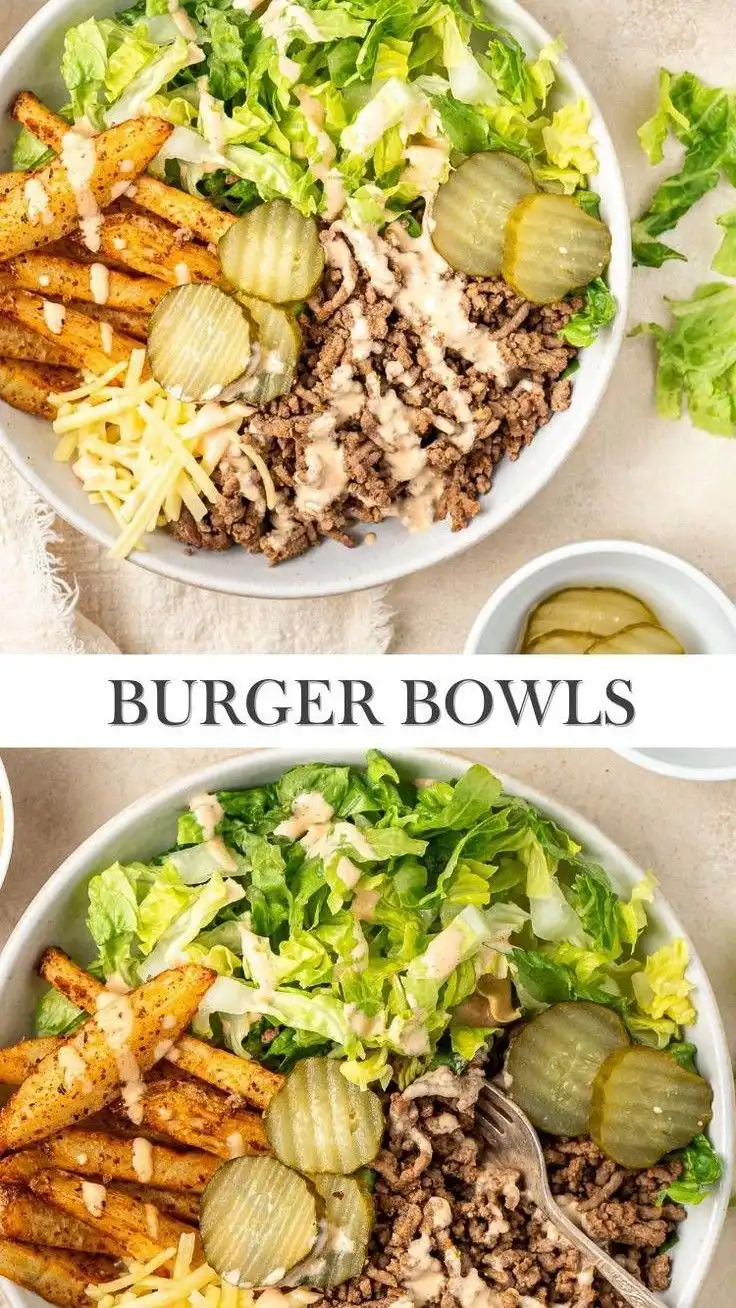
Burger Bowls are the ultimate modern twist on a classic American favorite—reimagined for today’s busy, health-conscious, and flavor-driven lifestyles. Ditch the bun, skip the greasy wrapper, and embrace a vibrant, nutrient-dense, and endlessly customizable bowl that delivers all the savory satisfaction of a gourmet cheeseburger—in a wholesome, grain-free, low-carb, or gluten-free format. Whether you’re meal prepping for the week, feeding picky eaters, accommodating dietary restrictions, or simply craving something hearty without the heaviness, Burger Bowls offer versatility, balance, and bold taste in every bite. Think juicy seasoned ground beef (or plant-based crumbles), rich melted cheese, crisp fresh veggies, zesty sauces, and satisfying textures—all artfully layered in a wide, shallow bowl for maximum visual appeal and eating enjoyment. They’re not just dinner—they’re a culinary canvas.
The History
While the classic hamburger traces its roots to late 19th-century America—with contested origins ranging from Hamburg, Germany (via German immigrants bringing “Hamburg steak”) to Connecticut diner legends like Louis Lassen—Burger Bowls are a distinctly 21st-century evolution born from multiple converging food movements. The rise of the “deconstructed” trend in fine dining during the early 2010s laid the groundwork: chefs began separating components of familiar dishes to highlight individual flavors and textures. Simultaneously, the explosion of paleo, keto, Whole30, and gluten-free lifestyles in the mid-2010s created massive demand for carb-conscious alternatives to traditional sandwiches. Social media platforms—especially Instagram and Pinterest—amplified the visual appeal of colorful, layered bowls, turning “bowls” into a cultural food category alongside grain bowls, Buddha bowls, and poke bowls. By 2017–2018, home cooks and food bloggers began tagging #BurgerBowl as a go-to solution for clean-eating families and fitness enthusiasts alike. Today, Burger Bowls appear on restaurant menus nationwide—from fast-casual concepts like Bareburger and The Counter to meal-kit services and dietitian-led wellness programs—proving that tradition and innovation can sizzle side by side.
Ingredients Breakdown
Every exceptional Burger Bowl starts with intentional, high-quality ingredients—each chosen for flavor, texture, nutrition, and synergy. Below is a comprehensive breakdown of core categories and why each matters:
- Protein Base: Ground beef (80/20 for juiciness, or 90/10 for leaner options), ground turkey, chicken, pork, lamb, bison, or plant-based alternatives (lentil-walnut crumbles, black bean & quinoa patties, or certified vegan crumbles). Grass-fed, organic, or regeneratively raised meats add omega-3s and richer flavor profiles.
- Aromatics & Seasonings: Fresh minced garlic, yellow or red onion (finely diced or caramelized), smoked paprika, Worcestershire sauce (vegan versions available), Dijon mustard, dry mustard powder, onion powder, garlic powder, black pepper, sea salt, and a touch of brown sugar or maple syrup for depth and caramelization.
- Cheese: Cheddar (sharp or white), American (for meltability), pepper jack (for heat), feta (for tangy brightness), goat cheese (creamy & earthy), or dairy-free shreds (made from cashews or coconut oil).
- Vegetable Foundation: A base layer that adds crunch, color, fiber, and freshness—think shredded romaine or iceberg lettuce, baby spinach, arugula, butter lettuce, or massaged kale. For heartier bowls: roasted sweet potatoes, cauliflower rice, zucchini noodles (zoodles), or even quinoa or farro (for non-low-carb versions).
- Toppings & Texture Enhancers: Pickles (dill, bread-and-butter, or spicy), red onion rings (quick-pickled for brightness), tomato wedges or heirloom slices, avocado or guacamole, sautéed mushrooms, grilled red peppers, crispy bacon bits, toasted sesame seeds, crushed nuts (walnuts, pecans), or sunflower seeds.
- Sauces & Drizzles: Classic burger sauce (mix of mayo, ketchup, mustard, pickle relish, onion, vinegar), chipotle aioli, sriracha mayo, tahini-lime drizzle, Greek yogurt ranch, miso-mustard glaze, or even a light apple cider vinaigrette for contrast.
- Garnishes: Fresh herbs (chives, parsley, cilantro), microgreens, jalapeño slices, everything bagel seasoning, flaky sea salt, or a dusting of nutritional yeast for umami and B-vitamins.
Each ingredient serves a purpose—not just flavor, but mouthfeel (crunch vs. creaminess), temperature contrast (cool avocado vs. warm meat), acidity (pickles, lemon juice) to cut richness, and visual harmony (rainbow layers = appetite appeal).
Step-by-Step Recipe
- Prep Your Components (Mise en Place): Finely dice ½ small yellow onion and 2 cloves garlic. Shred 1 cup romaine or butter lettuce. Slice ½ medium tomato, ¼ avocado, and 2 dill pickle chips. Measure out ¼ cup shredded cheddar, 1 tbsp Worcestershire, ½ tsp smoked paprika, ¼ tsp black pepper, and ½ tsp sea salt.
- Cook the Protein: Heat 1 tbsp avocado oil in a large nonstick skillet over medium-high heat. Add onions; sauté 3 minutes until translucent. Add garlic; cook 30 seconds until fragrant. Add 1 lb ground beef (or alternative). Break apart with a wooden spoon and cook 5–7 minutes until no pink remains and edges begin to crisp. Drain excess fat if desired (optional for richer flavor).
- Season & Build Flavor: Stir in Worcestershire, smoked paprika, salt, pepper, and 1 tsp Dijon mustard. Cook 2 more minutes to deepen flavors. Optional: add 1 tbsp tomato paste and stir 1 minute for umami richness.
- Melt the Cheese: Reduce heat to low. Sprinkle cheese evenly over meat. Cover skillet with a lid for 60–90 seconds until cheese softens and begins to melt into the crumbles. Remove from heat.
- Prep the Bowl Base: In four wide, shallow bowls (12–14 oz capacity), evenly divide the shredded lettuce—press gently to create a firm, cool foundation.
- Layer Warm Components: Spoon the hot, cheesy beef mixture generously over the lettuce—spreading it slightly to cover most of the base.
- Add Cool & Crunchy Toppings: Arrange tomato slices, avocado fans, pickle chips, and red onion rings in alternating sections around the perimeter or in artistic clusters over the top.
- Drizzle & Finish: Zigzag 1–2 tsp burger sauce or chipotle aioli across the surface. Sprinkle with chives, flaky salt, and a pinch of smoked paprika.
- Serve Immediately: Present bowls while warm—encourage stirring before eating to combine temperatures and textures. Offer extra sauce on the side for dipping or customizing.
Tips
- Don’t Overcrowd the Pan: Cook meat in batches if doubling the recipe—overcrowding steams instead of sears, leading to gray, soggy crumbles.
- Use Cold Meat for Better Crumble Texture: Chill ground meat for 15 minutes before cooking—it holds shape longer, allowing for better browning and less mush.
- Toast Your Spices: Briefly toast paprika, cumin, or chili powder in the pan before adding meat—this unlocks volatile oils and intensifies aroma.
- Acid Is Your Friend: A splash of apple cider vinegar or fresh lemon juice stirred into the finished meat brightens richness and balances fat—add just before serving.
- Batch-Cook & Freeze Smartly: Cook large batches of seasoned meat crumbles, portion into 1-cup freezer bags, and freeze flat. Thaw overnight and reheat with a splash of broth to retain moisture.
- Lettuce Matters More Than You Think: Iceberg offers crunch and neutrality; romaine adds mild sweetness; butter lettuce provides delicate folds ideal for holding sauce; spinach brings iron but wilts faster—choose based on your desired structure and nutrition goals.
- Warm Your Bowls: For restaurant-style presentation, briefly rinse bowls with hot water before assembling—keeps the meat warmer longer and prevents lettuce from wilting too quickly.
- Prep Toppings Ahead: Make quick-pickled red onions (thinly sliced red onion + ½ cup apple cider vinegar + 1 tbsp sugar + 1 tsp salt, refrigerated 30+ minutes) and herb-infused mayo (mix mayo with minced chives, garlic powder, lemon zest) for instant gourmet upgrades.
- Texture Contrast Checklist: Every bowl should have at least one element from each category: warm (meat), cool (avocado, lettuce), crunchy (pickles, onions, seeds), creamy (cheese, sauce, guac), and acidic/tangy (pickles, mustard, vinegar).
- Rest Before Serving: Let cooked meat rest off heat for 2–3 minutes—this allows juices to redistribute, preventing dryness when layered.
Variations and Customizations
Burger Bowls thrive on personalization—here’s how to tailor them for every palate, pantry, and plate:
Dietary-Specific Versions
- Keto-Friendly: Skip starchy toppings. Use full-fat cheese, avocado, bacon, sautéed mushrooms, and a creamy blue cheese or garlic-herb aioli. Serve over cauliflower rice or shredded cabbage.
- Paleo/Whole30: Replace Worcestershire (contains gluten/sugar) with coconut aminos + smoked paprika + date paste. Use compliant sauces (primal kitchen ranch, avocado crema). Top with roasted beets, jicama matchsticks, and macadamia nuts.
- Vegan/Vegetarian: Swap in black bean & walnut crumbles (sautéed with tamari, liquid smoke, and nutritional yeast), lentil-walnut patty crumbles, or store-bought soy-free crumbles. Use cashew queso, smashed avocado, and pickled carrots instead of cheese.
- Pescatarian: Substitute flaked grilled salmon or seared tuna crumbles seasoned with dill, lemon zest, and capers. Top with cucumber ribbons, dill pickles, and dill-yogurt sauce.
- Gluten-Free: Ensure Worcestershire is GF-certified (Lea & Perrins GF version), use tamari instead of soy sauce, and double-check spice blends for hidden gluten fillers.
Global-Inspired Twists
- Korean BBQ Burger Bowl: Marinate ground beef in gochujang, ginger, garlic, sesame oil, and pear purée. Top with kimchi slaw, scallions, toasted sesame seeds, and nori strips.
- Mexican Street Burger Bowl: Season meat with chipotle, cumin, oregano, and lime juice. Layer with black beans, corn salsa, pickled red onions, cotija cheese, and avocado crema.
- Mediterranean Burger Bowl: Use ground lamb or beef-lamb blend with mint, oregano, and lemon zest. Top with tzatziki, chopped cucumber-tomato salad (horiatiki style), kalamata olives, and crumbled feta.
- Thai Peanut Burger Bowl: Stir curry paste and coconut aminos into meat. Serve over shredded Napa cabbage with crushed peanuts, lime wedges, cilantro, and spicy peanut-lime sauce.
- Indian-Spiced Burger Bowl: Sauté meat with garam masala, turmeric, ginger, and ghee. Top with mango chutney, cucumber raita, fresh mint, and crispy fried shallots.
Lifestyle & Occasion Variations
- Breakfast Burger Bowl: Use breakfast sausage crumbles, top with a sunny-side-up egg, hash browns or roasted potatoes, cherry tomatoes, and sriracha hollandaise.
- Game Day Burger Bowl: Go big—add jalapeño popper filling (cream cheese + jalapeños), crispy onion straws, BBQ drizzle, and crushed tortilla chips.
- Kid-Friendly “Build-Your-Own” Bowl Bar: Set up stations with mild seasoned beef, shredded cheese, mini pickles, cherry tomatoes, shredded carrots, and mild ranch—let kids assemble their own with fun utensils and colorful bowls.
- Meal Prep Power Bowl: Portion cooked meat + roasted veggies (bell peppers, zucchini, red onion) + hard-boiled eggs + lemon-tahini drizzle in mason jars—store chilled up to 4 days. Assemble with fresh greens & avocado day-of.
- Low-Calorie Light Bowl: Use 95% lean turkey, double the leafy greens, add spiralized zucchini, top with salsa instead of cheese, and finish with lime juice and cilantro.
Health Considerations and Nutritional Value
Burger Bowls present a powerful opportunity to transform a traditionally indulgent dish into a nutritionally balanced, functional meal—when thoughtfully composed. Here’s what makes them a smart choice—and how to optimize for wellness:
Nutrient Density Highlights
- High-Quality Protein: 1 cup (approx. 140g) of cooked 80/20 ground beef delivers ~25g complete protein, plus bioavailable iron (heme iron), zinc, vitamin B12, and creatine—supporting muscle repair, immune function, and energy metabolism.
- Fiber-Rich Foundation: Leafy greens contribute insoluble and soluble fiber (2–4g per cup), promoting gut motility, microbiome diversity, and satiety. Adding roasted vegetables or legumes boosts prebiotic content.
- Heart-Healthy Fats: Avocado, olive oil-based dressings, and nuts/seeds supply monounsaturated fats and polyphenols shown to support arterial health and reduce inflammation.
- Phytonutrient Power: Tomatoes (lycopene), red onions (quercetin), garlic (allicin), and pickles (fermented probiotics) deliver antioxidant, anti-inflammatory, and antimicrobial compounds.
Smart Swaps for Specific Goals
- Lower Sodium? Skip pre-packaged seasonings and processed cheeses. Use homemade spice blends, low-sodium Worcestershire or coconut aminos, and fresh herbs instead of salt-heavy rubs.
- Blood Sugar Balance? Prioritize high-fiber, low-glycemic bases (kale, spinach, cabbage) over starchy grains. Pair with healthy fats and protein to slow glucose absorption—ideal for prediabetes or insulin resistance.
- Digestive Sensitivity? Fermented toppings (kimchi, sauerkraut, pickles) introduce beneficial bacteria. Avoid raw onions/cabbage if prone to bloating—swap in roasted sweet potato or zucchini noodles.
- Kidney Health? Choose lower-phosphorus cheeses (feta, cottage cheese), limit processed meats, and emphasize potassium-rich toppings (avocado, tomato, spinach) to support electrolyte balance.
- Autoimmune Support (AIP-compliant)? Use grass-fed ground beef, coconut aminos, garlic-infused olive oil, roasted vegetables, avocado, and fermented carrot sticks—eliminating nightshades, eggs, dairy, and nuts during elimination phase.
Nutrition Facts (Approximate Per Standard Serving – 1 Bowl)
- Calories: 520–780 (varies by meat choice, cheese amount, and toppings)
- Protein: 32–42g
- Fat: 34–48g (22–30g unsaturated)
- Carbohydrates: 12–24g (8–18g fiber)
- Vitamin A: 180% DV (from spinach, carrots, tomato)
- Vitamin C: 65% DV (from tomato, bell pepper, lemon)
- Iron: 35% DV (heme iron from beef + vitamin C for absorption)
- Calcium: 15–25% DV (from cheese, kale, fortified plant milks in sauces)
Note: Values assume moderate portions and whole-food ingredients—not ultra-processed substitutes. Always consult a registered dietitian for personalized medical nutrition therapy.
Ingredients
- 1 tablespoon avocado oil or olive oil
- ½ small yellow onion, finely diced
- 2 cloves garlic, minced
- 1 pound high-quality ground beef (80/20 recommended) or plant-based alternative
- 1 tablespoon Worcestershire sauce (gluten-free if needed)
- 1 teaspoon Dijon mustard
- ½ teaspoon smoked paprika
- ½ teaspoon sea salt
- ¼ teaspoon freshly ground black pepper
- ¼ cup sharp cheddar cheese, shredded
- 4 cups shredded romaine or butter lettuce
- 1 medium ripe tomato, sliced into thin wedges
- ½ medium avocado, thinly sliced or diced
- 4 dill pickle chips (or 2 tbsp chopped dill pickles)
- ¼ cup thinly sliced red onion (quick-pickled preferred)
- ¼ cup classic burger sauce or chipotle aioli (see recipe notes)
- 2 tablespoons chopped fresh chives or parsley
- Flaky sea salt, for finishing
Directions
- Heat avocado oil in a large skillet over medium-high heat. Add diced onion and sauté for 2–3 minutes until softened and translucent.
- Add minced garlic and cook for 30 seconds, stirring constantly to prevent burning.
- Add ground beef to the skillet. Using a wooden spoon or spatula, break the meat into small, even crumbles. Cook for 5–7 minutes, stirring occasionally, until fully browned and no pink remains. If using lean meat, avoid over-draining—some fat enhances flavor and mouthfeel.
- Stir in Worcestershire sauce, Dijon mustard, smoked paprika, sea salt, and black pepper. Cook for an additional 2 minutes to allow spices to bloom and flavors to meld.
- Reduce heat to low. Sprinkle shredded cheddar evenly over the hot meat mixture. Cover skillet with a lid and let steam for 60–90 seconds, until cheese begins to melt and adhere to the crumbles.
- While meat rests, prepare your bowl base: evenly divide shredded lettuce among four wide, shallow serving bowls (approx. 12 oz each).
- Spoon the warm, cheesy beef mixture over the lettuce, spreading gently to cover.
- Arrange tomato wedges, avocado slices, pickle chips, and red onion rings attractively over the top—layer in sections or scatter for rustic charm.
- Drizzle generously with burger sauce or aioli in a zigzag or circular pattern.
- Finish with a sprinkle of fresh chives or parsley and a light dusting of flaky sea salt.
- Serve immediately while warm, encouraging diners to stir gently before enjoying to blend temperatures and textures.
FAQ
Can I make Burger Bowls ahead of time?
Absolutely—but layer strategically. Cook and season the meat up to 4 days ahead and store chilled in an airtight container. Wash and spin-dry lettuce, then store between paper towels in a sealed container (up to 5 days). Keep toppings like avocado, tomato, and sauce separate until serving to maintain freshness and prevent sogginess. Assemble bowls within 30 minutes of eating for best texture.
What’s the best ground meat for juiciness and flavor?
For classic burger flavor and tenderness, 80/20 ground beef (80% lean, 20% fat) is ideal—it renders beautifully and stays moist. For higher protein and lower saturated fat, try 90/10 grass-fed beef or ground turkey thigh (not breast, which dries out easily). Bison and lamb offer rich, mineral-forward notes but benefit from added moisture—mix in 1 tsp olive oil or grated apple per pound.
How do I keep my lettuce from getting soggy?
Three key tactics: (1) Pat lettuce *completely dry* after washing—use a salad spinner and blot with paper towels; (2) Layer lettuce *first*, then warm meat *gently*—don’t pile piping-hot crumbles directly onto cold greens; (3) Serve bowls immediately—or place a small folded parchment round beneath the lettuce layer to act as a moisture barrier.
Can I freeze Burger Bowl components?
Yes! Cooked, seasoned meat crumbles freeze exceptionally well for up to 3 months. Portion into 1-cup servings in freezer-safe bags, press air out, and freeze flat for quick thawing. Thaw overnight in fridge or reheat from frozen in a skillet with 1 tbsp broth or water to restore tenderness. Lettuce, avocado, and fresh herbs should never be frozen—but roasted veggies, sauces, and cooked grains hold up beautifully.
Are Burger Bowls suitable for weight loss?
They absolutely can be—when built intentionally. Focus on lean protein (93% lean beef, turkey, or lentils), double the non-starchy vegetables (spinach, broccoli, peppers), choose whole-food fats (¼ avocado, 1 tsp olive oil), and limit high-calorie toppings (cheese, bacon, creamy sauces). Tracking portions helps—aim for ~25g protein, 15g healthy fat, and ≤20g net carbs per bowl. Their high-volume, high-fiber nature also promotes satiety and reduces snacking later.
My sauce keeps separating—how do I fix that?
Emulsification is key. When making homemade burger sauce or aioli, whisk mustard into the oil *very slowly*, drop by drop at first, while continuously whisking vigorously. Mustard acts as a natural emulsifier. Alternatively, blend all sauce ingredients in a small food processor or immersion blender for 30 seconds—this creates a stable, creamy suspension that won’t split. Store in a sealed jar in the fridge for up to 10 days.
What are kid-friendly topping swaps?
Swap dill pickles for sweet gherkins or banana peppers; replace raw red onion with caramelized onions or roasted shallots; use mild Monterey Jack instead of sharp cheddar; add shredded carrots or peas for color and nutrients; serve with a side of whole-grain crackers or baked sweet potato fries for dipping. Let kids choose 3 toppings from a “topping rainbow chart” to encourage autonomy and reduce resistance.
Can I make a vegetarian Burger Bowl that’s still protein-packed?
Yes—focus on complementary plant proteins. Try a blend of cooked brown lentils + walnuts + sautéed mushrooms + oats (as binder) + tamari + smoked paprika. Or use black beans + quinoa + corn + cumin + lime zest. Top with hemp seeds, pumpkin seeds, nutritional yeast, or crumbled tofu “feta.” Each variation delivers 18–24g complete or near-complete protein per bowl.
Why does my meat taste bland even with seasoning?
Underseasoning is common—but so is undercooking for flavor development. Ensure you’re using enough salt (1 tsp per pound is standard), and don’t skip the Maillard reaction: let meat sit undisturbed for 1–2 minutes before stirring to allow deep browning. Also, taste *after* cooking and adjust: a splash of acid (vinegar, lemon), umami booster (soy sauce, tomato paste), or sweetness (maple syrup, date paste) can elevate flat flavors instantly.
What wine or beverage pairs well with Burger Bowls?
For beef-based bowls: a medium-bodied Zinfandel or Malbec complements the richness. For turkey or plant-based versions: try a chilled Rosé or sparkling water with lemon and mint. Non-alcoholic pairings include hibiscus iced tea (tart & refreshing), kombucha (for digestive synergy), or cold-brew coffee with oat milk (for deep umami resonance).
Summary
Burger Bowls reinvent the beloved burger as a vibrant, nutrient-dense, and infinitely adaptable grain-free meal—uniting bold savory flavors, textural contrasts, and smart nutrition in every colorful, satisfying bite. From weeknight simplicity to global gourmet flair, they empower home cooks to nourish deeply while celebrating joy, creativity, and culinary freedom.
Whether you’re keto-curious, plant-powered, family-focused, or simply seeking dinner inspiration that’s easy, elegant, and utterly delicious—your next great meal is already waiting, beautifully layered, in a bowl.