Introduction
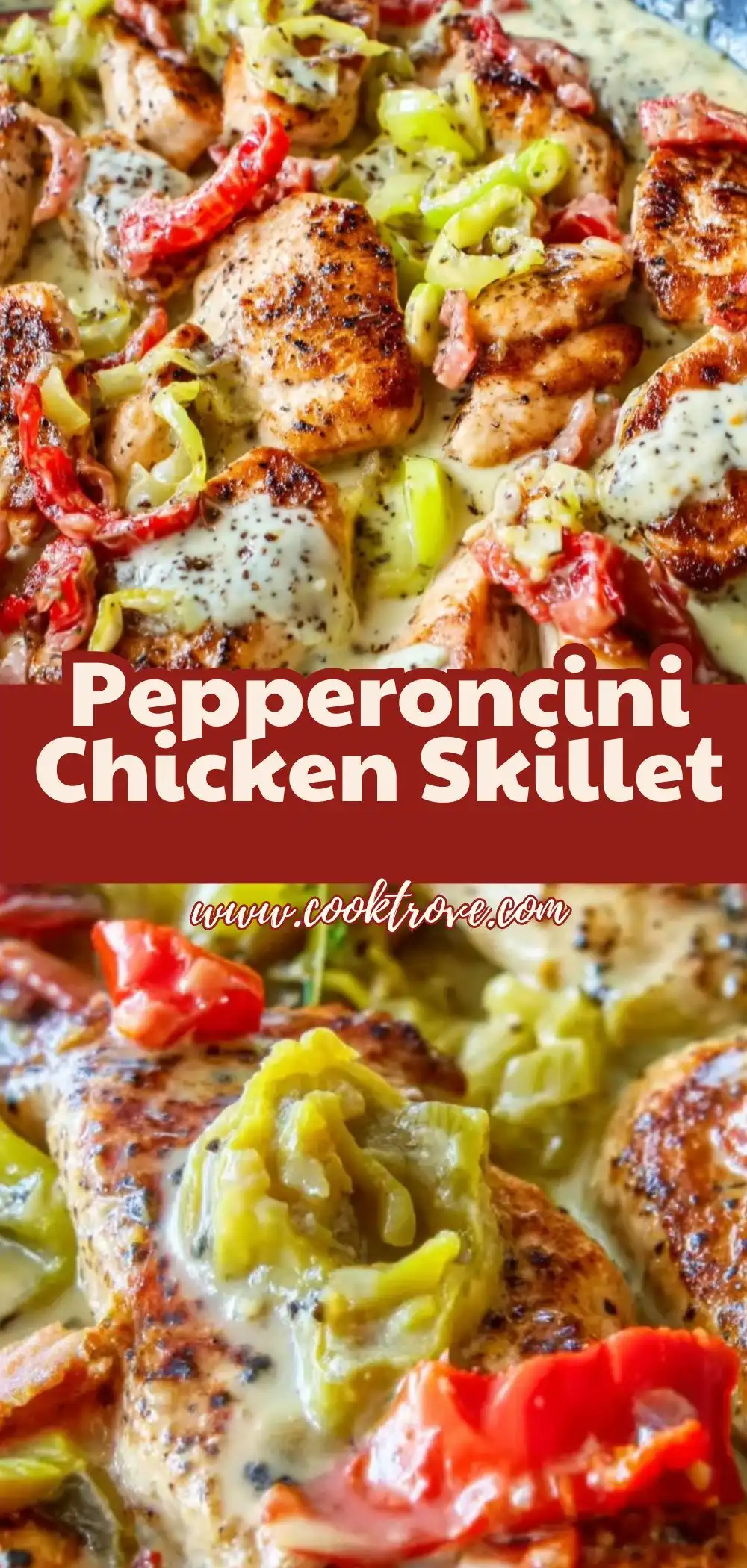
Welcome to the ultimate weeknight savior: the Creamy Banana Pepper Chicken Skillet. This vibrant, flavor-packed one-pan dish delivers bold tang, gentle heat, rich creaminess, and tender chicken—all in under 30 minutes. Designed for busy home cooks who refuse to sacrifice taste for speed, it transforms humble pantry staples and a jar of banana peppers into something restaurant-worthy and deeply satisfying. Whether you’re meal prepping for the week, feeding a hungry family, or craving comfort with a zesty twist, this skillet checks every box: minimal cleanup, maximum flavor, and zero compromise on freshness or texture.
The History
While banana peppers themselves trace their roots to Central and South America—where Capsicum annuum cultivars were first domesticated over 6,000 years ago—their modern culinary rise began in the United States in the early 20th century. Named not for their flavor but for their curved, yellowish-green shape reminiscent of small bananas, these mild, crisp peppers gained popularity in delis, pickling jars, and Southern-inspired cooking. The fusion of banana peppers with creamy pan sauces and quick-cooked poultry emerged organically from American home kitchens in the 1980s and ’90s—driven by the growing availability of jarred pickled peppers, the rise of “gourmet convenience” ingredients (like cream cheese and half-and-half), and the cultural shift toward faster, more flavorful weeknight meals. This skillet is a loving evolution of that tradition: honoring the pepper’s bright acidity while elevating it with velvety dairy, savory herbs, and perfectly seared chicken breast or thigh—a true testament to resourceful, joyful, everyday cooking.
Ingredients Breakdown
Every ingredient in this skillet serves a distinct, intentional purpose—no filler, no afterthoughts:
- Chicken breast or thighs: Lean, versatile protein that absorbs flavors beautifully. Thighs offer extra juiciness and forgiving cook time; breasts deliver classic lightness. Uniform dicing ensures even cooking and optimal sauce adhesion.
- Banana peppers (jarred, sliced): The star! Mildly tangy, slightly sweet, and refreshingly crunchy—even when cooked, they retain subtle bite and brightness. Their vinegar brine doubles as a flavor booster for the sauce.
- Garlic & onion: Aromatic foundations. Yellow onions provide sweetness and body; fresh minced garlic adds pungent depth that mellows into umami richness during sautéing.
- Heavy cream or full-fat coconut milk (for dairy-free): Builds luxurious mouthfeel and balances acidity. Heavy cream yields classic richness; coconut milk adds subtle tropical nuance and works seamlessly for vegan adaptations.
- Cream cheese (full-fat, block-style): The secret thickener and flavor amplifier. It melts into silky ribbons, lending subtle tang and velvety body—far superior to flour or cornstarch for this application.
- Dijon mustard: Adds complex acidity, depth, and a whisper of spice that harmonizes with the peppers without overpowering.
- Fresh herbs (dill + parsley): Dill’s grassy-anise notes complement banana peppers exquisitely; parsley brings clean, verdant freshness and visual pop. Both are stirred in at the end to preserve aroma and color.
- Lemon zest & juice: Brightens the entire dish, cutting through richness and amplifying the peppers’ natural citrusy undertones.
- Smoked paprika & black pepper: Not heat-driven, but flavor-driven—smoked paprika lends earthy warmth and subtle char; freshly cracked black pepper adds aromatic spice and dimension.
Optional but highly recommended: a splash of the banana pepper brine for extra tang, a handful of baby spinach for hidden greens, or toasted pine nuts for textural contrast.
Step-by-Step Recipe
- Prep & Mise en Place (5 min): Dice chicken into ¾-inch cubes. Finely chop yellow onion and mince garlic. Drain banana peppers, reserving 1 tbsp brine. Zest and juice ½ lemon. Measure all spices, dairy, and herbs. Having everything ready ensures seamless, stress-free cooking.
- Sear the Chicken (6–7 min): Heat 1.5 tbsp olive oil in a large, heavy-bottomed skillet (12-inch cast iron or stainless steel preferred) over medium-high heat. Pat chicken dry, season generously with salt, smoked paprika, and black pepper. Sear undisturbed for 3–4 minutes until golden-brown and lightly caramelized. Flip and cook 2–3 more minutes until just cooked through (165°F internal temp). Transfer to a clean plate—do not wash skillet.
- Sauté Aromatics (3–4 min): Reduce heat to medium. Add remaining ½ tbsp oil if needed, then add onions. Sauté 2 minutes until softened and translucent. Stir in garlic and cook 60 seconds—just until fragrant (do not brown). Deglaze with reserved banana pepper brine, scraping up all browned bits (fond) for maximum flavor.
- Build the Creamy Base (4 min): Lower heat to medium-low. Add cream cheese in small cubes, stirring constantly with a wooden spoon or silicone spatula. Let melt slowly, incorporating gradually—this prevents clumping. Whisk in Dijon mustard, then slowly drizzle in heavy cream while whisking continuously. Simmer gently (do not boil) for 2–3 minutes until sauce begins to thicken and coat the back of a spoon.
- Combine & Simmer (3 min): Return chicken to skillet along with banana peppers. Gently fold to coat. Reduce heat to low and simmer uncovered for 2–3 minutes—just enough to warm through and allow flavors to meld. Avoid prolonged boiling, which can cause dairy to separate.
- Finish & Garnish (1 min): Remove from heat. Stir in lemon zest, lemon juice, and half the dill and parsley. Taste and adjust: more salt? A pinch of sugar to balance acidity? A dash of hot sauce for extra kick? Fold in baby spinach now if using—it wilts instantly. Serve immediately, garnished with remaining herbs and an extra sprinkle of smoked paprika.
Tips
- Chicken Prep Matters: Always pat chicken *very* dry before seasoning and searing—this guarantees proper browning and prevents steaming.
- Low & Slow for Dairy: Never rush the cream cheese or cream integration. High heat = grainy, broken sauce. Gentle melting preserves silkiness.
- Reserve That Brine!: The tangy, vinegary liquid from the jar isn’t waste—it’s liquid gold for deglazing and balancing richness.
- Don’t Overcook the Peppers: Add them late in the process to retain their signature crunch and brightness. Prolonged simmering makes them mushy and dulls their flavor.
- Skillet Choice Counts: Cast iron retains heat beautifully for searing and gentle simmering. Nonstick works, but won’t deliver the same fond or browning depth.
- Rest Before Serving: Let the skillet sit off heat for 2 minutes before serving—this allows the sauce to settle and thicken slightly, and flavors to deepen.
- Double the Batch, Freeze Smart: This recipe freezes *exceptionally* well (without fresh herbs or lemon). Cool completely, portion into airtight containers, freeze up to 3 months. Thaw overnight in fridge, reheat gently on stove with a splash of cream or broth.
- Perfect Rice Companion: Serve over jasmine rice, cilantro-lime quinoa, or creamy polenta—not just as a base, but as a flavor sponge that soaks up every drop of that luscious sauce.
Variations and Customizations
This skillet is endlessly adaptable—here’s how to make it your own:
- Protein Swaps: Try ground turkey (browned and drained), grilled shrimp (added at the very end), shredded rotisserie chicken (reduces cook time to 10 minutes), or crispy tofu (for vegan version—use coconut milk + nutritional yeast instead of cream cheese).
- Pepper Play: Mix in 1–2 chopped jalapeños (seeds removed) for mild heat, or substitute roasted red peppers for sweetness and smokiness. For crunch-lovers, add ¼ cup diced celery with the onions.
- Dairy-Free / Vegan: Use full-fat coconut milk + 2 tbsp raw cashew butter (soaked & blended smooth) instead of cream cheese + heavy cream. Add 1 tsp apple cider vinegar for tang. Garnish with avocado slices and lime wedges.
- Herb Alternatives: Tarragon pairs elegantly with banana peppers; chives add delicate oniony freshness; basil introduces Mediterranean flair (especially with cherry tomatoes).
- Grain & Veg Twists: Stir in ½ cup cooked farro or barley for heartiness; fold in 1 cup roasted zucchini or cherry tomatoes during final simmer; top with crumbled feta or goat cheese for salty creaminess.
- Breakfast Reinvention: Skip the chicken—scramble eggs directly into the warm sauce, garnish with chives and hot sauce. Yes, it’s that good.
- Meal Prep Magic: Divide into 4 portions. Store sauce + peppers separately from cooked chicken for up to 4 days. Reheat components individually, then combine—keeps textures perfect.
Health Considerations and Nutritional Value
Nutritionally, this dish strikes a thoughtful balance between indulgence and wellness—without feeling restrictive or “diet-y.” A standard serving (1⅓ cups over ½ cup cooked brown rice) contains approximately:
- Calories: ~520–580 (varies by chicken cut, dairy choice, and added grains)
- Protein: 38–42g (excellent satiety support; meets >75% of average adult daily needs)
- Fat: 28–32g (mostly unsaturated from olive oil and natural dairy fats; includes beneficial CLA from grass-fed dairy options)
- Carbs: 26–30g (primarily from vegetables, peppers, and whole grains—if used; low-glycemic and fiber-rich)
- Fiber: 4–6g (from onions, peppers, optional spinach or whole grains)
- Vitamins & Minerals: Rich in B6 (chicken), vitamin C (banana peppers, lemon), calcium & vitamin D (fortified dairy), and antioxidants (garlic, paprika, lemon zest).
Health Highlights:
- No added sugars: Banana peppers are naturally low-sugar; avoid brands with high-fructose corn syrup in brine—opt for vinegar/water/salt-only labels.
- Anti-inflammatory support: Garlic, turmeric (add ¼ tsp if desired), lemon, and olive oil all contribute polyphenols and compounds linked to reduced inflammation.
- Gut-friendly potential: Fermented banana pepper brine may contain beneficial probiotics—especially if unpasteurized (check label).
- Lower-sodium option: Rinse peppers briefly to reduce sodium by ~30%; use low-sodium broth instead of brine if needed.
- Keto-friendly adaptation: Omit rice, increase healthy fats (avocado, extra olive oil), and serve with cauliflower rice or roasted broccoli—net carbs drop to ~8g per serving.
As always, consult with a registered dietitian for personalized guidance—especially for specific dietary needs like diabetes management, hypertension, or food sensitivities.
Ingredients
- 1.5 lbs boneless, skinless chicken breasts or thighs, cut into ¾-inch cubes
- 2 tbsp extra-virgin olive oil, divided
- 1 medium yellow onion, finely diced
- 4 cloves garlic, minced
- 1 (12 oz) jar banana peppers, drained (reserve 1 tbsp brine)
- 8 oz full-fat brick cream cheese, cut into ½-inch cubes
- 1 cup heavy cream (or full-fat coconut milk for dairy-free)
- 2 tbsp Dijon mustard
- 1 tsp smoked paprika
- ½ tsp freshly ground black pepper
- 1½ tsp kosher salt (plus more to taste)
- Zest and juice of ½ medium lemon
- ¼ cup fresh dill, chopped (plus extra for garnish)
- ¼ cup fresh flat-leaf parsley, chopped (plus extra for garnish)
- Optional: 2 cups baby spinach, 2 tbsp toasted pine nuts, ½ cup cooked brown rice or quinoa
Directions
- Pat chicken dry with paper towels. Season evenly with 1 tsp salt, smoked paprika, and black pepper.
- Heat 1.5 tbsp olive oil in a 12-inch skillet over medium-high heat. Add chicken in a single layer. Sear 3–4 minutes without stirring, then flip and cook 2–3 minutes more until golden and cooked through (165°F). Transfer to a plate; cover loosely.
- Reduce heat to medium. Add remaining ½ tbsp oil. Sauté onion 2 minutes until soft. Stir in garlic; cook 60 seconds until fragrant. Pour in reserved banana pepper brine, scraping up browned bits.
- Reduce heat to medium-low. Add cream cheese cubes. Stir constantly until fully melted and smooth (~2 minutes). Whisk in Dijon mustard, then slowly drizzle in heavy cream, whisking continuously.
- Simmer gently 2–3 minutes until sauce thickens slightly and coats spoon. Stir in lemon zest and juice.
- Return chicken and banana peppers to skillet. Fold gently to coat. Simmer 2 minutes on low heat—do not boil.
- Remove from heat. Stir in dill and parsley. Taste and adjust seasoning. Fold in spinach now if using (it wilts instantly).
- Serve hot over rice, quinoa, or polenta. Garnish with extra herbs, a lemon wedge, and optional pine nuts.
FAQ
- Can I use frozen chicken?
- Yes—but thaw completely first for even cooking and best texture. If short on time, use the “cold water thaw” method (sealed bag submerged in cold water for 30–45 min). Never cook frozen chicken directly in this skillet—it lowers pan temperature too much and leads to steaming vs. searing.
- What if my sauce breaks or looks curdled?
- Don’t panic! This usually happens from overheating or adding cold dairy to hot base. Immediately remove from heat, whisk in 1 tsp cold cream or lemon juice, and stir vigorously off-heat for 30 seconds. If needed, blend with an immersion blender for 10 seconds—it’ll re-emulsify instantly.
- Can I make this ahead of time?
- Absolutely—and it often tastes *better* the next day as flavors marry. Store cooled in airtight container up to 4 days. Reheat gently on stove over low heat with 1–2 tbsp broth or cream to restore silkiness. Avoid microwaving uncovered—it can cause separation.
- Are banana peppers spicy?
- Not really—they rank 0–500 on the Scoville scale (compared to jalapeños at 2,500–8,000). They’re mild, slightly sweet, and tangy. If you’re extremely sensitive, rinse them well or opt for “mild” labeled jars. For heat lovers, add a pinch of cayenne or chipotle powder with the paprika.
- Can I use low-fat cream cheese or milk?
- We strongly advise against it. Low-fat dairy lacks the fat necessary for emulsification and richness—resulting in a thin, watery, or grainy sauce. Full-fat is non-negotiable for texture and flavor integrity. For lighter versions, simply reduce portion size and add extra veggies.
- What sides pair best?
- Classic pairings include steamed jasmine or brown rice, garlic mashed potatoes, buttered egg noodles, or crusty sourdough for soaking. For low-carb: roasted asparagus, zucchini noodles, or a simple arugula salad with lemon vinaigrette.
- Is this gluten-free?
- Yes—naturally! Just verify your Dijon mustard and banana pepper brand are certified GF (most major ones are, but some contain malt vinegar or wheat-based thickeners).
- Can I freeze leftovers?
- Yes! Cool completely, portion into freezer-safe containers (leave ½-inch headspace), and freeze up to 3 months. Thaw overnight in fridge. Reheat slowly on stove with splash of cream or broth—stirring constantly. Do not freeze with fresh herbs or lemon—they lose vibrancy.
Summary
The Creamy Banana Pepper Chicken Skillet is a lightning-fast, one-pan triumph—bursting with bright tang, velvety richness, and savory depth, all anchored by tender, perfectly seasoned chicken.
Effortless to prepare, endlessly customizable, nutritionally balanced, and beloved by kids and adults alike, it’s the reliable, flavorful, no-stress weeknight dinner you’ll make on repeat.