Introduction
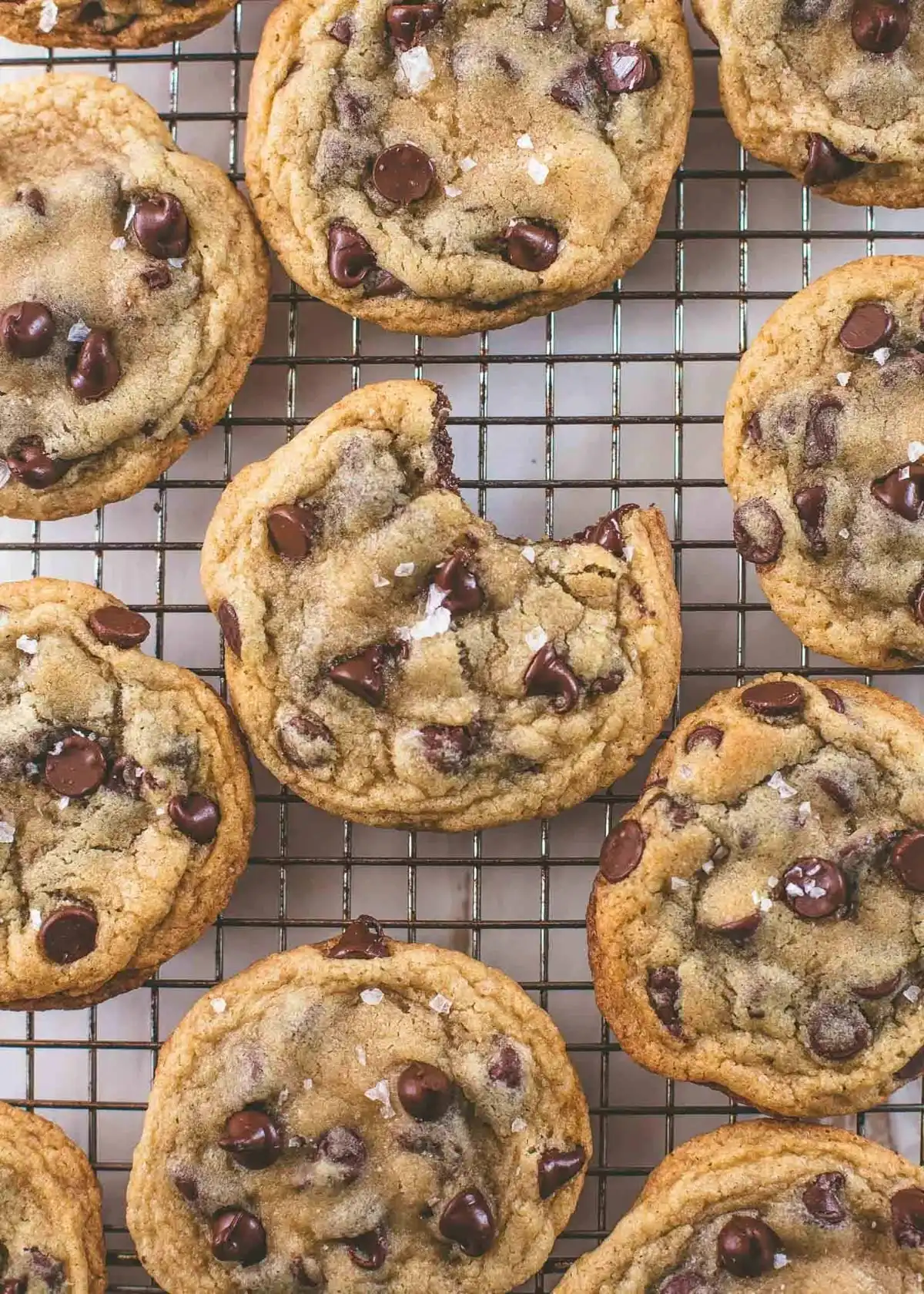
There’s a universal truth beloved by bakers and cookie enthusiasts alike: the perfect chocolate chip cookie strikes an exquisite balance—crisp at the edges, tender and chewy in the center, with pockets of molten chocolate that bloom like warm, rich constellations across every golden-brown surface. Crispy and chewy chocolate chip cookies aren’t just a dessert—they’re a sensory experience, a nostalgic comfort, and a testament to the alchemy of simple ingredients transformed through precise technique. This guide dives deep into crafting *the* definitive version: cookies that deliver audibly crisp exteriors, yielding to luxuriously soft, slightly underbaked centers; cookies that hold their shape without spreading too thin, yet remain pliable enough to bend without snapping; cookies that taste deeply caramelized, buttery, and complex—not overly sweet, but profoundly satisfying. Whether you’re a seasoned home baker refining your signature batch or a curious beginner seeking foolproof mastery, this comprehensive resource is engineered for success—every time.
The History
The origin story of the chocolate chip cookie is as iconic—and deliciously debated—as the cookie itself. Invented in 1938 by Ruth Wakefield, owner of the Toll House Inn in Whitman, Massachusetts, the now-legendary “Toll House Chocolate Crunch Cookie” was born from culinary improvisation, not intention. While preparing her popular Butter Drop Do cookies—a traditional drop cookie made with baker’s chocolate—Wakefield substituted a chopped Nestlé semi-sweet chocolate bar, expecting it to melt evenly into the dough. To her surprise, the chocolate held its shape in gooey, irregular morsels, creating a revolutionary textural contrast. Recognizing the magic, she struck a landmark deal with Nestlé: in exchange for printing her recipe on their chocolate bar packaging (and granting them exclusive rights to the name “Toll House”), she received a lifetime supply of chocolate. By 1939, Nestlé introduced the first pre-chopped “semi-sweet chocolate morsels,” cementing the cookie’s place in American baking history. Yet the evolution didn’t stop there. The pursuit of the *ideal* texture—crisp *and* chewy—has driven decades of experimentation: from early debates over brown vs. white sugar ratios, to the rise of the “rested dough” movement popularized by Cook’s Illustrated in the 1990s, to modern innovations like sous-vide butter melting and overnight refrigeration. Today, the crispy-chewy dichotomy represents the pinnacle of cookie craftsmanship—a delicate equilibrium achieved not by accident, but by understanding the science behind each ingredient and step.
Ingredients Breakdown
Every ingredient in this recipe serves a precise, science-backed function—none are arbitrary. Understanding *why* each is included empowers you to troubleshoot, adapt, and elevate your results:
- Unsalted Butter (1 cup / 227g, softened but cool): Provides richness, flavor, and structure. Its water content creates steam during baking—critical for lift and spread control. Using unsalted butter ensures precise salt control. “Softened but cool” (65–68°F) is key: too warm = greasy, flat cookies; too cold = poor creaming = dense texture.
- Granulated Sugar (¾ cup / 150g): Adds sweetness, promotes spreading, and contributes to crispness via caramelization. Its fine crystals dissolve easily and create air pockets during creaming, aiding leavening.
- Packed Light Brown Sugar (¾ cup / 165g): The secret weapon for chewiness. Its molasses content adds moisture, acidity (which strengthens gluten for elasticity), and deep caramel notes. Packing ensures consistency—don’t scoop loosely!
- Large Eggs (2, room temperature): Bind the dough, add moisture and structure (via proteins), and contribute to lift (emulsification). Room temperature eggs incorporate more smoothly and prevent re-hardening the butter.
- Pure Vanilla Extract (2 tsp): Enhances complexity and balances sweetness. Use real vanilla—not imitation—for aromatic depth.
- All-Purpose Flour (2¼ cups / 280g, spooned & leveled): Provides gluten for structure. Too much = tough cookies; too little = fragile spread. Spooning and leveling prevents compaction and over-measuring—a common cause of dryness.
- Baking Soda (1 tsp): A fast-acting leavener activated by the brown sugar’s acidity. It creates carbon dioxide bubbles for lift and promotes browning (Maillard reaction), essential for crisp edges.
- Coarse Sea Salt (1 tsp, plus flaky salt for finishing): Balances sweetness, enhances all flavors, and controls gluten development. Coarse salt dissolves slowly, ensuring even distribution. A sprinkle of flaky Maldon or fleur de sel *after* baking intensifies the salty-sweet contrast.
- High-Quality Semi-Sweet Chocolate (12 oz / 340g, chopped into uneven ½-inch pieces): Chopping bars (not using chips) yields superior melt, richer cocoa flavor, and varied textures—from large puddles to tiny shards. Look for 54–62% cacao. Chips contain stabilizers that resist melting, compromising chewiness.
Why NOT add baking powder? Baking soda alone provides the ideal rise and browning profile for this texture goal. Baking powder adds unnecessary acidity and can cause excessive puffing, leading to cakey centers instead of chewy ones.
Step-by-Step Recipe
This method is meticulously calibrated for maximum crisp/cheewy contrast—no shortcuts, no guesswork:
- Prepare & Chill Equipment: Place your mixing bowl and paddle attachment in the freezer for 10 minutes. Cold tools prevent butter from overheating during creaming.
- Cream Butter & Sugars (3–4 mins): In the chilled bowl, beat softened butter, granulated sugar, and brown sugar on medium-low speed until *light, fluffy, and pale* (not just combined!). Scrape bowl thoroughly. This incorporates air for lift and ensures sugars fully dissolve for even browning.
- Add Eggs & Vanilla (2 mins): Beat in eggs one at a time, fully incorporating each before adding the next. Add vanilla and beat until smooth. The mixture should be cohesive, glossy, and slightly thickened.
- Whisk Dry Ingredients Separately: In a separate bowl, whisk flour, baking soda, and coarse salt until fully homogenous. This prevents clumping and ensures even leavening.
- Gradual Dry Incorporation (Low Speed): With mixer on low, add dry ingredients in *three equal portions*, mixing only until *just* no streaks remain after each addition. Overmixing develops gluten = tough cookies. Stop while dough still looks shaggy.
- Fold in Chocolate (By Hand): Using a flexible spatula, gently fold in chopped chocolate until evenly distributed. Avoid over-folding—chocolate should retain distinct pieces.
- Chill Dough (Non-Negotiable – 24–72 Hours): Divide dough into two equal portions. Flatten each into 1-inch-thick discs. Wrap tightly in parchment paper, then plastic wrap. Refrigerate for *at least 24 hours, ideally 48–72*. This hydrates the flour (improving chew), solidifies butter (preventing overspread), and concentrates flavors. Dough may seem very firm—this is correct.
- Preheat & Prep (30 mins before baking): Position oven racks in upper and lower thirds. Preheat oven to 375°F (190°C). Line two half-sheet pans (13″x18″) with parchment paper—*never* silicone mats (they insulate, preventing crisp bottoms).
- Scoop & Shape: Using a 3-tablespoon (1.5-oz) ice cream scoop, portion dough onto prepared pans, spacing 3 inches apart. Gently roll each portion into a *tight, smooth ball*—this creates surface tension for defined edges. Optional: Press 2–3 extra chocolate pieces onto top of each ball for visual appeal.
- Bake Strategically (Rotating & Timing): Bake one pan at a time on center rack for 11–12 minutes, rotating pan front-to-back at 6 minutes. Cookies are done when edges are deeply golden brown and set, centers look *soft, puffed, and slightly underdone* (they’ll sink and set as they cool). The bottoms should be rich amber—not pale. Do not overbake.
- Cool Completely on Pan: Remove pan from oven. Let cookies rest on hot pan for 10 full minutes. This allows residual heat to finish cooking centers while setting structure. Then, carefully transfer to a wire rack to cool completely (20+ mins). They will crisp further as they cool.
Tips
- Butter Temperature is Everything: Test with your finger—if it leaves a slight indentation but doesn’t sink in, it’s perfect. Microwave “softening” leads to uneven melting. Cut cold butter into tablespoons and let sit 15–20 mins at room temp.
- Weigh Your Ingredients: Volume measurements vary wildly. A kitchen scale ensures precision—especially critical for flour and sugar ratios affecting texture.
- Chill Dough Longer, Not Shorter: 72 hours yields deeper caramel notes and superior chew. If short on time, freeze dough balls for 1 hour before baking—but never skip chilling entirely.
- Oven Thermometer Required: Most ovens run hot or cold. An accurate thermometer ensures consistent browning and spread.
- Rotate Pans Mid-Bake: Home ovens have hot spots. Rotating guarantees even browning and crispness on all sides.
- Don’t Rush the Cool: Moving cookies before 10 minutes on the pan causes breakage and prevents proper setting. Patience = structural integrity.
- Store for Optimal Texture: Keep cooled cookies in an airtight container with a slice of plain white bread. The bread releases moisture, keeping centers chewy for up to 5 days. For longer storage, freeze baked cookies (up to 3 months) or dough balls (up to 3 months—bake frozen, +1–2 mins).
- Use Heavy-Duty Pans: Thin pans warp and conduct heat poorly, causing uneven baking. Invest in commercial-grade aluminum half-sheet pans.
Variations and Customizations
Once you master the base, explore these chef-tested twists—all designed to preserve the crispy-chewy core:
- Dark Chocolate & Sea Salt: Swap semi-sweet for 70% dark chocolate. After baking, sprinkle generously with flaky sea salt while cookies are still warm.
- Double Chocolate: Replace ¼ cup flour with unsweetened cocoa powder (Dutch-process preferred). Add ½ cup mini chocolate chips for extra melty pockets.
- Oatmeal Chocolate Chip: Reduce flour to 1¾ cups. Add 1 cup old-fashioned rolled oats (not instant) with dry ingredients. Adds hearty chew and nuttiness.
- Peanut Butter Swirl: After scooping dough balls, press ½ tsp creamy peanut butter into center of each. Fold dough over and reshape into ball. Creates gooey, savory pockets.
- Espresso-Infused: Dissolve 1 tbsp instant espresso powder in vanilla extract before adding. Deepens chocolate flavor without bitterness.
- Gluten-Free: Substitute 1:1 GF all-purpose blend (like King Arthur Measure for Measure). Add ½ tsp xanthan gum if blend doesn’t include it. Chill dough 48+ hours for best structure.
- Vegan: Use vegan butter (Miyoko’s or Earth Balance), flax eggs (2 tbsp ground flax + 6 tbsp water, rested 5 mins), and dairy-free chocolate. Chill dough 72 hours—vegan dough benefits immensely from hydration time.
- Spiced: Add 1 tsp ground cinnamon + ¼ tsp ground cardamom to dry ingredients. Complements brown sugar’s warmth beautifully.
Note on Add-Ins: Always fold in additions (nuts, dried fruit, candy) by hand at the same stage as chocolate to prevent overmixing.
Health Considerations and Nutritional Value
A single cookie (based on 24 cookies per batch) contains approximately:
- Calories: 220–240 kcal
- Total Fat: 13–14g (8–9g saturated)
- Carbohydrates: 27–29g (19–21g sugars)
- Protein: 2–3g
- Sodium: 140–160mg
Key Considerations:
- Sugar Content: While indulgent, this recipe uses less total sugar than many classics (no corn syrup, no extra sugar beyond what’s needed for texture). Brown sugar’s molasses offers trace minerals (calcium, potassium, iron), though amounts are minimal.
- Butter vs. Alternatives: Unsalted butter provides natural fats and fat-soluble vitamins (A, D, E, K). Substituting oils or margarines alters spread, browning, and mouthfeel—often resulting in greasier, less crisp cookies.
- Chocolate Quality Matters: Higher-cocoa chocolate (60%+) contains more flavonoids (antioxidants) and less added sugar. Chopping bars avoids emulsifiers (soy lecithin) and stabilizers found in chips.
- Portion Control: The 3-tablespoon scoop yields a satisfying, restaurant-sized cookie—smaller scoops sacrifice chewiness; larger scoops risk raw centers.
- Dietary Modifications: Gluten-free and vegan versions make the recipe accessible, though nutritional profiles shift (e.g., GF blends may be higher in starch, vegan butter lower in saturated fat). Always consult a registered dietitian for personalized advice.
- Mindful Enjoyment: These cookies are crafted for occasional pleasure—not daily consumption. Pairing with a cup of tea or milk slows sugar absorption, and savoring slowly enhances satisfaction.
Ingredients
- 1 cup (227g) unsalted butter, softened to 65–68°F
- ¾ cup (150g) granulated sugar
- ¾ cup (165g) packed light brown sugar
- 2 large eggs, room temperature
- 2 teaspoons pure vanilla extract
- 2¼ cups (280g) all-purpose flour, spooned & leveled
- 1 teaspoon baking soda
- 1 teaspoon coarse sea salt
- 12 ounces (340g) high-quality semi-sweet chocolate (54–62% cacao), chopped into uneven ½-inch pieces
- Flaky sea salt (e.g., Maldon), for finishing
Directions
- Chill mixing bowl and paddle attachment in freezer for 10 minutes.
- In chilled bowl, beat butter, granulated sugar, and brown sugar on medium-low speed for 3–4 minutes until light, fluffy, and pale. Scrape bowl thoroughly.
- Add eggs one at a time, beating well after each. Add vanilla; beat until smooth.
- In separate bowl, whisk together flour, baking soda, and coarse salt until uniform.
- With mixer on low, add dry ingredients in three portions, mixing only until no dry streaks remain after each. Stop while dough is still shaggy.
- Fold in chopped chocolate by hand with spatula until evenly distributed.
- Divide dough into two portions. Flatten each into 1-inch-thick disc. Wrap tightly in parchment, then plastic wrap. Refrigerate 24–72 hours.
- Preheat oven to 375°F (190°C) with racks in upper/lower thirds. Line two half-sheet pans with parchment paper.
- Scoop 3-tbsp portions. Roll tightly into smooth balls. Space 3 inches apart on pans. Optional: press extra chocolate on top.
- Bake one pan at a time on center rack for 11–12 minutes, rotating at 6 minutes, until edges are deeply golden and centers look soft and puffed.
- Let cookies rest on hot pan for 10 minutes. Transfer to wire rack to cool completely (20+ minutes).
- While still warm, sprinkle lightly with flaky sea salt. Store airtight with bread slice for chewy longevity.
FAQ
- Why do my cookies spread too much?
- Most likely causes: butter too warm, insufficient chilling time, using melted butter, or under-measuring flour. Ensure butter is cool (65–68°F), chill dough 24+ hours, and weigh flour.
- Can I bake the dough straight from the fridge?
- No—cold dough won’t spread properly. Let scooped balls sit at room temperature for 10–15 minutes before baking to allow slight softening for optimal spread.
- Why are my cookies cakey instead of chewy?
- Overmixing after adding flour develops excess gluten. Also, using baking powder instead of soda, or substituting oil for butter, disrupts texture. Stick to the method precisely.
- Can I use chocolate chips instead of chopped chocolate?
- You can, but you’ll sacrifice melt quality and depth of flavor. Chips contain stabilizers that prevent full melting, leading to firmer, less luxurious pockets.
- My cookies are crisp everywhere—how do I get chewier centers?
- Underbake slightly (centers should look soft and puffed), ensure adequate chilling (72 hours ideal), and verify your oven isn’t running too hot (use thermometer).
- How do I prevent burnt bottoms?
- Use light-colored, heavy-duty aluminum pans (not dark non-stick). Never bake on the lowest rack. Rotate pans. If burning persists, reduce oven temp by 5°F.
- Can I freeze the dough?
- Absolutely! Portion into balls, freeze on parchment-lined tray for 1 hour, then transfer to freezer bag. Bake frozen—add 1–2 minutes to bake time.
- What if I don’t have brown sugar?
- Make your own: mix 1 cup granulated sugar + 1 tbsp molasses. Light brown sugar = 1 tbsp molasses; dark = 2 tbsp. Don’t omit—the molasses is essential for chew.
Summary
These Crispy and Chewy Chocolate Chip Cookies achieve legendary status through scientific precision: cool, properly creamed butter; a strategic brown-to-white sugar ratio for caramelized edges and moist centers; mandatory 24–72 hour chilling for flavor development and controlled spread; and high-quality chopped chocolate for unrivaled melt and richness.
Every step—from weighing ingredients and rotating pans to resting cookies on the hot sheet—serves the singular goal of delivering that perfect textural duality: a shatteringly crisp, deeply golden perimeter giving way to a tender, slightly yielding, luxuriously chewy heart, studded with rivers of bittersweet chocolate and finished with a whisper of flaky salt.