Introduction
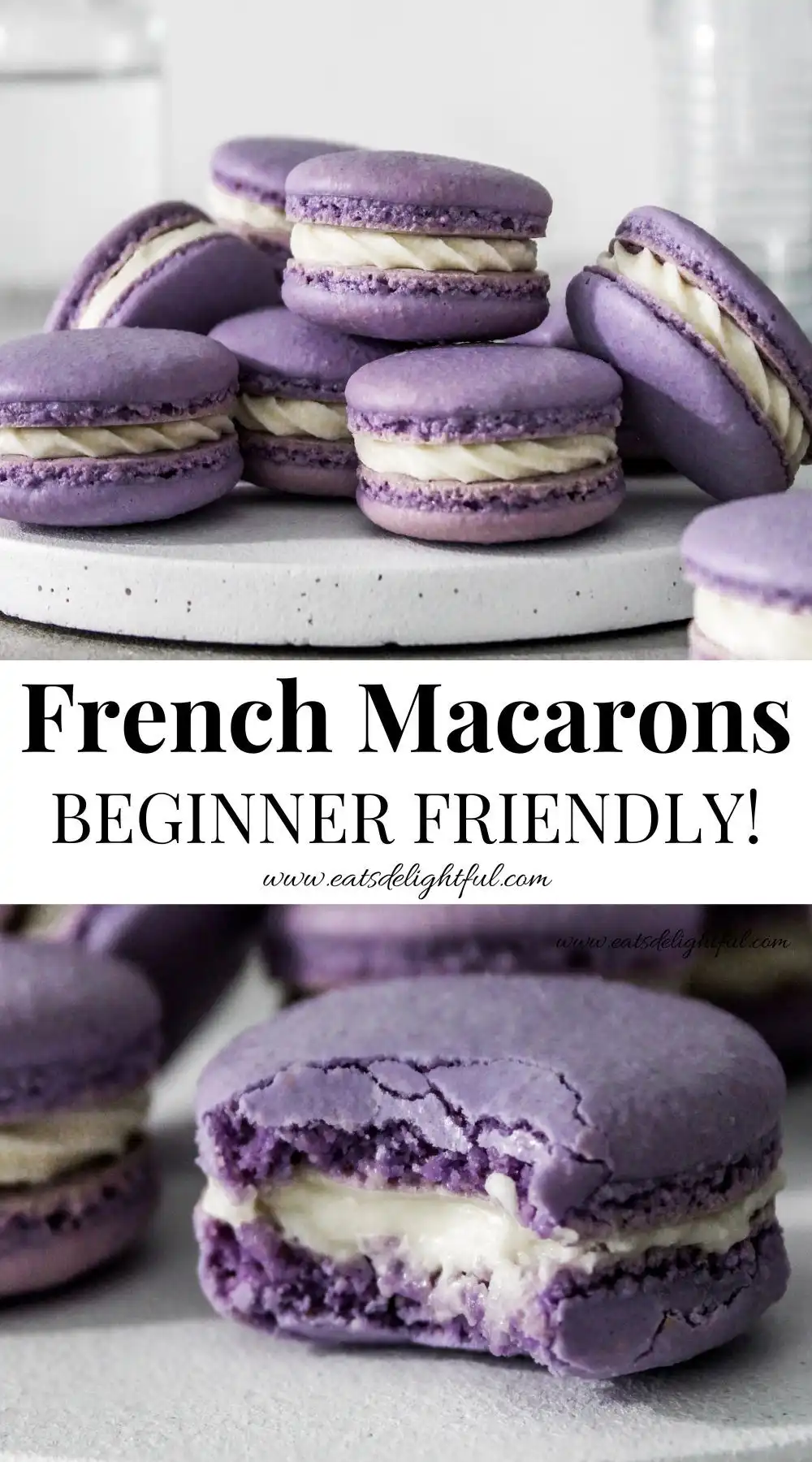
Welcome to the enchanting world of French macarons — delicate, colorful, and utterly irresistible! Often mistaken for simple cookies, these elegant meringue-based confections are a true testament to precision, patience, and passion in baking. While they carry an air of sophistication (and sometimes intimidation!), French macarons are absolutely achievable for beginners — especially with the right guidance, mindset, and a few tried-and-true techniques. This comprehensive, beginner-friendly guide walks you through every nuance — from demystifying their storied past to mastering the “macaronage” fold, troubleshooting common pitfalls, and customizing flavors without compromising structure. Whether you’re preparing for a special occasion, leveling up your pastry skills, or simply craving something beautifully balanced between crisp shell and chewy center, this recipe is designed to set you up for confident, consistent, and joyful success — one perfect foot at a time.
The History
French macarons have a surprisingly rich and globally woven origin story — far older and more cosmopolitan than their Parisian fame might suggest. Their earliest ancestors trace back to 8th-century Persia, where almond-based sweets made with ground nuts, sugar, and rose water were enjoyed by royalty and scholars alike. These treats traveled westward along trade routes into the Byzantine Empire and later into medieval Italy, where Renaissance chefs refined them further. When Catherine de’ Medici married France’s Henry II in 1533, she brought her Italian pastry chefs — and their almond confections — to the French court. What began as rustic, lumpy “maccherone” (from the Italian word *ammaccare*, meaning “to crush” or “to beat”) gradually evolved in French monasteries and convents, where nuns perfected the use of egg whites and sugar during Lenten fasting periods.
It wasn’t until the late 19th century that the modern *sandwiched* macaron emerged — thanks to the legendary Parisian pâtisserie Ladurée. Under the direction of Pierre Desfontaines (nephew of founder Louis Ernest Ladurée), the idea of filling two delicate shells with ganache, buttercream, or jam was born around 1900. This innovation transformed the macaron from a single-layer cookie into the iconic, jewel-toned, bite-sized masterpiece we adore today. Today, macarons symbolize French patisserie excellence — yet their soul remains deeply rooted in cross-cultural exchange, resourcefulness, and reverence for natural ingredients like almonds and eggs.
Ingredients Breakdown
Macarons rely on just a handful of ingredients — but each plays a non-negotiable structural or functional role. Understanding *why* each is included helps you troubleshoot and adapt wisely:
- Almond flour (blanched, super-fine): Provides nutty flavor, tender crumb, and essential fat/protein for structure. Must be *sifted twice* — moisture or coarse particles cause cracking or uneven feet. Avoid “almond meal” (which includes skins) unless finely ground and sifted; skin particles add bitterness and visual speckling.
- Powdered sugar (confectioners’ sugar): Adds sweetness, stabilizes the meringue, and contributes to smooth shell texture. Contains cornstarch (typically 3%), which helps absorb excess moisture — crucial for drying and forming the skin. Never substitute granulated sugar here.
- Egg whites (aged, at room temperature): The heart of the meringue! Aging (24–48 hrs uncovered in the fridge) allows some water to evaporate, strengthening protein bonds and yielding stiffer, glossier, more stable peaks. Room temperature whites incorporate air more efficiently. Pasteurized liquid egg whites *can* work but often require longer whipping and extra cream of tartar.
- Granulated sugar (for meringue): Added gradually to egg whites to stabilize foam, increase volume, and create a glossy, firm meringue. Fine or caster sugar dissolves faster and yields smoother texture than coarse varieties.
- Cream of tartar (optional but highly recommended for beginners): An acidic stabilizer that lowers pH, helping egg whites reach stiff peaks faster and resist collapse — especially helpful in humid climates or with less-than-fresh eggs.
- Food coloring (gel or powder — never liquid): Liquid dyes introduce unwanted moisture, destabilizing the batter. Gel or powdered colors deliver vibrant hues with zero water impact. Add *after* sifting dry ingredients — never to the meringue.
- Filling (e.g., Swiss meringue buttercream, chocolate ganache, fruit curd): Not part of the shell, but critical for balance. Fillings should be cool, thick enough to hold shape, and not overly wet — excess moisture can soften shells over time.
Pro Tip: Weigh all ingredients in grams using a precise digital scale (0.1g accuracy). Volume measurements (cups, spoons) introduce too much variability — especially for almond flour and powdered sugar — and are the #1 cause of inconsistent results.
Step-by-Step Recipe
This method uses the French meringue technique — simplest for beginners — and includes key checkpoints to build confidence at every stage.
- Prep & Weigh (15 mins): Line two baking sheets with parchment paper or silicone mats. Set up your oven with an oven thermometer (accuracy is vital!). Weigh and sift almond flour and powdered sugar together *twice* into a large bowl. Discard any coarse bits left in the sieve — they’ll cause bumps or cracks. Separate egg whites (3 large, ~90g total) into a spotlessly clean, grease-free bowl. Let them sit uncovered at room temperature for 30–60 minutes. Measure granulated sugar, cream of tartar (⅛ tsp), and gel food coloring.
- Make the Meringue (8–10 mins): Using a stand mixer with whisk attachment (or hand mixer with strong motor), begin whipping egg whites on medium-low until foamy (≈1 min). Add cream of tartar. Increase speed to medium-high. When soft peaks form (≈2–3 mins), begin adding granulated sugar, 1 tbsp at a time, waiting 10 seconds between additions. Continue whipping until you achieve *stiff, glossy peaks* that hold upright and don’t droop when the whisk is lifted — about 3–5 more minutes. Do NOT overbeat (grainy, dry, or curdled meringue = cracked shells).
- Macaronage — The Fold (4–7 mins): Add 100% of your sifted dry mixture to the meringue. Using a flexible silicone spatula, gently fold in a “J” motion: cut down the center, scrape along the bottom, and fold over the top. After ~15 folds, the batter will look thick and chalky. Keep folding — it will loosen gradually. Stop when the batter reaches the ideal consistency: it should fall off the spatula in a slow, continuous, ribbon-like stream. When lifted, the batter should slowly reabsorb into itself within ≈10 seconds (“molten lava” stage). Overmixing (batter runs instantly, loses volume, spreads thin) causes flat, footless macarons. Undermixing (batter is stiff, doesn’t flow) leads to peaked, cracked tops. This step takes practice — video reference highly encouraged!
- Piping & Resting (30–60 mins): Transfer batter to a piping bag fitted with a ½-inch round tip. Pipe 1.25-inch rounds onto prepared sheets, holding the bag vertically, ½ inch above the surface. Tap each sheet firmly on the counter 3–4 times to release air bubbles. Use a toothpick to gently pop any visible bubbles. Let piped shells rest at room temperature (68–72°F / 20–22°C, low humidity preferred) until a skin forms — they should feel completely dry and non-tacky to a *very light* touch (≈30–60 mins). Humid days may require longer; dry climates may need less. No skin = no feet.
- Baking (15–18 mins): Preheat oven to 300°F (150°C) with oven thermometer verified. Place one sheet on the *center rack*. Bake for 15 minutes. Rotate pan front-to-back at 8 minutes. At 15 minutes, gently wiggle a shell — if it lifts cleanly without sticking, it’s done. If it pulls away with crumbs or feels soft, bake 1–2 more minutes. Cool shells *completely* on the sheet before removing (≈15 mins). Repeat with second sheet.
- Filling & Maturing (Essential!): Pair shells by size. Pipe or spread 1 tsp of filling onto the flat side of one shell. Gently sandwich with a matching shell. Place filled macarons in an airtight container and refrigerate for 24 hours before serving. This “maturing” allows the filling’s moisture to gently migrate into the shell, transforming it from crisp to perfectly tender-chewy with a subtle give — the hallmark of a professional macaron.
Tips
- Consistency is King: Use the same brand/lot of almond flour and powdered sugar each time. Sift religiously — even if the package says “pre-sifted.”
- Humidity Hack: If your kitchen is humid (>60% RH), reduce resting time slightly and consider running a dehumidifier or AC 1 hour before baking. Alternatively, place shells in a turned-off oven with the door slightly ajar for controlled drying.
- Oven Accuracy Matters: Most home ovens run hot or cold. An oven thermometer is non-negotiable. If your feet are too tall or shells brown quickly, lower temp by 5°F. If no feet form or shells crack, raise temp by 5°F or extend resting time.
- No Air Bubbles? Try This: After piping, immediately tap sheets — then wait 1 minute, then tap again. For stubborn bubbles, let rest 5 minutes first, then gently poke with toothpick.
- Perfect Feet Every Time: Ensure your batter is *just right*, your shells are fully skinned, your oven is preheated *and stabilized*, and you’re baking on the center rack only. Avoid opening the oven door before 12 minutes.
- Storage Wisdom: Unfilled shells freeze beautifully for 3 months (store airtight). Filled macarons keep for 3 days refrigerated or 1 month frozen — thaw overnight in the fridge before serving.
- Beginner Mindset: Your first batch may not be “perfect” — and that’s 100% okay. Focus on learning one variable per batch: e.g., Batch 1 = nailing the meringue; Batch 2 = mastering macaronage; Batch 3 = optimizing rest time. Celebrate progress, not perfection.
Variations and Customizations
Once you’ve mastered the classic vanilla or chocolate shell, the flavor possibilities explode — all while keeping the same reliable base technique:
- Flavored Shells: Add 1 tsp of high-quality extract (vanilla, almond, orange blossom, rose) or 2 tsp of instant espresso powder to the dry ingredients. For matcha, use 1–1.5 tsp culinary-grade matcha (sifted with dry mix). For cocoa, replace 15g of almond flour with unsweetened Dutch-process cocoa powder.
- Nut Variations: Substitute up to 25% of almond flour with finely ground pistachios, hazelnuts, or pecans — toast and cool nuts first for deeper flavor. Always sift with powdered sugar.
- Seasonal Twists: Infuse meringue with ¼ tsp lavender buds (strain before whipping); add 2 tbsp freeze-dried raspberry powder to dry mix for vibrant pink shells; swirl in 1 tsp black sesame paste for earthy depth.
- Dietary Adaptations: Gluten-free? Already are! Vegan? Not traditionally possible (egg whites are structural), but aquafaba-based versions exist — though significantly more advanced. Low-sugar? Reduce granulated sugar in meringue by 10g (test carefully — affects stability).
- Fillings Galore: Go beyond buttercream: white chocolate–yuzu ganache, salted caramel with fleur de sel, lemon basil curd, roasted strawberry compote + mascarpone, dark chocolate–espresso buttercream, or even savory options like black truffle–goat cheese for appetizers.
- Textural Accents: Press a single roasted pistachio, edible flower, or gold leaf flake onto each shell *immediately after piping* (before resting). Or dust baked shells lightly with cocoa, matcha, or powdered freeze-dried fruit before filling.
Health Considerations and Nutritional Value
While French macarons are undeniably indulgent, understanding their nutritional profile helps enjoy them mindfully:
- Calorie Context: One standard 1.25-inch macaron (shell + filling) ranges from 70–110 calories — significantly less than cupcakes, brownies, or frosted cookies, thanks to minimal fat and no flour.
- Macronutrient Profile (approx. per shell): 2–3g fat (mostly heart-healthy monounsaturated fats from almonds), 8–12g carbohydrates (primarily from sugars), 1–1.5g protein, and 0g fiber. Almond flour provides vitamin E, magnesium, and antioxidants — though portion size limits overall nutrient contribution.
- Sugar Awareness: Traditional recipes contain ~5–7g added sugar per shell. To reduce: use monkfruit-erythritol blend in powdered sugar (ensure 1:1 volume swap and sift well), or opt for fillings naturally sweetened with dates or ripe banana (though texture/stability may vary).
- Allergen Note: Macarons are naturally gluten-free and grain-free — ideal for celiac or gluten-sensitive individuals. However, they contain tree nuts (almonds) and egg whites — major allergens. Always label clearly if sharing.
- Not “Health Food” — But Not “Junk” Either: They lack refined grains and offer more nutrient density than many desserts. Enjoy 1–2 as a conscious treat, paired with herbal tea or fresh fruit — not as a daily habit. For blood sugar management, pair with a protein-rich snack like Greek yogurt or nuts.
Ingredients
Makes approx. 20–22 filled macarons (40–44 shells)
- 90g aged egg whites (about 3 large whites, separated 24–48 hrs prior)*
- 100g granulated sugar
- ⅛ tsp cream of tartar (optional but recommended)
- 125g blanched almond flour (super-fine, sifted twice)
- 175g powdered sugar (confectioners’ sugar, sifted twice with almond flour)
- ¼ tsp gel food coloring (e.g., ivory, rose, sky blue — optional)
- Filling suggestion: 1½ cups Swiss meringue buttercream or 1 cup dark chocolate ganache (cooled to pipeable consistency)
*Tip: To age egg whites, separate eggs, cover bowl loosely with plastic wrap, and refrigerate for 24–48 hours. Bring to room temperature 30–60 minutes before whipping.
Directions
- Prepare Workspace: Line two baking sheets with parchment or silicone macaron mats. Set aside. Preheat oven to 300°F (150°C) — verify with oven thermometer. Weigh and sift almond flour and powdered sugar together into a large bowl. Sift a second time into the same bowl; discard any coarse residue.
- Whip Meringue: In a clean, grease-free bowl, combine egg whites and cream of tartar. Whip on medium-low until foamy (~1 min). Increase to medium-high. When soft peaks form, gradually add granulated sugar, 1 tbsp at a time, waiting 10 seconds between additions. Continue whipping until stiff, glossy peaks form (≈3–5 mins after sugar is added). Batter should hold shape, shine, and not collapse.
- Macaronage: Add all sifted dry ingredients to meringue. Using a silicone spatula, fold with a “J” motion: cut down center, scrape bottom, fold over top. Mix until uniform. Continue folding until batter flows like thick magma — falls off spatula in a smooth, continuous ribbon and re-absorbs into itself in ~10 seconds. Stop immediately once achieved.
- Pipe & Rest: Transfer batter to piping bag with ½” round tip. Pipe 1.25” rounds onto prepared sheets, spacing 1” apart. Tap each sheet firmly on counter 3–4 times. Pop air bubbles with toothpick. Let rest uncovered at room temperature until completely dry to the touch (non-tacky skin forms), 30–60 minutes. Test with fingertip — no residue should stick.
- Bake: Place one sheet on center oven rack. Bake 15 minutes. Rotate pan at 8 minutes. Check at 15 mins: gently lift edge of a shell — if it releases cleanly, it’s done. If sticky, bake 1–2 more minutes. Cool shells *completely* on sheet (≈15 mins) before peeling off.
- Fill & Mature: Match shells by size. Pipe or spread 1 tsp filling onto flat side of half the shells. Gently press matching shell on top. Place in airtight container. Refrigerate 24 hours before serving for optimal texture and flavor melding.
FAQ
- Why do my macarons have no feet?
- Most common causes: batter undermixed (too stiff), shells not dried enough (no skin), oven too cool, or baking on lower/upper rack instead of center. Also check for grease residue in bowl/mixer — destabilizes meringue.
- Why do my macarons crack?
- Cracking usually means the surface dried too quickly before baking (over-rested), batter is overmixed (loses air), or oven temperature spiked during preheat. Try reducing rest time by 5–10 mins or lowering oven temp by 5°F.
- Can I make macarons without a scale?
- Technically yes — but strongly discouraged. Volume measures for almond flour vary by 20–30% due to settling and grind. A $15 digital scale pays for itself in saved ingredients and frustration.
- Why are my shells hollow?
- Hollowness points to over-whipped meringue (air pockets collapse) or oven too hot — causing rapid rise then collapse. Whip only to stiff glossy peaks, and verify oven temp.
- Can I color the batter with natural ingredients?
- Yes — but cautiously. Spirulina (blue/green), beetroot powder (pink/red), or turmeric (yellow) work. Start with ¼ tsp, sift thoroughly with dry ingredients. Natural powders add moisture and may affect spread — reduce resting time slightly.
- How do I fix lopsided or uneven feet?
- Ensure your piping bag is held perfectly vertical, pressure is steady, and your mat/sheet is level. Rotate pans halfway through baking. Also confirm oven heat is evenly distributed (use oven thermometer in multiple spots).
- Can I freeze baked, unfilled shells?
- Absolutely! Place cooled, completely dry shells in a single layer in an airtight container with parchment between layers. Freeze up to 3 months. Thaw at room temperature 15 minutes before filling — no condensation should form.
- My batter is runny — did I overmix?
- Likely yes — or your meringue was weak/overbeaten. Next time, stop folding earlier and test frequently. If already runny, chill batter 15 minutes — sometimes cold firms it slightly — but don’t expect miracles. Learn from it and adjust next batch.
- What’s the best filling for beginners?
- Swiss meringue buttercream (SMBC) — it’s stable, pipes beautifully, doesn’t weep, and balances sweetness. Ganache is also excellent but requires tempering care. Avoid very wet fillings (e.g., fresh fruit purees) until you’re experienced.
- Do I really need to age the egg whites?
- Aging improves consistency and reliability — especially for beginners — but isn’t mandatory. Room-temp fresh whites *can* work if whipped long enough to full stiffness. However, aging reduces risk of collapsing meringue and gives more forgiving macaronage.
Summary
French macarons are a harmonious marriage of science and art — built on precise ratios, controlled technique, and patient observation — yet entirely within reach of the dedicated beginner.
By mastering the four pillars — properly aged and whipped meringue, perfectly sifted and balanced dry ingredients, thoughtful macaronage to “lava” consistency, and disciplined resting and baking — you’ll transform humble almonds and egg whites into ethereal, footed jewels worthy of any patisserie window.