Introduction
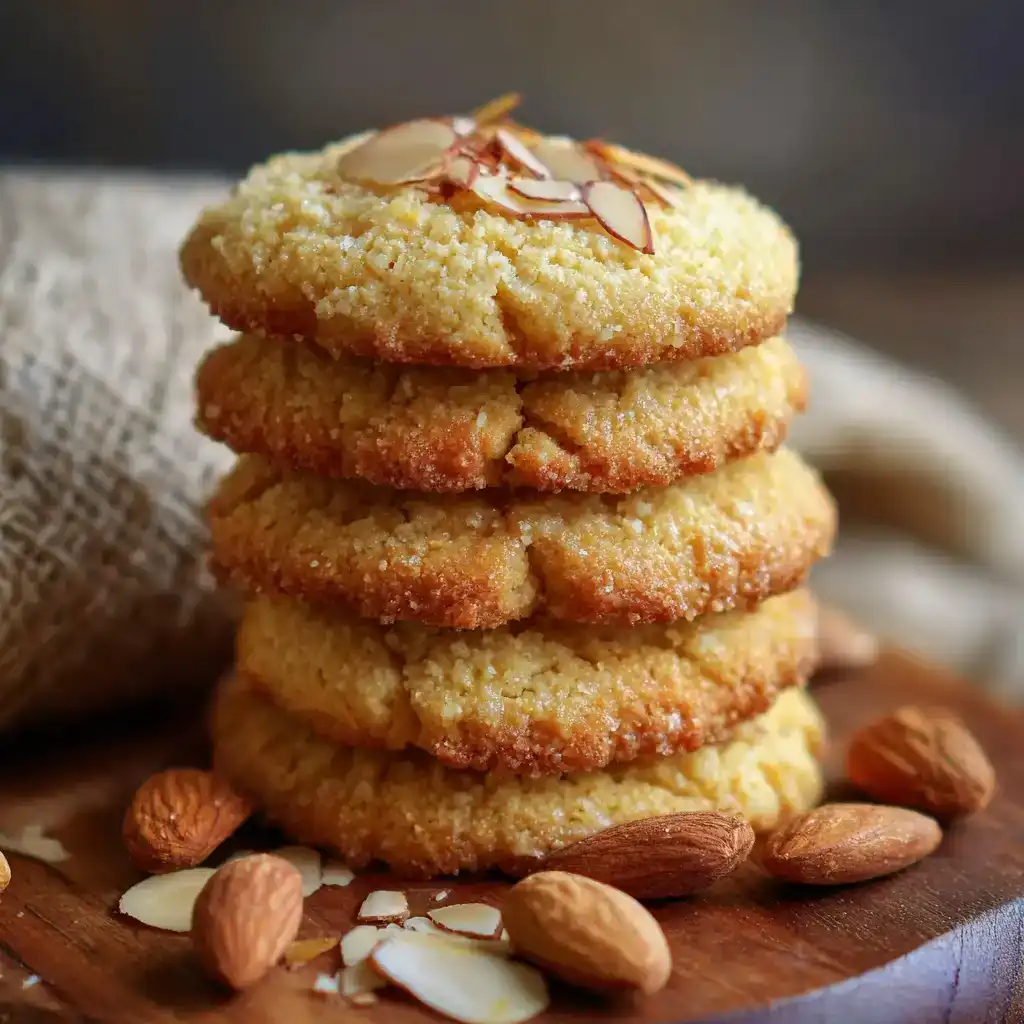
Orange Almond Cookies are a vibrant, aromatic, and texturally captivating treat that marries the bright, zesty tang of fresh citrus with the rich, nutty depth of toasted almonds. These cookies strike a perfect balance between elegance and approachability—sophisticated enough for holiday cookie platters or afternoon tea service, yet simple enough for home bakers of all skill levels. With their golden-brown edges, tender crumb, subtle citrus perfume, and delicate almond crunch, they evoke sun-drenched Mediterranean orchards and cozy European patisseries alike. Unlike many citrus cookies that rely solely on zest or extract, authentic Orange Almond Cookies celebrate the full sensory spectrum of the orange—its fragrant oils, natural acidity, and subtle floral notes—complemented by the earthy sweetness and protein-rich heft of finely ground or slivered almonds. Whether served alongside a steaming cup of Earl Grey, gifted in hand-tied linen bags, or enjoyed solo with a quiet moment of reflection, these cookies deliver comfort, brightness, and nuance in every bite.
The History
The lineage of Orange Almond Cookies is a delicious tapestry woven across centuries and continents. Its earliest roots can be traced to medieval Moorish Spain (Al-Andalus), where Arab confectioners introduced advanced sugar-refining techniques, citrus cultivation—including Seville oranges—and the use of ground almonds in sweets like *marzipan* and *almond paste*. When these traditions merged with Iberian baking practices, early versions of citrus-kissed almond cakes and biscuits emerged. In the 17th and 18th centuries, Sephardic Jewish communities carried variations of orange-almond confections across the Mediterranean and into Northern Europe, adapting them for Passover with matzo meal or almond flour substitutions—giving rise to ancestors of modern *mazapan* and *pescaj* cookies. Meanwhile, Italian *biscotti* evolved in Tuscany and Sicily to include orange zest and toasted almonds, especially in coastal regions where blood oranges thrived. The American iteration gained momentum in the early 20th century, bolstered by California’s booming citrus industry and the rising popularity of nut-based baking during wartime rationing, when almond flour offered richness without scarce butter or eggs. By the 1950s, home economists and food magazines—including *Better Homes and Gardens* and *Bon Appétit*—began publishing standardized recipes featuring orange oil, blanched almonds, and brown sugar, cementing the cookie’s place in the American dessert canon. Today, it enjoys renewed acclaim among artisanal bakeries and health-conscious creators alike—valued not only for its flavor but also for its adaptability to gluten-free, low-sugar, and vegan interpretations.
Ingredients Breakdown
Each ingredient in Orange Almond Cookies plays a deliberate, synergistic role—not merely as a component, but as a conductor in a carefully orchestrated flavor and texture ensemble:
- Unsalted Butter (room temperature): Provides foundational richness, tenderness, and mouthfeel. Using unsalted butter ensures precise control over sodium content and allows the orange’s brightness to shine without interference. European-style butter (82–86% fat) yields an even more luxurious, flaky-crisp edge.
- Granulated Sugar & Brown Sugar (light or dark): Granulated sugar contributes to spread and crispness; brown sugar adds moisture, caramel notes, and acidity-neutralizing molasses depth—critical for balancing orange’s sharpness. Dark brown sugar intensifies toffee-like complexity.
- Large Eggs (room temperature): Act as emulsifiers and structural binders. The yolks lend velvety richness and golden hue; whites provide slight lift. For chewier cookies, using one extra yolk is a pro tip.
- Fresh Orange Zest (from 2–3 medium navel or Valencia oranges): The aromatic goldmine—the essential oils in the zest contain over 60 volatile compounds (including limonene and linalool) responsible for the unmistakable, uplifting citrus fragrance. Always zest before juicing, and avoid the bitter white pith.
- Fresh Orange Juice (2–3 tbsp, strained): Adds bright acidity and natural fructose, enhancing browning (via Maillard reaction) and keeping cookies moist without gumminess. Cold-pressed juice is ideal; avoid bottled or concentrated versions, which lack enzymatic nuance and may contain preservatives that dull flavor.
- Pure Almond Extract (not imitation): A potent, concentrated essence derived from benzaldehyde in bitter almonds. It deepens the nutty profile without overpowering—use sparingly (¼–½ tsp). Overuse leads to medicinal off-notes.
- All-Purpose Flour (or gluten-free 1:1 blend): Supplies gluten for structure. For ultra-tender results, substitute up to 25% with cake flour or oat flour. If using gluten-free, ensure your blend contains xanthan gum or add ¼ tsp per cup.
- Finely Ground Blanched Almonds (almond flour): Not almond meal—this is key. Blanched almond flour is made from skinless, finely milled almonds, yielding a smooth, light, and subtly sweet base that enhances moisture retention and imparts delicate marzipan-like notes. Toasting it lightly before use amplifies nuttiness exponentially.
- Sliced or Slivered Toasted Almonds (for topping): Adds contrasting texture—crisp, buttery, and aromatic. Toasting unlocks volatile compounds like furans and pyrazines, adding roasted, caramelized dimensions that echo the orange’s natural sugars.
- Baking Soda & Baking Powder (dual-acting leaveners): Baking soda neutralizes orange juice’s acidity while promoting browning and spread; baking powder provides gentle lift for a soft, pillowy center. Omitting either compromises texture balance.
- Fine Sea Salt: An essential flavor amplifier—it doesn’t make the cookie taste “salty,” but rather heightens sweetness, tames bitterness, and rounds out citrus volatility.
- Optional: Orange Blossom Water (⅛–¼ tsp): A rare, floral distillate used in Middle Eastern and North African desserts. Adds haunting, honeyed perfume—use only high-quality, food-grade versions, and never exceed recommended amounts.
Step-by-Step Recipe
- Prep & Toast Almonds: Preheat oven to 325°F (163°C). Spread ½ cup raw sliced or slivered almonds on a parchment-lined baking sheet. Toast for 7–10 minutes, stirring halfway, until golden and fragrant. Cool completely—this prevents melting butter later and deepens flavor. Reserve 2 tbsp for garnish; finely chop the rest or pulse briefly in a food processor (do not over-process into paste).
- Zest & Juice Oranges: Using a microplane, zest 2–3 medium oranges (yielding ~2 tbsp packed zest). Strain 2½ tbsp fresh juice through a fine-mesh sieve to remove pulp and seeds. Set both aside separately.
- Whisk Dry Ingredients: In a medium bowl, whisk together 1¾ cups (220g) all-purpose flour, 1 cup (100g) finely ground blanched almond flour, ½ tsp baking soda, ½ tsp baking powder, and ¾ tsp fine sea salt. Sift once for uniformity and aeration.
- Cream Butter & Sugars: In a large stand mixer fitted with paddle attachment, beat 1 cup (227g) unsalted butter, ¾ cup (150g) granulated sugar, and ½ cup (100g) light brown sugar on medium-high speed for 4–5 minutes—until pale, fluffy, and nearly doubled in volume. Scrape bowl thoroughly.
- Incorporate Wet Ingredients: Add 2 large room-temperature eggs and 1 large egg yolk; beat on medium for 2 minutes until fully emulsified. Mix in 2 tbsp orange zest, 2½ tbsp orange juice, ½ tsp pure almond extract, and (if using) ⅛ tsp orange blossom water. Beat just until combined—no more than 30 seconds.
- Gradually Add Dry Mixture: Reduce mixer speed to low. Add dry ingredients in three equal additions, mixing only until no streaks remain after each addition (~15 seconds per addition). Overmixing develops gluten and causes toughness.
- Fold in Toasted Almonds: Using a silicone spatula, gently fold in the reserved chopped toasted almonds (≈¼ cup) until evenly dispersed. Batter will be soft, slightly sticky, and aromatic.
- Chill Dough (Non-Negotiable Step): Cover bowl tightly and refrigerate for *at least 2 hours*, preferably 4–24 hours. Chilling solidifies butter, prevents overspreading, concentrates flavors, hydrates flours, and relaxes gluten—resulting in thicker, more flavorful, and evenly baked cookies.
- Portion & Prep for Baking: Preheat oven to 350°F (177°C) with racks in upper and lower thirds. Line two baking sheets with parchment or silicone mats. Scoop chilled dough using a 1.5-tablespoon cookie scoop (≈30g per cookie); roll gently into balls. Place 2 inches apart on sheets. Lightly press each ball to ~½-inch thickness. Sprinkle tops with reserved sliced almonds and a tiny pinch of flaky sea salt.
- Bake with Precision: Bake 10–12 minutes—rotating pans top-to-bottom and front-to-back at the 6-minute mark—until edges are deeply golden and set, centers appear soft but no longer glossy or wet. They will firm as they cool. Avoid overbaking—cookies continue cooking on hot trays.
- Cool & Store: Let cookies cool on baking sheets for 5 minutes, then transfer to wire racks to cool completely (≈30 minutes). Store in airtight containers at room temperature for up to 1 week, or freeze baked cookies for 3 months. Dough balls can be frozen unbaked for up to 3 months—bake straight from frozen, adding 1–2 minutes to bake time.
Tips
- Room-Temperature Discipline: Ensure butter, eggs, and even orange juice are truly at room temperature (68–72°F). Cold ingredients cause curdling, uneven emulsification, and dense texture.
- Zest First, Juice Second: Always zest whole, uncut oranges—juicing first makes peeling slippery and risks removing too much pith when grating.
- Toast Almonds Twice: Toast whole almonds for garnish, then toast the almond flour separately (325°F for 5–7 minutes) before incorporating into dry ingredients—this eliminates raw nuttiness and maximizes aroma.
- Weigh Your Ingredients: Volume measurements for flour and almond flour vary wildly. Use a digital kitchen scale for consistent, professional results (1 cup AP flour = 120–125g; 1 cup almond flour = 96g).
- Chill Between Batches: If baking multiple sheets, return dough balls to fridge for 10 minutes while previous batch bakes—prevents spreading and preserves shape.
- Rotate & Monitor: Ovens have hot spots. Rotating pans ensures even browning. Use an oven thermometer for accuracy—many ovens run 25°+ off calibration.
- Underbake Slightly: Pull cookies when centers still look soft and slightly underdone—they’ll finish setting during cooling and retain optimal chew.
- Flour Your Scoop: Lightly dust cookie scoop with flour before portioning sticky dough to prevent sticking and ensure clean release.
- Rest Dough Overnight: Extended chilling (12–24 hours) allows enzymes to break down starches and proteins, yielding deeper flavor, improved browning, and enhanced tenderness.
- Revive Stale Cookies: Place slightly stale cookies on a parchment-lined sheet and warm in a 300°F oven for 4–5 minutes—they’ll regain crisp edges and aromatic freshness.
Variations and Customizations
Orange Almond Cookies are a masterclass in adaptable elegance—each variation honors the core flavor architecture while offering unique culinary expression:
- Gluten-Free Orange Almond Cookies: Replace all-purpose flour with certified GF 1:1 baking blend (like King Arthur or Bob’s Red Mill). Add ¼ tsp xanthan gum if blend doesn’t include it. Increase almond flour to 1¼ cups for added binding and moisture. Verify all extracts and baking powders are GF-certified.
- Vegan Orange Almond Cookies: Substitute butter with cold-pressed coconut oil (refined for neutral taste) or vegan butter (Miyoko’s or Naturli’). Replace eggs with flax eggs (2 tbsp ground flax + 5 tbsp warm water, rested 10 mins) or commercial egg replacer. Use maple syrup instead of brown sugar (reduce orange juice by 1 tsp to compensate for added liquid).
- Low-Sugar / Diabetic-Friendly: Replace granulated and brown sugars with monk fruit–erythritol blend (1:1 ratio), or allulose (which browns and behaves like sugar). Add 1 tbsp unflavored collagen peptides or whey isolate to improve structure and satiety. Reduce orange juice by ½ tsp to prevent excess moisture.
- Spiced Citrus Fusion: Add ½ tsp ground cardamom, ¼ tsp freshly grated ginger, and a pinch of saffron threads (steeped in 1 tsp warm orange juice) to the wet mixture. Garnish with crushed pistachios instead of almonds.
- Chocolate-Dipped Orange Almond Cookies: Once fully cooled, dip half of each cookie into tempered dark chocolate (70% cacao), then sprinkle with flaky salt and orange zest. Chill 15 minutes to set.
- Stuffed Orange Almond Cookies: Flatten dough balls, place ¼ tsp high-quality orange marmalade or candied orange peel in center, seal, and reshape. Adds jammy bursts and chewy contrast.
- Espresso-Orange Almond: Dissolve 1 tsp instant espresso powder in orange juice before adding. Enhances depth and complements almond’s roast notes—ideal for coffee pairings.
- Protein-Boosted Fitness Cookies: Add 2 scoops unflavored whey or plant-based protein powder (reduce flour by ¼ cup). Include chia or hemp seeds (1 tbsp) for omega-3s and fiber. Slightly increase almond flour to maintain tenderness.
- Mini Bite-Sized Cookies: Portion using a 1-teaspoon scoop. Bake at 350°F for 7–8 minutes. Perfect for parties, lunchboxes, or portion-controlled snacking.
- Orange-Almond Thumbprints: Roll dough into balls, press thumb into center, fill with rosewater-orange curd or date paste before baking. Elegant and interactive.
Health Considerations and Nutritional Value
A single standard Orange Almond Cookie (approx. 30g, based on this recipe) delivers a compelling nutritional profile rooted in whole-food ingredients:
- Calories & Macronutrients: ~145 kcal per cookie; 7g total fat (3.5g monounsaturated from almonds and orange oil), 2g protein (enhanced by almond flour’s 6g protein per ¼ cup), and 18g carbohydrates—including 1g dietary fiber (from almond flour and orange zest) and 10g naturally occurring sugars (from orange juice and brown sugar).
- Vitamin C Powerhouse: Two tablespoons of fresh orange zest provide ~15–20mg vitamin C (25–33% DV), supporting immune function, collagen synthesis, and iron absorption—especially valuable since heat-stable citrus oils remain intact post-baking.
- Antioxidant Synergy: Flavonoids like hesperidin (abundant in orange peel) and phenolic compounds in toasted almonds exhibit anti-inflammatory and vascular-protective effects. Studies suggest regular consumption of citrus peel and tree nuts correlates with reduced oxidative stress markers.
- Heart-Healthy Fats: Almonds contribute alpha-tocopherol (vitamin E), magnesium, and plant sterols—all clinically associated with improved LDL cholesterol profiles and endothelial function.
- Glycemic Considerations: While not low-carb, the combination of fiber, healthy fats, and protein slows glucose absorption—giving these cookies a moderate glycemic load (~12) compared to refined-sugar-only counterparts (often >25). Pairing with Greek yogurt or green tea further moderates blood sugar response.
- Allergen Awareness: Contains tree nuts (almonds) and gluten (unless modified). For nut allergies, replace almond flour with sunflower seed flour and toasted sunflower kernels—but note flavor and texture shift significantly.
- Sodium Consciousness: Naturally low in sodium (<65mg per cookie) unless oversalted—ideal for hypertension management when prepared mindfully.
- Digestive Notes: Almond flour is low-FODMAP in servings ≤¼ cup, making these cookies suitable for many with IBS when portion-controlled. Orange zest is also low-FODMAP and gut-soothing due to limonene’s carminative properties.
- Mindful Indulgence: These cookies offer psychological nourishment too—the aroma of orange zest has been shown in aromatherapy research to reduce cortisol levels and improve mood, making them as beneficial for mental wellness as physical health.
Ingredients
- 1 cup (227g) unsalted butter, room temperature
- ¾ cup (150g) granulated sugar
- ½ cup (100g) light brown sugar, packed
- 2 large eggs + 1 large egg yolk, room temperature
- 2 tablespoons (packed) fresh orange zest (from ~2–3 medium navel or Valencia oranges)
- 2½ tablespoons fresh orange juice, strained
- ½ teaspoon pure almond extract (not imitation)
- ⅛ teaspoon pure orange blossom water (optional but highly recommended)
- 1¾ cups (220g) all-purpose flour, spooned & leveled
- 1 cup (100g) finely ground blanched almond flour
- ½ teaspoon baking soda
- ½ teaspoon baking powder
- ¾ teaspoon fine sea salt
- ¼ cup (25g) finely chopped toasted sliced almonds (toasted separately)
- 2 tablespoons (15g) reserved toasted sliced or slivered almonds, for topping
- Flaky sea salt, for finishing (optional)
Directions
- Preheat oven to 325°F (163°C). Spread ½ cup raw sliced almonds on a parchment-lined baking sheet. Toast 7–10 minutes, stirring once, until golden and fragrant. Cool completely. Reserve 2 tbsp for topping; finely chop remaining.
- Using a microplane, zest 2–3 oranges into a small bowl (≈2 tbsp). Juice oranges and strain 2½ tbsp juice into another bowl. Set both aside.
- In a medium bowl, whisk together flour, almond flour, baking soda, baking powder, and salt. Sift once. Set aside.
- In a large stand mixer with paddle attachment, beat butter, granulated sugar, and brown sugar on medium-high for 4–5 minutes until pale and fluffy. Scrape bowl.
- Add eggs and yolk; beat 2 minutes until smooth. Mix in orange zest, juice, almond extract, and orange blossom water (if using). Beat just until incorporated.
- Reduce speed to low. Add dry ingredients in three parts, mixing only until no flour streaks remain (~15 sec per addition).
- Fold in chopped toasted almonds with a spatula until evenly distributed.
- Cover bowl tightly and refrigerate dough for minimum 2 hours, ideally 4–24 hours.
- Preheat oven to 350°F (177°C) with racks in upper and lower thirds. Line two baking sheets with parchment.
- Scoop dough (≈30g per cookie) using 1.5-tbsp scoop. Roll gently, place 2″ apart, flatten slightly to ½”. Top with reserved almonds and flaky salt.
- Bake 10–12 minutes, rotating pans at 6 minutes, until edges are golden and centers look soft but set.
- Cool on sheets 5 minutes, then transfer to wire racks to cool completely (≈30 min) before storing.
FAQ
- Can I use almond meal instead of almond flour?
- No—almond meal is coarser, contains skins, and holds more moisture, leading to denser, grittier, and darker cookies. Always use *blanched, super-fine almond flour* (e.g., Bob’s Red Mill, Honeyville, or homemade from blanched almonds).
- Why did my cookies spread too much?
- Likely causes: butter too warm, insufficient chilling, expired leaveners, or excess orange juice. Always chill dough ≥2 hours and verify baking soda/powder freshness (replace every 6 months).
- Can I make the dough ahead?
- Absolutely. Refrigerate up to 5 days or freeze scooped dough balls up to 3 months. No need to thaw—add 1–2 minutes to bake time.
- Are these cookies dairy-free?
- Not in the base recipe—but easily adapted. Use high-fat vegan butter (like Miyoko’s) and ensure almond extract is alcohol-based (not glycerin-based) for best results.
- How do I prevent burnt bottoms?
- Use light-colored aluminum baking sheets (dark sheets overheat), line with parchment (not wax paper), and avoid overcrowding pans. Rotate pans mid-bake and consider placing a second empty sheet on the rack below for insulation.
- Can I add chocolate chips?
- Yes—but choose high-quality white or dark chocolate (not milk) to avoid clashing with orange. Fold in ½ cup chopped chocolate *after* chilling dough to prevent melting. Reduce almond flour by 2 tbsp to balance moisture.
- What’s the best orange variety to use?
- Navel oranges offer balanced sweetness and reliable zest yield. Valencia provides juicier, floral notes. For intensity, add ½ tsp zest from a blood orange. Avoid overly tart or seedy varieties like sour oranges unless specifically seeking bitterness.
- Why do my cookies taste bitter?
- Bitterness usually comes from including white pith while zesting, over-toasting almonds, or using imitation almond extract (which contains coumarin). Always zest carefully, toast almonds to golden—not brown—and use only pure almond extract.
- Can I use orange extract instead of zest and juice?
- Not recommended. Extract lacks volatile oils and complexity. At best, it’s a backup—use ½ tsp orange extract *in addition to* zest, never as a replacement.
- How do I store them to keep them soft?
- Store in an airtight container with a slice of apple or piece of bread—its moisture migrates to cookies, keeping them tender for 4–5 days. Remove fruit before serving.
Summary
Orange Almond Cookies are a luminous fusion of sun-ripened citrus vibrancy and toasted almond sophistication—crafted through meticulous technique, time-honored tradition, and intentional ingredient selection.
With their tender-yet-crisp texture, layered aroma profile, and remarkable adaptability—from gluten-free and vegan to protein-enriched and low-sugar—they transcend seasonal trends to become a timeless, nourishing, and deeply joyful cornerstone of any baker’s repertoire.