Introduction
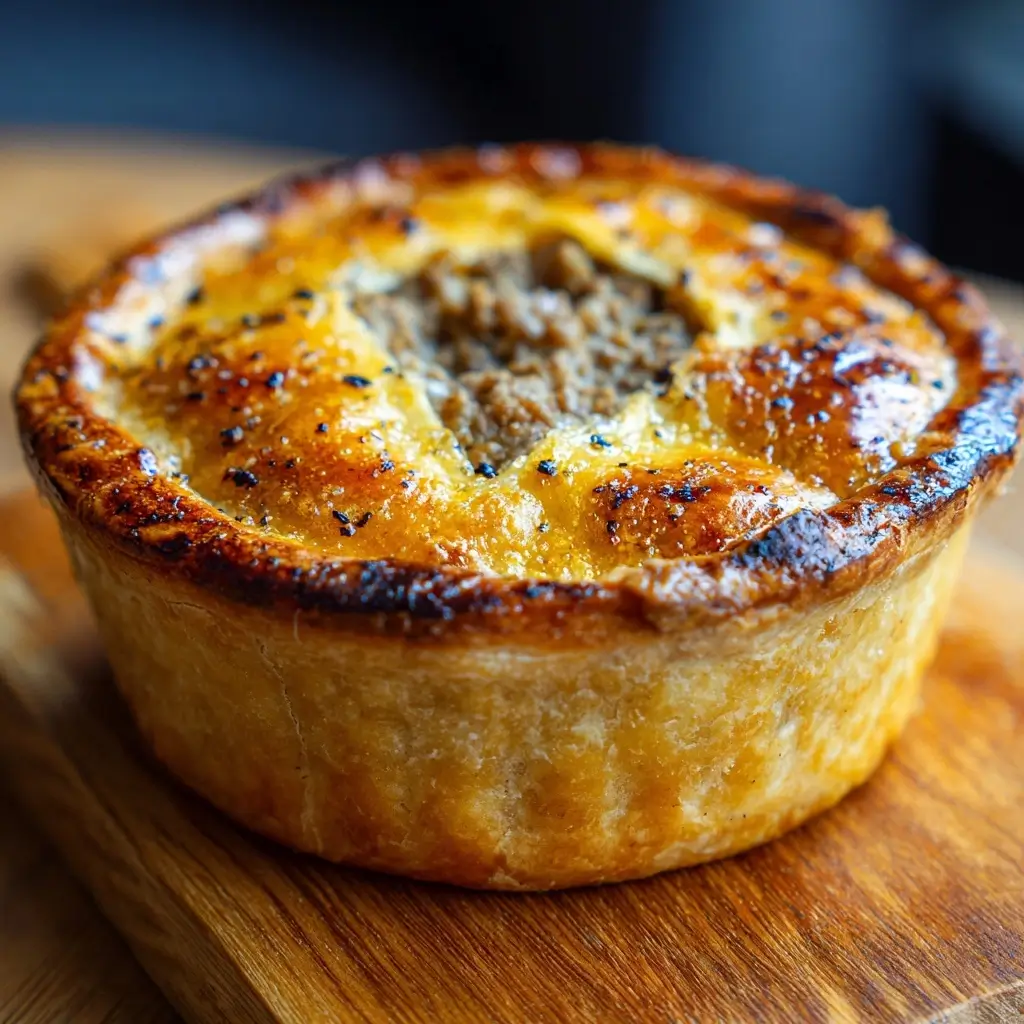
The Scotch pie, a beloved staple of Scottish culinary tradition, is more than just a savory pastry—it’s a cultural icon. Revered for its flaky crust and rich, spiced meat filling, this hand-held delicacy has graced the tables of Highland gatherings, football (soccer) match days, and local bakeries across Scotland for centuries. Its portable nature and satisfying taste make it an enduring favorite among locals and tourists alike. Whether enjoyed piping hot from a roadside vendor or at a festive holiday meal, the Scotch pie offers a delicious window into Scotland’s hearty, resourceful food heritage.
The History
The origins of the Scotch pie trace back to at least the 18th century, though some food historians suggest even earlier roots in medieval Scotland. Originally known as a “mutton pie” due to its primary ingredient, it evolved alongside Scottish baking techniques and the availability of meats. The pie was traditionally baked in a two-crust format with a rigid metal mold, ensuring uniformity in shape and size—typically small enough to fit comfortably in one hand. This design made it ideal for workers, shepherds, and travelers who needed a filling, non-perishable meal on the go.
The name “Scotch pie” became widely used in the 19th century, particularly as Scottish bakers began exporting their craft across the British Isles. By the early 20th century, the pie had become strongly associated with Scottish football culture, commonly sold at stadiums during matches—a tradition that continues today. In fact, many fans consider a visit to a football game incomplete without enjoying a hot Scotch pie from the snack bar. Over time, regional variations emerged, but the core elements—double crust, minced meat filling, and compact size—remained consistent, preserving the pie’s identity through generations.
Ingredients Breakdown
The beauty of the Scotch pie lies in its simplicity and quality of ingredients. Each component plays a crucial role in achieving the pie’s signature texture and flavor profile.
- Pastry: Traditionally, Scotch pies use a hot water crust pastry. This sturdy dough is made by boiling lard (or shortening) with water, then mixing in flour to form a pliable, durable shell that holds up well during baking and handling. Unlike flaky puff pastry, hot water crust provides structural integrity, essential for supporting the dense meat filling without becoming soggy.
- Meat Filling: The classic filling consists of finely minced mutton or lamb, although modern versions often use beef or a blend of meats. Mutton was historically favored due to its availability and rich flavor, which deepens during slow cooking. The meat is typically uncooked when placed in the pie, allowing it to steam and tenderize inside the sealed crust.
- Seasonings: Salt and black pepper are fundamental, but many bakers add onion powder, nutmeg, or a hint of allspice to enhance depth. Some traditional recipes include a splash of stock or broth to keep the filling moist during baking.
- Optional Additions: While purists stick to meat and seasoning, certain regional adaptations incorporate breadcrumbs, suet, or chopped onions for texture variation.
Notably, authentic Scotch pies do not contain gravy, sauce, or vegetables within the filling—these are added later if desired. The focus remains squarely on the savory meat encased in golden pastry.
Step-by-Step Recipe
- Prepare the Hot Water Crust Pastry: In a saucepan, heat 1 cup of water with ½ cup of lard over medium heat until the fat melts and the mixture begins to simmer. Remove from heat and immediately pour into a large bowl containing 2 ½ cups of plain flour. Mix with a wooden spoon until a shaggy dough forms. Once cool enough to handle, knead briefly on a floured surface until smooth. Wrap in cling film and let rest for 30 minutes.
- Prepare the Filling: In a bowl, combine 1 lb of finely minced lamb or mutton with 1 tsp salt, ½ tsp black pepper, ½ tsp onion powder, and a pinch of nutmeg. Mix thoroughly but gently to avoid compacting the meat. Set aside.
- Preheat Oven: Preheat your oven to 375°F (190°C). Ensure you have a set of traditional Scotch pie molds (available online or at specialty baking stores), or use small ramekins as a substitute.
- Roll Out the Bottom Crust: Divide the pastry into two portions—one slightly larger than the other. Roll out the larger portion and line the bottom and sides of each mold, pressing firmly to eliminate air pockets. Trim any excess overhang carefully.
- Fill the Pies: Spoon the seasoned meat mixture into each prepared mold, filling nearly to the top. Do not pack too tightly; leave a small gap to allow for expansion.
- Add the Top Crust: Roll out the remaining pastry and cut circles slightly larger than the mold openings. Dampen the edges of the bottom crust with water, then place the top crust over each pie. Press down firmly to seal, then crimp the edges using a fork or your fingers for a decorative finish.
- Vent the Pies: Use a sharp knife to make a small slit or decorative hole in the center of each top crust to allow steam to escape during baking.
- Bake: Place the filled molds on a baking tray and bake for 45–55 minutes, or until the crust is deep golden brown and the internal temperature of the meat reaches at least 160°F (71°C).
- Cool and Release: Allow the pies to cool in the molds for 10–15 minutes. This helps the filling set. Then, gently invert each mold to release the finished Scotch pies.
- Serve: Enjoy warm, optionally with a side of mashed potatoes, neeps (turnips), or a drizzle of brown sauce or gravy.
Tips
- Use Proper Molds: Traditional Scotch pie tins give the pie its distinctive straight-sided shape and ensure even baking. Silicone molds can work but may alter texture slightly.
- Don’t Skip the Rest: Letting the pastry rest after making it prevents shrinkage during baking.
- Seal Tightly: A secure seal between the top and bottom crusts is vital to prevent leaks and maintain juiciness inside.
- Avoid Soggy Bottoms: If concerned about moisture, sprinkle a thin layer of breadcrumbs or semolina on the bottom crust before adding the meat.
- Double Bake for Crispness: For extra crispness, remove the pies from molds after initial baking and return them to the oven for 5–10 minutes directly on the rack.
- Freeze for Later: Unbaked Scotch pies can be assembled, wrapped individually, and frozen. Bake from frozen, adding 10–15 minutes to the cooking time.
Variations and Customizations
While the traditional Scotch pie remains a cherished classic, creative adaptations have emerged to suit diverse palates and dietary needs.
- Beef Scotch Pie: Increasingly common, especially outside Scotland, where lamb is less accessible. Lean ground beef works well and delivers a robust flavor.
- Vegetarian/Vegan Scotch Pie: Made with plant-based mince (such as textured vegetable protein or lentils), seasoned with smoked paprika, soy sauce, and herbs to mimic umami richness. Vegan pastry uses coconut oil or vegetable shortening instead of lard.
- Game Meat Versions: Venison or rabbit fillings offer a wilder, earthier twist popular in rural areas.
- Spicy Scotch Pie: Add cayenne pepper, chili flakes, or diced jalapeños for heat lovers.
- Gourmet Fillings: Some artisan bakers incorporate mushrooms, red wine reduction, or thyme for a refined touch.
- Sweet Variants: Rare but existent, some experimental bakers create dessert-style Scotch pies with apple, cinnamon, and brown sugar fillings—though these stray far from tradition.
- Mini & Giant Sizes: Mini Scotch pies are perfect for appetizers or parties, while oversized versions serve as hearty main courses.
Health Considerations and Nutritional Value
While undeniably delicious, Scotch pies are relatively high in fat and sodium, so moderation is key—especially for those managing cardiovascular health or cholesterol levels.
A typical homemade Scotch pie (approximately 6 oz / 170g) contains roughly:
- Calories: 450–550
- Protein: 18–22g
- Total Fat: 25–35g (including 10–15g saturated fat)
- Carbohydrates: 35–40g
- Fiber: 1–2g
- Sodium: 600–900mg
To make a healthier version:
- Use lean cuts of meat or turkey mince.
- Substitute part of the lard with unsaturated fats like olive oil (though this alters texture).
- Incorporate finely grated vegetables (e.g., carrots, zucchini) into the filling for added fiber and nutrients.
- Bake rather than deep-fry (some commercial versions are fried, increasing fat content significantly).
- Serve with a fresh salad or steamed greens to balance the meal.
For gluten-free diets, use a 1:1 gluten-free flour blend for the pastry, ensuring it contains a binding agent like xanthan gum. Always check labels on seasonings and meat products to confirm they are gluten-free.
Ingredients
For the Hot Water Crust Pastry:
- 2 ½ cups (300g) plain wheat flour, plus extra for dusting
- ½ cup (115g) lard or vegetable shortening
- 1 cup (240ml) water
- ½ tsp salt
For the Filling:
- 1 lb (450g) finely minced lamb or mutton (beef optional)
- 1 tsp salt
- ½ tsp freshly ground black pepper
- ½ tsp onion powder
- Pinch of ground nutmeg
- 1–2 tbsp cold water or lamb stock (optional, for moisture)
Directions
- In a small saucepan, combine water, lard, and salt. Heat over medium until the lard fully melts and the mixture simmers. Remove from heat.
- Pour the hot liquid into a large mixing bowl containing the flour. Stir vigorously with a wooden spoon until a rough dough forms.
- When cool enough to touch, turn onto a floured surface and knead lightly for 1–2 minutes until smooth and elastic. Shape into a ball, wrap in plastic, and let rest for 30 minutes.
- Meanwhile, prepare the filling: In a bowl, mix minced meat, salt, pepper, onion powder, nutmeg, and stock (if using). Blend evenly and refrigerate until needed.
- Preheat oven to 375°F (190°C). Lightly grease Scotch pie molds or ramekins.
- Divide pastry into two portions (60% for bottoms, 40% for tops). Roll out the larger portion and line each mold, pressing firmly into the base and sides. Trim edges neatly.
- Spoon meat filling into each crust, filling to just below the rim.
- Roll out the remaining pastry and cut lids slightly larger than the mold openings. Moisten the rim of the bottom crust, place the lid on top, and press to seal. Crimp edges decoratively.
- Cut a small vent in the center of each pie. Wipe molds clean.
- Place molds on a baking sheet and bake for 45–55 minutes, until crust is golden brown and meat is cooked through.
- Let cool in molds for 10–15 minutes, then gently unmold and serve warm.
FAQ
What is the difference between a Scotch pie and a pork pie?
While both use hot water crust pastry, Scotch pies traditionally contain minced mutton or lamb and are smaller with a double crust. Pork pies are often larger, may include chunks of pork, and sometimes contain jelly. Additionally, Melton Mowbray pork pies (a famous English variety) are oval-shaped and made differently.
Can I make Scotch pies ahead of time?
Yes! You can assemble and bake them in advance. Store cooled pies in an airtight container in the refrigerator for up to 3 days. Reheat in a 325°F (160°C) oven for 15–20 minutes. They also freeze well for up to 3 months.
Why is my pastry cracking?
Cracking usually occurs if the pastry is too cold or hasn’t rested enough. Let it warm slightly before rolling, and ensure thorough kneading after mixing.
Do Scotch pies have gravy inside?
No, traditional Scotch pies do not contain gravy. The meat releases natural juices during baking, creating a moist interior without added sauce.
Can I cook Scotch pies in a microwave?
Not recommended. Microwaving will make the crust soggy. Always reheat in an oven or toaster oven to preserve texture.
Are Scotch pies only eaten in Scotland?
While most popular in Scotland, they are enjoyed throughout the UK and by Scottish communities worldwide, especially during cultural events like Burns Night or Hogmanay.
Summary
The Scotch pie is a timeless Scottish masterpiece—featuring a crisp hot water crust enclosing a savory, spiced meat filling, traditionally made with minced mutton. Baked to golden perfection, it stands as a symbol of Scottish culinary resilience, warmth, and flavor.