Introduction
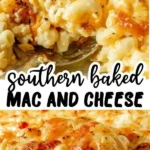
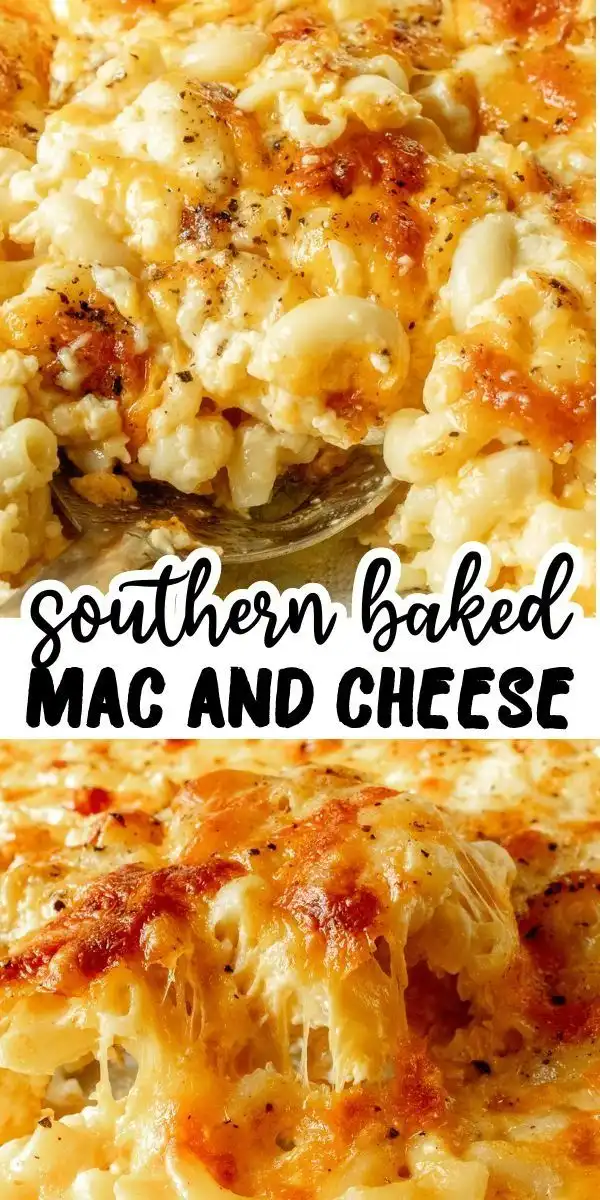
Southern Baked Mac and Cheese isn’t just a side dish—it’s a cornerstone of soulful, comforting cuisine that carries generations of tradition, love, and culinary pride. Revered across the American South—from church potlucks and Sunday suppers to holiday feasts and family reunions—this rich, creamy, golden-crusted casserole transcends mere sustenance. It’s an edible heirloom: deeply nostalgic, unapologetically indulgent, and fiercely regional in its identity. Unlike its Northern counterparts—often lighter, stovetop-based, or relying on processed cheese—Southern baked mac is characterized by its luxurious texture, layered complexity of cheeses, slow-baked depth, and that unmistakable crispy, buttery top crust that crackles under the fork. Whether served alongside fried chicken, collard greens, or smoked brisket—or even as the undisputed centerpiece of the table—Southern Baked Mac and Cheese embodies hospitality, resilience, and the art of transforming simple pantry staples into something sacred.
The History
The roots of Southern Baked Mac and Cheese run deep, intertwining colonial ingenuity, African culinary traditions, and the resourceful spirit of Southern kitchens. While pasta dishes appeared in early American cookbooks—including Thomas Jefferson’s 1790s importation of a pasta machine from Naples and his famed “macaroni pie” served at the White House in 1802—the dish evolved dramatically in the antebellum and post-Emancipation South. Enslaved cooks—many of whom possessed extraordinary culinary knowledge, including mastery of dairy, sauce-making, and oven management—were instrumental in refining and elevating macaroni and cheese. They adapted European techniques using locally available ingredients: sharp native cheddars, farm-fresh milk and cream, rendered lard or butter from pasture-raised hogs, and seasonal herbs. By the late 19th century, recipes began appearing in Black-authored community cookbooks like What Mrs. Fisher Knows About Old Southern Cooking (1881), one of the first published by an African American woman, featuring a version with “macaroni, cheese, eggs, and milk”—a clear precursor to today’s custard-enriched bakes. During the Great Migration, the dish traveled north and west, but it was in the segregated South—where communal cooking, church fellowship dinners, and “carry-in” suppers flourished—that baked mac solidified its status as cultural currency. The 1950s–70s saw its popularization through iconic Southern restaurants, home economists like Henrietta Stanley Dull (Southern Cooking, 1928), and later, TV personalities such as Edna Lewis, who championed its artisanal integrity. Today, it stands not only as comfort food—but as a testament to Black culinary excellence, Southern agrarian heritage, and the quiet power of shared meals.
Ingredients Breakdown
Authentic Southern Baked Mac and Cheese relies on quality, balance, and intention—not just quantity. Each ingredient plays a distinct, non-negotiable role:
- Pasta: Elbow macaroni remains the gold standard—not for nostalgia alone, but for its ideal surface area and nook-filled geometry that traps sauce and supports structural integrity during baking. Some purists prefer bronze-die extruded pasta (like De Cecco or Barilla Plus) for its rougher texture and superior sauce adhesion. Avoid overcooking; al dente is essential to prevent mushiness after 45+ minutes in the oven.
- Cheeses: A carefully curated blend is paramount. Traditional Southern versions almost always begin with sharp white or orange extra-aged cheddar—providing tang, depth, and meltability. But true authenticity layers in at least two more cheeses: a nutty, slightly sweet medium cheddar or Colby for body; a creamy, high-moisture cheese like Monterey Jack or Muenster to enhance silkiness; and often, a pungent, salty finisher—such as Gouda, fontina, or even a whisper of aged Gruyère or smoked provolone—for umami complexity. Some families swear by adding a small amount of cream cheese or Velveeta for unparalleled creaminess and stretch (a nod to mid-century Southern pantries).
- Dairy Base: Whole milk is standard, but many Southern cooks use half-and-half, light cream, or even evaporated milk for richness without curdling. Heavy cream is used sparingly—too much yields a greasy, separated bake. Buttermilk occasionally appears for subtle acidity and tenderness, especially when combined with baking soda in the sauce.
- Eggs: Not merely binders—eggs are the architectural backbone of the Southern bake. They create a velvety, custard-like matrix that sets gently during baking, lending structure, richness, and a delicate, tender crumb. Most traditional recipes call for 2–4 large eggs (often pasteurized for safety), whisked thoroughly into the warm cheese sauce before combining with pasta.
- Butter: Unsalted, high-fat (82%+) European-style butter is preferred—not only for flavor, but for its superior browning capacity in the topping. Browned butter adds profound nuttiness; clarified butter prevents burning; and cold butter cut into breadcrumbs yields flakier crunch.
- Seasonings: Beyond salt and black pepper, signature Southern notes include dry mustard (not for heat, but for bright, wine-like acidity that balances fat), onion powder, garlic powder, a pinch of cayenne or white pepper for warmth, and sometimes a dash of Worcestershire sauce or hot sauce (like Crystal or Louisiana) for background tang and depth. Freshly grated nutmeg—used judiciously—is a quiet hallmark of refined Southern baking.
- Topping: This is where regional pride shines. Classic Southern toppings include buttery panko or Ritz cracker crumbs (crushed fine, then tossed with melted butter and often a touch of brown sugar or paprika); a layer of grated extra-sharp cheddar broiled until blistered; or even a savory cornbread crumble. Some Gulf Coast variations incorporate crushed saltines or oyster crackers. The goal is contrast: crisp against creamy, salty against rich, textural surprise against uniform tenderness.
Step-by-Step Recipe
- Preheat & Prep: Position rack in the center of your oven and preheat to 350°F (175°C). Generously butter a 9×13-inch ceramic or glass baking dish (or two 2-quart soufflé dishes for portion control). Set aside. Bring a large Dutch oven or heavy-bottomed pot of generously salted water to a rolling boil.
- Cook the Pasta: Add 1 pound (16 oz) elbow macaroni and cook for 6–7 minutes—just until pliable with the barest hint of bite (about 2 minutes shy of package instructions). Drain thoroughly in a colander, rinse *briefly* under cool water to halt cooking (optional, but prevents clumping), then return to the warm pot. Toss lightly with 1 tablespoon unsalted butter to coat and prevent sticking. Let cool slightly while preparing sauce.
- Make the Roux: In a heavy 4-quart saucepan or Dutch oven, melt ½ cup (1 stick) unsalted butter over medium-low heat. Once foaming subsides, whisk in ½ cup all-purpose flour. Cook, stirring constantly with a wooden spoon or whisk, for 3–5 minutes until the roux turns pale golden and smells nutty—do *not* let it brown. This step cooks out raw flour taste and builds foundational thickness.
- Temper the Dairy: Gradually whisk in 2 cups whole milk, 1 cup half-and-half, and ½ cup evaporated milk—adding in three stages, ensuring each is fully incorporated and smooth before adding the next. Increase heat to medium and bring mixture to a gentle simmer, whisking continuously. Cook for 4–5 minutes until thickened to a velvety, nappe consistency (coats the back of a spoon). Reduce heat to low.
- Infuse Flavor: Whisk in 1 tablespoon dry mustard, 1 teaspoon onion powder, 1 teaspoon garlic powder, ¼ teaspoon cayenne, ¼ teaspoon freshly grated nutmeg, 1½ teaspoons Worcestershire sauce, and 1½ teaspoons kosher salt (adjust to taste). Simmer gently for 1 minute to meld flavors.
- Melt the Cheeses: Remove saucepan from heat. Gradually whisk in cheeses in this order: 2 cups shredded extra-sharp white cheddar (reserve ½ cup for topping), 1½ cups shredded medium cheddar, 1 cup shredded Monterey Jack, ¾ cup shredded fontina, and ¼ cup finely grated Parmigiano-Reggiano. Stir until completely molten and glossy—no graininess. Let cool slightly (2–3 minutes) to avoid scrambling eggs.
- Temper the Eggs: In a separate bowl, whisk 3 large eggs with ¼ cup reserved hot cheese sauce until fully blended. Then slowly pour egg mixture back into the main saucepan, whisking constantly. This critical step prevents curdling.
- Combine Pasta & Sauce: Pour the warm cheese sauce over the slightly cooled pasta. Gently fold with a silicone spatula or wooden spoon until every noodle glistens and is evenly coated. Avoid overmixing, which can break the pasta. Taste and adjust seasoning—remember, cheese adds salt, so add cautiously.
- Transfer & Top: Pour mixture into the prepared baking dish, smoothing the top. Sprinkle reserved ½ cup sharp cheddar evenly over surface. For the ultimate Southern crunch, prepare topping: pulse 1½ cups Ritz crackers (about 24 crackers) in a food processor until fine crumbs form. Mix with 3 tablespoons melted butter, 1 tablespoon brown sugar, ½ teaspoon smoked paprika, and ¼ teaspoon black pepper. Sprinkle evenly over cheese layer.
- Bake: Place dish on a parchment-lined baking sheet (to catch drips). Bake uncovered for 45–55 minutes—until edges bubble vigorously, center is set (a knife inserted near center should come out mostly clean), and topping is deeply golden and crisp. Rotate dish halfway through for even browning.
- Rest & Serve: Remove from oven and let rest for *at least 20 minutes* before cutting. This allows the custard to fully set, prevents runny sauce, and ensures clean, elegant portions. Serve warm—not piping hot—with a wide spatula to preserve the crispy top layer.
Tips
- Grate Your Own Cheese: Pre-shredded cheese contains anti-caking agents (like cellulose) that inhibit melting and create grainy, oily sauces. Always buy blocks and grate fresh using the large holes of a box grater or food processor.
- Warm, Not Hot Sauce: Never mix eggs directly into scalding-hot cheese sauce. Temper properly—and if unsure, let sauce cool to 140–150°F (60–65°C) before adding eggs. An instant-read thermometer helps immensely.
- Undercook the Pasta: Overcooked pasta turns to mush in the oven. Aim for “very al dente”—it should feel firm but not hard when bitten.
- Layer for Texture: For extra decadence, try layering: half the mac mixture, a thin layer of grated cheese, then remaining mac, followed by topping. Or stir in ½ cup crumbled cooked bacon or diced ham before baking.
- Prevent Drying Out: Cover loosely with foil for the first 30 minutes if your oven runs hot or if baking at high altitude. Remove foil for final crisping.
- Broil with Caution: If topping isn’t golden enough after baking, switch to broil for 60–90 seconds—but watch *constantly*. Burnt butter or scorched cheese ruins everything.
- Make-Ahead Magic: Assemble up to 24 hours ahead—cover tightly and refrigerate unbaked. Add 10–15 minutes to bake time, and let sit at room temperature for 30 minutes before baking.
- Freezing Friendly: Fully baked and cooled mac freezes beautifully for up to 3 months. Thaw overnight in fridge, then reheat covered at 325°F for 30 minutes, uncover and bake 10–15 more minutes until bubbly and hot throughout.
- Rescue a Broken Sauce: If sauce separates or looks greasy, immediately remove from heat and whisk in 1–2 tablespoons cold heavy cream or a slurry of 1 tsp cornstarch + 1 tbsp cold milk. Whisk vigorously over low heat until emulsified.
- Season in Layers: Salt the pasta water aggressively (like seawater). Season the roux base. Adjust again after cheese melts. And taste *one last time* before baking. Southern mac should be deeply seasoned—not blandly cheesy.
Variations and Customizations
While tradition anchors Southern Baked Mac and Cheese, its beauty lies in its adaptability—honoring roots while welcoming innovation. Here are beloved regional and modern interpretations:
- Lowcountry Shrimp & Okra Mac: Fold in 1½ cups sautéed local shrimp, 1 cup stewed okra, and 2 chopped green onions. Finish with Old Bay–buttered Ritz topping.
- Smoky Tennessee Bacon & Apple: Add 1 cup crispy chopped applewood-smoked bacon and ½ cup finely diced Honeycrisp apple (sautéed in bacon fat). Top with candied pecans and thyme.
- Gulf Coast Seafood Medley: Incorporate lump crabmeat, scallops, and a splash of sherry. Use Gruyère and smoked Gouda in the cheese blend. Garnish with lemon zest and chives.
- Vegetarian Soul Patch: Sauté 1 cup diced roasted sweet potatoes, ½ cup black-eyed peas, and ¼ cup caramelized onions. Add 1 tsp smoked paprika and 1 tbsp chopped fresh sage.
- Hot Honey & Pecan Crunch: Drizzle ¼ cup hot honey over baked mac before serving. Top with spiced candied pecans (brown sugar, cayenne, butter, pecans).
- Collard Green & Cornbread Crust: Layer blanched, chopped collards between mac layers. Top with crumbled baked cornbread mixed with melted butter and hot sauce.
- Creole Mac ‘n’ Three: Stir in ½ cup Creole seasoning, ¼ cup diced Andouille sausage, and 2 tbsp tomato paste. Top with crushed Zapp’s Voodoo chips.
- Brunch Mac: Add ½ cup crumbled andouille, ¼ cup roasted red peppers, and 3 beaten eggs to the sauce. Top with sliced scallions and serve with poached eggs on the side.
- “Gourmet Granny” Upgrade: Swap half the cheddar for aged Appalachian, add truffle oil (½ tsp) to the sauce, and top with black truffle shavings and microgreens.
- Kid-Approved “Rainbow Mac”: Stir in ½ cup frozen peas, ¼ cup shredded carrots, and ¼ cup diced bell peppers (blanched). Use mild cheddar and reduce cayenne. Top with fun-shaped buttered croutons.
Health Considerations and Nutritional Value
Southern Baked Mac and Cheese is, by design, a celebration food—not a daily staple. Its richness comes from purposeful, time-honored ingredients, not empty calories. That said, mindful adaptations preserve its soul while supporting wellness goals:
- Nutrition Snapshot (per 1-cup serving, approx. 320g): Calories: 480–560 | Fat: 28–34g (16–20g saturated) | Carbs: 42–48g (2–3g fiber, 4–6g sugars) | Protein: 18–22g | Sodium: 680–920mg | Calcium: ~450mg (45% DV) | Vitamin A: ~15% DV | B12, Phosphorus, Zinc: excellent sources.
- Whole Grain Option: Substitute 50–100% whole wheat or chickpea elbow pasta. Adds 3–5g fiber per serving and lowers glycemic impact—without sacrificing texture if cooked precisely.
- Reduced-Fat Strategy: Replace half the full-fat cheese with part-skim mozzarella or reduced-fat sharp cheddar. Boost umami with nutritional yeast (2 tbsp), miso paste (1 tsp), or sun-dried tomato powder to maintain depth without extra fat.
- Dairy Alternatives: For lactose sensitivity: use lactose-free milk and aged cheddars (naturally low-lactose). For vegan versions: cashew-based béchamel (soaked raw cashews + nutritional yeast + lemon + garlic), blended silken tofu, or coconut milk–based sauces with tapioca starch for stretch.
- Sodium Awareness: Opt for low-sodium cheeses (like Cabot Seriously Sharp), omit added salt in roux, and rely on herbs (dill, chives, thyme), citrus zest, and spice blends (everything bagel, herbes de Provence) for dimension.
- Protein Power-Up: Stir in lean proteins: grilled chicken breast, flaked cod, lentils, or white beans. Increases satiety and balances macros without compromising authenticity.
- Portion Mindfulness: Serve in smaller ramekins (6–8 oz), paired with a generous green salad dressed in lemon-tahini or apple cider vinaigrette—making the mac a flavorful accent, not the anchor.
- Gluten-Free Adaptation: Use certified GF elbow pasta (brown rice/corn/quinoa blends work best) and substitute gluten-free flour (like Bob’s Red Mill 1-to-1) in roux. Ensure all cheeses and condiments are GF-certified.
- Diabetic-Friendly Tweaks: Prioritize high-fiber pasta, limit added sugars in topping, increase non-starchy veg (spinach, broccoli, zucchini), and pair with vinegar-based slaw to moderate glucose response.
- Allergen Notes: For nut allergies, avoid cashew-based sauces and check cheese labels (some contain casein derivatives). For soy allergies, verify butter and cheese sources (some whey powders contain soy lecithin).
- Heart-Healthy Swaps: Use grass-fed butter (higher in CLA and omega-3s), pasture-raised eggs, and incorporate ¼ cup ground flaxseed into breadcrumb topping for ALA omega-3s and fiber.
Ingredients
- 1 pound (16 oz) elbow macaroni (bronze-die, if possible)
- ½ cup (1 stick) unsalted butter, plus 3 tablespoons for topping
- ½ cup all-purpose flour
- 2 cups whole milk
- 1 cup half-and-half
- ½ cup evaporated milk
- 1 tablespoon dry mustard
- 1 teaspoon onion powder
- 1 teaspoon garlic powder
- ¼ teaspoon cayenne pepper
- ¼ teaspoon freshly grated nutmeg
- 1½ teaspoons Worcestershire sauce
- 1½ teaspoons kosher salt (plus more for pasta water)
- ½ teaspoon freshly ground black pepper
- 3 large eggs
- 2 cups shredded extra-sharp white cheddar cheese (reserve ½ cup for topping)
- 1½ cups shredded medium cheddar cheese
- 1 cup shredded Monterey Jack cheese
- ¾ cup shredded fontina cheese
- ¼ cup finely grated Parmigiano-Reggiano
- 1½ cups Ritz crackers (about 24 crackers), pulsed fine
- 1 tablespoon light brown sugar
- ½ teaspoon smoked paprika
Directions
- Preheat oven to 350°F (175°C). Butter a 9×13-inch baking dish and set aside.
- Bring 6 quarts water to boil in a large Dutch oven. Add 2 tablespoons kosher salt. Add macaroni and cook 6–7 minutes until very al dente. Drain well, rinse quickly under cool water, return to pot, and toss with 1 tablespoon butter. Set aside.
- In a heavy 4-quart saucepan, melt ½ cup butter over medium-low heat. Whisk in flour and cook 3–5 minutes until golden and nutty, stirring constantly.
- Gradually whisk in milks (whole, half-and-half, evaporated), in three additions, ensuring smoothness between each. Bring to gentle simmer over medium heat, whisking continuously. Cook 4–5 minutes until thickened to coating consistency.
- Reduce heat to low. Whisk in dry mustard, onion powder, garlic powder, cayenne, nutmeg, Worcestershire, salt, and pepper. Simmer 1 minute.
- Remove from heat. Gradually whisk in cheeses in order: 2 cups white cheddar, 1½ cups medium cheddar, 1 cup Monterey Jack, ¾ cup fontina, ¼ cup Parmigiano. Stir until fully melted and smooth. Cool 3 minutes.
- In a bowl, whisk eggs with ¼ cup hot cheese sauce. Slowly whisk egg mixture back into main sauce, stirring constantly.
- Pour cheese sauce over pasta. Fold gently until fully coated.
- Pour into prepared dish. Smooth top. Sprinkle reserved ½ cup white cheddar evenly over surface.
- In a bowl, combine Ritz crumbs, 3 tbsp melted butter, brown sugar, and smoked paprika. Sprinkle evenly over cheese layer.
- Bake uncovered 45–55 minutes until edges bubble, center is set, and topping is deeply golden.
- Let rest 20 minutes before slicing and serving.
FAQ
- Can I make this ahead of time?
- Absolutely. Assemble completely (unbaked), cover tightly with plastic wrap, and refrigerate up to 24 hours. Let sit at room temperature 30 minutes before baking. Add 10–15 minutes to bake time if going straight from fridge to oven.
- Why does my macaroni and cheese turn out grainy or oily?
- Graininess usually means cheese was added to sauce that was too hot (scrambling proteins) or pre-shredded cheese was used (with anti-caking agents). Oiliness occurs when sauce is overheated or contains too much low-moisture cheese. Solution: temper eggs properly, grate cheese yourself, and keep sauce below 160°F when adding cheese.
- Can I freeze baked mac and cheese?
- Yes! Cool completely, wrap tightly in freezer paper + foil or place in airtight container. Freeze up to 3 months. Thaw overnight in refrigerator. Reheat covered at 325°F for 30 minutes, then uncover and bake 10–15 more minutes until hot and bubbly.
- What’s the best cheese blend for authentic Southern flavor?
- Start with 2 parts sharp white cheddar (for tang and structure), 1 part medium cheddar or Colby (for melt and sweetness), and 1 part creamy cheese like Monterey Jack or Muenster. For depth, add 2–3 tablespoons of aged Gouda, smoked provolone, or even a touch of blue cheese (if adventurous!).
- Can I use gluten-free pasta?
- Yes—but choose a sturdy blend (brown rice + quinoa or corn + rice). Cook 1–2 minutes *less* than package directions, as GF pasta continues softening in the oven. Rinse well and toss with butter immediately after draining.
- My topping didn’t get crispy—what went wrong?
- Common causes: topping applied too early (before baking), butter not fully incorporated, crumbs too coarse, or dish covered during baking. Ensure crumbs are fine, butter is evenly distributed, and bake uncovered for full crisping time. A quick broil at the end (watch closely!) works wonders.
- Is there a way to make it lower in sodium?
- Use low-sodium cheeses (Cabot, Tillamook), omit added salt in roux, and season with lemon zest, garlic, onion, herbs, and spices instead. Rinsing pasta well also removes excess surface salt.
- Can I add vegetables without ruining the texture?
- Yes—blanch or sauté veggies first to remove excess water (e.g., spinach, broccoli, zucchini, bell peppers). Squeeze dry thoroughly. Stir in gently at the end, just before baking. Limit to 1–1½ cups total to avoid watery sauce.
- What’s the secret to that golden, custardy interior?
- Eggs + proper resting. The eggs create a delicate custard that sets slowly in the oven’s gentle heat. Resting for 20+ minutes after baking allows residual heat to finish setting the center and lets fats redistribute—yielding that luxuriously creamy, sliceable texture.
- Can I make individual servings?
- Yes! Divide among six 12-oz ramekins or two 2-quart soufflé dishes. Reduce bake time to 35–45 minutes. They’ll have more crust-to-cream ratio—a bonus for many!
Summary
Southern Baked Mac and Cheese is a soul-deep tradition—crafted with layered cheeses, a velvety custard base enriched with eggs, and crowned with a buttery, crunchy topping that crackles with every bite