Introduction
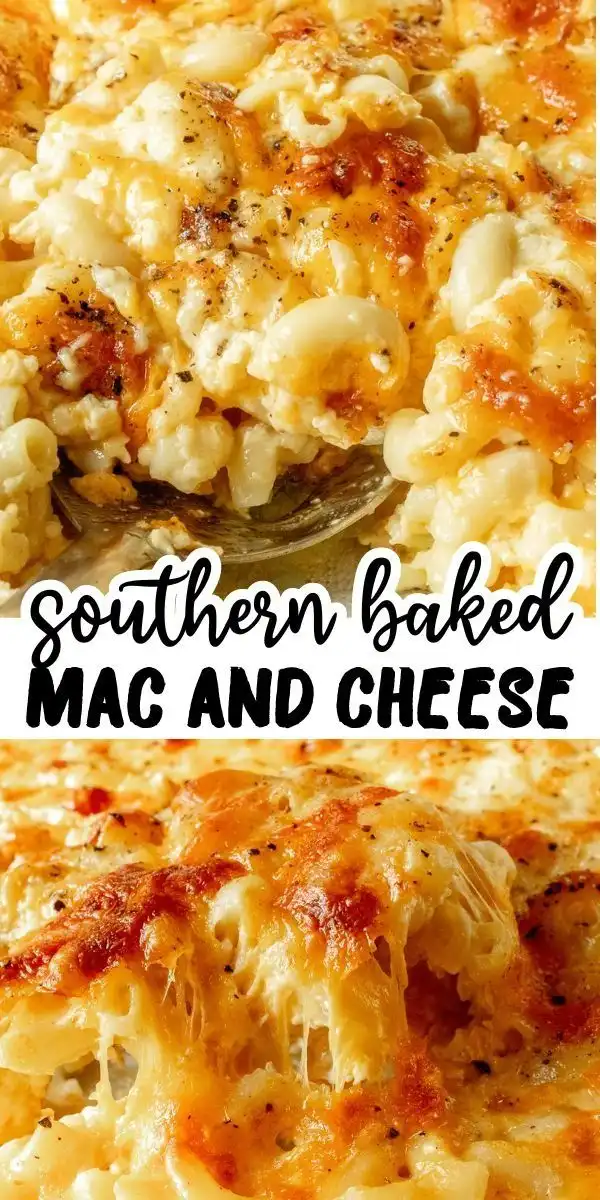
Southern baked mac and cheese isn’t just a side dish—it’s a cornerstone of soulful, comforting cuisine deeply rooted in Southern hospitality, family gatherings, church suppers, holiday feasts, and Sunday dinners. Unlike its stovetop or minimalist cousins, Southern-style baked macaroni and cheese is a rich, decadent, golden-crusted casserole that balances creamy depth with caramelized texture, bold cheese flavor, and subtle warmth. It’s not merely about pasta and cheese; it’s about legacy, love, and the alchemy of time-honored techniques passed down through generations—often scribbled on index cards stained with butter and decades of devotion. Whether served alongside fried chicken, collard greens, and cornbread—or crowned as the star of a potluck spread—this dish evokes nostalgia, resilience, and unapologetic indulgence. In the South, mac and cheese is more than food: it’s memory made edible, tradition baked to perfection.
The History
The origins of Southern baked mac and cheese are layered, complex, and deeply intertwined with African American culinary ingenuity, colonial adaptation, and sociohistorical evolution. While pasta dishes appeared in European cookbooks as early as the 14th century—including an English recipe for “macaroni pie” in Hannah Glasse’s 1747 The Art of Cookery Made Plain and Easy—it was enslaved Black chefs who transformed this dish into the soul-sustaining staple we recognize today. Enslaved cooks like James Hemings (Thomas Jefferson’s French-trained chef) brought refined techniques—including béchamel-based cheese sauces and oven-baking methods—from Europe to Virginia plantations, adapting them using locally available ingredients and infusing them with African American sensibilities around richness, texture, and communal nourishment.
By the late 19th and early 20th centuries, mac and cheese appeared in African American community cookbooks such as What Mrs. Fisher Knows About Old Southern Cooking (1881), written by former enslaved woman Abby Fisher—featuring a “macaroni pie” baked with butter, milk, and cheese. The dish gained wider popularity during the Great Depression and WWII, when economical staples like elbow macaroni, American cheese, and evaporated milk offered affordable protein and comfort. Post–Civil Rights era saw a reclamation and celebration of this dish as a symbol of cultural pride—elevated in church basements, Juneteenth tables, and family reunions across the Black Belt. Today, chefs like Carla Hall, Mashama Bailey, and Michael Twitty continue honoring and innovating upon this heritage—proving that Southern baked mac and cheese is both a historical artifact and a living, breathing, evolving expression of identity, resistance, and joy.
Ingredients Breakdown
Every ingredient in authentic Southern baked mac and cheese serves a precise functional and sensory purpose—not just flavor, but structure, moisture retention, browning potential, and mouthfeel. Below is an exhaustive breakdown of each component, including why it’s used, common substitutions, regional preferences, and professional insights:
- Elbow Macaroni (or Small Tube Pasta): Traditionally, short, ridged, hollow pastas like cavatappi, shells, or gemelli are preferred over plain elbows for superior sauce adhesion and textural contrast. High-quality semolina pasta holds up better during prolonged baking without turning mushy. Undercooking pasta by 1–2 minutes before baking is non-negotiable—residual heat and sauce absorption complete the cooking process.
- Butter (Unsalted, Cultured Preferred): Used in three critical stages—sautéing aromatics, building roux, and dotting the top before baking. Unsalted butter gives control over sodium levels; cultured (European-style) butter adds nuanced tang and higher fat content for richer browning.
- All-Purpose Flour (or Wondra for Clump-Free Roux): Forms the structural backbone of the cheese sauce via a classic white roux (butter + flour cooked 2–3 minutes). Wondra flour dissolves instantly and prevents lumps—a pro tip especially valuable for home cooks. Some traditionalists use a “blond roux” for deeper nuttiness; others skip roux entirely for a custard-based approach (see Variations).
- Whole Milk (or Half-and-Half/Evaporated Milk Blend): Whole milk provides creaminess without heaviness. Many Southern cooks swear by a 50/50 blend of whole milk and evaporated milk—the latter contributes concentrated dairy solids, enhancing browning and thickening power without added starch. Buttermilk is occasionally used for acidity and tenderness, though it requires careful balancing to avoid curdling.
- Heavy Cream or Sour Cream (Optional but Recommended): Adds luxurious silkiness and fat content crucial for preventing graininess in the cheese sauce. Sour cream also contributes subtle tang that cuts through richness—especially important when using high-moisture cheeses.
- Dry Mustard Powder: A signature Southern secret weapon—not for heat, but for amplifying cheese flavor through enzymatic enhancement of casein compounds. Just ½ tsp unlocks umami depth and rounds out sharpness without tasting “mustardy.”
- Onion Powder & Garlic Powder: Used instead of fresh aromatics in many traditional recipes to ensure even distribution and prevent burnt bits during long baking. Toasted onion powder (gently heated in butter before adding flour) adds profound savoriness.
- Paprika (Sweet or Smoked): Not just for color—sweet paprika contributes floral earthiness; smoked paprika (use sparingly) echoes the flavor of pit-smoked meats often served alongside. Always bloom in warm butter for maximum aromatic release.
- Cayenne Pepper or White Pepper: A whisper—not a punch. Cayenne lifts flavor and adds back-of-throat warmth; white pepper offers similar heat without black specks. Both are essential for “seasoning the cheese,” not spicing the dish.
- Worcestershire Sauce: A fermented umami bomb containing tamarind, anchovies, and molasses—adds complexity and savory depth. One teaspoon is enough to transform the sauce without detectable flavor.
- Hot Sauce (Crystal, Louisiana, or Texas Pete): A few dashes add brightness and balance. Never substitute vinegar-heavy brands like Tabasco unless diluted—acidity must be calibrated precisely to protect cheese emulsion.
- Cheese Blend (The Heart of the Dish): Authentic Southern versions rarely rely on a single cheese. Instead, they employ a strategic *triple-tiered blend*:
- Base Melters (60–70%): Sharp cheddar (aged 12+ months), Colby Jack, Monterey Jack, or Gouda—provide foundational melt, tang, and body.
- Flavor Enhancers (20–30%): Fontina, Havarti, Muenster, or young Gruyère—contribute buttery notes, smooth texture, and superior stretch.
- Umami & Depth Agents (5–10%): Parmigiano-Reggiano, aged Asiago, or Pecorino Romano—grated fine, stirred in at the end for salty, nutty complexity. Never pre-shredded—cellulose and anti-caking agents inhibit melting.
- Large Eggs (for Custard-Style Versions): When included (common in Gulf Coast and Lowcountry variations), eggs create a silken, almost soufflé-like interior. Temper carefully—never add cold eggs to hot sauce—and bake in a water bath for insurance against curdling.
- Breadcrumb Topping (Buttery, Herbed, or Panko-Based): Freshly made from day-old sourdough or brioche, toasted in browned butter with thyme, parsley, and a pinch of nutmeg. Panko adds exceptional crunch; crushed Ritz crackers offer nostalgic sweetness and salt. Optional additions: crumbled bacon, diced jalapeños, or candied pecans for sweet-heat contrast.
- Salt (Kosher or Sea Salt): Crucial for seasoning every layer—pasta water, sauce, and topping. Underseasoned mac and cheese tastes flat and one-dimensional, no matter how much cheese you use.
Step-by-Step Recipe
- Preheat & Prep: Position oven rack in the lower third. Preheat oven to 350°F (175°C). Generously butter a 9×13-inch (or equivalent 4-quart) ceramic or enameled cast-iron baking dish. Set aside.
- Cook the Pasta: Bring 6 quarts of water to a vigorous boil. Add 3 tbsp kosher salt. Add 2 lbs (about 4 cups) dried elbow macaroni or cavatappi. Stir frequently. Cook only until *al dente*—approximately 6–7 minutes (1–2 minutes less than package directions). Drain thoroughly in a colander; rinse briefly under cool water *only if not using immediately*, then drain again. Toss with 1 tbsp melted butter to prevent sticking. Let cool slightly while preparing sauce.
- Make the Roux: In a heavy-bottomed Dutch oven or large saucepan, melt 1 cup (2 sticks) unsalted butter over medium-low heat. Once foaming subsides, whisk in ¾ cup all-purpose flour. Cook, whisking constantly, for 3–4 minutes until mixture turns pale gold and smells nutty—do not let it brown. This is your “white roux”—the foundation of stability.
- Temper the Dairy: Slowly whisk in 4 cups warm whole milk (heated gently in microwave or saucepan—do not boil) in a steady stream, ensuring no lumps form. Continue whisking vigorously until fully incorporated and smooth. Add 1 cup evaporated milk and ½ cup heavy cream (or full-fat sour cream) for richness and browning capacity.
- Season the Base: Whisk in 2 tsp dry mustard powder, 1½ tsp onion powder, 1 tsp garlic powder, 1½ tsp smoked paprika, ¼ tsp cayenne, 1½ tsp Worcestershire sauce, 10 dashes hot sauce, and 2 tsp kosher salt. Simmer gently over medium-low heat for 8–10 minutes, stirring often, until sauce thickens to coat the back of a spoon (nappe consistency). Remove from heat.
- Grate & Combine Cheeses: Using a box grater or food processor, freshly grate: 3 cups sharp white cheddar (12-month aged), 2 cups Colby Jack, 1½ cups Fontina, and ½ cup finely grated Parmigiano-Reggiano. Reserve 1 cup of the cheddar-Jack blend and ¼ cup Parmigiano for topping.
- Emulsify the Cheese Sauce: Return sauce to low heat (do not boil). Gradually whisk in grated cheeses in three batches, allowing each addition to fully melt before adding more. Stir constantly in a figure-eight motion to maintain emulsion. If sauce appears greasy or separates, remove from heat, stir in 1 tbsp cold cream, and whisk vigorously. For custard-style: temper 3 large eggs with ½ cup warm sauce, then whisk mixture back into pot off heat.
- Combine Pasta & Sauce: Pour hot cheese sauce over drained pasta in a very large mixing bowl. Gently fold with a silicone spatula or wooden spoon until every noodle glistens and is evenly coated—avoid overmixing, which can break pasta. Taste and adjust salt, heat, or tang as needed.
- Transfer & Top: Spoon mixture into prepared baking dish, smoothing top with spatula. Dot surface evenly with 2 tbsp cold butter cut into small pieces. Sprinkle reserved cheese blend and Parmigiano over top. For crunchy topping: combine 1½ cups panko, ¼ cup melted butter, 2 tbsp chopped fresh parsley, 1 tsp dried thyme, ¼ tsp grated nutmeg, and ½ tsp flaky sea salt; scatter evenly.
- Bake with Precision: Place dish on a foil-lined baking sheet (to catch spills). Bake uncovered for 35–40 minutes, rotating halfway, until edges bubble vigorously, center is set (jiggles slightly but doesn’t slosh), and top is deeply golden with crisp, caramelized patches. For extra crust: broil 1–2 minutes at end—watch closely!
- Rest Before Serving: Remove from oven and let rest *undisturbed* for 20–25 minutes. This allows starches to fully set, sauce to reabsorb, and temperature to equalize—ensuring clean slices and creamy, not runny, texture. Serve in generous portions with a wide spatula.
Tips
- Never Skip the Rest: Cutting into hot mac and cheese causes catastrophic weeping and sauce collapse. That 20-minute rest is non-negotiable for structural integrity and optimal mouthfeel.
- Undercook Pasta Intentionally: Overcooked pasta turns to mush during baking. Aim for firm-but-edible with slight resistance in the center.
- Grate Your Own Cheese: Pre-shredded cheese contains cellulose, potato starch, and anti-caking agents that repel moisture and cause separation. Freshly grated melts smoothly and tastes exponentially better.
- Warm Your Dairy: Cold milk shocks the roux and causes lumps. Warm dairy (110–120°F) integrates seamlessly and speeds thickening.
- Use a Heavy Pot: Thin pans scorch roux and cause uneven heating. A Dutch oven ensures consistent, gentle cooking—critical for stable emulsions.
- Add Acid Last: Vinegar-based hot sauce or mustard should go in *after* roux is cooked and dairy added—adding acid too early can break the emulsion before cheese even enters.
- Layer Flavors, Not Just Cheese: Bloom spices in butter first. Sauté minced shallots or leeks for 5 minutes before adding flour for aromatic depth. A splash of bourbon or apple cider vinegar (¼ tsp) stirred in at the end brightens richness.
- Bake in Ceramic or Cast Iron: These materials retain heat longer and distribute it more evenly than glass or metal, yielding superior crust formation and interior creaminess.
- Freeze Smart: Assemble unbaked mac and cheese, cover tightly, and freeze up to 3 months. Thaw overnight in fridge, then bake 10–15 minutes longer. Avoid freezing after baking—reheating degrades texture.
- Reheat Like a Pro: To revive leftovers, add 1–2 tbsp milk or cream per serving, cover with damp paper towel, and microwave in 30-second bursts—stirring between—until piping hot. Or bake covered at 325°F for 20–25 minutes.
Variations and Customizations
Southern baked mac and cheese is gloriously adaptable—reflecting regional dialects, seasonal abundance, dietary needs, and personal storytelling. Here’s an expansive guide to beloved and innovative riffs:
- Lowcountry Shrimp & Grits Mac: Fold in 2 cups sautéed wild-caught shrimp, ½ cup stone-ground grits cooked in seafood stock, and 2 tbsp chopped green onions. Top with crispy fried shallots.
- Smoky Pitmaster Style: Replace ½ cup milk with hickory-smoked broth; add 1 tbsp liquid smoke (optional) and ¼ cup finely chopped smoked sausage or andouille. Garnish with pickled red onions.
- Gulf Coast Crab Mac: Gently fold in 1½ cups lump blue crabmeat (picked and rinsed) and 2 tbsp Old Bay seasoning into finished sauce. Finish with lemon zest and tarragon.
- Vegetarian “Soul Garden” Version: Swap butter for vegan butter and milk for oat milk; use smoked Gouda, nutritional yeast, and roasted poblano peppers for umami. Top with blistered cherry tomatoes and basil oil.
- Keto/Low-Carb Adaptation: Substitute shirataki noodles or spiralized daikon; thicken with xanthan gum (¼ tsp) instead of roux; use high-fat cheeses like aged cheddar, cream cheese, and mascarpone. Add almond flour breadcrumbs.
- Breakfast Mac & Cheese: Stir in crumbled cooked country ham, diced roasted potatoes, and 4 whisked eggs before baking. Top with chives and a fried egg per serving.
- Spicy Cajun Mac: Add 1 diced bell pepper, 1 rib celery, and ½ diced onion sautéed in butter before roux. Use Creole seasoning instead of paprika and cayenne; fold in Andouille and pickled okra.
- Sweet-Savory Pecan & Apple: Sauté 1 diced Granny Smith apple in butter and brown sugar; fold in with ¾ cup toasted candied pecans and sharp cheddar. Dust with cinnamon before baking.
- “Church Picnic” Simplified: Use 1 lb pasta, 2 cups American cheese (for foolproof melt), 1 can condensed cheddar soup, and evaporated milk. Still delicious—and deeply nostalgic.
- Brunch Croque-Monsieur Mac: Layer mac in dish, top with Dijon-slathered brioche, Gruyère, and prosciutto. Broil until golden and bubbly.
- Vegan “Cheesy” Mac (No Nuts): Blend 1½ cups cooked cauliflower, ½ cup sunflower seeds, ¼ cup lemon juice, 2 tbsp nutritional yeast, 1 tsp turmeric, 1 tsp garlic powder, and ½ cup water into silky “cheese” sauce. Add miso paste for depth.
- Gluten-Free Southern Mac: Use certified GF pasta (brown rice or lentil-based); replace flour with 2 tbsp sweet rice flour or gluten-free all-purpose blend. Add 1 tsp psyllium husk for binding.
- Mini Individual Servings: Portion into buttered ramekins or mason jars. Reduce bake time to 25–30 minutes. Perfect for meal prep or elegant entertaining.
- Leftover Reinvention: Crisp cooled mac in buttered skillet until golden and crusty on bottom—top with poached egg, hot sauce, and microgreens for “Mac Hash.”
Health Considerations and Nutritional Value
A single 1-cup serving (approx. 280g) of traditional Southern baked mac and cheese contains roughly:
- Calories: 480–560 kcal
- Total Fat: 28–34g (16–20g saturated)
- Cholesterol: 110–140mg
- Sodium: 720–980mg (highly variable based on cheese, broth, and added salt)
- Total Carbohydrates: 38–44g (2–4g fiber, 3–5g sugars)
- Protein: 18–24g
Nutritional Highlights:
- Calcium & Phosphorus: Abundant from dairy—supports bone density and muscle function.
- Vitamin A & K2: From full-fat cheese and butter—essential for vision, immunity, and arterial health.
- Conjugated Linoleic Acid (CLA): Naturally occurring in grass-fed dairy—studied for anti-inflammatory and metabolic benefits.
- B Vitamins (B12, Riboflavin): Critical for energy metabolism and neurological health.
Considerations & Mindful Modifications:
- Sodium Awareness: Reduce by omitting added salt, using low-sodium broth, selecting cheeses lower in sodium (e.g., Swiss over processed American), and increasing herbs/spices for flavor without salt.
- Saturated Fat Balance: Substitute ¼–½ of butter with olive oil or avocado oil; use part-skim ricotta or cottage cheese blended into sauce for creaminess with less saturated fat.
- Fiber Boost: Stir in 1 cup finely chopped spinach or kale during last minute of sauce cooking; add ¼ cup ground flaxseed to breadcrumb topping.
- Portion Control: Serve in smaller portions (¾ cup) alongside vibrant vegetable sides—roasted Brussels sprouts, stewed okra, or black-eyed pea salad—to balance macros.
- Lactose Sensitivity Options: Use lactose-free milk and aged cheeses (naturally lower in lactose); incorporate digestive enzyme supplements if needed.
- Heart-Healthy Swaps: Incorporate omega-3-rich walnuts into topping; use grass-fed dairy linked to improved lipid profiles in emerging research.
- Not “Unhealthy”—Just Contextual: This dish shines as intentional comfort—not daily fare. Its value lies in cultural nourishment, shared joy, and psychological well-being, which nutrition science increasingly validates as vital components of holistic health.
Ingredients
- 2 lbs (about 4 cups) dried elbow macaroni or cavatappi
- 1 cup (2 sticks) unsalted butter, divided
- ¾ cup all-purpose flour (or Wondra)
- 4 cups whole milk, warmed
- 1 cup evaporated milk
- ½ cup heavy cream or full-fat sour cream
- 2 tsp dry mustard powder
- 1½ tsp onion powder
- 1 tsp garlic powder
- 1½ tsp smoked paprika
- ¼ tsp cayenne pepper
- 1½ tsp Worcestershire sauce
- 10 dashes Louisiana-style hot sauce
- 2 tsp kosher salt (plus more for pasta water)
- 3 cups sharp white cheddar, freshly grated (12-month aged)
- 2 cups Colby Jack, freshly grated
- 1½ cups Fontina, freshly grated
- ½ cup finely grated Parmigiano-Reggiano, plus extra for topping
- For Topping (Optional but Recommended): 1½ cups panko breadcrumbs, ¼ cup melted butter, 2 tbsp chopped fresh parsley, 1 tsp dried thyme, ¼ tsp freshly grated nutmeg, ½ tsp flaky sea salt
Directions
- Preheat oven to 350°F (175°C). Butter a 9×13-inch ceramic or enameled cast-iron baking dish.
- Bring 6 quarts water to boil. Add 3 tbsp kosher salt. Cook pasta 1–2 minutes shy of al dente. Drain, rinse quickly under cool water, drain again, toss with 1 tbsp melted butter, and set aside.
- In a heavy Dutch oven, melt ¾ cup butter over medium-low heat. Whisk in flour; cook 3–4 minutes until nutty and pale gold.
- Gradually whisk in warm whole milk, evaporated milk, and heavy cream. Add mustard, onion powder, garlic powder, paprika, cayenne, Worcestershire, hot sauce, and salt. Simmer 8–10 minutes until thickened.
- Remove from heat. Gradually whisk in grated cheeses in three batches until smooth and glossy.
- Fold cheese sauce into pasta until fully coated. Transfer to prepared dish.
- Dot top with remaining ¼ cup cold butter. Sprinkle with reserved cheese and optional breadcrumb mixture.
- Bake uncovered 35–40 minutes until bubbling at edges, set in center, and golden on top. Broil 1–2 minutes for extra crispness (optional).
- Let rest 20–25 minutes before serving.
FAQ
- Can I make this ahead of time?
- Absolutely. Assemble up to 24 hours ahead, cover tightly, and refrigerate. Add 5–10 minutes to bake time. For longer storage, freeze unbaked (up to 3 months); thaw overnight before baking.
- Why did my cheese sauce break or become greasy?
- Common causes: overheating after cheese is added, using pre-shredded cheese, adding cold dairy to hot roux, or excessive stirring once cheese melts. Fix: remove from heat, whisk in 1 tbsp cold cream, and stir vigorously. Next time—low heat, gradual cheese addition, and fresh grating are key.
- Can I use different pasta shapes?
- Yes! Cavatappi, fusilli, shells, penne, or gemelli all work beautifully—just adjust cook time. Avoid long pastas (spaghetti) or overly delicate varieties (angel hair) that disintegrate.
- Is there a way to make it lighter without sacrificing flavor?
- Yes. Replace half the butter with olive oil, use part-skim mozzarella or ricotta for bulk, increase veggies (spinach, roasted squash), and lean on spices, herbs, and umami-rich ingredients (miso, sun-dried tomatoes, mushrooms) rather than extra cheese.
- What’s the best cheese for Southern mac? Can I skip the expensive ones?
- Sharp cheddar is essential—but you don’t need $25/lb artisanal. Look for block cheddar labeled “aged 12 months” at grocery stores ($6–$9/lb). Fontina and Parmigiano elevate flavor, but you can use all cheddar + a splash of cream cheese for body and tang.
- My mac came out dry. What went wrong?