Spiced Mulled Wine or Holiday Punch: A Festive Delight for the Senses
As winter’s chill settles in and the holiday season sparkles to life, few beverages evoke warmth, comfort, and celebration quite like a steaming mug of spiced mulled wine or holiday punch. This aromatic drink, steeped in centuries of tradition, fills homes with the scents of cinnamon, cloves, orange zest, and red wine gently simmering on the stove. Whether you’re hosting a festive gathering, enjoying a quiet evening by the fire, or serving guests at a seasonal party, mulled wine is more than just a beverage—it’s an experience. In this comprehensive guide, we’ll dive deep into the rich history, essential ingredients, detailed preparation, variations, health considerations, and frequently asked questions about this beloved wintertime classic.
The History of Mulled Wine: From Ancient Rome to Modern Celebrations
Mulled wine has roots stretching back over two thousand years, originating in ancient Rome. The Romans were known for heating wine during colder months, often spicing it with herbs and honey to improve both flavor and perceived medicinal benefits. Known as Conditum Paradoxum, one of the earliest recorded recipes included wine, honey, mastic (a plant resin), saffron, and spices—then heated and stored in sealed jars. This concoction was not only enjoyed for taste but also believed to aid digestion and ward off illness.
As the Roman Empire expanded, so did the practice of spicing and warming wine. By the Middle Ages, mulled wine had become popular across Europe, particularly in Germany, where it evolved into Gluhwein. The name “Gluhwein” comes from the German word “glühen,” meaning “to glow,” referencing the glowing-hot iron implements once used to heat the wine. Street vendors at Christmas markets began selling Gluhwein in the 19th century, cementing its association with holiday cheer.
In Scandinavia, a similar version called Glögg emerged, often enriched with almonds, raisins, and aquavit. The British embraced their own version during Victorian times, especially around Christmas, sometimes using port wine and adding citrus fruits. Today, mulled wine—or holiday punch in non-alcoholic forms—is a global phenomenon, adapted to local tastes and traditions, yet always carrying that signature blend of warmth, spice, and festivity.
Ingredients Breakdown: What Makes Mulled Wine So Irresistible?
The magic of mulled wine lies in the harmonious balance between rich red wine, fragrant spices, sweeteners, and citrus. Each ingredient plays a vital role in creating a complex, inviting flavor profile that warms both body and soul. Let’s explore the components in detail:
- Red Wine: The foundation of any good mulled wine. Choose a dry, medium-bodied red such as Merlot, Cabernet Sauvignon, Pinot Noir, or Zinfandel. Avoid overly tannic or oaky wines, as they can become bitter when heated. You don’t need to use expensive wine—just pick something drinkable and balanced.
- Sweetener: Traditionally, sugar, honey, or maple syrup is used to balance the acidity of the wine and enhance the natural fruitiness. Honey adds floral notes, while brown sugar introduces molasses depth.
- Citrus: Oranges are most commonly used—both the juice and peel (zest). The bright acidity cuts through the richness, while the oils in the peel add aromatic complexity. Lemon or clementine can be used for variation.
- Whole Spices: These are key to authentic flavor:
- Cinnamon Sticks: Warm, woody sweetness; use whole sticks rather than ground for better infusion and easier removal.
- Whole Cloves: Intensely aromatic with a slight bitterness—use sparingly to avoid overpowering.
- Star Anise: Licorice-like flavor that enhances the festive aroma.
- Allspice Berries: Taste like a blend of cinnamon, nutmeg, and cloves; add warmth and depth.
- Nutmeg: Freshly grated nutmeg adds a delicate, earthy note (optional).
- Cardamom Pods: For a subtle floral-citrus undertone (optional).
- Liquor (Optional): Brandy, rum, or orange liqueur (like Cointreau or Grand Marnier) can be added at the end to boost warmth and complexity. This step is optional but highly recommended for adult versions.
- Fruit Additions: Apples, cranberries, pears, or raisins can be simmered with the wine for extra texture and flavor, especially in punch-style versions.
- Non-Alcoholic Base (for Mocktail Version): Grape juice, apple cider, pomegranate juice, or a blend of fruit juices can replace wine entirely for a family-friendly holiday punch.
Step-by-Step Recipe: How to Make Perfect Spiced Mulled Wine at Home
Creating your own spiced mulled wine is surprisingly simple and deeply rewarding. Follow this detailed recipe to craft a batch that will impress your guests and fill your home with irresistible aromas.
Ingredients
- 1 bottle (750 ml) dry red wine (e.g., Merlot or Cabernet Sauvignon)
- 1 cup (240 ml) unsweetened apple cider or juice
- 1 medium orange, sliced into rounds (plus extra zest for garnish)
- ½ cup (100g) granulated sugar or honey (adjust to taste)
- 2–3 cinnamon sticks
- 8–10 whole cloves
- 2 star anise pods
- 1 teaspoon whole allspice berries
- 1/4 teaspoon freshly grated nutmeg (optional)
- 2 cardamom pods, lightly crushed (optional)
- 1/4 cup (60 ml) brandy, rum, or orange liqueur (optional, for adults)
- Fresh cranberries or apple slices for garnish (optional)
Directions
- Prepare the Ingredients: Wash the orange and slice it into thin rounds. Gather all your spices and measure out the sweetener. If using honey, warm it slightly to make mixing easier.
- Combine in a Pot: In a large, heavy-bottomed saucepan or Dutch oven, pour in the red wine, apple cider, sugar (or honey), orange slices, cinnamon sticks, cloves, star anise, allspice berries, nutmeg, and cardamom pods. Stir gently to dissolve the sugar.
- Simmer Gently: Place the pot over medium-low heat. Warm the mixture slowly—do not boil. Bring it just to a gentle simmer (around 160–180°F or 70–82°C), then reduce the heat to low. Boiling will cause the alcohol to evaporate too quickly and may create a bitter taste.
- Infuse the Flavors: Let the mixture simmer uncovered for 20 to 30 minutes, stirring occasionally. The longer it simmers (up to 1 hour), the more intense the flavors become. However, do not exceed 1.5 hours to prevent degradation of taste.
- Add Spirits (Optional): Just before serving, stir in the brandy, rum, or orange liqueur. This preserves the alcohol content and adds a luxurious finish.
- Strain and Serve: Use a fine-mesh strainer or slotted spoon to remove the spices and orange slices if desired. Alternatively, leave them in for visual appeal and continued infusion. Ladle the hot mulled wine into heatproof glasses or mugs.
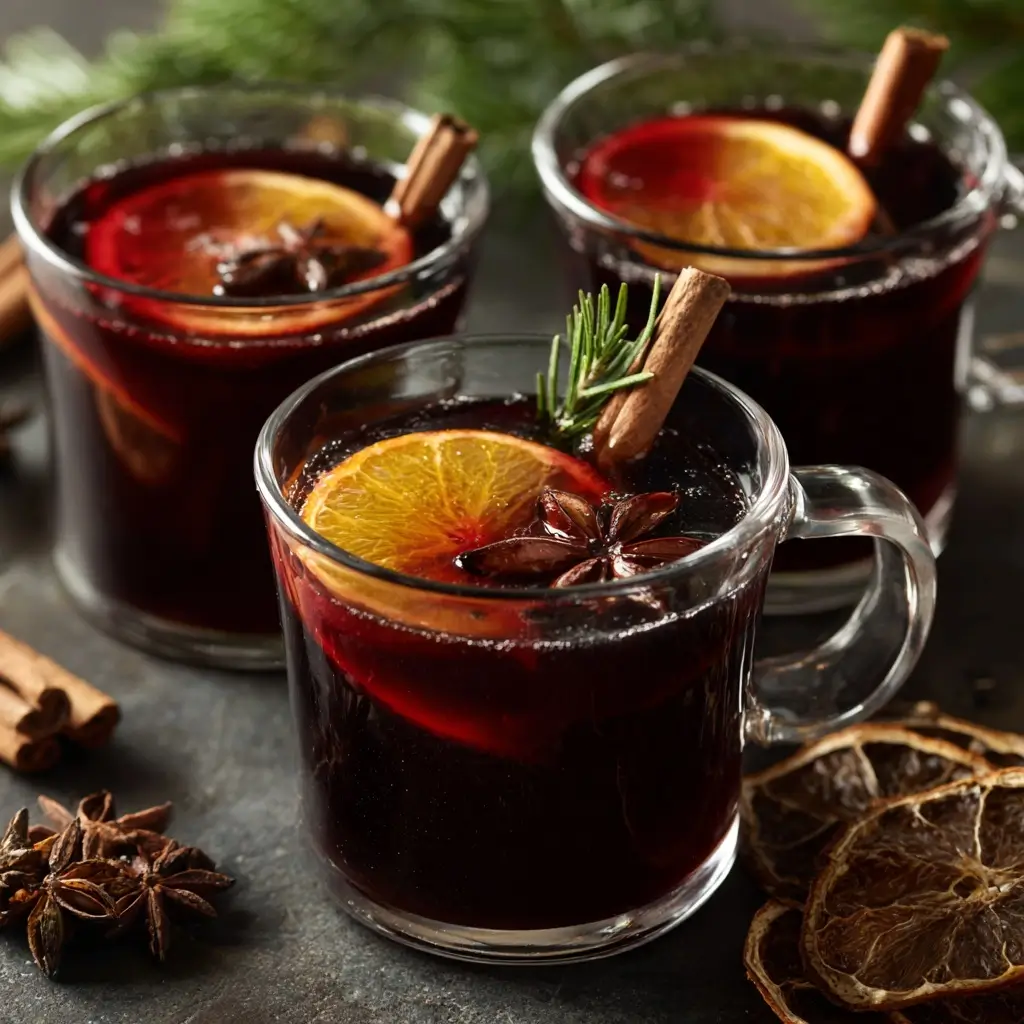
- Garnish and Enjoy: Top each serving with a fresh orange slice, a cinnamon stick, or a few cranberries on a skewer. Serve immediately while warm.
Tips for the Best Mulled Wine Experience
- Never Boil the Wine: High heat alters the flavor and evaporates too much alcohol. Keep the temperature below boiling point for optimal taste.
- Adjust Sweetness Carefully: Taste as you go. Some wines are fruitier or more acidic than others. Add sweetener gradually until balanced.
- Use Whole Spices: Ground spices can cloud the drink and become bitter. Whole spices infuse slowly and are easy to remove.
- Toast the Spices (Optional): Lightly dry-toast cinnamon sticks and cloves in the pan before adding liquids to intensify their aroma.
- Make It Ahead: Prepare the base (without alcohol) up to 2 days in advance. Reheat gently and add spirits just before serving.
- Keep It Warm Safely: Use a slow cooker set to “warm” to keep mulled wine ready for guests over several hours without scorching.
- Double or Triple the Batch: Mulled wine scales beautifully for parties. Just maintain the same ratios.
- Leftovers? Repurpose! Leftover mulled wine can be reduced into a syrup for desserts, used in marinades, or frozen into ice cubes for future cocktails.
Variations and Customizations: Make It Your Own
One of the joys of mulled wine is how easily it adapts to personal taste and dietary needs. Here are some creative twists to try:
- White Mulled Wine: Substitute white wine (like Chardonnay or Viognier) for a lighter, fruit-forward version. Use lemon instead of orange and add vanilla bean for creaminess.
- Sparkling Mulled Wine: After heating, top servings with prosecco or champagne for a fizzy, celebratory twist.
- Non-Alcoholic Holiday Punch: Replace wine with 3 cups apple cider, 2 cups grape juice, and 1 cup pomegranate juice. Simmer with the same spices and serve chilled or warm.
- Tropical Twist: Add pineapple juice, ginger slices, and a splash of coconut milk for a Caribbean flair.
- Smoky Depth: Include a pinch of smoked paprika or a drop of liquid smoke for a bold, modern touch.
- Herbal Infusion: Add fresh rosemary or thyme sprigs during simmering for a piney, earthy note that pairs beautifully with winter meals.
- Dairy-Enhanced (Glögg Style): Stir in a splash of almond milk, cream, or eggnog at the end for a richer mouthfeel.
- Kids’ Version: Omit alcohol entirely and sweeten with honey or agave. Serve in decorative mugs with candy canes or star-shaped cookies on the side.
- Overnight Cold Brew Style: Combine wine and spices in a jar and refrigerate for 12–24 hours. Strain and serve chilled over ice for a refreshing alternative.
Health Considerations and Nutritional Value
While mulled wine is a treat best enjoyed in moderation, it does come with some potential health benefits—and caveats.
Potential Benefits:
- Antioxidants from Red Wine: Contains resveratrol and polyphenols, which may support heart health and reduce inflammation when consumed in moderation.
- Immune-Supporting Spices: Cloves, cinnamon, and citrus are rich in antioxidants and vitamin C, traditionally believed to help fight colds.
- Digestive Aid: Warm liquids with spices like cinnamon and cloves may soothe the stomach and aid digestion after heavy holiday meals.
Considerations:
- Alcohol Content: Even after heating, most of the alcohol remains (about 80–85%). One serving (~8 oz) contains roughly 100–150 calories and 10–12 grams of sugar, depending on sweetener used.
- Sugar Levels: Can be high if excessive sweetener is added. Opt for natural sweeteners like honey or maple syrup, and use less for a healthier version.
- Not Suitable for Everyone: Pregnant women, individuals with liver conditions, or those avoiding alcohol should choose non-alcoholic alternatives.
- Spice Sensitivity: Cloves and cinnamon may cause irritation in sensitive individuals if consumed in excess.
A standard 8-ounce serving of traditional mulled wine typically contains:
- Calories: 180–220
- Alcohol: ~10–12% ABV (depending on additions)
- Sugars: 15–25g
- Carbohydrates: 20–30g
- Protein/Fat: Negligible
Frequently Asked Questions (FAQ)
Q: Can I make mulled wine without alcohol?
A: Absolutely! Use a blend of apple cider, grape juice, and pomegranate juice as a base. Simmer with the same spices and citrus for a delicious non-alcoholic holiday punch.
Q: How long can I store leftover mulled wine?
A: Store cooled mulled wine in an airtight container in the refrigerator for up to 3 days. Reheat gently on the stove—do not microwave, as it may alter flavor.
Q: Does heating wine remove all the alcohol?
A: No. While some alcohol evaporates during simmering, up to 85% can remain depending on time and temperature. To fully remove alcohol, you’d need to boil it extensively, which ruins the taste.
Q: Can I freeze mulled wine?
A: Yes, though texture may change slightly upon thawing. Freeze in ice cube trays for use in sauces, stews, or future cocktails.
Q: Why is my mulled wine bitter?
A: Bitterness usually comes from over-boiling, using low-quality wine, or too many cloves. Simmer gently and adjust spice quantities next time.
Q: Can I use ground spices instead of whole?
A: Not recommended. Ground spices can make the drink cloudy and gritty. Stick to whole spices for clarity and smooth texture.
Q: Is mulled wine safe for children?
A: Only if made without alcohol. Even with simmering, significant alcohol remains. Always prepare a separate non-alcoholic version for kids.
Q: What food pairs well with mulled wine?
A: Excellent with roasted meats, cheese platters (especially aged cheddar or brie), gingerbread, fruitcake, spiced nuts, or holiday desserts.
Summary
Spiced mulled wine or holiday punch is a timeless, aromatic beverage that brings warmth, flavor, and festive spirit to any winter occasion. With its deep historical roots and endless customization options, it’s a cherished tradition that welcomes creativity and connection.
Whether served in elegant glasses at a holiday soirée or cozy mugs during a snowfall, a well-made batch of mulled wine is sure to delight the senses and create lasting memories.