Sticky Garlic Chicken Noodles: A Flavorful Fusion of Comfort and Spice
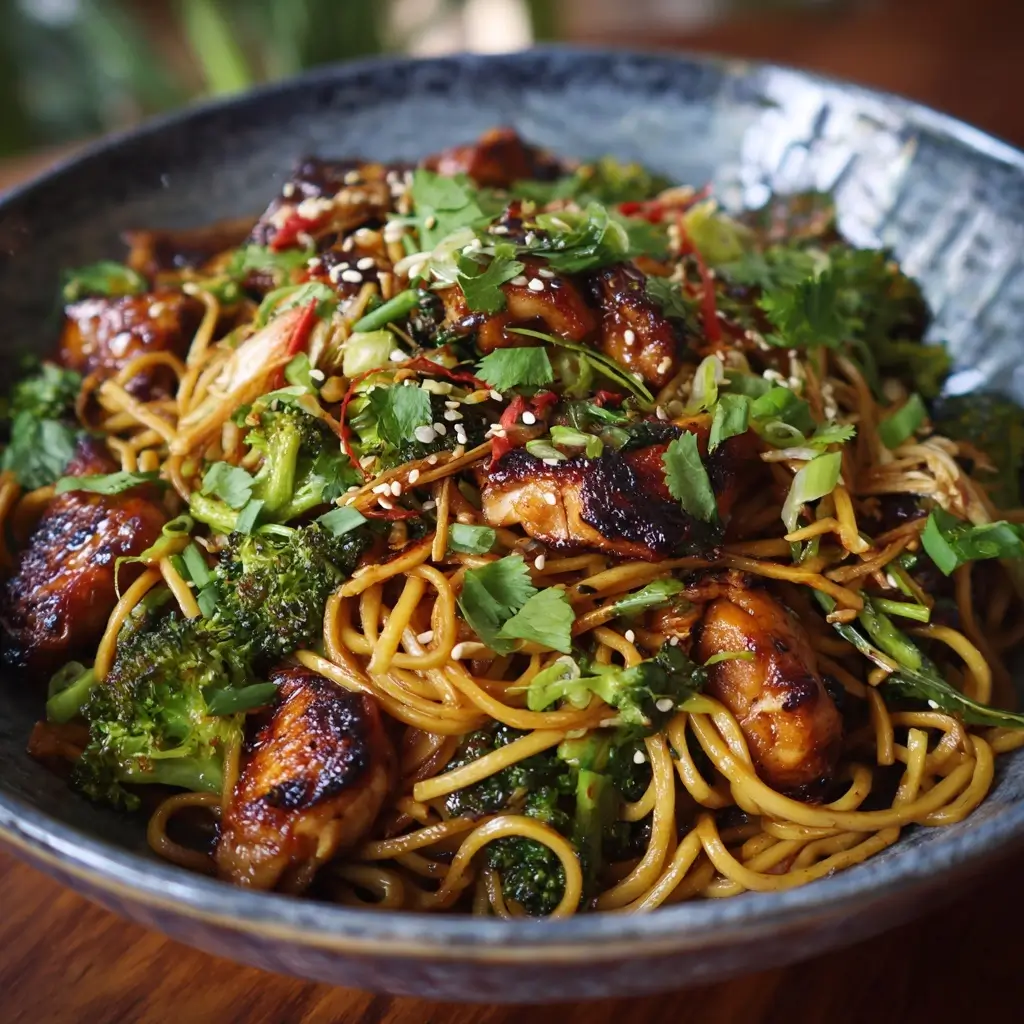
If you’re craving a dish that combines rich umami, bold garlic notes, tender chicken, and chewy noodles all in one satisfying bite, then Sticky Garlic Chicken Noodles are exactly what you need. This modern fusion recipe brings together the best of Asian-inspired flavors with Western comfort food appeal, creating a meal that’s not only easy to prepare but utterly addictive. Whether you’re cooking for yourself after a long day or impressing guests at a casual dinner party, this dish delivers maximum flavor with minimal effort. Let’s dive into everything you need to know about this delectable recipe—from its culinary roots to step-by-step instructions and beyond.
The History of Sticky Garlic Chicken Noodles
While Sticky Garlic Chicken Noodles aren’t tied to a single traditional cuisine, they embody the essence of global culinary fusion. The concept draws inspiration from several beloved Asian noodle dishes such as Chinese lo mein, Japanese yakisoba, and Korean jjajangmyeon—all known for their savory sauces and hearty textures. Garlic, a staple in many world cuisines, takes center stage here, echoing its use in both Eastern and Mediterranean cooking traditions where it’s prized for its pungent aroma and depth of flavor.
The “sticky” sauce element is reminiscent of American-Chinese takeout favorites like General Tso’s chicken or sesame chicken, where a glossy, sweet-and-savory glaze clings to crispy morsels. Over time, home cooks and chefs began adapting these concepts to create balanced one-pot meals using lean proteins like chicken breast or thigh, whole wheat or rice noodles, and healthier cooking methods such as stir-frying or sautéing instead of deep frying. Sticky Garlic Chicken Noodles emerged as a popular variation—offering restaurant-quality taste with customizable ingredients suitable for various dietary preferences including gluten-free, low-carb, and dairy-free options.
Ingredients Breakdown: What Makes This Dish Shine?
The magic of Sticky Garlic Chicken Noodles lies in its harmonious blend of simple yet powerful ingredients. Each component plays a crucial role in building layers of flavor, texture, and nutrition. Here’s a detailed breakdown:
- Chicken Breast or Thighs: Lean and protein-rich, chicken breasts are commonly used for their mild flavor and tender texture when cooked properly. Alternatively, thighs offer more moisture and richness due to higher fat content, making them ideal for those who prefer juicier meat.
- Noodles: Traditionally, egg noodles or udon are used for their chewy consistency. However, alternatives like rice noodles (gluten-free), soba (buckwheat), whole wheat spaghetti, or even zucchini noodles (zoodles) for a low-carb option work beautifully.
- Garlic: The star ingredient! Fresh garlic cloves are essential—never substitute jarred minced garlic if you want authentic flavor. When sautéed slowly, garlic turns golden and nutty; rushed cooking can make it bitter.
- Soy Sauce: Provides saltiness and umami depth. Use reduced-sodium soy sauce to control salt levels, or tamari for a gluten-free version.
- Hoisin Sauce: Adds sweetness, tang, and a deep reddish hue. It’s made from fermented soybean paste, sugar, vinegar, garlic, and spices—giving the sauce its signature stickiness.
- Rice Vinegar or Apple Cider Vinegar: Balances the sweetness with a touch of acidity, enhancing overall flavor complexity.
- Sesame Oil: A small amount goes a long way in adding nutty aroma and richness. Always use toasted sesame oil for maximum fragrance.
- Honey or Maple Syrup: Natural sweeteners help caramelize the sauce and enhance the “sticky” quality. Adjust according to your preferred level of sweetness.
- Ginger: Freshly grated ginger complements garlic with a warm, slightly spicy note that brightens the dish.
- Green Onions and Sesame Seeds: Used as garnishes, they add color, crunch, and subtle oniony freshness.
- Vegetables (optional): Common additions include bell peppers, broccoli, carrots, mushrooms, or snap peas for added fiber, vitamins, and visual appeal.
- Oil for Cooking: Neutral oils like vegetable, canola, or avocado oil are best for high-heat stir-frying without overpowering flavors.
Step-by-Step Recipe: How to Make Sticky Garlic Chicken Noodles
Follow this foolproof guide to achieve perfectly balanced, restaurant-style Sticky Garlic Chicken Noodles right in your kitchen. Serves 4. Prep time: 20 minutes. Cook time: 20 minutes.
- Prepare Ingredients: Slice 1.5 lbs (680g) boneless, skinless chicken breasts or thighs into thin strips. Mince 6–8 large garlic cloves. Grate 1-inch piece of fresh ginger. Chop 2 green onions (separate whites and greens). If using vegetables, slice bell peppers, carrots, or broccoli into bite-sized pieces.
- Cook the Noodles: Bring a large pot of salted water to a boil. Add 8 oz (225g) of your chosen noodles (egg, udon, soba, etc.) and cook according to package instructions until al dente. Drain, rinse under cold water to stop cooking, and toss with a teaspoon of neutral oil to prevent sticking. Set aside.
- Make the Sauce: In a small bowl, whisk together:
- ¼ cup soy sauce (or tamari)
- 3 tbsp hoisin sauce
- 2 tbsp honey (or maple syrup)
- 1 tbsp rice vinegar
- 1 tsp sesame oil
- ½ tsp crushed red pepper flakes (optional, for heat)
- 1 tsp cornstarch (to thicken the sauce)
Stir well until smooth and set aside.
- Cook the Chicken: Heat 1 tbsp oil in a large skillet or wok over medium-high heat. Add chicken strips in a single layer and cook for 5–6 minutes, turning occasionally, until golden brown and cooked through. Remove and set aside.
- Sauté Aromatics: In the same pan, add another tablespoon of oil. Reduce heat to medium. Add minced garlic and grated ginger, stirring constantly for about 1 minute—do not let garlic burn. Add chopped white parts of green onions and any vegetables you’re using (e.g., bell peppers, broccoli). Stir-fry for 3–4 minutes until crisp-tender.
- Add Sauce and Simmer: Pour the prepared sauce into the pan. Stir continuously and bring to a gentle simmer. Cook for 2–3 minutes until the sauce thickens slightly and becomes glossy.
- Combine Everything: Return the cooked chicken to the pan. Add the drained noodles. Toss everything together gently but thoroughly, ensuring every strand is coated with the sticky garlic sauce. Cook for an additional 2 minutes to allow flavors to meld.
- Finish and Serve: Taste and adjust seasoning—add a splash more soy sauce for saltiness, honey for sweetness, or vinegar for brightness. Transfer to serving plates or bowls. Garnish generously with remaining green onion slices and a sprinkle of toasted sesame seeds. Serve immediately while hot.
Tips for Perfect Sticky Garlic Chicken Noodles Every Time
- Don’t Overcook the Garlic: Burnt garlic turns bitter. Sauté it just until fragrant and lightly golden—about 30–60 seconds on medium heat.
- Use High Heat for Stir-Frying: To get that authentic “wok hei” (breath of the wok) flavor, use high heat and keep ingredients moving. But monitor carefully to avoid burning.
- Prep Ahead: Chop all ingredients before starting. Once you begin cooking, the process moves quickly.
- Thicken the Sauce Properly: Cornstark helps bind the sauce so it clings to the noodles. If your sauce seems too thin, mix ½ tsp cornstarch with 1 tbsp water and stir it in while simmering.
- Reserve Some Noodle Water: Before draining, save ¼ cup of starchy pasta water. Adding a splash during mixing can help loosen the sauce and improve adhesion.
- Double the Batch: This dish reheats well and tastes great the next day. Store leftovers in an airtight container in the fridge for up to 3 days.
- Reheating Tip: Microwave with a damp paper towel over the top, or reheat in a skillet with a splash of water or broth to restore moisture.
Variations and Customizations
One of the greatest strengths of Sticky Garlic Chicken Noodles is its adaptability. Here are some creative ways to personalize the dish:
- Protein Swaps: Replace chicken with shrimp, tofu, tempeh, thinly sliced beef, or even pulled pork for different flavor profiles.
- Low-Carb/Keto Version: Use spiralized zucchini (zoodles), shirataki noodles, or cabbage slaw as a base. Substitute honey with a keto-friendly sweetener like erythritol-based syrup and ensure hoisin is sugar-free or homemade.
- Gluten-Free Option: Choose tamari instead of soy sauce, verify hoisin is gluten-free (or make your own), and use rice noodles or other GF pasta varieties.
- Vegan Adaptation: Skip the chicken and use extra-firm tofu or seitan. Marinate tofu in the sauce for 15 minutes before pan-frying for deeper flavor.
- Spice It Up: Add sriracha, chili garlic sauce, sliced fresh Thai chilies, or a dash of gochujang for extra heat.
- Extra Veggies: Bulk up the meal with spinach, bok choy, snow peas, bean sprouts, or shredded cabbage. Add delicate greens at the end to wilt slightly.
- Nutty Twist: Stir in 2 tablespoons of peanut butter into the sauce for a Thai-inspired peanut-garlic twist, or top with crushed peanuts for crunch.
- Herb Boost: Finish with fresh cilantro, Thai basil, or mint leaves for a burst of aromatic freshness.
- Bowtie or Cold Noodle Salad: Chill the noodles and serve as a room-temperature salad with extra veggies and a lighter sauce—perfect for summer picnics.
Health Considerations and Nutritional Value
When prepared thoughtfully, Sticky Garlic Chicken Noodles can be a nutritious and balanced meal. Below is a general nutritional estimate per serving (based on 4 servings, using chicken breast and egg noodles):
- Calories: ~450–550 kcal
- Protein: 30–35g (excellent source)
- Carbohydrates: 50–60g (depending on noodle type)
- Fat: 12–18g (mostly healthy fats from sesame oil and cooking oil)
- Fiber: 3–5g (higher if using whole grain noodles or adding vegetables)
- Sodium: 800–1200mg (can be reduced by using low-sodium soy sauce and limiting added salt)
Health Benefits:
- Lean Protein Source: Chicken supports muscle maintenance and repair.
- Antioxidant-Rich Garlic: Known for immune-boosting properties and potential cardiovascular benefits.
- Ginger: Has anti-inflammatory and digestive-soothing effects.
- Complex Carbs (with whole grain noodles): Provide sustained energy and better blood sugar control.
- Healthy Fats: Sesame oil contains monounsaturated and polyunsaturated fats beneficial for heart health.
Dietary Notes:
- This dish is naturally dairy-free and can easily be adapted for gluten-free, low-carb, or plant-based diets.
- To reduce sodium, use low-sodium soy sauce and limit additional salt. Opt for reduced-sugar hoisin or make your own version.
- For weight management, increase vegetable volume and decrease noodle portions to lower calorie density.
Full Ingredient List
- 1.5 lbs (680g) boneless, skinless chicken breast or thighs, sliced into strips
- 8 oz (225g) noodles (egg, udon, soba, rice, or alternative)
- 6–8 large garlic cloves, finely minced
- 1-inch piece fresh ginger, grated
- 3 green onions, sliced (whites and greens separated)
- 2 tbsp neutral oil (vegetable, canola, or avocado), divided
- ¼ cup soy sauce (or tamari for gluten-free)
- 3 tbsp hoisin sauce (check label for gluten/sugar content)
- 2 tbsp honey (or maple syrup)
- 1 tbsp rice vinegar (or apple cider vinegar)
- 1 tsp toasted sesame oil
- ½ tsp crushed red pepper flakes (optional)
- 1 tsp cornstarch
- Salt and freshly ground black pepper to taste
- Optional vegetables: bell peppers, broccoli, carrots, mushrooms, snap peas
- For garnish: toasted sesame seeds, extra green onions
Detailed Directions
- Marinate Chicken (Optional): For enhanced flavor, marinate chicken strips in 1 tbsp soy sauce and 1 tsp cornstarch for 15–20 minutes before cooking.
- Cook Noodles: Boil salted water in a large pot. Add noodles and cook until just tender. Drain, rinse with cool water, toss with a little oil, and set aside.
- Whisk Sauce: In a bowl, combine soy sauce, hoisin, honey, vinegar, sesame oil, red pepper flakes, and cornstarch. Mix until fully blended and no lumps remain.
- Sear Chicken: Heat 1 tbsp oil in a large non-stick skillet or wok over medium-high heat. Add chicken in a single layer and cook 5–6 minutes, flipping once, until no longer pink. Remove and reserve.
- Sauté Garlic and Ginger: Lower heat to medium. Add remaining oil. Stir in garlic, ginger, and white parts of green onions. Cook 30–60 seconds until fragrant—do not brown.
- Add Vegetables: Toss in any vegetables and stir-fry 3–4 minutes until vibrant and tender-crisp.
- Simmer Sauce: Pour sauce mixture into the pan. Stir and bring to a simmer. Cook 2–3 minutes until thickened and glossy.
- Combine All: Return chicken to the pan. Add cooked noodles. Gently toss everything together, coating evenly. Cook 2 more minutes.
- Season and Serve: Taste and adjust with more honey (sweet), vinegar (tang), or soy sauce (salt). Sprinkle with green onion tops and sesame seeds. Serve immediately.
Frequently Asked Questions (FAQ)
Can I make this ahead of time?
Yes! You can prep ingredients (chop, marinate chicken, make sauce) up to 24 hours in advance. Assemble and cook just before serving for best texture. Leftovers store well for up to 3 days in the refrigerator.
Why are my noodles mushy?
Overcooking is the main culprit. Cook noodles al dente and rinse with cold water to halt cooking. Avoid adding them to the sauce too early or cooking them for too long after combining.
Can I freeze Sticky Garlic Chicken Noodles?
Freezing is not recommended due to the high moisture content from chicken and vegetables, which may lead to sogginess upon thawing. The sauce may also separate. Best enjoyed fresh or refrigerated short-term.
Is hoisin sauce necessary?
Hoisin adds signature sweetness and depth, but if unavailable, substitute with a mix of soy sauce, molasses or brown sugar, garlic, and a touch of plum sauce or ketchup for thickness.
How do I make it spicier?
Add sriracha, chili garlic sauce, sliced jalapeños, or extra red pepper flakes. You can also drizzle with spicy chili oil before serving.
What kind of pan should I use?
A large skillet, wok, or sauté pan works best. Non-stick is ideal for easy cleanup, but carbon steel or cast iron provides superior heat retention for stir-frying.
Can I use pre-cooked chicken?
Absolutely. Shred or dice leftover grilled or rotisserie chicken and add it at the final mixing stage just to heat through—no need to sear again.
Summary
Sticky Garlic Chicken Noodles are a delicious, versatile, and family-friendly meal that combines tender chicken, chewy noodles, and a rich, garlicky-sweet sauce infused with Asian-inspired flavors. Quick to make and endlessly customizable, this dish brings gourmet taste to your weeknight table with ease.