Introduction
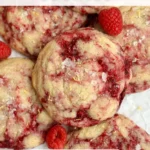
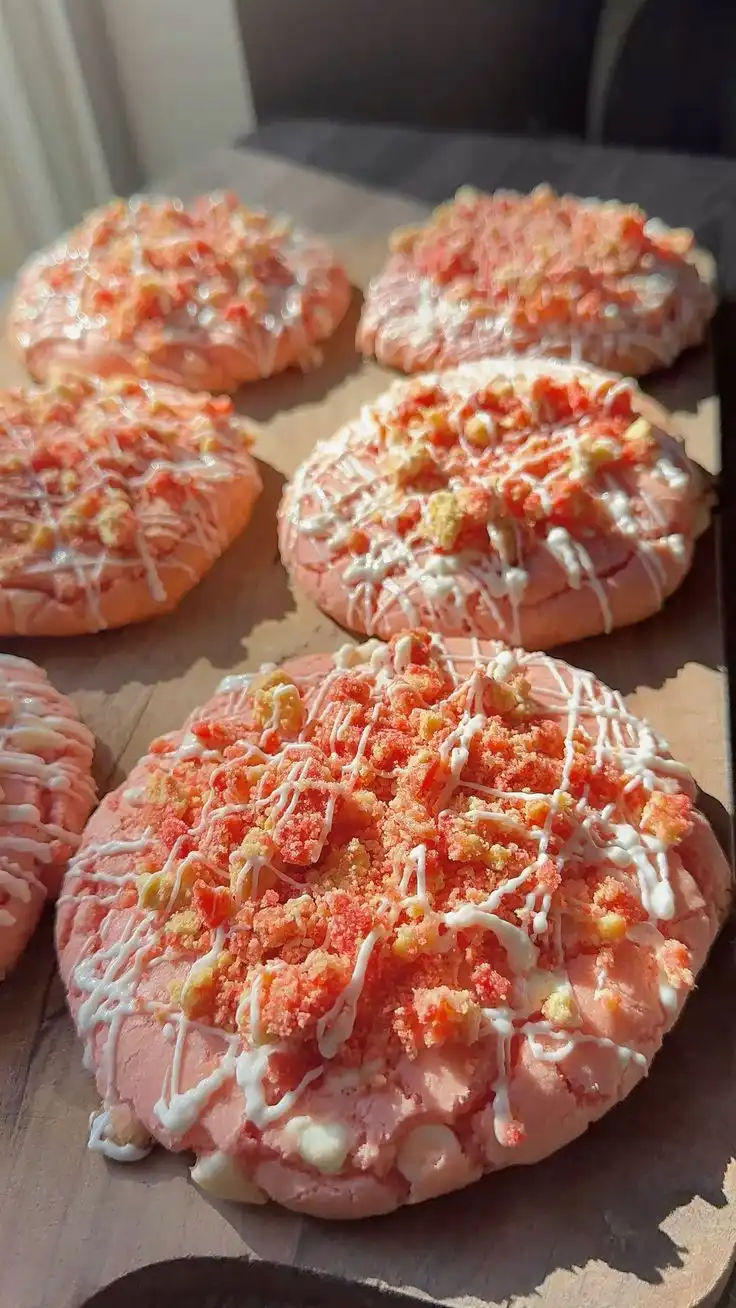
Strawberry shortcake cookies are a whimsical, nostalgic fusion of two beloved American classics: the tender, buttery charm of shortcake and the vibrant, juicy sweetness of fresh strawberries. These cookies capture the soul of summer in every bite—soft yet slightly crisp at the edges, studded with ruby-red strawberry pieces and flecks of real vanilla bean, then finished with a delicate dusting of powdered sugar or a glossy strawberry glaze. Unlike traditional shortcake—which is served as layers of biscuit, macerated berries, and whipped cream—these cookies distill that essence into a portable, shelf-stable (yet freshly indulgent) treat ideal for picnics, lunchboxes, bake sales, or an elegant afternoon tea. They’re not merely dessert—they’re edible nostalgia, reimagined with modern precision and artisanal care.
The History
The origins of strawberry shortcake trace back to 16th-century England, where “shortcake” referred to a crumbly, butter-enriched biscuit made with “shortening”—a term describing any fat that inhibits gluten development, yielding tenderness. Early versions were more akin to scones or sweetened breads, often served with stewed fruit. By the 18th century, American colonists adapted the recipe using locally abundant strawberries, and by the mid-1800s, strawberry shortcake had become a staple of New England summers, especially during June’s peak harvest. The first printed American recipe appeared in Eliza Leslie’s Directions for Cookery (1837), calling for layered biscuits, sliced strawberries, and sweetened cream. As baking evolved, so did interpretations—drop cookies, bar versions, and even ice cream sandwiches emerged. The strawberry shortcake cookie, however, is a relatively recent innovation—gaining traction in the 2010s among artisanal bakeries and food bloggers seeking to translate complex textures and seasonal flavors into approachable, scalable formats. Its rise mirrors broader culinary trends: hyper-seasonality, ingredient transparency, and the democratization of “fancy” desserts through home baking. Today, it stands as a testament to how tradition can be both honored and playfully reinvented.
Ingredients Breakdown
Every exceptional strawberry shortcake cookie begins with intention—not just measurement. Below is a meticulous, chef-level analysis of each component and its functional role:
- Unsalted Butter (1 cup, cold & cubed): Provides richness, flakiness, and structure. Cold temperature is non-negotiable—it creates steam pockets during baking, yielding tender layers within the cookie’s crumb. European-style butter (82–86% fat) is preferred for deeper flavor and superior browning.
- Granulated Sugar (¾ cup): Adds sweetness and aids in caramelization and spread control. A portion is reserved for rolling dough balls to enhance surface crunch.
- Brown Sugar (½ cup, light or dark): Contributes moisture, chewiness, and molasses depth—essential for mimicking shortcake’s rustic warmth. Dark brown sugar intensifies caramel notes; light offers subtler balance.
- Large Egg + 1 Egg Yolk: The whole egg binds and leavens; the extra yolk adds fat, emulsification, and golden color—critical for shortcake-like richness and velvety mouthfeel.
- Pure Vanilla Extract (2 tsp) + ½ tsp Vanilla Bean Paste (or seeds from 1 pod): Real vanilla provides floral, creamy complexity far beyond imitation. Bean paste ensures visible speckles and intense aroma—honoring the elegance of classic shortcake.
- All-Purpose Flour (2¾ cups, spooned & leveled): The structural backbone. Too much leads to toughness; too little causes collapse. Spoon-and-level method prevents compaction. For enhanced tenderness, substitute up to ¼ cup with cake flour.
- Cornstarch (2 tbsp): A secret weapon—reduces gluten formation, yielding ultra-tender, melt-in-your-mouth texture reminiscent of shortcake biscuits rather than standard chocolate chip cookies.
- Baking Powder (1 tsp) + Baking Soda (¼ tsp): Dual leavening agents ensure optimal lift and spread control. Baking powder provides steady rise; soda reacts with acid (from strawberries and buttermilk) for tenderness and subtle tang.
- Fine Sea Salt (1 tsp): Not just for seasoning—salt heightens sweetness, balances acidity, and strengthens gluten just enough for cohesion without chewiness.
- Fresh Strawberries (1¼ cups, finely diced & patted *very* dry): The heart of the cookie. Must be ripe but firm—overripe berries bleed excess moisture, causing spreading and steaming instead of caramelizing. Patting with paper towels removes surface water critical for texture integrity.
- Freeze-Dried Strawberry Powder (¼ cup, pulsed from unsweetened cubes): Intensifies strawberry flavor without adding liquid. Adds natural pink hue and bright, concentrated tartness—bridging the gap between fresh fruit and baked depth.
- Whole-Milk Buttermilk (2 tbsp): Adds subtle tang, tenderness, and moisture while activating baking soda. Its acidity also helps preserve the vibrant red color of strawberries during baking.
- Optional Glaze Ingredients: Powdered sugar (1 cup), freeze-dried strawberry powder (1 tbsp), heavy cream or milk (1–2 tbsp), pinch of salt. Creates a glossy, fruity finish that echoes traditional shortcake’s cream layer.
Step-by-Step Recipe
- Prep & Chill (45 min–overnight): In a large bowl, whisk together flour, cornstarch, baking powder, baking soda, and salt. In a separate bowl, beat cold cubed butter, granulated sugar, and brown sugar with a stand mixer fitted with paddle attachment on medium speed for 3–4 minutes—until pale, fluffy, and no butter streaks remain. Scrape bowl thoroughly. Add egg, yolk, vanilla extract, and vanilla bean paste; beat 1 minute until fully emulsified. Reduce speed to low; gradually add dry ingredients in three additions, mixing only until *just* combined after each. Fold in buttermilk. Gently fold in dried strawberries and fresh diced strawberries (ensure they’re bone-dry). Cover bowl tightly and refrigerate dough for *minimum* 45 minutes—or ideally 2–3 hours or overnight. This chills butter, hydrates flour, concentrates flavor, and prevents overspreading.
- Preheat & Prep Baking Sheets: Position racks in upper and lower thirds of oven. Preheat to 350°F (177°C). Line two half-sheet pans with parchment paper or silicone baking mats—no greasing required.
- Scoop & Chill Again: Using a 2-tablespoon ice cream scoop, portion chilled dough into 14–16 balls. Place on prepared sheets, spacing 3 inches apart. Roll each ball gently in reserved granulated sugar for subtle crunch and visual appeal. Return sheets to refrigerator for 15 minutes—this second chill ensures structural integrity during baking.
- Bake with Precision: Bake sheets one at a time for 12–14 minutes—rotating pan front-to-back at 7 minutes—until edges are set and lightly golden, centers appear soft and puffed but *not* shiny or wet. Cookies will look underbaked—that’s intentional; they’ll firm as they cool. Do *not* overbake—this sacrifices tenderness.
- Cool Strategically: Let cookies rest on baking sheet for exactly 5 minutes—this allows internal steam to redistribute and structure to set. Then, carefully transfer with a thin spatula to wire racks. Cool completely (≈45 minutes) before glazing or serving. Warm cookies will absorb glaze; fully cooled ones hold texture and contrast.
- Glaze (Optional but Recommended): Whisk powdered sugar, strawberry powder, and pinch of salt. Gradually add cream, ½ tsp at a time, until mixture reaches thick but drizzle-able consistency (like heavy honey). Dip tops of cooled cookies face-down into glaze, lift, let excess drip off, then place on rack over parchment. Optional: sprinkle with crushed freeze-dried strawberries or edible rose petals before glaze sets.
Tips
- Strawberry Dryness is Non-Negotiable: Even a teaspoon of excess moisture from berries turns cookies soggy or causes cratering. After dicing, spread berries on triple-layered paper towels, cover with more towels, and press gently. Repeat if dampness remains.
- Butter Temperature Matters More Than You Think: If butter is too warm (>65°F), cookies spread into sad puddles. If too cold (<50°F), dough won’t cream properly. Keep butter in fridge until 10 minutes before use; test by pressing thumb—it should yield slightly but hold indentation.
- Don’t Skip the Double Chill: First chill hydrates flour and firms fats; second chill (after scooping) prevents thermal shock in oven—both ensure domed, bakery-style cookies with defined edges and soft centers.
- Use a Timer—and Set Two: Oven hot spots vary. Use one timer for total bake time, another for the 7-minute rotation mark. Overbaking by even 30 seconds compromises tenderness irreversibly.
- Measure Flour Correctly: Scoop flour into measuring cup with a spoon, then level with straight edge. Never scoop directly from bag—that compacts flour and adds up to 25% excess, leading to dense, dry cookies.
- Freeze-Dried Strawberry Powder Makes or Breaks Flavor: Store-bought versions often contain fillers or added sugar. For purity, pulse unsweetened freeze-dried strawberries in a spice grinder until powdery. Sift before use to remove grit.
- Cooling Surface Affects Texture: Wire racks allow air circulation underneath—preventing trapped steam that makes bottoms gummy. Never cool on paper towels or plates.
- Batch Baking Tip: Freeze unbaked dough balls on trays for 2 hours, then transfer to airtight freezer bags. Bake straight from frozen—add 1–2 minutes to bake time. Fresh-baked cookies anytime!
Variations and Customizations
These cookies are a canvas for creativity—rooted in tradition but endlessly adaptable:
- Lemon-Strawberry Shortcake Cookies: Add 1 tbsp finely grated lemon zest + ½ tsp lemon extract to wet ingredients. Replace 1 tbsp buttermilk with fresh lemon juice. Garnish with candied lemon peel.
- Herbal Elegance: Infuse ¼ cup melted butter with 1 tsp fresh thyme or basil leaves (simmer 2 minutes, cool, strain). Use infused butter in place of plain. Finish with edible flowers.
- Vegan Adaptation: Substitute cold vegan butter (Miyoko’s or Country Crock Plant Butter), flax egg (1 tbsp ground flax + 2.5 tbsp water), coconut yogurt for buttermilk, and maple syrup (reduce granulated sugar by 2 tbsp). Use aquafaba-based glaze.
- Gluten-Free Version: Replace flour blend with 2½ cups certified GF all-purpose blend (like King Arthur Measure-for-Measure) + 2 tbsp GF cornstarch. Ensure xanthan gum is included or add ½ tsp.
- Mini Shortcake Cookies: Use a 1-teaspoon scoop for bite-sized versions—bake 8–9 minutes. Perfect for parties or wedding favors.
- Shortcake Sandwich Cookies: Bake as directed, then halve cooled cookies horizontally. Fill with stabilized whipped cream (made with gelatin) and macerated strawberries. Dust with powdered sugar.
- Overnight Oats-Inspired: Add ⅓ cup old-fashioned rolled oats (toasted first) and 1 tbsp chia seeds for wholesome crunch and fiber boost—still tastes indulgent!
- Boozy Twist: Stir 1 tbsp high-quality strawberry liqueur (like Chambord) or bourbon into wet ingredients. Reduce buttermilk by 1 tsp.
Health Considerations and Nutritional Value
A single (standard 3-inch) strawberry shortcake cookie (un-glazed, made with full ingredients) contains approximately:
- Calories: 215 kcal
- Total Fat: 11g (7g saturated)
- Carbohydrates: 28g (19g sugars, including 12g natural from strawberries)
- Fiber: 1g (boost to 2g with oat or whole wheat variation)
- Protein: 2g
- Sodium: 145mg
- Vitamin C: ~18mg (30% DV) from fresh + freeze-dried strawberries
- Antioxidants: High in anthocyanins (from strawberry skins), which support cardiovascular health and cellular protection.
Health-Conscious Notes:
- Natural Sweetness Leverage: Fresh strawberries contribute nearly ⅓ of total sugar—reducing need for refined additions. Their fiber slows glucose absorption versus pure-sugar desserts.
- No Artificial Colors or Flavors: Vibrant hue and flavor come entirely from real fruit—avoiding synthetic dyes linked to sensitivities in some individuals.
- Portion Control Built-In: The recipe yields 14–16 substantial cookies—encouraging mindful enjoyment versus mindless snacking.
- Dairy Considerations: Contains butter, egg, buttermilk, and optional cream glaze. Lactose-intolerant bakers may use lactose-free dairy or plant alternatives (see Variations).
- Allergen Alert: Contains wheat, dairy, eggs, and soy (in most commercial vanilla extracts). Always verify labels for top-8 allergens.
- Balanced Indulgence Perspective: While not a “health food,” these cookies offer superior nutrient density vs. many packaged sweets—delivering real fruit phytonutrients, healthy fats, and zero preservatives. Enjoy as part of a varied, whole-food diet.
Ingredients
- 1 cup (2 sticks / 227g) unsalted butter, cold & cubed
- ¾ cup (150g) granulated sugar, plus 2 tbsp for rolling
- ½ cup (100g) light or dark brown sugar, packed
- 1 large egg + 1 large egg yolk (room temperature)
- 2 tsp pure vanilla extract
- ½ tsp vanilla bean paste (or seeds from 1 vanilla bean)
- 2¾ cups (345g) all-purpose flour, spooned & leveled
- 2 tbsp (16g) cornstarch
- 1 tsp baking powder
- ¼ tsp baking soda
- 1 tsp fine sea salt
- 1¼ cups (180g) fresh strawberries, hulled & finely diced
- ¼ cup (20g) unsweetened freeze-dried strawberry powder
- 2 tbsp (30ml) whole-milk buttermilk
For Strawberry Glaze (optional):
- 1 cup (120g) powdered sugar, sifted
- 1 tbsp (5g) freeze-dried strawberry powder
- Pinch of fine sea salt
- 1–2 tbsp (15–30ml) heavy cream or whole milk
- Optional garnish: Crushed freeze-dried strawberries, edible flowers, or lemon zest
Directions
- In a medium bowl, whisk together flour, cornstarch, baking powder, baking soda, and salt. Set aside.
- In the bowl of a stand mixer fitted with paddle attachment, combine cold cubed butter, granulated sugar, and brown sugar. Beat on medium speed for 3–4 minutes, scraping bowl twice, until light, fluffy, and no visible butter pieces remain.
- Add egg, egg yolk, vanilla extract, and vanilla bean paste. Beat on medium for 1 minute until smooth and cohesive.
- Reduce mixer speed to low. Add dry ingredients in three equal parts, mixing only until *just* incorporated after each addition. Do not overmix.
- Add buttermilk and mix on low for 15 seconds until absorbed.
- Gently fold in freeze-dried strawberry powder and fresh diced strawberries (ensure thoroughly patted dry) with a silicone spatula—just until evenly distributed. Dough will be soft and slightly shaggy.
- Cover bowl tightly with plastic wrap and refrigerate for minimum 45 minutes—or up to 72 hours for deeper flavor.
- When ready to bake, preheat oven to 350°F (177°C). Line two half-sheet pans with parchment paper.
- Scoop chilled dough using a 2-tablespoon ice cream scoop (≈40g each). Roll each ball in reserved 2 tbsp granulated sugar. Place 3 inches apart on prepared sheets.
- Refrigerate shaped cookies on sheets for 15 minutes.
- Bake one sheet at a time on center rack for 12–14 minutes—rotating pan front-to-back at 7 minutes—until edges are golden and set, centers appear softly puffed and matte (not shiny).
- Let cookies cool on baking sheet for exactly 5 minutes, then transfer to wire racks to cool completely (≈45 minutes).
- If glazing: Whisk powdered sugar, strawberry powder, and salt. Add cream ½ tsp at a time until thick but fluid. Dip cooled cookie tops, tap off excess, and set on rack. Let glaze set 20 minutes before serving.
- Store airtight at room temperature up to 5 days, or freeze baked cookies up to 3 months.
FAQ
- Can I use frozen strawberries?
- No—frozen strawberries release excessive water when thawed, resulting in gummy, flat, or collapsed cookies. Fresh, firm, in-season berries are essential.
- Why does the recipe call for both baking powder AND baking soda?
- Baking powder provides consistent leavening; baking soda reacts with the acid in buttermilk and strawberries for tenderness, lift, and subtle tang—mimicking traditional shortcake’s chemical balance.
- My cookies spread too much—what went wrong?
- Most common causes: butter too warm, insufficient chilling, under-measured flour, or skipping the second chill after scooping. Also check oven temperature with an oven thermometer—many ovens run hot.
- Can I make these ahead for a party?
- Absolutely! Bake cookies 1–2 days ahead and store airtight at room temperature. Glaze day-of for maximum freshness. Unbaked dough freezes beautifully for up to 3 months—bake from frozen, adding 1–2 minutes.
- What’s the best way to dice strawberries evenly?
- Use a very sharp paring knife. Hull berries, cut in half vertically, then slice each half into thin quarters lengthwise. Gather and finely mince—aim for pea-sized pieces no larger than ¼ inch.
- Can I omit the freeze-dried strawberry powder?
- You can—but flavor and color will be significantly muted. As a compromise, increase fresh strawberries to 1½ cups (still pat *extremely* dry) and add 1 tsp lemon juice to brighten flavor.
- Are these cookies suitable for mailing?
- Yes—when completely cooled and unglazed, they ship well in rigid tins layered with parchment. Avoid glaze or fresh fruit garnishes for transit. Include a silica gel packet to prevent moisture absorption.
- Can I use strawberry jam instead of fresh berries?
- Not recommended—jam adds too much liquid and sugar, altering texture and causing overspreading. However, you *can* swirl 1 tsp seedless jam into each dough ball before baking for a surprise center—just reduce fresh berries by 2 tbsp.
Summary
Strawberry shortcake cookies are a masterful, seasonally driven confection that honors centuries-old baking traditions while embracing modern technique—transforming the quintessential summer dessert into a tender, jewel-toned, handheld delight bursting with real fruit, vanilla perfume, and buttery depth.
With precise temperature control, strategic chilling, and reverence for quality ingredients—especially impeccably dried strawberries and pure vanilla—they deliver restaurant-worthy elegance from your home kitchen, one perfectly balanced, nostalgia-infused bite at a time.