Sugared Cranberries: A Festive, Sparkling Treat for Every Occasion
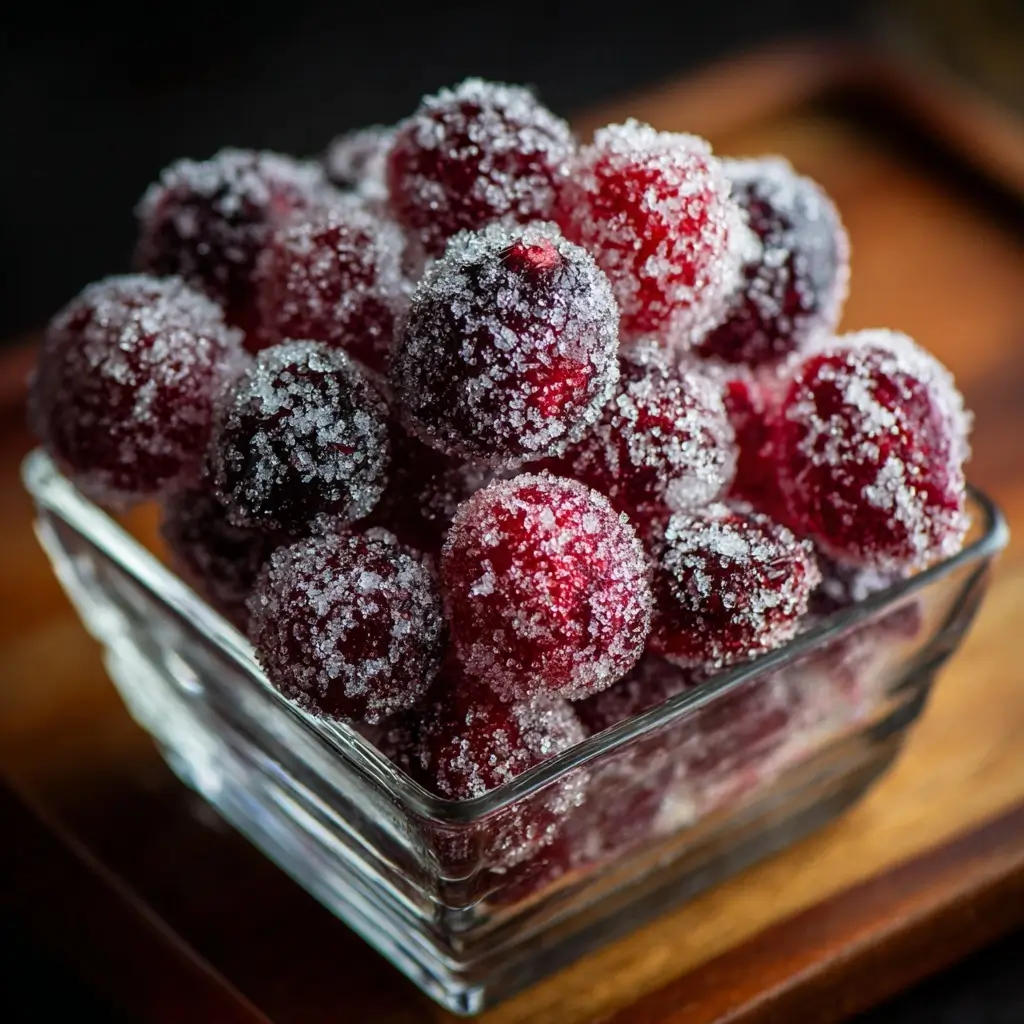
Sugared cranberries are a dazzling, jewel-toned confection that brings both visual elegance and a burst of tart-sweet flavor to desserts, cocktails, holiday platters, and garnishes. These glossy, sugar-coated berries are not only simple to make but also elevate any dish with their festive shimmer and crisp texture. Whether you’re preparing for a special event or simply indulging in seasonal baking, sugared cranberries offer a delightful twist on a classic fruit, transforming the humble cranberry into an edible gem.
The History of Sugared Fruits and Cranberries
The art of candying or sugaring fruits dates back centuries, originating in ancient civilizations such as Persia and spreading through medieval Europe as a method of preservation and luxury. Before refrigeration, coating fruits in sugar helped extend their shelf life while intensifying their sweetness. This technique was especially popular among royalty and nobility, who prized crystallized fruits as symbols of wealth and refinement.
Cranberries themselves have deep roots in North American history. Indigenous peoples used them for food, medicine, and dye long before European settlers arrived. The tart berries were later adopted by colonists, eventually becoming a staple of Thanksgiving feasts. While traditional cranberry sauce remains a holiday favorite, modern culinary creativity has led to innovations like sugared cranberries—melding old-world preservation techniques with contemporary flair. Today, they’re celebrated not just for their taste but also for their vibrant color and versatility in gourmet presentations.
Ingredients Breakdown: What Goes Into Perfectly Sugared Cranberries
Creating flawless sugared cranberries requires just a few high-quality ingredients. Each plays a crucial role in achieving the right balance of sweetness, shine, and texture:
- Fresh Cranberries: The star ingredient. Look for firm, plump, deep red berries with no soft spots or blemishes. Freshness ensures they hold their shape during the sugaring process.
- Granulated Sugar: Used both in the syrup and for coating. It dissolves into a clear glaze that coats the berries evenly and crystallizes into a delicate crunch.
- Water: Combines with sugar to form a light syrup that helps the outer layer of sugar adhere smoothly.
- Egg White (optional): Some recipes use beaten egg white instead of a sugar-water syrup to create a stickier surface for the sugar to cling to. This version results in a thicker, more opaque candy shell.
- Superfine Sugar (for coating): Also known as caster sugar, this fine-grained sugar adheres better than regular granulated sugar, giving the berries a smoother, shinier finish. You can pulse regular sugar in a blender to make your own.
- Flavor Enhancements (optional): A splash of vanilla extract, orange zest, or cinnamon can be added to the syrup for nuanced flavor variations.
Step-by-Step Recipe: How to Make Sugared Cranberries at Home
Making sugared cranberries is a straightforward process that yields stunning results. Follow these detailed steps for perfectly coated, sparkling cranberries every time.
- Wash and Dry the Cranberries: Rinse 1 cup of fresh cranberries under cold water. Spread them on a clean kitchen towel or paper towels and pat dry thoroughly. Any moisture will prevent the sugar from sticking properly, so ensure the berries are completely dry.
- Prepare the Syrup: In a small saucepan, combine 1/4 cup granulated sugar and 1/4 cup water. Heat over medium heat, stirring gently until the sugar dissolves completely. Bring the mixture to a gentle simmer and let it cook for 1–2 minutes until slightly thickened. Remove from heat and allow to cool for 5 minutes.
- Coat the Cranberries: Place the dried cranberries in a shallow bowl. Pour the warm syrup over them and stir gently to coat each berry evenly. Let them sit for 5–10 minutes to absorb the syrup slightly and create a tacky surface.
- Drain Excess Syrup: Using a slotted spoon, transfer the coated cranberries to a wire rack set over a baking sheet. This allows excess syrup to drip off and prevents clumping. Do not skip this step—it’s essential for even sugar adherence.
- Roll in Sugar: Place 1/2 cup superfine sugar in a wide bowl or plate. Working in small batches, roll each syrup-coated cranberry in the sugar until fully covered. Use tweezers or forks to handle them gently and avoid crushing.
- Dry Completely: Place the sugared cranberries back on the wire rack in a single layer. Let them air-dry at room temperature for 1–2 hours until the sugar coating hardens and becomes glossy.
- Store Properly: Once dry, store the sugared cranberries in an airtight container at room temperature, away from humidity. They will keep for up to 1 week.
Tips for Perfect Sugared Cranberries
- Dry Berries Thoroughly: Even a little moisture can cause the sugar to dissolve or clump unevenly. Allow extra drying time if needed.
- Use Superfine Sugar: It sticks better and gives a smoother, more professional appearance.
- Work Quickly: Once coated in syrup, cranberries begin to soften. Don’t let them soak too long or they may become mushy.
- Avoid Humidity: High humidity can cause the sugar to melt or become sticky. Make these on dry days, or use a dehumidifier if necessary.
- Double Sugar for Extra Shine: For a more dramatic sparkle, dip the dried sugared cranberries in egg white and roll in sugar a second time.
- Chill Before Serving (Optional): If using in cocktails or chilled desserts, refrigerate briefly before serving—but bring to room temperature just before display to prevent condensation.
Variations and Customizations
Sugared cranberries are wonderfully adaptable. Try these creative twists to suit different tastes and occasions:
- Colored Sugar Coating: Tint superfine sugar with food-safe gel colors (like red, gold, or green) for holiday-themed berries. Mix with edible glitter for a magical sparkle.
- Flavored Syrups: Infuse the syrup with citrus zest (orange or lemon), warm spices (cinnamon, clove), or floral notes (rosewater, lavender) for aromatic depth.
- Chocolate-Dipped Sugared Cranberries: After the sugar coating dries, dip one end in melted dark, milk, or white chocolate for a decadent treat.
- Citrus Glaze Version: Replace water with freshly squeezed orange juice in the syrup for a tangy twist.
- Herb-Infused: Add a sprig of rosemary or thyme to the warm syrup for a savory-herbal note—perfect for cheese boards or charcuterie.
- Mini Skewers: Thread sugared cranberries onto cocktail picks with marshmallows, grapes, or mini pretzels for festive party treats.
Health Considerations and Nutritional Value
While sugared cranberries are undeniably a sweet indulgence, it’s worth noting both their benefits and drawbacks from a nutritional standpoint.
Nutritional Highlights:
Cranberries themselves are rich in antioxidants, particularly proanthocyanidins, which support urinary tract health. They are low in calories, high in vitamin C, and contain fiber and beneficial plant compounds. However, the sugaring process significantly alters their nutritional profile.
Nutrition Facts (Approximate per 1/4 cup serving):
- Calories: ~120
- Total Fat: 0g
- Sodium: 0mg
- Total Carbohydrates: 30g
- Sugars: 28g
- Fiber: 1g
- Protein: 0g
- Vitamin C: 15% of Daily Value
Considerations:
Due to the high sugar content, sugared cranberries should be enjoyed in moderation, especially by individuals managing diabetes, insulin resistance, or watching their sugar intake. The added sugars contribute empty calories without significant micronutrient boosts beyond what the original cranberry provides.
To make a slightly healthier version, consider reducing the syrup sugar or using a natural alternative like coconut sugar (though results may vary in texture). Alternatively, serve smaller portions as a garnish rather than a standalone snack.
Ingredients
- 1 cup fresh cranberries
- 1/4 cup granulated sugar
- 1/4 cup water
- 1/2 cup superfine sugar (for rolling)
- (Optional) 1/4 tsp vanilla extract or citrus zest
Directions
- Wash cranberries and spread on a towel to dry completely—about 15–20 minutes.
- In a small saucepan, combine granulated sugar and water. Heat over medium until sugar dissolves, then simmer 1–2 minutes. Cool slightly.
- Add cranberries to a bowl and pour warm syrup over them. Stir gently and let sit 5–10 minutes.
- Using a slotted spoon, transfer berries to a wire rack to drain excess syrup (about 5 minutes).
- Pour superfine sugar into a shallow dish. Roll each cranberry in sugar until fully coated.
- Place coated berries back on the rack and let dry for 1–2 hours until firm and shiny.
- Store in an airtight container at room temperature for up to 7 days.
FAQ
Can I use frozen cranberries?
It’s best to use fresh cranberries. Frozen ones release too much moisture when thawed, making them soft and difficult to coat properly.
Why are my sugared cranberries sticky?
Stickness usually comes from humidity or insufficient drying. Ensure berries are fully dry before and after sugaring, and store in a cool, dry place.
Can I make sugared cranberries ahead of time?
Yes! They keep well for up to a week. Make them 1–2 days in advance for events to reduce last-minute prep.
Are sugared cranberries safe for kids?
Yes, though they are very sweet. Supervise young children due to choking risk from whole berries.
Can I freeze sugared cranberries?
No. Freezing causes condensation upon thawing, which melts the sugar coating and ruins the texture.
What can I use sugared cranberries for?
They’re perfect for decorating cakes, cupcakes, and cookies; garnishing cocktails (like champagne or cranberry mimosas); adding to holiday charcuterie boards; or packaging as homemade gifts.
Summary
Sugared cranberries are a radiant, easy-to-make delicacy that transforms tart fresh berries into shimmering, sweet-tart jewels perfect for holiday entertaining and gourmet gifting. With minimal ingredients and maximum visual impact, they bring festive charm to any table.