Introduction
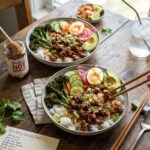
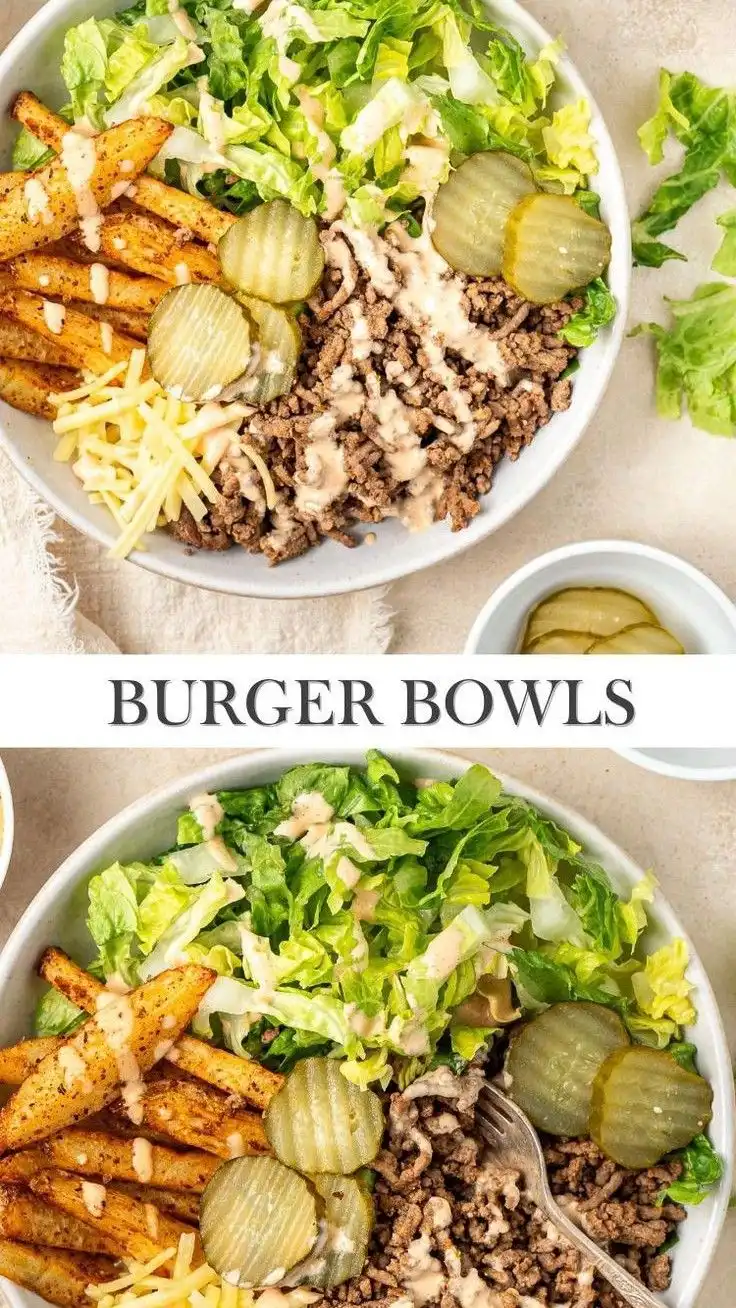
Burger Bowls are the ultimate fusion of classic American comfort food and modern, health-conscious, no-fuss dining — reimagined without the bun! Think all the bold, savory, crave-worthy flavors of your favorite cheeseburger — juicy seasoned beef (or plant-based alternative), melty cheddar, crisp lettuce, tangy pickles, creamy sauce, and toasted sesame seeds — served deconstructed in a nourishing, customizable bowl format. This isn’t just a “low-carb swap”; it’s a culinary upgrade that celebrates texture, balance, and versatility. Whether you’re meal prepping for the week, feeding a busy family, accommodating dietary restrictions, or simply craving something hearty yet wholesome, Burger Bowls deliver satisfaction without compromise. They’re infinitely adaptable, visually vibrant, nutritionally robust, and ready in under 30 minutes — making them a cornerstone of stress-free, flavorful weeknight dinners.
The History
The rise of the Burger Bowl is deeply rooted in the broader evolution of deconstructed cuisine and the growing cultural shift toward mindful eating. While the iconic hamburger traces its origins to late 19th-century America — with contested claims from Hamburg, Germany; Seymour, Wisconsin; and New Haven, Connecticut — the *Burger Bowl* emerged much more recently, gaining traction in the early 2010s alongside the paleo, keto, and whole30 movements. As home cooks and health-focused chefs sought alternatives to refined grains and calorie-dense buns, they began “deconstructing” the burger: separating components to highlight freshness, control portions, and enhance nutrient density. Social media platforms like Instagram and Pinterest accelerated its popularity, where vibrant, colorful bowls — topped with vibrant garnishes and drizzled sauces — became visual icons of balanced indulgence. Influential food blogs, celebrity nutritionists, and even fast-casual chains (like Bareburger and The Counter) soon adopted bowl formats, proving that ditching the bun didn’t mean sacrificing soul-satisfying flavor. Today, the Burger Bowl stands as a symbol of culinary innovation — honoring tradition while embracing flexibility, inclusivity, and real-food integrity.
Ingredients Breakdown
What makes a Burger Bowl truly exceptional isn’t just what’s in it — it’s how each ingredient contributes to harmony of flavor, texture, temperature, and nutrition. Let’s explore the core pillars:
- Protein Base: The foundation — traditionally 80/20 ground beef for optimal juiciness and flavor, but equally delicious with ground turkey, chicken, lamb, bison, or plant-based crumbles (lentil-walnut, black bean-quinoa, or high-quality store-bought options). Seasoning is non-negotiable: kosher salt, freshly cracked black pepper, garlic powder, onion powder, smoked paprika, and a touch of Worcestershire sauce (or coconut aminos for gluten-free) deepen umami richness.
- Cheese Element: Melty, salty, and aromatic — sharp cheddar, pepper jack for heat, Swiss for nuttiness, feta for briny brightness, or dairy-free cashew cheddar for vegan versions. Added during the last minute of cooking or broiled briefly for perfect melt.
- Crunch & Freshness: A textural counterpoint — shredded iceberg or romaine for cool crispness; thinly sliced red onion for sharp bite; dill pickle chips or bread-and-butter slices for acidity; cherry tomatoes or cucumber ribbons for juiciness; and optional additions like radish microgreens, jicama matchsticks, or roasted corn kernels.
- Sauce & Spread Layer: The flavor bridge — classic burger sauce (a blend of mayo, ketchup, yellow mustard, apple cider vinegar, garlic, and onion powders), chipotle aioli, avocado crema, sriracha-mayo, or dairy-free tahini-dill dressing. Never skimp — this layer ties everything together.
- Base & Bulk: Far more than filler — choose nutrient-dense, satisfying foundations: cauliflower rice (lightly sautéed for texture), quinoa (cooked in beef broth for depth), farro, brown rice, mixed greens, zucchini noodles, or even roasted sweet potato cubes. Each adds fiber, complex carbs, and staying power.
- Umami & Toasted Finish: The secret “restaurant-quality” touch — toasted sesame seeds, crushed pretzel crisps, crispy fried onions, nori strips, or a sprinkle of nutritional yeast for savory depth and crunch.
Every ingredient serves a purpose — no filler, no afterthoughts. It’s intentional layering, designed to excite the palate and nourish the body.
Step-by-Step Recipe
- Prep & Organize (5 minutes): Wash and chop all fresh vegetables. Cook your chosen grain or riced vegetable base according to package directions (if using cauliflower rice, sauté 4–5 minutes in olive oil until tender-crisp). Prepare sauce and set aside. Grate cheese. Measure seasonings.
- Build Flavor in the Pan (7 minutes): Heat a large nonstick or cast-iron skillet over medium-high heat. Add 1 tbsp high-smoke-point oil (avocado or grapeseed). Once shimmering, add ground meat, breaking it into small, even pieces with a wooden spoon. Let sear undisturbed for 60–90 seconds to develop fond — then stir and continue cooking until mostly browned (about 5 minutes total). Drain excess fat if needed (except for beef — retain a bit for flavor).
- Season Deeply (2 minutes): Push meat to one side. In the cleared space, add minced garlic and onions (if using), sautéing 30 seconds until fragrant. Then mix into the meat. Sprinkle generously with salt, pepper, smoked paprika, garlic powder, onion powder, and a splash of Worcestershire. Stir well and cook 1–2 more minutes to bloom spices and meld flavors.
- Melt & Rest (2 minutes): Reduce heat to low. Sprinkle grated cheese evenly over hot meat. Cover skillet with a lid for 60–90 seconds to gently melt — no stirring! Remove from heat and let rest 2 minutes to allow juices to redistribute and flavors to settle.
- Assemble with Intention (3 minutes): In wide, shallow bowls, start with 1 cup warm base (e.g., cauliflower rice). Spoon ¾–1 cup hot cheese-topped meat over center. Arrange fresh toppings in distinct, colorful sections: lettuce on one side, pickles and onions opposite, tomatoes and cucumbers nearby. Drizzle generously with sauce (start with 1 tbsp per bowl, adjust to taste). Finish with toasted sesame seeds, crispy onions, and a final flaky sea salt sprinkle.
- Serve Immediately: Burger Bowls shine when served hot at the center, cool and crisp at the edges — encouraging diners to mix as they eat, creating new flavor combinations with every bite.
Tips
- Don’t Overmix the Meat: When browning, break it up gently — avoid vigorous stirring that leads to dense, pasty crumbles. Let it sear for caramelization and depth.
- Season in Layers: Salt the meat at the beginning *and* again at the end — this ensures seasoning penetrates and finishes strong.
- Chill Your Sauce Ingredients: For creamier, richer sauces (especially mayo-based), chill all components before mixing — it prevents separation and improves emulsion.
- Toast Your Toppings: Lightly toast sesame seeds, pumpkin seeds, or crushed pretzels in a dry pan until golden and fragrant — this unlocks oils and intensifies nuttiness.
- Prep Components Ahead: Cook grains, chop veggies, and make sauce up to 4 days ahead. Store separately in airtight containers — assembly takes under 5 minutes.
- Use a Cast-Iron Skillet: It retains heat beautifully, giving superior browning and allowing you to finish under the broiler for extra-melted cheese (optional but highly recommended).
- Acid Is Essential: Always include at least one acidic element — pickles, apple cider vinegar in sauce, lemon zest on toppings — it cuts through richness and brightens every bite.
- Let Meat Rest Off Heat: That 2-minute rest allows residual heat to finish cooking while keeping the meat tender and juicy — skipping this step yields drier results.
- Balance Temperature Contrast: Serve hot meat over room-temp or slightly chilled bases and cold toppings — the interplay is what makes it feel restaurant-worthy.
- Taste & Adjust Before Serving: Dip a lettuce leaf into the meat and sauce — does it need more salt? More tang? A pinch of sweetness? Trust your palate — it’s the best tool you have.
Variations and Customizations
The beauty of Burger Bowls lies in their boundless adaptability. Here are inspired, tested variations — each with full ingredient notes and prep guidance:
🔹 Southwest Fiesta Bowl
Swap beef for ground turkey; use pepper jack + cotija cheese; base = cilantro-lime cauliflower rice; toppings = fire-roasted corn, black beans, avocado slices, pickled red onions, jalapeño rings, crumbled tortilla chips; sauce = chipotle-lime crema (Greek yogurt + chipotle in adobo + lime zest + cumin).
🔹 Umami Mushroom & Swiss Bowl
Use blended mushrooms (cremini + shiitake) + 25% ground beef for deep earthiness; top with Gruyère or Swiss; base = farro cooked in mushroom stock; toppings = sautéed shallots, baby spinach, sun-dried tomato ribbons, toasted walnuts; sauce = Dijon-thyme aioli.
🔹 Vegan “Big Mac” Bowl
Protein = lentil-walnut-worcestershire crumbles or black bean + quinoa patty crumbles; cheese = almond-miso cheddar; base = massaged kale + quinoa; toppings = shredded cabbage, diced pickles, red onion, tomato; sauce = “special sauce” (vegan mayo + yellow mustard + relish + onion powder + garlic powder + apple cider vinegar).
🔹 Mediterranean Lamb Burger Bowl
Protein = ground lamb + mint + oregano + cumin + lemon zest; cheese = crumbled feta + tzatziki drizzle; base = tabbouleh-style bulgur or cucumber-dill quinoa; toppings = Kalamata olives, roasted red peppers, cherry tomatoes, parsley, sumac.
🔹 Breakfast Burger Bowl
Protein = breakfast sausage crumbles (maple-sage or spicy); cheese = sharp cheddar; base = sweet potato hash browns or brown rice; toppings = fried or poached egg (runny yolk encouraged), avocado, sautéed mushrooms, caramelized onions, hot sauce.
🔹 Keto Everything Bagel Bowl
Protein = beef + everything bagel seasoning; cheese = cream cheese swirl + cheddar; base = riced broccoli + shredded mozzarella “rice”; toppings = capers, red onion, tomato, dill, smoked salmon flakes; sauce = scallion-cream cheese drizzle.
🔹 Global Fusion Options:
- Korean BBQ: Gochujang-glazed beef, kimchi, steamed bok choy, toasted sesame, nori, gochujang-mayo.
- Thai Peanut: Ginger-garlic beef or tofu, shredded cabbage, carrots, crushed peanuts, cilantro, lime wedges, peanut-sriracha-lime sauce.
- Tex-Mex Smash: Crispy smashed ground beef, queso fresco, pickled jalapeños, charred corn, black beans, avocado crema, crushed tortilla strips.
Plus endless dietary adaptations: gluten-free (verify Worcestershire/sauces), dairy-free (nut cheeses, avocado-based sauces), nut-free (sunflower seed “cheese”, tahini sauce), low-FODMAP (swap onion/garlic for infused oil + chives), Whole30-compliant (no grains, legumes, sugar — use roasted sweet potato, lettuce cups, compliant sauces).
Health Considerations and Nutritional Value
Burger Bowls offer remarkable nutritional flexibility — turning a traditionally indulgent dish into a powerhouse of macro- and micronutrients — when thoughtfully composed. A standard serving (1 cup cooked meat, 1 cup base, full toppings & sauce) ranges from 420–680 calories, depending on choices. Key health advantages include:
- Reduced Refined Carbs: Eliminating the bun saves ~25–30g of refined carbohydrates and 100–150 empty calories — supporting stable blood sugar and satiety.
- Increased Fiber & Phytonutrients: Loading up on colorful vegetables (spinach, tomatoes, onions, peppers, cucumbers) delivers antioxidants (vitamin C, lycopene, quercetin), anti-inflammatory compounds, and 8–12g+ of fiber per bowl — promoting gut health and digestive regularity.
- High-Quality Protein: Lean beef provides complete protein (25–30g/serving), plus iron (heme iron — highly bioavailable), zinc, B12, and creatine. Plant-based versions gain complementary amino acids from legume + grain combos.
- Smart Fat Profile: Using moderate amounts of healthy fats (avocado, olive oil, nuts/seeds, full-fat dairy or dairy alternatives) supports hormone health, brain function, and absorption of fat-soluble vitamins (A, D, E, K).
- Lower Sodium Potential: Unlike pre-packaged burgers or fast-food versions (often 1,000mg+ sodium), homemade bowls average 450–700mg — easily reduced further by limiting added salt, choosing low-sodium Worcestershire, and skipping high-sodium toppings like processed bacon bits.
- Customizable for Chronic Conditions: Naturally lower glycemic than traditional burgers — ideal for prediabetes or type 2 diabetes management. Easily adapted for hypertension (low-sodium, potassium-rich toppings), IBS (low-FODMAP swaps), or autoimmune protocols (AIP-compliant with coconut aminos, no nightshades, etc.).
Important considerations: Choose grass-fed or pasture-raised beef when possible for higher omega-3s and CLA. Opt for nitrate-free meats and organic produce to reduce pesticide and additive exposure. Watch portion sizes on higher-calorie toppings (cheese, sauces, nuts) if weight management is a goal — but never eliminate them entirely, as fat enhances flavor, satisfaction, and nutrient absorption. And remember: nutrition isn’t just about numbers — it’s about joy, sustainability, and consistency. Burger Bowls succeed because they’re delicious enough to love daily, not just “eat for health.”
Ingredients
Makes 4 generous servings
- For the Burger Meat:
1.5 lbs (680g) 80/20 ground beef (or ground turkey/chicken/lamb/plant-based alternative)
2 tbsp avocado oil or olive oil
1½ tsp kosher salt, divided
1 tsp freshly ground black pepper
1½ tsp garlic powder
1½ tsp onion powder
1 tsp smoked paprika
1 tbsp Worcestershire sauce (or coconut aminos)
¼ cup finely diced yellow onion (optional, for extra flavor) - For the Cheese:
1½ cups shredded sharp cheddar (or pepper jack, Swiss, or dairy-free alternative) - For the Base (choose one):
4 cups riced cauliflower (sautéed 5 min in 1 tsp oil) — or
3 cups cooked quinoa (cooled slightly) — or
3 cups mixed baby greens (spinach, arugula, romaine) - For the Fresh Toppings (mix & match):
2 cups shredded iceberg or romaine lettuce
½ cup thinly sliced dill pickle chips
½ cup thinly sliced red onion (soak in cold water 10 min to mellow)
1 cup halved cherry tomatoes
½ cup thinly sliced English cucumber
¼ cup chopped fresh parsley or dill - For the Burger Sauce (Classic Version):
½ cup high-quality mayonnaise
2 tbsp ketchup
1 tbsp yellow mustard
1 tsp apple cider vinegar
½ tsp garlic powder
½ tsp onion powder
¼ tsp smoked paprika
Pinch of cayenne (optional) - For the Finishing Touches:
3 tbsp toasted white sesame seeds
¼ cup crispy fried onions (homemade or store-bought)
Freshly cracked black pepper & flaky sea salt
Directions
- Prepare the Base: If using cauliflower rice, heat 1 tsp oil in a large skillet over medium heat. Add riced cauliflower, season with a pinch of salt, and sauté 4–5 minutes until tender-crisp and lightly golden. Set aside and keep warm. If using quinoa or greens, prepare accordingly and set aside at room temperature.
- Make the Sauce: In a small bowl, whisk together all sauce ingredients until smooth and fully emulsified. Cover and refrigerate until ready to use — chilling improves flavor and texture.
- Cook the Burger Meat: Heat a large heavy-bottomed skillet (cast iron preferred) over medium-high heat. Add 2 tbsp oil. Once shimmering, add ground meat. Press into an even layer and let sear undisturbed for 90 seconds. Break into coarse crumbles with a wooden spoon, then continue cooking, stirring occasionally, until mostly browned and cooked through (5–6 minutes total). If using onion, add during last 2 minutes.
- Season & Deepen Flavor: Push meat to one side. Add garlic (if using) to the cleared space and sauté 30 seconds. Mix into meat. Sprinkle with 1 tsp salt, pepper, garlic powder, onion powder, smoked paprika, and Worcestershire. Stir well and cook 1–2 minutes more to toast spices.
- Melt the Cheese: Reduce heat to low. Evenly distribute shredded cheese over hot meat. Cover skillet with a tight-fitting lid and steam for 60–90 seconds — just until cheese begins to melt. Remove from heat immediately.
- Rest & Finish: Let meat mixture rest, covered, off heat for 2 minutes. This allows juices to reabsorb and flavors to harmonize.
- Assemble Bowls: Divide warm base evenly among four shallow bowls. Spoon hot cheese-topped meat over center. Artfully arrange fresh toppings in sections around the meat. Drizzle generously with burger sauce (about 1½ tbsp per bowl). Finish with toasted sesame seeds, crispy onions, a crack of black pepper, and a light sprinkle of flaky sea salt.
- Serve Immediately: Enjoy while the meat is hot, the toppings are crisp, and the sauce is cool and creamy — the perfect contrast in every bite.
FAQ
- Can I make Burger Bowls ahead of time?
- Absolutely — they’re *ideal* for meal prep! Cook the meat and sauce up to 4 days ahead; store separately in airtight containers in the fridge. Pre-chop veggies (store in damp paper towels inside containers to retain crispness). Assemble bowls the night before or morning-of — just add hot meat and sauce right before serving for best texture.
- What’s the best ground meat for juiciness?
- 80/20 ground beef (80% lean, 20% fat) delivers unbeatable moisture and flavor. For leaner options, add 1 tsp olive oil or 1 tbsp finely grated cold butter per pound of lean meat (turkey/chicken) before cooking — it prevents dryness without adding heaviness.
- How do I keep cauliflower rice from getting soggy?
- Pat riced cauliflower *very dry* before cooking. Use high heat and avoid overcrowding the pan. Sauté in batches if needed. Don’t cover while cooking — steam = sogginess. A quick 30-second blast under the broiler after sautéing also adds welcome texture.
- Can I freeze Burger Bowl components?
- Yes! Cooked seasoned meat freezes beautifully for up to 3 months (portion in freezer bags, squeeze out air). Sauce (except fresh herb-based ones) freezes well for 2 months. Avoid freezing fresh toppings or delicate bases like lettuce — add those fresh.
- Are Burger Bowls gluten-free?
- Yes — naturally! Just verify Worcestershire sauce (many contain barley gluten — choose GF-certified brands like Lea & Perrins GF or coconut aminos), check sauce labels, and skip any gluten-containing toppings like soy sauce-marinated items or malt vinegar-based pickles.
- What can I use instead of cheese for a dairy-free version?
- Try creamy avocado slices, cashew-based “cheddar” shreds, nutritional yeast sprinkled generously for umami, or a dollop of dairy-free ranch or chipotle “queso.” For meltiness, look for Violife or Daiya shreds — they perform well under residual heat.
- My sauce broke — how do I fix it?
- If mayo-based sauce separates, slowly whisk in 1 tsp cold water or lemon juice while whisking vigorously — it often re-emulsifies. For future batches, ensure all ingredients are cold and add oil-based ingredients very gradually while whisking continuously.
- How do I make this kid-friendly?
- Keep toppings mild (skip raw onion, jalapeños, strong cheeses), serve sauce on the side for dipping, add fun elements like crushed pretzels or mini cheese cubes, and let kids assemble their own bowls — engagement increases willingness to try new foods!
- Can I cook this on the grill?
- Yes! Form meat into flat patties, grill over medium heat until cooked through (3–4 min per side), then crumble into bowls. Or use a cast-iron skillet *on the grill* for smoky depth — just be sure to preheat well.
- What wine or beverage pairs well?
- For beef bowls: medium-bodied reds (Zinfandel, GSM blend) or amber lagers. For turkey or veggie bowls: dry rosé or hazy IPA. Non-alcoholic: sparkling water with lime + mint, or a shrub-based mocktail (apple cider vinegar + maple + ginger).
Summary
Burger Bowls transform the timeless appeal of the classic cheeseburger into a vibrant, nutrient-dense, endlessly customizable, and genuinely effortless weeknight solution — where bold flavor meets mindful eating without sacrifice.
With pantry-friendly ingredients, under-30-minute execution, built-in meal-prep potential, and seamless adaptations for nearly every diet or lifestyle, this isn’t just another dinner idea — it’s your new kitchen essential, reinvented.