Introduction
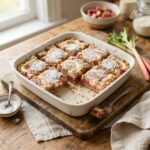
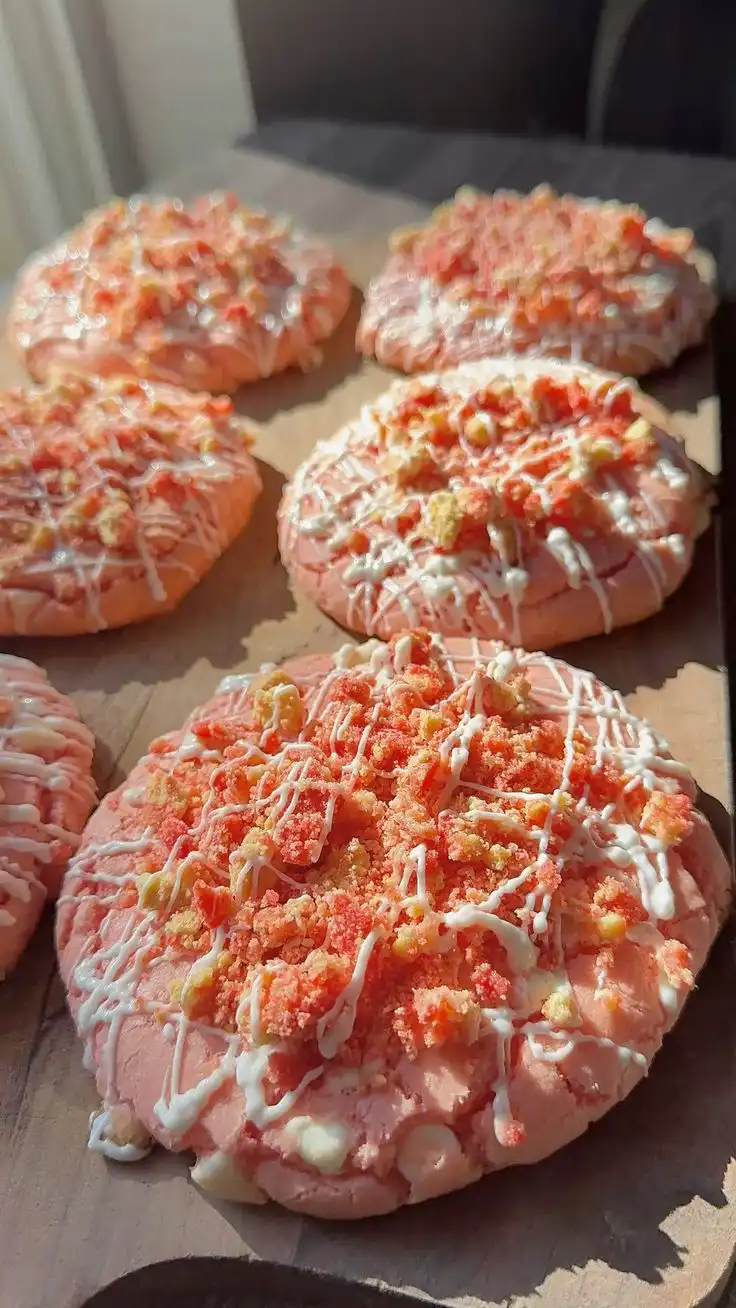
Strawberry shortcake cookies are a delightful fusion of two beloved American classics: the tender, buttery charm of shortcake and the vibrant, summery sweetness of fresh strawberries. Unlike traditional layered shortcake served in bowls or on plates, these cookies transform the essence of the dessert into portable, handheld treats—perfect for picnics, lunchboxes, bake sales, or an indulgent afternoon snack. Each bite delivers a harmonious balance of crumbly-yet-tender texture, floral vanilla notes, bright strawberry jam swirls, and subtle hints of lemon zest and cream—capturing the soul of summer in cookie form. Whether you’re a seasoned baker or a curious beginner, these cookies offer approachable techniques with impressive results, making them as rewarding to make as they are joyful to eat.
The History
The origins of strawberry shortcake trace back to 16th-century England, where “shortcake” referred not to a specific recipe but to any rich, crumbly cake made with “shortening”—a term for fat (like lard or butter) that inhibits gluten development and yields a tender, melt-in-your-mouth crumb. Early versions were more like sweet biscuits or scones, often served with stewed or macerated berries. By the 18th century, American colonists adopted and adapted the concept, using locally abundant strawberries and newly accessible baking powder (invented in the 1850s), which helped lighten the texture. The iconic trio—biscuit-style shortcake, macerated strawberries, and whipped cream—solidified as a patriotic dessert by the late 19th century, frequently featured at Fourth of July celebrations and state fairs.
As home baking evolved through the 20th century—with the rise of refrigerated doughs, commercial jams, and cookie culture—the idea of reimagining shortcake as a drop cookie began appearing in regional cookbooks and women’s magazines. The first documented “strawberry shortcake cookie” recipes emerged in the 1970s and ’80s, often credited to home economists at major flour or dairy brands seeking to modernize heritage desserts. These early versions leaned heavily on boxed cake mixes or canned pie fillings—but today’s iterations celebrate artisanal techniques: house-made strawberry compote, brown butter infusions, toasted almond flour, and even freeze-dried strawberry dust for intensified flavor and color. What began as a nostalgic reinterpretation has blossomed into a sophisticated, customizable canvas for seasonal baking—a testament to how tradition and innovation can coexist deliciously in every golden-brown edge.
Ingredients Breakdown
Understanding each ingredient’s role is key to mastering this recipe—not just for flavor, but for structure, texture, and shelf life:
- Unsalted Butter (1 cup, cold and cubed): Provides richness, flakiness, and tender crumb. Cold butter creates steam pockets during baking, yielding delicate layers within each cookie. European-style butter (82–84% fat) is highly recommended for superior flavor and browning.
- Granulated Sugar (¾ cup): Adds sweetness and aids in cookie spread and crispness. A portion is creamed with butter for aeration; the rest is reserved for rolling the dough balls to enhance exterior crunch and visual appeal.
- Brown Sugar (½ cup, light or dark): Contributes moisture, chewiness, and deep caramel notes. Dark brown sugar adds molasses complexity—ideal for balancing the brightness of strawberries.
- Large Egg (1, room temperature): Acts as a binder and emulsifier. Room temperature ensures uniform incorporation and prevents curdling when added to creamed butter-sugar.
- Pure Vanilla Extract (2 tsp): Enhances overall aroma and rounds out fruity notes. For elevated depth, substitute 1 tsp vanilla + ½ tsp vanilla bean paste or seeds scraped from ½ a split bean.
- All-Purpose Flour (2¼ cups, spooned & leveled): Forms the structural backbone. Over-measuring leads to dry, dense cookies—always spoon flour into the measuring cup and level with a knife.
- Cornstarch (2 tbsp): A secret weapon for tenderness! It reduces gluten formation, yielding a softer, more cake-like interior while preserving edge definition.
- Baking Powder (1½ tsp) & Baking Soda (¼ tsp): Dual leaveners ensure optimal lift and spread control. Baking powder provides gradual rise; soda reacts with acidic components (buttermilk powder, lemon juice) for extra lift and browning.
- Salt (¾ tsp fine sea salt): Balances sweetness and intensifies all other flavors. Do not omit—even a small amount transforms perception of richness and fruit brightness.
- Fresh Strawberries (1 cup, finely diced, + 2 tbsp granulated sugar for maceration): The heart of the flavor. Use peak-season, fragrant berries—not overly ripe or watery. Macerating draws out juices and concentrates sweetness without diluting the dough.
- Strawberry Jam or Preserves (⅓ cup, seedless preferred): Adds glossy sheen, jammy depth, and natural pectin to bind fruit moisture. Choose high-fruit, low-pectin varieties (e.g., Bonne Maman or homemade) for best swirl integrity.
- Lemon Zest (from 1 medium lemon): Brightens and lifts the strawberry flavor, cutting through richness. Microplane zesting yields maximum aromatic oils without bitter pith.
- Buttermilk Powder (2 tbsp) or Whole Milk (2 tbsp): Adds tang and tenderness. Buttermilk powder is ideal—it contributes acidity without adding excess liquid, helping activate leaveners while keeping dough workable.
- Optional Add-Ins: ¼ cup toasted sliced almonds, 2 tbsp freeze-dried strawberry powder, or a pinch of ground cardamom for nuanced warmth.
Step-by-Step Recipe
- Prepare the Strawberries: In a small bowl, combine 1 cup finely diced fresh strawberries with 2 tbsp granulated sugar. Gently stir, cover, and let macerate at room temperature for 20–30 minutes. Drain thoroughly in a fine-mesh sieve over a bowl, pressing gently with a spoon to extract excess liquid (reserve this syrup for glazes or sparkling water!). Pat berries completely dry with paper towels—this step is non-negotiable to prevent soggy cookies.
- Chill Key Ingredients: Place cubed butter in the freezer for 10 minutes before beginning. Also chill your mixing bowl and whisk attachment if using a stand mixer. Cold ingredients = controlled spread and defined edges.
- Cream Butter & Sugars: In the chilled bowl of a stand mixer fitted with the paddle attachment (or using a hand mixer), beat cold butter, granulated sugar, and brown sugar on medium speed for 2–3 minutes until pale, fluffy, and well-combined—scrape bowl frequently. Avoid over-creaming, which can cause excessive spread.
- Incorporate Wet Ingredients: Add egg, vanilla, and lemon zest. Mix on low until just combined (~30 seconds). Scrape bowl. Then add buttermilk powder (or milk) and mix until smooth—no streaks should remain.
- Combine Dry Ingredients: In a separate bowl, whisk together flour, cornstarch, baking powder, baking soda, and salt until fully homogenous. Sift once for insurance against lumps.
- Gradually Add Dry to Wet: With mixer on low, slowly add dry mixture in three additions, mixing only until no flour streaks remain after each addition (~10–15 seconds per addition). Do not overmix—batter will be thick and shaggy.
- Fold in Strawberries & Jam: Using a silicone spatula, gently fold in drained strawberries and strawberry jam in 2–3 additions. Stop as soon as evenly distributed—over-folding bruises berries and muddies the swirl.
- Chill Dough (Critical Step): Cover bowl tightly with plastic wrap and refrigerate for *at least 2 hours*, preferably 4 hours or overnight. This hydrates the flour, firms the butter, and develops flavor. Dough will be firm but scoopable.
- Preheat & Prep: Position oven racks in upper and lower thirds. Preheat oven to 350°F (175°C). Line two large baking sheets with parchment paper or silicone baking mats. Place ¼ cup granulated sugar in a shallow bowl for rolling.
- Scoop & Shape: Using a 2-tablespoon ice cream scoop or heaping tablespoon, portion chilled dough. Roll each into a smooth ball, then gently roll in reserved sugar to coat fully. Place 3 inches apart on prepared sheets (12 cookies per sheet max).
- Bake Strategically: Bake one sheet at a time for 13–15 minutes, rotating pan halfway through, until edges are golden brown and centers appear set but still slightly soft to gentle touch. Avoid overbaking—the cookies will continue to firm as they cool. Let cool on pans for 5 minutes, then transfer to wire racks to cool completely (≈30 minutes). Repeat with second batch, allowing sheet to cool between batches.
Tips
- Strawberry Selection Matters: Seek out deep red, fragrant, locally grown strawberries. Underripe berries lack sweetness and aroma; overripe ones release too much water. If off-season, substitute ¾ cup high-quality strawberry jam + 2 tbsp finely chopped freeze-dried strawberries (rehydrated in 1 tsp warm water for 2 minutes, then drained).
- Freeze-Dried Strawberry Boost: Pulse 2 tbsp freeze-dried strawberries into a fine powder and fold in with the jam. It intensifies berry flavor, adds vibrant pink hue, and absorbs residual moisture—resulting in more stable, flavorful cookies.
- Butter Temperature Precision: Butter should be cold enough to hold a fingerprint but not frozen solid. Too warm → greasy, flat cookies. Too cold → uneven creaming and crumbly dough. Test by pressing thumb into cube—it should yield slightly but not collapse.
- No-Spread Secret: Chill dough balls on baking sheets for 15 minutes before baking. This extra insurance prevents runaway spreading, especially in warm kitchens.
- Oven Thermometer Essential: Ovens often run hot or cold. An inexpensive oven thermometer ensures accurate 350°F baking—critical for even browning and proper rise.
- Don’t Skip the Sugar Roll: The coarse sugar crust adds textural contrast, enhances browning via caramelization, and gives bakery-style sparkle. Turbinado or sanding sugar works beautifully here.
- Cooling Is Part of Baking: Resist moving cookies too soon! Their structure sets during the carryover cooking phase on the hot pan. Transferring prematurely causes breakage and loss of shape.
- Storage for Optimal Freshness: Store cooled cookies in an airtight container at room temperature for up to 3 days. For longer storage, freeze baked cookies (unfrosted) for up to 3 months—thaw at room temperature or warm in a 325°F oven for 3–4 minutes.
- Revive Stale Cookies: Place slightly softened cookies on a parchment-lined sheet and bake at 300°F for 5–7 minutes—they’ll regain crisp edges and tender centers.
- Batch Consistency Tip: Weigh dough portions (≈38g each) for uniform size, bake time, and presentation—especially important for gifting or selling.
Variations and Customizations
These cookies serve as a versatile base—easily adapted to seasons, dietary needs, or creative whims:
- Lemon-Raspberry Shortcake Cookies: Swap strawberries for equal parts fresh raspberries (macerated with 1 tbsp sugar) and add 1 tsp lemon juice + extra zest. Replace jam with seedless raspberry preserves.
- Blueberry-Basil Shortcake Cookies: Use 1 cup fresh blueberries (tossed with 1 tsp cornstarch to absorb juice) and fold in 1 tbsp finely chopped fresh basil with jam. A surprising, herbaceous twist.
- Vegan Strawberry Shortcake Cookies: Substitute cold vegan butter (e.g., Miyoko’s or Earth Balance), flax egg (1 tbsp ground flax + 2.5 tbsp water, rested 5 min), plant-based milk + ½ tsp apple cider vinegar (for buttermilk effect), and certified vegan jam. Add 1 tsp psyllium husk powder to aid binding.
- Gluten-Free Version: Replace AP flour with a 1:1 gluten-free blend containing xanthan gum (e.g., King Arthur or Bob’s Red Mill). Increase cornstarch to 3 tbsp and add ¼ tsp xanthan gum if blend doesn’t include it. Chill dough 1 hour longer.
- Mini Bite-Sized Cookies: Scoop 1-teaspoon portions, roll in sugar, and bake at 350°F for 9–11 minutes. Perfect for parties, cookie platters, or toddler snacks.
- Shortcake Sandwich Cookies: Bake cookies slightly thicker (use 3-tbsp scoops), cool completely, then sandwich with stabilized whipped cream (1 cup cold heavy cream + 2 tbsp powdered sugar + ½ tsp vanilla, whipped to medium peaks) and a dot of jam.
- Boozy Infusion: Add 1 tbsp Chambord (raspberry liqueur) or Grand Marnier to wet ingredients for sophisticated depth—reduce vanilla to 1 tsp to avoid overpowering.
- Whole Grain Twist: Substitute ½ cup of AP flour with toasted oat flour or white whole wheat flour for nutty, wholesome notes—balance with extra 1 tsp cornstarch.
- Chocolate-Strawberry Fusion: Fold in ⅓ cup mini white chocolate chips or ruby chocolate chunks along with berries for creamy, tart-sweet interplay.
- Deconstructed “Shortcake” Crumble Topping: Reserve ¼ cup dough, pulse with 2 tbsp crushed graham crackers and 1 tsp cinnamon, then sprinkle over unbaked cookies before baking for crunchy, nostalgic flair.
Health Considerations and Nutritional Value
While inherently a treat, thoughtful modifications can enhance nutritional profile without sacrificing joy:
- Sugar Awareness: Total sugar per cookie averages 14–16g (including natural fruit sugars). Reduce granulated sugar by 1–2 tbsp without compromising structure—brown sugar and fruit provide ample sweetness. Avoid artificial sweeteners, which impair browning and texture.
- Boosting Fiber & Antioxidants: Strawberries contribute vitamin C, folate, manganese, and anthocyanins (powerful antioxidants linked to reduced inflammation). Adding 2 tbsp ground flax or chia seeds increases omega-3s and fiber—just increase liquid by 1 tsp to compensate.
- Reducing Saturated Fat: Substitute up to ¼ cup butter with cold unsweetened applesauce or mashed banana—but expect softer, cakier texture and reduced browning. Best for home consumption, not gifting.
- Dairy Alternatives: Lactose-intolerant bakers can use lactose-free butter and buttermilk powder—flavor and function remain nearly identical.
- Glycemic Impact: The combination of fiber (from fruit), fat (butter), and protein (egg) slows glucose absorption compared to simple sugar cookies—making them moderately lower on the glycemic index.
- Portion Mindfulness: At ~180–200 calories per cookie, they’re calorically comparable to many store-bought granola bars—position them as mindful indulgences rather than daily staples.
- Allergen Notes: Contains dairy, eggs, and gluten. For nut allergies, verify jam and vanilla sources (some extracts use alcohol derived from tree nuts—rare but possible). Always label clearly if sharing.
- Protein Enhancement: Stir in 2 tbsp unflavored collagen peptides or whey isolate powder (with dry ingredients) for ~5g extra protein—no taste or texture change.
- Natural Coloring: Skip artificial dyes—rely on real strawberries, freeze-dried powder, or a tiny drop of beet juice for rosy hue.
- Mindful Indulgence Philosophy: Nutrition isn’t just macro-counting—it’s about pleasure, tradition, and connection. Sharing these cookies with loved ones supports emotional well-being, a vital component of holistic health.
Ingredients
- 1 cup (227g) unsalted butter, cold and cubed
- ¾ cup (150g) granulated sugar, plus ¼ cup for rolling
- ½ cup (100g) light or dark brown sugar, packed
- 1 large egg, room temperature
- 2 tsp pure vanilla extract
- 1 tsp finely grated lemon zest (from 1 medium lemon)
- 2 tbsp buttermilk powder (or 2 tbsp whole milk)
- 2¼ cups (281g) all-purpose flour, spooned & leveled
- 2 tbsp cornstarch
- 1½ tsp baking powder
- ¼ tsp baking soda
- ¾ tsp fine sea salt
- 1 cup (150g) fresh strawberries, hulled and finely diced
- 2 tbsp granulated sugar (for macerating strawberries)
- ⅓ cup (115g) seedless strawberry jam or preserves
Directions
- In a small bowl, combine diced strawberries and 2 tbsp sugar. Stir gently, cover, and let sit at room temperature for 20–30 minutes. Drain thoroughly in a fine-mesh sieve, pressing out liquid; pat berries bone-dry with paper towels.
- Place butter cubes in freezer for 10 minutes. Chill mixing bowl and paddle attachment.
- In chilled bowl, beat cold butter, ¾ cup granulated sugar, and brown sugar on medium speed 2–3 minutes until pale and fluffy. Scrape bowl.
- Add egg, vanilla, and lemon zest; mix on low 30 seconds until combined. Scrape bowl. Add buttermilk powder (or milk); mix until smooth.
- In separate bowl, whisk flour, cornstarch, baking powder, baking soda, and salt until no lumps remain. Sift once.
- With mixer on low, add dry ingredients in three parts, mixing only until no flour streaks remain after each addition (~10 sec).
- Using silicone spatula, gently fold in drained strawberries and strawberry jam in 2–3 additions until just incorporated.
- Cover bowl tightly; refrigerate dough ≥2 hours or up to 72 hours.
- Preheat oven to 350°F (175°C) with racks in upper/lower thirds. Line two baking sheets with parchment.
- Place ¼ cup granulated sugar in shallow bowl. Scoop 2-tbsp dough portions, roll into balls, then roll in sugar. Space 3″ apart on sheets (12 max per sheet).
- Bake one sheet 13–15 minutes, rotating halfway, until edges are golden and centers look set but soft. Cool on pan 5 minutes, then transfer to wire racks to cool completely (≈30 min). Repeat.
FAQ
- Can I use frozen strawberries?
- Yes—but thaw completely, drain *excess* liquid (they’ll release more than fresh), and pat *extremely* dry. Frozen berries may yield slightly denser texture and muted flavor versus peak-season fresh.
- Why did my cookies spread too much?
- Most common causes: butter too warm, insufficient chilling, warm baking sheets, or expired leaveners. Always chill dough ≥2 hours, use cool sheets, and test baking powder/soda by mixing ½ tsp with ¼ cup hot water—if it bubbles vigorously, it’s active.
- Can I make the dough ahead and freeze it?
- Absolutely! Portion dough balls, freeze uncovered 1 hour, then transfer to airtight freezer bag for up to 3 months. Bake straight from frozen—add 1–2 minutes to bake time.
- My jam swirled away—how do I keep it distinct?
- Use thicker, less-runny jam (simmer store-bought jam 2–3 minutes to reduce water). Also, chill jam 15 minutes before folding in, and use a light “figure-eight” fold—not vigorous stirring.
- Can I skip the cornstarch?
- You can, but texture changes significantly: cookies become chewier and less tender. Cornstarch is worth keeping for its transformative softness.
- What’s the best way to store leftover cookies?
- In an airtight container at room temperature for up to 3 days. To maintain crisp edges, place a slice of bread in the container—the cookies will absorb ambient moisture, keeping centers soft while edges stay snappy (remove bread after 24 hours).
- Why use both baking powder AND baking soda?
- Baking powder provides consistent lift; baking soda reacts with acid (lemon zest, buttermilk powder) for extra rise, better browning, and neutralized tang—creating ideal shortcake-like tenderness.
- Can I add white chocolate chips?
- Yes! Fold in ⅓ cup mini white chocolate chips with the jam. They complement strawberry beautifully and add creamy contrast—just ensure chips are cold before folding.
- How do I make them more “shortcake-like”?
- Brush warm cookies with 1 tsp melted butter + ½ tsp vanilla, then lightly sprinkle with sanding sugar. Or serve alongside a dollop of honey-whipped cream and extra macerated berries.
- Are these suitable for mailing or gifting?
- Yes—cool completely, layer between parchment in a sturdy tin or box with tight lid. Include a silica gel packet to prevent moisture buildup. Best shipped within 2 days of baking.
Summary
Strawberry shortcake cookies are a masterful marriage of nostalgic Americana and modern baking science—transforming the classic layered dessert into tender, jam-swirled, sugar-crusted delights with golden edges and pillowy centers.
Built on cold-butter technique, strategic leavening, and meticulously dried fruit, they reward attention to detail with exceptional flavor, texture, and versatility—making them as meaningful to bake as they are magical to share.