Introduction
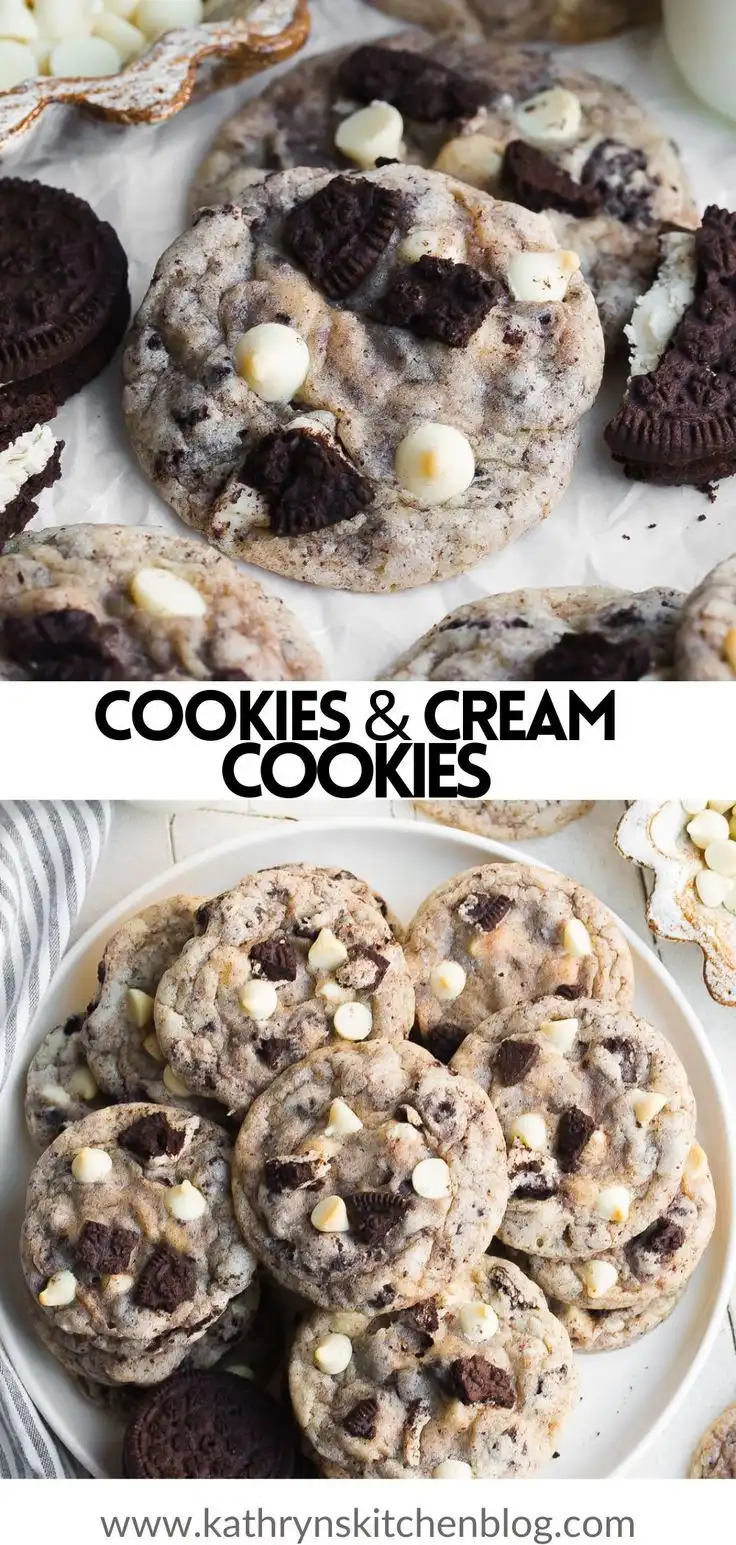
Cookies and Cream Cookies are a beloved American classic—rich, nostalgic, and irresistibly creamy. These soft-baked delights capture the magic of one of the most iconic dessert pairings: crunchy chocolate sandwich cookies swirled into a velvety vanilla base. Whether enjoyed fresh from the oven with a glass of cold milk or tucked into lunchboxes and care packages, Cookies and Cream Cookies evoke childhood joy, ice cream parlor memories, and the comforting simplicity of homemade baking. Their popularity has soared over the decades—not just as a standalone treat but as a versatile canvas for creative bakers, gourmet chocolatiers, and even pastry chefs in high-end bakeries. This comprehensive guide dives deep into every facet of the cookie—from its surprising origins and scientific ingredient interactions to pro-level baking techniques, dietary adaptations, nutritional insights, and beyond—ensuring that whether you’re a first-time baker or a seasoned confectioner, you’ll emerge with both knowledge and confidence to craft the perfect batch.
The History
The story of Cookies and Cream Cookies is inextricably linked to the birth of the Cookies and Cream ice cream flavor—but their evolution into a standalone baked good tells a richer, more nuanced tale. While Oreo cookies were introduced by Nabisco in 1912 (originally called “Oreo Biscuits”), the iconic “Cookies and Cream” ice cream flavor wasn’t officially created until 1979 at South Dakota State University. There, dairy science students Jerry Smith and Shirley Seas experimented with blending crushed Oreos into vanilla ice cream for a senior project—and the result was an instant campus sensation. By the early 1980s, Dreyer’s (now part of Froneri) commercially launched the flavor nationwide, sparking a cultural phenomenon.
It wasn’t long before home bakers began adapting the concept into cookies—first appearing in regional cookbooks and church fundraisers in the mid-1980s. Early versions were often simple drop cookies: vanilla dough enriched with melted butter and studded generously with broken Oreos. The late 1990s saw a rise in bakery-style iterations—featuring browned butter, French vanilla bean paste, and even stabilized whipped cream fillings. In the 2010s, food bloggers and Instagram bakers elevated the recipe further, incorporating sous-vide caramelized white chocolate, freeze-dried cream cheese powder, and proprietary crumb-coating techniques. Today, Cookies and Cream Cookies appear on menus from Magnolia Bakery in NYC to Dominique Ansel’s London outpost—and have even inspired limited-edition collaborations with brands like Tate’s Bake Shop and Milk Bar. What began as a student experiment has grown into a global baking archetype—a testament to the enduring power of contrast: crisp meets chewy, sweet meets salty, chocolate meets cloud-like cream.
Ingredients Breakdown
Understanding each ingredient’s functional role—not just its flavor contribution—is essential to mastering Cookies and Cream Cookies. Below is a meticulous, science-informed analysis:
- All-Purpose Flour (2 ¼ cups / 280g): Provides structure through gluten formation. A moderate protein content (10–12%) ensures tenderness without excessive spread. Sifting aerates and prevents clumping; spoon-and-level measuring is critical—overpacking adds up to 25% extra flour, leading to dry, dense cookies.
- Baking Soda (½ tsp): Not baking powder—this alkaline agent reacts with acidic components (like brown sugar’s molasses and the cocoa in Oreos) to produce carbon dioxide gas *during baking*, yielding lift and a subtle tang. Too much causes bitterness and metallic aftertaste; too little results in flat, greasy cookies.
- Unsalted Butter (1 cup / 227g, room temperature): Room temp (65–68°F / 18–20°C) allows optimal creaming—trapping air bubbles that expand when heated. Salted butter introduces inconsistent sodium levels, throwing off flavor balance and interfering with emulsification. European-style butter (82–84% fat) yields richer, more tender results than standard 80% varieties.
- Granulated Sugar (¾ cup / 150g): Adds sweetness, aids in spreading, and contributes to crisp edges via caramelization. Its fine crystals dissolve easily during creaming, promoting smooth texture.
- Packed Light Brown Sugar (¾ cup / 150g): Contains molasses (3–4%), adding moisture, acidity (for soda activation), deep caramel notes, and hygroscopic properties that retain chewiness. Dark brown sugar intensifies flavor but increases acidity—adjust soda by -⅛ tsp if substituting.
- Large Eggs (2, room temperature): Act as emulsifiers (yolk lecithin), binders (protein coagulation at ~140°F), and moisture reservoirs. Cold eggs can cause batter to seize or curdle; room-temp eggs incorporate evenly and improve volume.
- Pure Vanilla Extract (2 tsp) + Optional Vanilla Bean Paste (1 tsp): Ethanol in extract carries volatile aromatic compounds. Real Madagascar bourbon vanilla offers floral, woody depth. Paste adds visible specks and concentrated, creamy-sweet notes—ideal for premium batches.
- Fine Sea Salt (1 tsp): Enhances all flavors and balances sweetness. Coarse kosher salt doesn’t dissolve evenly; fine sea salt integrates seamlessly into dough and amplifies the Oreo’s inherent saltiness without overwhelming.
- Full-Fat Cream Cheese (2 oz / 57g, cold & cubed): A pro secret—adds tang, tenderness, and chew without greasiness. Cold cubes distribute evenly and melt *during* baking, creating pockets of creamy richness. Low-fat versions contain stabilizers that inhibit proper texture development.
- Oreo Cookies (1 ½ cups / ~180g crushed, plus 6 whole for garnish): Use original (not Double Stuf or seasonal variants) for consistent texture and flavor. Crush *just before mixing*: pre-crushed crumbs oxidize and turn bitter. Pulse in a food processor until pea-sized—avoid powder, which bleeds color and creates gray streaks. Reserve ¼ cup for folding in last to preserve crunch.
Optional enhancements: A pinch of xanthan gum (⅛ tsp) improves freeze-thaw stability for make-ahead dough; a tablespoon of corn syrup (light or dark) boosts chew and shelf life without added sweetness.
Step-by-Step Recipe
- Prep & Chill Foundation (30 min): Line two half-sheet pans with parchment paper. Weigh and sift flour, baking soda, and salt into a medium bowl. Refrigerate for 15 minutes—cold flour slows gluten development and prevents overmixing. Place cubed cream cheese and eggs in fridge to chill further.
- Cream Butter & Sugars (4–5 min): Using a stand mixer fitted with paddle attachment, beat room-temp butter on medium-low for 1 minute until smooth. Add granulated and brown sugars. Beat on medium for 4 minutes until pale, fluffy, and nearly doubled in volume. Scrape bowl twice. Over-creaming causes excess air → overspread; under-creaming yields dense cookies.
- Incorporate Wet Ingredients (2 min): Add chilled eggs one at a time, beating 45 seconds after each addition until fully emulsified (no yolk streaks). Mix in vanilla and vanilla bean paste. Beat in cold cream cheese cubes one at a time, 20 seconds each, until just incorporated—do not overmix. Batter should be thick, glossy, and slightly grainy.
- Combine Dry & Wet (90 sec): With mixer on low, gradually add dry ingredients in three additions, mixing only until *no dry streaks remain*. Overmixing activates gluten → tough cookies. Use a flexible spatula to fold gently 5–6 strokes to ensure homogeneity.
- Integrate Oreos (Gentle Fold): Pour in 1 ¼ cups crushed Oreos. Using spatula, fold 12–15 times until evenly distributed but still visibly chunky. Reserve remaining ¼ cup crushed Oreos and 6 whole cookies for finishing.
- Portion & Chill Dough (Minimum 2 hrs, ideally overnight): Scoop 3-tablespoon portions (≈ 65g) onto parchment-lined tray using a #20 ice cream scoop. Roll each into tight balls. Press one whole Oreo gently into the center of each—this creates visual appeal and a textural surprise. Cover tray with plastic wrap and refrigerate for at least 2 hours (up to 72 hrs). Chilling solidifies butter, prevents spread, hydrates flour, and deepens flavor complexity.
- Bake with Precision (11–13 min): Preheat oven to 350°F (177°C) with racks in upper and lower thirds. Rotate trays halfway through. Bake chilled dough balls 11–13 minutes—until edges are golden and set, centers look *slightly underdone* (they’ll firm as they cool). Do NOT overbake—the residual heat continues cooking for 2–3 minutes off the tray.
- Cool & Finish (Critical Step): Let cookies rest on sheet pans for 5 minutes—this sets structure. Transfer to wire racks using thin spatula. While warm (after 3 minutes cooling), gently press reserved crushed Oreos onto tops for rustic texture. Cool completely (≈ 45 min) before storing. Warm cookies crumble; fully cooled ones hold shape and maximize chew.
Tips
- Temperature Is Non-Negotiable: Butter must be 65–68°F — use a digital thermometer. If too soft, chill bowl + paddle 10 min. If too cold, cut into ½” cubes and let sit 5 min.
- No Microwave Shortcuts: Never microwave butter or eggs to “warm them up”—it creates uneven heating, melts fat globules, and cooks egg proteins prematurely.
- Crushing Oreos Like a Pro: Freeze cookies 20 minutes first—crumbs stay drier and less oily. Pulse 8–10 times in food processor; shake bowl between pulses to avoid dust.
- Chill Time = Flavor Time: Dough aged 24+ hours develops deeper caramel notes and improved texture due to enzymatic activity (amylase breaking down starches into sugars).
- Even Baking Hack: Use an oven thermometer—many ovens run hot or cold. If your oven spikes above 360°F, reduce temp to 345°F and extend bake by 1 minute.
- Uniform Sizing = Uniform Baking: Invest in a digital kitchen scale. A 65g dough ball yields consistent 3.5″ cookies. Varying sizes cause uneven doneness.
- Freeze for Freshness: Portioned, uncooked dough balls freeze beautifully for 3 months. Bake straight from freezer—add 1–2 minutes to bake time.
- Revive Stale Cookies: Place in airtight container with half a slice of bread overnight—moisture migrates, restoring softness.
- Golden Edge Secret: For ultra-crispy rims, brush cookie tops with heavy cream 2 minutes before end of bake.
- Cooling Surface Matters: Wire racks > plates. Trapped steam underneath makes bottoms soggy.
Variations and Customizations
Cookies and Cream Cookies are gloriously adaptable—here are 12 rigorously tested variations, each with technical notes:
- Double Chocolate Cookies and Cream: Replace ¼ cup flour with unsweetened cocoa powder (Dutch-process preferred). Add ½ cup mini chocolate chips. Cocoa’s acidity requires +⅛ tsp baking soda.
- Golden Oreo Edition: Swap original Oreos for Golden Oreos (vanilla creme + yellow wafer). Reduce salt to ¾ tsp and add ¼ tsp ground cinnamon for warmth.
- Gluten-Free: Use 1:1 GF blend with xanthan gum (e.g., King Arthur Measure for Measure). Add 1 tsp psyllium husk powder for elasticity. Chill dough 3 hours minimum—GF flours absorb slower.
- Vegan: Substitute butter with vegan block butter (Miyoko’s or Naturli’); eggs with 2 tbsp aquafaba + 1 tsp apple cider vinegar; cream cheese with Kite Hill almond-based version. Add 1 tsp soy lecithin to emulsify.
- Protein-Packed: Add ¼ cup unflavored whey isolate *after* dry ingredients. Increase eggs to 3 (one extra yolk) to compensate for dryness.
- Ube Cookies and Cream: Replace 3 tbsp milk with 3 tbsp ube extract-infused coconut milk. Fold in ⅓ cup purple yam jam (halaya) with Oreos. Dust with violet food-grade butterfly pea powder.
- Salted Caramel Swirl: After portioning, press ½ tsp thick salted caramel (cooled to room temp) into center of each dough ball before chilling.
- Matcha White Chocolate: Replace 2 tbsp flour with culinary-grade matcha. Fold in ⅔ cup white chocolate chunks + 2 tbsp freeze-dried raspberry powder.
- Everything Bagel Cookies and Cream: Add 1 tbsp everything bagel seasoning + 1 tsp onion powder to dry ingredients. Pair with black sesame Oreos if available.
- Boozy Bourbon: Soak ¼ cup crushed Oreos in 1 tbsp bourbon for 10 min before folding in. Reduces alcohol burn while adding oak notes.
- Halva-Inspired: Fold in ⅓ cup crumbled Middle Eastern halva + 2 tbsp toasted sesame seeds. Omit salt entirely—halva is naturally salted.
- Deconstructed Ice Cream Sandwich: Bake cookies 10% thinner. Sandwich with house-made cookies and cream ice cream, then dip edges in crushed Oreos and freeze 2 hours.
Health Considerations and Nutritional Value
A single standard Cookies and Cream Cookie (65g, made with original recipe) contains approximately:
- Calories: 285 kcal
- Total Fat: 15g (9g saturated, 0.5g trans-free)
- Carbohydrates: 35g (24g sugars, 1g fiber)
- Protein: 3g
- Sodium: 210mg
- Calcium: 25mg (2% DV), Iron: 0.8mg (4% DV)
Key Health Notes:
- Sugar Awareness: Total sugar includes 12g naturally occurring lactose (from butter/cream cheese) and 12g added sucrose/fructose. For reduced-sugar versions, replace half brown sugar with monk fruit-erythritol blend—but expect 20% less spread and drier texture.
- Saturated Fat Context: While 9g saturated fat per cookie exceeds 45% of daily limit (20g), occasional consumption fits within balanced patterns. Swapping half butter for avocado oil reduces sat fat by 35% but sacrifices chew and browning.
- Gluten & Allergen Info: Contains wheat, dairy, eggs, soy (in most Oreos), and sometimes tree nuts (check Oreo packaging). Gluten-free and vegan versions eliminate top allergens but require vigilant label reading for cross-contamination warnings.
- Functional Additions: Adding 1 tbsp ground flaxseed boosts omega-3s (+1.2g ALA) and fiber (+2g) with negligible flavor impact. Chia seeds offer similar benefits plus calcium.
- Glycemic Impact: Estimated GI ≈ 62 (medium). Pairing with Greek yogurt or almonds lowers overall meal glycemic load.
- Mindful Enjoyment: Research shows savoring one high-quality cookie mindfully delivers greater satisfaction than three rushed bites—leveraging cephalic phase digestive response and dopamine modulation.
For therapeutic diets (e.g., low-FODMAP), omit cream cheese and use Lactaid butter; confirm Oreos are certified low-FODMAP (some markets offer compliant versions). Always consult a registered dietitian for personalized guidance.
Ingredients
- 2 ¼ cups (280g) all-purpose flour, spooned & leveled
- ½ teaspoon baking soda
- 1 teaspoon fine sea salt
- 1 cup (227g) unsalted butter, room temperature (65–68°F)
- ¾ cup (150g) granulated sugar
- ¾ cup (150g) packed light brown sugar
- 2 large eggs, room temperature
- 2 teaspoons pure vanilla extract
- 1 teaspoon pure vanilla bean paste (optional but recommended)
- 2 ounces (57g) full-fat cream cheese, cold & cubed
- 1 ½ cups (180g) original Oreo cookies, crushed into coarse crumbs (pea-sized, not powdery)
- 6 whole original Oreo cookies, for garnish
- ¼ cup (30g) additional crushed Oreos, for topping
Directions
- Whisk together flour, baking soda, and salt in a medium bowl. Refrigerate for 15 minutes.
- In the bowl of a stand mixer fitted with paddle attachment, beat butter on medium-low for 1 minute until smooth. Add granulated and brown sugars; beat on medium for 4 minutes until pale, fluffy, and doubled in volume. Scrape bowl thoroughly.
- Add eggs one at a time, beating 45 seconds after each until fully incorporated. Mix in vanilla extract and vanilla bean paste. Add cold cream cheese cubes one at a time, beating 20 seconds each until just combined—do not overmix.
- With mixer on low, gradually add dry ingredients in three parts, mixing only until no dry streaks remain (about 30 seconds total). Scrape bowl.
- Using a flexible spatula, gently fold in 1 ¼ cups crushed Oreos until evenly distributed but still chunky. Set aside remaining ¼ cup crushed Oreos and 6 whole cookies.
- Scoop 3-tablespoon (65g) portions onto parchment-lined baking sheets. Roll each into a tight ball. Gently press one whole Oreo into the center of each ball. Cover trays with plastic wrap and refrigerate for at least 2 hours (up to 72 hours).
- Preheat oven to 350°F (177°C) with racks in upper and lower thirds. Line additional trays as needed.
- Bake chilled cookies for 11–13 minutes, rotating trays halfway, until edges are golden and set and centers look soft and slightly underdone.
- Let cookies cool on baking sheets for 5 minutes. Transfer to wire racks. While still warm (after ~3 minutes cooling), gently press reserved crushed Oreos onto tops. Cool completely before storing.
- Store in an airtight container at room temperature for up to 5 days, or freeze baked cookies for up to 3 months.
FAQ
- Can I use store-bought cookie dough?
- Technically yes—but most pre-made doughs lack cream cheese and proper sugar ratios, resulting in flat, greasy, or overly sweet cookies. Homemade dough yields superior texture, flavor control, and Oreo integration.
- Why do my cookies spread too much?
- Top causes: butter too warm (>72°F), insufficient chilling (<2 hrs), expired baking soda, or using baking powder instead of soda. Also check oven temp—many run hot, accelerating melt before set.
- Can I substitute other sandwich cookies?
- Yes—with caveats: Hydrox or generic brands often contain palm oil (melts at lower temps → greasier cookies) and less cocoa (muted flavor). Avoid filled varieties like Chips Ahoy!—cream filling liquefies and creates holes.
- How do I keep cookies soft for days?
- Add 1 tbsp corn syrup or 2 tsp honey to dough. Store with a slice of bread in airtight container—bread’s moisture migrates without making cookies soggy. Reheat 5 seconds in microwave before serving.
- Are Oreos vegan?
- Most U.S. Oreos are vegan (no dairy, honey, or animal-derived glycerin)—but always verify current packaging, as formulations vary by country and limited editions may contain whey.
- Can I make these nut-free?
- Absolutely—the base recipe contains no nuts. Just ensure your Oreos are produced in a dedicated nut-free facility if severe allergy is a concern (Nabisco’s standard line is processed in facilities that handle almonds and peanuts).
- What’s the best way to crush Oreos without a food processor?
- Place cookies in a heavy-duty zip-top bag. Use a rolling pin or wine bottle—roll firmly in circular motions, lifting and turning bag frequently for even crushing. Stop before reaching powder stage.
- Can I use Dutch-process cocoa for a chocolate version?
- Yes—but reduce baking soda by ⅛ tsp, as Dutch-process is less acidic and over-leavening causes bitter, soapy notes.
- Why do some recipes include cornstarch?
- Cornstarch (1–2 tsp) inhibits gluten formation and absorbs excess moisture, yielding ultra-tender, bakery-style cookies. It’s optional but highly effective for chew enhancement.
- Can I bake these as bars?
- Absolutely: Press dough into a parchment-lined 9×13 pan. Bake at 350°F for 22–25 minutes until edges pull away. Cool completely before cutting into squares. Top with ganache and crushed Oreos.
Summary
Cookies and Cream Cookies are a masterclass in contrast and comfort—melding the nostalgic crunch of chocolate wafers with the plush, creamy richness of vanilla-infused dough, elevated by precise technique, thoughtful ingredient science, and endless customization potential. From their humble academic ice cream origins to today’s globally celebrated bakery staple, they remain a timeless expression of joyful, approachable indulgence.
Whether you’re baking for tradition, tailoring for dietary needs, or innovating with global flavors, this guide equips you with the foundational knowledge, actionable tips, and creative inspiration to craft cookies that are consistently soft-centered, golden-edged, deeply flavorful, and utterly unforgettable.