Introduction
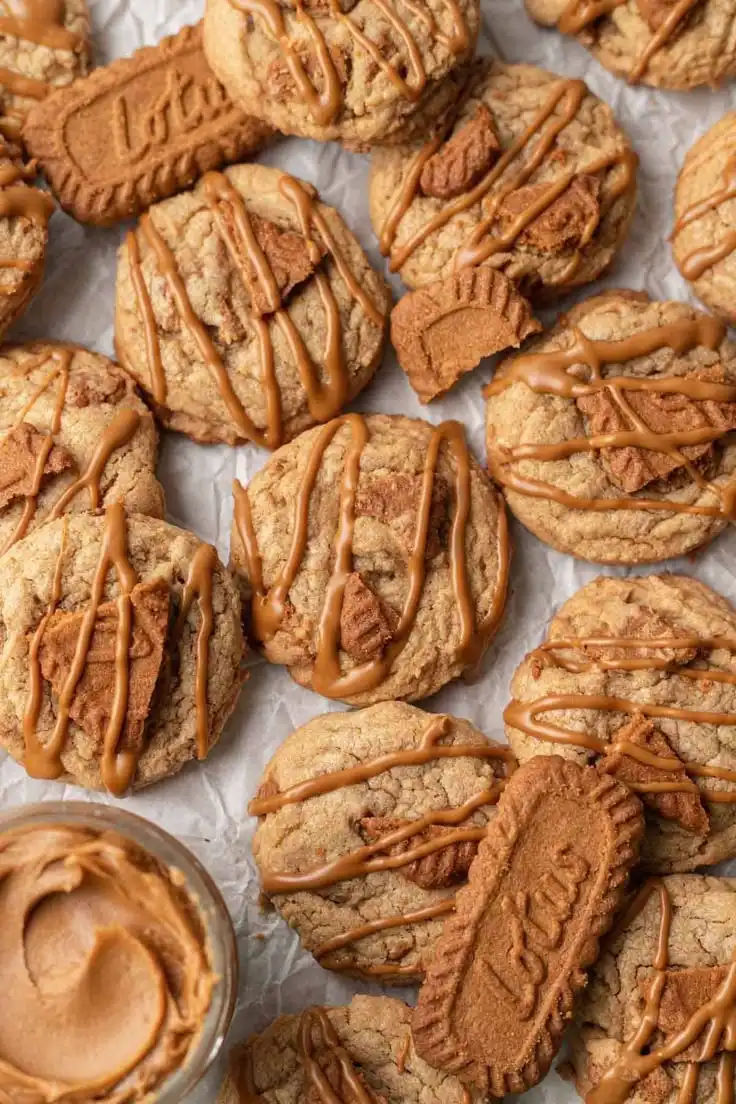
Welcome to the ultimate, deeply researched, and lovingly detailed guide to crafting the perfect Biscoff Cookie — a beloved global sensation that bridges the nostalgic warmth of spiced shortbread with the irresistible caramelized crunch of Belgian speculoos. Whether you’re a seasoned baker or a curious beginner, this comprehensive resource goes far beyond a simple list of ingredients: it explores the cultural roots, scientific nuances of ingredient interactions, historical evolution, nuanced flavor chemistry, and real-world baking wisdom accumulated from decades of artisanal and home-kitchen experimentation. These cookies are more than a treat — they’re edible storytelling, capturing centuries of European spice trade, monastic baking traditions, and modern food innovation. In this guide, you’ll discover not just *how* to make Biscoff cookies, but *why* each step matters, how to troubleshoot common pitfalls, how to adapt them for diverse dietary needs without compromising texture or depth, and how to elevate them into showstopping desserts, gourmet gifts, or health-conscious indulgences — all while honoring the authentic soul of the original.
The History
The story of the Biscoff cookie begins not in a 21st-century factory, but in the hearths of 18th- and 19th-century Belgian and Dutch monasteries and home kitchens, where spiced biscuits known as *speculoos* (from the Latin *speculum*, meaning “mirror” — referencing the intricately molded, reflective surface of traditional copper molds) were baked for religious festivals, particularly St. Nicholas Day on December 6th. These thin, crisp, cinnamon-forward wafers were made from humble pantry staples — flour, brown sugar, butter, and warm spices like cinnamon, nutmeg, cloves, ginger, and white pepper — reflecting both regional spice availability and centuries-old apothecary traditions. The modern Biscoff brand emerged in 1936 when Belgian bakery Lotus Bakeries (founded by Jan Boone and his brother in Lembeke, East Flanders) began mass-producing these speculoos biscuits under the name “Lotus Biscoff,” emphasizing consistency, caramelization, and signature crunch. The word “Biscoff” itself is a portmanteau of “biscuit” and “coffee,” nodding to its ideal pairing with espresso — a tradition that took root in European cafés and later exploded globally after airline carriers (notably Delta Air Lines beginning in 2011) adopted Lotus Biscoff as an in-flight snack, sparking viral social media fascination. What followed was a culinary renaissance: the creation of Biscoff spread (introduced in 2011), Biscoff-flavored dairy products, and, crucially, the rise of homemade Biscoff cookies — a softer, chewier, more versatile reinterpretation that honors speculoos’ heritage while embracing American-style chocolate chip cookie sensibilities. Today, Biscoff cookies symbolize cross-cultural fusion: Belgian spice artistry meets American comfort baking, all anchored by that unmistakable deep-caramel, slightly molasses-like, warmly aromatic profile.
Ingredients Breakdown
Understanding each ingredient’s functional role — beyond mere flavor — is key to mastering Biscoff cookies. This isn’t just a list; it’s a masterclass in baking science:
- Biscoff Cookie Butter (1 cup / ~250g): The irreplaceable heart of the recipe. Authentic Lotus Biscoff Spread provides not only intense caramelized sugar notes and signature spice complexity but also essential emulsifiers (soy lecithin), stabilizers, and fat content (approx. 55% fat). Its thick, creamy texture contributes to chewiness and moisture retention. Substitutes like generic speculoos spreads or homemade versions often lack the precise sugar crystallization and roasting depth, leading to flatter, greasier, or less flavorful results. Always use smooth (not crunchy) unless intentionally adding texture variation.
- Unsalted Butter (¾ cup / 170g, softened to 65–68°F / 18–20°C): Provides richness, tenderness, and steam for lift during baking. Softened (not melted) butter traps air when creamed with sugars, creating a light, aerated base critical for balanced spread and chew. Salted butter introduces unpredictable sodium levels, interfering with spice balance and browning reactions.
- Light Brown Sugar (¾ cup / 150g, firmly packed): Delivers moisture (thanks to molasses), acidity (aiding leavening), and deep caramel notes that harmonize with Biscoff. Dark brown sugar intensifies molasses flavor but can yield overly dense or bitter cookies; granulated sugar alone creates crispness but sacrifices chew and complexity.
- Granulated Sugar (¼ cup / 50g): Adds sweetness, promotes spreading, and contributes to surface crispness and golden-brown caramelization via the Maillard reaction. Its lower moisture content balances the hygroscopic nature of brown sugar and Biscoff butter.
- Large Egg (1, room temperature): Acts as binder, adds structure (proteins), moisture, and emulsification. Room temperature ensures uniform incorporation and prevents seizing the butter-Biscoff mixture. Cold eggs can cause curdling and uneven texture.
- Vanilla Extract (1 tsp, pure, not imitation): Enhances and rounds out the warm spice profile, adding floral and sweet aromatic top notes without competing. Imitation vanilla lacks complexity and can taste artificial against nuanced Biscoff.
- All-Purpose Flour (2 cups / 250g, spooned & leveled): Provides gluten structure. Too much = tough cookies; too little = excessive spread. Spooning and leveling prevents compaction and over-measuring. Bread flour increases chew (too much); cake flour yields fragile cookies (too little structure).
- Ground Cinnamon (1½ tsp, high-quality Ceylon or Korintje): The dominant spice. Ceylon offers delicate, citrusy warmth; Korintje (Indonesian) delivers bold, sweet heat. Avoid “cinnamon sugar” blends which contain anti-caking agents and inconsistent ratios.
- Ground Ginger (½ tsp): Adds bright, zesty warmth and subtle pungency that lifts the heavier caramel notes. Freshly ground from dried ginger offers superior potency.
- Ground Nutmeg (¼ tsp, freshly grated if possible): Earthy, sweet, and slightly nutty — essential for depth. Pre-ground nutmeg loses volatile oils rapidly; whole nutmeg lasts years.
- Ground Cloves (⅛ tsp): Intensely aromatic and warming — used sparingly to avoid bitterness. A cornerstone of traditional speculoos spice blends.
- Ground Allspice (⅛ tsp): Often overlooked but vital — contributes complex notes reminiscent of clove, cinnamon, and nutmeg, reinforcing authenticity.
- Unbleached All-Purpose Flour (for rolling/chilling, optional): Prevents sticking during shaping without adding excess gluten.
- Flaky Sea Salt (¼ tsp, for finishing): Not just garnish — a tiny amount enhances sweetness, balances richness, and amplifies all other flavors through contrast. Maldon or Jacobsen are ideal.
- Optional Add-Ins: Biscoff cookie crumbs (¼ cup, pulsed fine), dark chocolate chunks (60–70%, ½ cup), toasted pecans or walnuts (½ cup, chopped), or a swirl of extra Biscoff spread (1 tbsp per cookie ball) for decadent marbling.
Note on Leavening: Authentic Biscoff cookies traditionally omit baking soda or powder to preserve density, chew, and caramel integrity. Chemical leaveners can introduce unwanted tang or cause excessive puffing, disrupting the signature flat, crinkled, edge-crisp/center-chewy texture. Rely instead on creaming technique and proper chilling for optimal structure.
Step-by-Step Recipe
- Prep & Weigh Ingredients (15 minutes): Use a digital kitchen scale for precision (especially flour and Biscoff butter). Measure spices into a small bowl and whisk together to ensure even distribution. Soften butter at room temperature for 60–90 minutes — it should yield slightly to gentle pressure but hold its shape (no shiny oil separation). Chill Biscoff spread for 15 minutes if overly soft. Line two large baking sheets with parchment paper (not wax paper or silicone mats — they impede bottom browning and crispness).
- Cream Butter & Sugars (3–4 minutes): In a stand mixer fitted with the paddle attachment (or using a hand mixer), beat softened butter, brown sugar, and granulated sugar on medium speed until light, fluffy, and pale — about 3–4 minutes. Scrape down bowl thoroughly. This step incorporates air, dissolves sugar crystals, and develops the base structure. Under-creaming yields dense cookies; over-creaming can cause greasiness.
- Incorporate Biscoff Butter & Wet Ingredients (2 minutes): Add chilled Biscoff spread and beat on low speed until fully incorporated and smooth — about 1 minute. Scrape bowl. Add room-temperature egg and pure vanilla extract. Beat on medium-low for 60–90 seconds until homogeneous and slightly glossy. Do not overmix — stop as soon as combined.
- Whisk Dry Ingredients (1 minute): In a separate bowl, whisk together flour, cinnamon, ginger, nutmeg, cloves, allspice, and a generous ½ tsp fine sea salt (this accounts for the salt in butter and balances sweetness). Whisk for 30 seconds to fully aerate and distribute spices evenly.
- Combine Dry & Wet (1–2 minutes): With mixer on low speed, gradually add dry ingredients to wet mixture in three additions, mixing only until *just* no dry streaks remain — approximately 30–45 seconds per addition. Overmixing develops gluten, leading to tough, cakey cookies. Use a flexible spatula to fold any remaining flour pockets gently. Batter will be thick, sticky, and cohesive — not runny.
- Add Optional Mix-Ins (30 seconds): Fold in Biscoff crumbs, chocolate, or nuts by hand with spatula until evenly distributed. Avoid using mixer at this stage.
- Chill Dough (Mandatory – 2 hours minimum, ideally 24–72 hours): Divide dough into two equal portions. Shape each into a log (~2 inches in diameter) using plastic wrap or parchment. Chill uncovered for 30 minutes to firm, then wrap tightly and refrigerate for *at least 2 hours*, preferably overnight or up to 72 hours. Chilling solidifies fats, hydrates flour (reducing spread), concentrates flavors, and allows spice compounds to meld. Skipping this step guarantees flat, greasy, misshapen cookies.
- Preheat & Prep (20 minutes before baking): Position oven racks in upper and lower thirds. Preheat oven to 350°F (175°C) for *at least 20 minutes* — accurate temperature is non-negotiable. Convection ovens require reducing temp by 25°F and rotating pans halfway.
- Portion & Shape (5 minutes): Remove one dough log from fridge. Using a sharp knife, slice into ¼-inch thick rounds (about 12–14 per log). Roll each round gently between palms into a smooth ball, then flatten slightly to ¾-inch thickness (they won’t spread much). Place 3 inches apart on prepared sheets. Sprinkle tops lightly with flaky sea salt.
- Bake (11–13 minutes): Bake sheets on preheated racks for 11 minutes for chewy centers with crisp edges, or 12–13 minutes for uniformly crisp cookies. Rotate pans front-to-back and top-to-bottom at 6-minute mark for even browning. Cookies are done when edges are deeply golden brown and set, centers look soft but no longer glossy/wet, and bottoms are rich amber (lift a corner gently with spatula to check). They will firm significantly upon cooling.
- Cool (Critical – 15–20 minutes): Let cookies cool on baking sheets for 5 minutes — this sets structure and prevents breakage. Then transfer carefully to wire racks to cool completely (10–15 minutes). Do not stack or store while warm — steam causes sogginess. Patience here ensures perfect texture.
Tips
- Temperature is Everything: Butter at 65–68°F, eggs at 70°F, Biscoff spread slightly chilled — consistency prevents curdling and ensures even emulsification.
- Weigh, Don’t Scoop: A cup of flour can vary by ±30g depending on scooping method. Scale eliminates guesswork and guarantees reproducible results.
- Chill Religiously: No shortcuts. 2 hours is the bare minimum; 24 hours is transformative — deeper flavor, better texture, easier handling.
- Don’t Skip the Salt Finish: That tiny burst of flaky sea salt cuts sweetness and makes every bite more dynamic and sophisticated.
- Rotate Pans Mid-Bake: Home ovens have hot spots. Rotating ensures uniform color and doneness.
- Underbake Slightly: Remove cookies when centers still appear soft — carryover cooking finishes them perfectly on the sheet.
- Cool Completely Before Storing: Trapped steam = lost crispness. Wire racks are non-negotiable.
- Use Fresh Spices: Ground spices lose potency after 6 months. Smell them — if aroma is faint, replace them.
- Room-Temperature Eggs Only: Cold eggs shock the fat, causing separation and grainy batter.
- Line with Parchment, Not Silicone: Parchment allows optimal bottom browning and crispness; silicone mats insulate and inhibit caramelization.
- Freeze Dough Logs Raw: Wrap tightly in plastic + foil. Slice and bake straight from freezer — add 1–2 minutes to bake time. Best for spontaneous baking.
- Revive Stale Cookies: Place in a 300°F oven for 3–5 minutes — restores crispness and aroma.
Variations and Customizations
Expand your Biscoff repertoire with these chef-tested adaptations — all maintaining structural integrity and authentic flavor harmony:
- Biscoff-Stuffed Chocolate Chip: Press ½ tsp dark chocolate into center of each dough ball before flattening. Creates molten pockets that contrast beautifully with spiced caramel.
- Gluten-Free Biscoff Cookies: Substitute 1:1 gluten-free all-purpose flour blend (with xanthan gum) + 1 tsp additional xanthan gum. Add 1 tbsp psyllium husk powder for elasticity. Chill dough 4+ hours.
- Vegan Biscoff Cookies: Replace butter with vegan butter (Miyoko’s or Naturli’), egg with flax egg (1 tbsp ground flax + 2.5 tbsp water, rested 5 min), and ensure Biscoff spread is vegan (Lotus Biscoff Spread is accidentally vegan — check label for “natural flavors”). Add 1 tsp apple cider vinegar to batter for lift.
- Protein-Packed Biscoff: Add 2 scoops (60g) unflavored or cinnamon whey protein isolate. Reduce flour by 3 tbsp and chill dough 3+ hours to prevent dryness.
- Biscoff Thumbprint Cookies: Press thumb into center of shaped balls, fill with ½ tsp Biscoff spread or raspberry jam, then bake. Elegant and festive.
- Biscoff Sandwich Cookies: Bake cookies 1–2 minutes longer for extra crispness. Fill with Biscoff buttercream (1 cup Biscoff + 2 cups powdered sugar + 3 tbsp heavy cream + pinch salt).
- Biscoff Oatmeal Cookies: Replace ½ cup flour with old-fashioned rolled oats (not quick oats). Adds chew and nuttiness.
- Spiced Biscoff Snickerdoodles: Roll dough balls in cinnamon-sugar (2 tbsp sugar + 1 tsp cinnamon) before baking. Double the spice impact.
- Biscoff Cookie Bars: Press dough into a parchment-lined 9×13″ pan. Bake at 350°F for 25–28 minutes until edges pull away. Cool completely before cutting into squares.
- Mini Biscoff Cookies: Use a 1-teaspoon scoop. Bake 7–9 minutes. Perfect for parties or portion control.
- Espresso-Biscoff Fusion: Add 1 tbsp finely ground espresso beans or 1 tsp instant espresso powder to dry ingredients. Deepens caramel notes with roasted coffee complexity.
- Biscoff & White Chocolate Cranberry: Fold in ½ cup dried cranberries (soaked in orange juice for 10 min, drained) and ½ cup white chocolate chips. Bright acidity cuts richness.
Health Considerations and Nutritional Value
A single standard Biscoff cookie (approx. 30g) contains roughly 140–160 calories, 7–8g fat (4–5g saturated), 18–20g carbohydrates (12–14g sugars), 1–1.5g protein, and <1g fiber. While undeniably indulgent, mindful preparation can enhance nutritional profile without sacrificing authenticity:
- Sugar Reduction Strategies: Reduce granulated sugar by 1 tbsp and brown sugar by 2 tbsp. Compensate with 1 tsp blackstrap molasses (adds minerals + depth) and increase Biscoff spread by 1 tbsp. Total sugar drops ~15% with minimal texture impact.
- Healthy Fat Swaps: Replace half the butter (¼ cup) with cold-pressed avocado oil or walnut oil — maintains richness while adding monounsaturated fats and antioxidants. Note: Oil-based dough requires 30+ minutes extra chilling.
- Fiber Fortification: Substitute 3 tbsp flour with golden flaxseed meal or oat fiber. Adds 1.5g fiber per cookie and mild nuttiness that complements spices.
- Lower-Sodium Options: Use unsalted butter and omit added salt in dry mix. Rely solely on flaky sea salt finish for controlled sodium intake (~20mg per cookie vs. 60mg).
- Glycemic Awareness: Biscoff cookies have a moderate glycemic load due to brown sugar and Biscoff’s caramelized glucose/fructose. Pairing with protein (e.g., Greek yogurt dip) or healthy fats (almond butter drizzle) slows absorption.
- Allergen Notes: Traditional Biscoff cookies contain wheat (gluten), soy (lecithin in spread), and dairy. Lotus Biscoff Spread is naturally nut-free, egg-free, and vegan — making it highly adaptable. Always verify labels for facility warnings if severe allergies exist.
- Mindful Indulgence: Enjoy 1–2 cookies mindfully — savoring aroma, texture, and spice layers — rather than 4–5 quickly. This satisfies cravings with less volume and supports intuitive eating patterns.
While not a “health food,” Biscoff cookies offer trace minerals (iron, calcium, potassium from molasses and spices) and polyphenols from cinnamon and cloves (linked to anti-inflammatory benefits). Moderation and intentional ingredient choices transform them from occasional treat to conscious, joyful nourishment.
Ingredients
- ¾ cup (170g) unsalted butter, softened to 65–68°F (18–20°C)
- ¾ cup (150g) light brown sugar, firmly packed
- ¼ cup (50g) granulated sugar
- 1 cup (250g) smooth Lotus Biscoff Cookie Butter (chilled 15 minutes)
- 1 large egg, room temperature
- 1 teaspoon pure vanilla extract
- 2 cups (250g) all-purpose flour, spooned and leveled
- 1½ teaspoons ground cinnamon
- ½ teaspoon ground ginger
- ¼ teaspoon ground nutmeg
- ⅛ teaspoon ground cloves
- ⅛ teaspoon ground allspice
- ½ teaspoon fine sea salt (plus extra for finishing)
- Flaky sea salt, for sprinkling (e.g., Maldon)
Optional Add-Ins: ¼ cup finely crushed Biscoff cookies, ½ cup dark chocolate chunks (60–70%), or ½ cup toasted chopped pecans.
Directions
- Line two large baking sheets with parchment paper. Set aside.
- In the bowl of a stand mixer fitted with the paddle attachment, combine softened butter, brown sugar, and granulated sugar. Beat on medium speed for 3–4 minutes, scraping down sides once, until light, fluffy, and pale in color.
- Add chilled Biscoff spread and beat on low speed for 1 minute until fully incorporated and smooth. Scrape bowl.
- Add room-temperature egg and vanilla extract. Beat on medium-low for 60–90 seconds until homogeneous and slightly glossy.
- In a separate medium bowl, whisk together flour, cinnamon, ginger, nutmeg, cloves, allspice, and ½ tsp fine sea salt until thoroughly combined and aerated.
- With mixer on low speed, gradually add dry ingredients to wet mixture in three equal additions, mixing only until no dry streaks remain after each — about 30 seconds per addition. Do not overmix. Use a flexible spatula to fold any remaining flour pockets gently.
- Fold in optional mix-ins by hand until evenly distributed.
- Divide dough in half. Shape each portion into a log approximately 2 inches in diameter using plastic wrap or parchment. Chill uncovered for 30 minutes, then wrap tightly and refrigerate for at least 2 hours, or up to 72 hours.
- When ready to bake, preheat oven to 350°F (175°C) with racks in upper and lower thirds. Allow oven to fully preheat for 20 minutes.
- Remove one dough log from refrigerator. Slice into ¼-inch thick rounds (12–14 cookies). Gently roll each into a smooth ball, then flatten slightly to ¾-inch thickness. Place 3 inches apart on prepared sheets. Sprinkle tops lightly with flaky sea salt.
- Bake for 11 minutes for chewy-crisp texture, or 12–13 minutes for fully crisp cookies, rotating pans front-to-back and top-to-bottom at the 6-minute mark.
- Let cookies cool on baking sheets for 5 minutes, then carefully transfer to wire racks to cool completely (10–15 minutes) before storing or serving.
FAQ
- Can I use crunchy Biscoff spread?
- Yes, but expect a more textured, less uniform cookie. For classic chewiness, smooth is preferred. If using crunchy, reduce optional Biscoff crumbs by half to avoid excessive crunch.
- Why did my cookies spread too much?
- Most likely causes: butter too warm, insufficient chilling, too much sugar, or under-measured flour. Ensure butter is cool-room temp (65–68°F), chill dough minimum 2 hours, and weigh flour accurately.
- Can I freeze baked cookies?
- Absolutely. Cool completely, layer between parchment in an airtight container, and freeze up to 3 months. Thaw at room temperature or refresh in a 300°F oven for 3 minutes.
- What’s the best way to store them?
- In an airtight container at room temperature for up to 1 week. Add a slice of bread to maintain chewiness (replace every 2 days), or store crisp cookies with silica gel packets to prevent moisture absorption.
- Can I make these dairy-free?
- Yes — use certified dairy-free vegan butter and ensure your Biscoff spread is vegan (Lotus Biscoff Spread is, but always verify label). Replace egg with flax egg (1 tbsp ground flax + 2.5 tbsp water, rested 5 min).
- Why do my cookies taste bland?
- Spices may be old or low quality. Toast whole spices (cinnamon stick, nutmeg, cloves) in a dry pan for 1 minute, then grind fresh. Also, ensure Biscoff spread is authentic Lotus brand — imitations lack depth.
- Can I double the batch?
- Yes, but chill dough logs separately and bake in batches. Doubling the batter in one mixer bowl risks overworking and uneven mixing.
- My dough is too sticky to roll — what do I do?
- Chill 30 minutes longer. If still sticky, lightly flour hands and work surface with 1 tsp flour — but never incorporate flour into dough, as it dries out cookies.
- Are Biscoff cookies the same as speculoos cookies?
- They’re closely related. Speculoos is the traditional Belgian/Dutch spiced biscuit; Biscoff is Lotus Bakeries’ branded version. Homemade “Biscoff cookies” are a softer, Americanized adaptation inspired by the spread’s flavor — distinct from thin, crisp speculoos wafers.
- Can I use Biscoff cookie crumbs instead of spread?
- Not as a full replacement — crumbs lack fat and emulsifiers needed for texture. However, adding ¼–½ cup finely ground Biscoff crumbs *in addition* to the spread enhances crunch and flavor intensity beautifully.
Summary
These Biscoff cookies are a masterful fusion of Belgian speculoos heritage and