Introduction
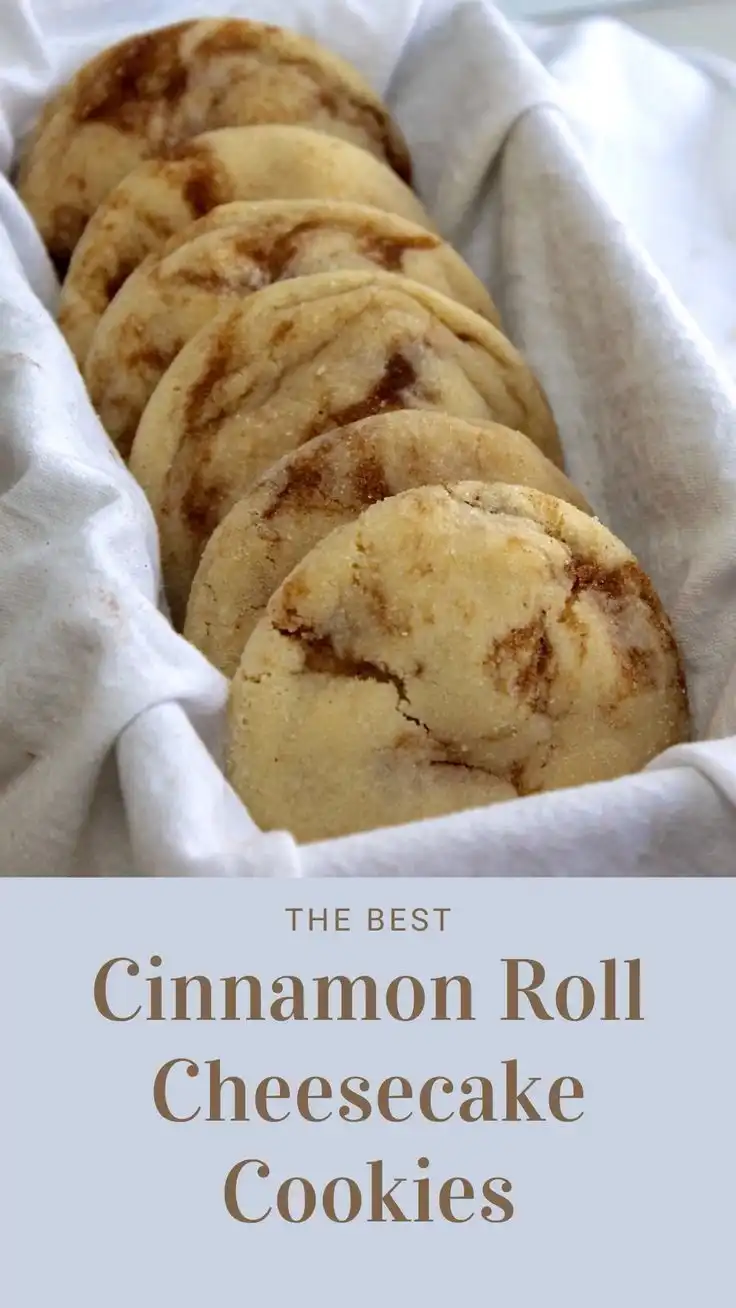
Welcome to the ultimate fusion dessert experience: the Cinnamon Roll Cheesecake — a decadent, show-stopping hybrid that marries the warm, spiced comfort of classic American cinnamon rolls with the luxuriously smooth, velvety richness of New York–style cheesecake. This isn’t just a mashup of two beloved treats; it’s a meticulously engineered symphony of textures and flavors — buttery brown sugar swirls, tender cinnamon-laced cake layers, a dense-yet-creamy cream cheese filling, a glossy caramel-brown sugar glaze, and often crowned with toasted pecans or a whisper of flaky sea salt. Whether you’re hosting a holiday brunch, celebrating a milestone birthday, or simply treating yourself to an unforgettable weekend baking project, this dessert delivers nostalgia, elegance, and indulgence in every forkful. It’s the kind of dessert that sparks conversation, garners gasps, and earns its place as a new family heirloom recipe.
The History
The Cinnamon Roll Cheesecake is a relatively modern culinary innovation born from the late 20th- and early 21st-century “dessert fusion” movement — a playful, boundary-pushing trend where bakers and pastry chefs began reimagining traditional recipes through cross-genre experimentation. While cheesecake traces its origins back over 2,000 years to ancient Greece (served at Olympic games as energy food), and cinnamon rolls evolved from Swedish *kardemummabullar* and German *zimtschnecken*, their convergence didn’t occur until the rise of food blogs, viral social media baking challenges, and the artisanal bakery boom of the 2010s. Early versions appeared on Pinterest and Instagram around 2014–2016 — often as layered sheet cakes or swirled bundt-style creations. However, the true breakthrough came when home bakers and professional pastry chefs alike realized that incorporating a cinnamon roll-inspired swirl *into* a baked cheesecake base — rather than layering them separately — created unparalleled marbling, moisture retention, and structural integrity. Influenced by iconic brands like Cinnabon (founded 1985) and the enduring popularity of Magnolia Bakery’s cheesecakes (popularized by *Sex and the City*), this dessert embodies American comfort food evolution: rooted in tradition, elevated by technique, and unapologetically generous. Today, it appears on menus at upscale brunch spots from Austin to Asheville, features in *Bon Appétit*’s “Bake-Off” specials, and has inspired countless TikTok tutorials — cementing its status as a defining dessert of the contemporary baking renaissance.
Ingredients Breakdown
Every exceptional Cinnamon Roll Cheesecake relies on precision, quality, and purpose-driven ingredients — each playing a distinct structural, flavor, or textural role. Below is a comprehensive breakdown of why each component matters:
- Graham Cracker Crust Base: Finely ground graham crackers provide structure, subtle honeyed sweetness, and a gentle crunch that contrasts beautifully with the creamy filling. Butter binds the crumbs and adds richness, while brown sugar deepens color and introduces molasses notes that echo the cinnamon roll filling.
- Cream Cheese (Full-Fat, Block Style): The non-negotiable foundation — never use spreadable or low-fat varieties. Full-fat brick-style cream cheese ensures proper emulsification, prevents curdling, and delivers dense, luxurious mouthfeel. Must be at true room temperature (65–70°F) for seamless blending.
- Sour Cream & Heavy Cream: Sour cream contributes tang, moisture, and tenderness; heavy cream adds fat content critical for silkiness and helps prevent cracking during baking and cooling. Together, they create a custard-like stability without compromising richness.
- Granulated Sugar: Provides sweetness and aids in aeration during mixing — essential for lightness. Overmixing after sugar addition can introduce excess air, leading to sinking or cracking, so precision matters.
- Eggs (Large, Room Temperature): Act as both binder and leavening agent. Egg yolks enrich with fat and emulsifiers; whites provide lift and structure. Room temperature eggs incorporate more evenly and reduce mixing time, minimizing risk of overbeating.
- Vanilla Extract (Pure, Not Imitation): Enhances all other flavors and adds warmth and depth — especially important to balance the bold cinnamon and brown sugar elements.
- Ground Cinnamon (High-Quality, Preferably Ceylon or Saigon): Not all cinnamon is equal. Ceylon offers floral, delicate complexity; Saigon delivers intense, spicy-sweet heat. Both outperform common cassia in aromatic potency and pairing synergy with cream cheese.
- Brown Sugar (Dark or Light, Packed): Adds moisture, acidity (via molasses), deep caramel tones, and stickiness crucial for the swirl’s cohesion. Dark brown sugar yields richer, more robust notes ideal for contrast against the cheesecake’s mild tang.
- Unsalted Butter (Melted & Cooled): Used in the swirl mixture to ensure fluidity and even distribution. Unsalted allows full control over sodium levels, which is vital since salt heightens sweetness perception and balances fat.
- All-Purpose Flour (Optional but Recommended in Swirl): A small amount (1–2 tsp) stabilizes the swirl, preventing excessive bleeding into the batter during baking and helping maintain defined marbling.
- Heavy Whipping Cream (for Glaze): Provides body and sheen to the final caramel-brown sugar glaze, ensuring it sets with a soft, glossy finish rather than drying hard or separating.
- Pecans or Walnuts (Toasted): Optional but highly encouraged — toasted nuts add textural contrast, nutty aroma, and visual appeal. Their natural oils complement the cinnamon-butter profile.
- Flaky Sea Salt (Maldon or Fleur de Sel): A finishing touch that elevates sweetness, enhances complexity, and creates a sophisticated sweet-and-salty dimension reminiscent of gourmet bakery standards.
Step-by-Step Recipe
- Prep & Chill (2+ Hours Before Baking): Remove cream cheese, sour cream, eggs, and heavy cream from the refrigerator at least 2 hours ahead. Let them come fully to room temperature (65–70°F). Meanwhile, preheat oven to 325°F (163°C). Wrap the *outside* of a 9-inch springform pan tightly with two overlapping layers of heavy-duty aluminum foil — this prevents water seepage during the essential water bath step. Lightly grease the foil-wrapped pan’s bottom and sides with butter or nonstick spray.
- Prepare the Crust: In a food processor or zip-top bag with rolling pin, pulse 1 ½ cups graham cracker crumbs (about 12 full sheets) until fine. Add ¼ cup packed dark brown sugar and 6 tbsp melted unsalted butter. Pulse or stir until mixture resembles wet sand. Press firmly and evenly into the bottom and 1 inch up the sides of the prepared springform pan using the back of a spoon or flat-bottomed measuring cup. Bake for 10 minutes. Remove and let cool completely on a wire rack — do not skip cooling; a warm crust will melt the filling.
- Make the Swirl Filling: In a medium bowl, whisk together ⅔ cup packed dark brown sugar, 1 ½ tsp high-quality ground cinnamon, and ¼ tsp freshly grated nutmeg (optional but recommended). Stir in 6 tbsp melted, cooled unsalted butter until fully combined and glossy. Mix in 1 tsp all-purpose flour to stabilize. Set aside at room temperature.
- Prepare the Cheesecake Batter: In a large bowl using a stand mixer fitted with the paddle attachment (or hand mixer on medium-low), beat softened cream cheese until completely smooth and creamy — about 2 minutes. Scrape down bowl thoroughly. Add granulated sugar and beat on medium until fully incorporated and no lumps remain (~1 minute). Add sour cream and beat until blended. Add heavy cream and mix until uniform. Add vanilla extract and beat to combine. One at a time, add eggs — mixing *just until yolk disappears* after each addition (approx. 15 seconds per egg). Overmixing causes air incorporation and cracking. Scrape bowl well after each step. Do not increase speed beyond medium-low at any point.
- Layer & Swirl: Pour approximately two-thirds (about 4 cups) of the cheesecake batter over the cooled crust. Smooth top gently with an offset spatula. Spoon the cinnamon-brown sugar swirl mixture in 6–8 dollops evenly spaced over the batter. Carefully pour the remaining one-third of batter over the swirls. Using a thin knife or skewer, gently drag through the top layer in a figure-eight or zigzag motion — *do not over-swirl*. Aim for visible ribbons, not complete integration. For extra definition, lightly tap pan on counter once to settle bubbles.
- Water Bath Setup: Place the foil-wrapped springform pan inside a larger roasting pan. Carefully pour hot (not boiling) water into the roasting pan until it reaches halfway up the sides of the springform pan (~1 ½ inches deep). This gentle, even heat is essential for crack-free results.
- Bake Low & Slow: Carefully transfer roasting pan to center oven rack. Bake at 325°F for 1 hour 20 minutes — the edges should be set, but the center 3–4 inches should still have a slight, gentle jiggle (like Jell-O) when nudged. Avoid opening the oven door before the 75-minute mark — sudden temperature drops cause cracks.
- Cool Gradually (Critical Step): Turn oven off. Crack oven door open 1–2 inches with a wooden spoon. Let cheesecake sit in the turned-off oven for 1 hour. Then remove from water bath, carefully peel away foil, and run a thin knife around inner edge to loosen. Cool completely on wire rack at room temperature — minimum 2 hours. Refrigerate uncovered for at least 12 hours (ideally 24–48 hours) before slicing — this allows flavors to meld, texture to firm, and swirls to fully set.
- Prepare the Glaze: While cheesecake chills, make the glaze: In a small saucepan over medium-low heat, combine ½ cup packed dark brown sugar, ¼ cup heavy whipping cream, 1 tbsp unsalted butter, and ½ tsp pure vanilla. Stir constantly until sugar dissolves and mixture simmers gently. Reduce heat to low and cook 3–4 minutes until slightly thickened (coats back of spoon). Remove from heat, stir in pinch of flaky sea salt, and cool to lukewarm (10–15 min).
- Finish & Serve: Just before serving, drizzle glaze generously over chilled cheesecake. Sprinkle with toasted pecans and a final flake of sea salt. Use a hot, thin-bladed knife (dipped in hot water and wiped dry between cuts) for clean slices. Serve chilled — never straight from freezer unless previously frozen (see Variations).
Tips
- Room Temperature Is Non-Negotiable: Cold ingredients cause lumps, uneven mixing, and separation. If cream cheese is still cool in the center, cut into cubes and microwave at 50% power for 10-second intervals — stirring between — until uniformly soft but not melted.
- No Overmixing Rule: Once eggs are added, mix only until just combined. Overbeating incorporates air → trapped air expands then collapses → cracks. Use a timer if needed: 15 seconds max per egg.
- Foil-Wrapping Technique Matters: Use *heavy-duty* foil. Wrap twice, overlapping seams, and press foil snugly around the base. Test for leaks by filling wrapped pan with water and letting sit for 5 minutes before use.
- Water Bath Water Temp: Use hot tap water (120–140°F) — not boiling — to avoid shocking the pan and causing thermal stress cracks.
- Patience Pays Off: Rushing the cooling process is the #1 cause of cracks and weeping. Never refrigerate a warm cheesecake — condensation forms and ruins texture. Always follow the oven-off + 1-hour rest + room temp cool + overnight chill sequence.
- Swirl Strategy: For maximum visual impact, chill the swirl mixture for 10 minutes before dolloping — it holds shape better. Alternatively, pipe swirls using a zip-top bag with corner snipped for precise placement.
- Kitchen Thermometer Hack: Insert an instant-read thermometer into center of cheesecake during last 10 minutes of baking — ideal internal temp is 150–155°F. Beyond 160°F risks overbaking and graininess.
- Knife Prep for Slicing: Wipe knife clean *and* rewarm with hot water before every single slice — this prevents dragging, smearing, or disrupting the swirl pattern.
- Storage Wisdom: Keep covered with plastic wrap pressed directly onto surface to prevent drying and fridge odor absorption. Best consumed within 5 days.
- Freezing Success: Fully chilled, unglazed cheesecake freezes beautifully for up to 3 months. Wrap tightly in plastic, then foil, then place in freezer bag. Thaw overnight in fridge before glazing and serving.
Variations and Customizations
This versatile canvas invites creativity — whether adapting for dietary needs, seasonal ingredients, or personal flair. Here are rigorously tested, chef-approved variations:
- Gluten-Free Version: Substitute gluten-free graham cracker crumbs (certified GF) and replace flour in swirl with 1 tsp gluten-free cornstarch or arrowroot powder. Ensure all spices and extracts are certified GF.
- Vegan Cinnamon Roll Cheesecake: Use soaked raw cashews (blended smooth with coconut cream, lemon juice, maple syrup, and vanilla) for the filling base; GF oat or almond flour crust; coconut oil–brown sugar-cinnamon swirl; and date caramel glaze. Requires 6–8 hour soak and high-speed blender.
- Protein-Powered: Add 2 scoops unflavored or vanilla whey or collagen peptides to batter (reduce granulated sugar by 2 tbsp to compensate). Texture remains unchanged; adds ~30g protein per serving.
- Maple-Bourbon Swirl: Replace 2 tbsp melted butter in swirl with 2 tbsp real maple syrup and 1 tbsp aged bourbon. Adds sophisticated depth and autumnal warmth — reduce cinnamon to 1 tsp to avoid overpowering.
- Apple-Cinnamon Harvest: Fold 1 cup finely diced, sautéed (in butter + brown sugar until tender) Granny Smith apples into swirl mixture. Adds juicy bursts and bright acidity.
- Chai-Spiced: Infuse heavy cream with 2 chai tea bags (steep 10 min, cool completely) before adding to batter. Replace cinnamon in swirl with 1 tsp chai spice blend (cardamom, ginger, cloves, black pepper, cinnamon).
- Mini Jar Versions: Bake in 4-oz mason jars (no water bath needed) at 325°F for 32–38 minutes. Swirl before baking. Perfect for gifts or portion control.
- No-Bake Refrigerator Style: Skip baking entirely: whip stabilized whipped cream + softened cream cheese + sweetener + cinnamon into light mousse; layer with cinnamon graham crumb crust and swirl; chill 8+ hours. Softer texture, faster prep.
- Streusel-Topped: Before baking, sprinkle top with cinnamon-oat streusel (½ cup oats, ¼ cup brown sugar, 2 tbsp cold butter, 1 tsp cinnamon). Adds crunch and bakery-style appeal.
- Espresso Swirl: Dissolve 1 tbsp instant espresso powder into melted butter for swirl. Complements cinnamon’s warmth and cuts richness — ideal for coffee lovers.
Health Considerations and Nutritional Value
While undeniably indulgent, understanding the nutritional profile and mindful adaptations empowers informed enjoyment. A standard slice (1/12 of 9-inch cheesecake, approx. 180g) contains roughly:
- Calories: 520–580 kcal
- Total Fat: 34–38g (21–24g saturated)
- Carbohydrates: 48–52g (38–42g sugars, primarily from brown/white sugar and natural milk sugars)
- Protein: 8–10g (from cream cheese, eggs, sour cream)
- Sodium: 320–380mg (moderate; enhanced by sea salt finish)
- Calcium: ~12% DV (from dairy components)
- Vitamin A & D: Present in bioavailable form due to full-fat dairy
Health Notes & Mindful Enjoyment Strategies:
- Sugar Awareness: This dessert is high in added sugars (≈36g/slice). For those monitoring intake, consider reducing granulated sugar by 2 tbsp and increasing vanilla/cinnamon for perceived sweetness without added calories.
- Saturated Fat Context: While high in sat fat, emerging research suggests full-fat dairy in moderation may support satiety and nutrient absorption. Pairing with a fiber-rich green salad or fresh berries balances the meal.
- Lactose Sensitivity: Contains significant lactose (cream cheese, sour cream, heavy cream). Lactase enzyme supplements taken prior to eating may aid digestion. Vegan version eliminates lactose entirely.
- Gluten Considerations: Traditional graham crackers contain wheat gluten. Certified GF alternatives make this accessible for celiac or gluten-sensitive individuals.
- Portion Mindfulness: Serve smaller slices (1/16 instead of 1/12) with unsweetened herbal tea or sparkling water. The richness satisfies quickly — savor slowly.
- Nutrient Boosters: Top with fresh sliced pears or apples (fiber + vitamin C), a dollop of plain Greek yogurt (extra protein), or chia seed–sprinkled glaze (omega-3s).
- Not a “Health Food” — But Not “Junk” Either: Made with whole-food dairy, minimal processing, and no artificial preservatives or hydrogenated oils, it fits within a balanced, flexible eating pattern when enjoyed intentionally and occasionally.
Ingredients
For the Crust:
- 1 ½ cups (150g) graham cracker crumbs (about 12 full sheets)
- ¼ cup (50g) packed dark brown sugar
- 6 tablespoons (85g) unsalted butter, melted
For the Cinnamon Swirl:
- ⅔ cup (140g) packed dark brown sugar
- 1 ½ teaspoons (3g) high-quality ground cinnamon (Saigon or Ceylon preferred)
- ¼ teaspoon freshly grated nutmeg (optional but recommended)
- 6 tablespoons (85g) unsalted butter, melted and cooled
- 1 teaspoon (3g) all-purpose flour (or GF alternative)
For the Cheesecake Batter:
- 32 ounces (900g) full-fat brick-style cream cheese, room temperature
- 1 cup (240g) full-fat sour cream, room temperature
- ¾ cup (180ml) heavy cream (36–40% fat), room temperature
- 1 ¼ cups (250g) granulated sugar
- 1 teaspoon (5ml) pure vanilla extract
- 4 large eggs, room temperature
For the Brown Sugar Caramel Glaze:
- ½ cup (100g) packed dark brown sugar
- ¼ cup (60ml) heavy whipping cream
- 1 tablespoon (14g) unsalted butter
- ½ teaspoon (2.5ml) pure vanilla extract
- Pinch of flaky sea salt
For Garnish (Optional but Recommended):
- ⅓ cup (40g) pecan halves or walnut pieces, toasted
- Extra flaky sea salt for finishing
Directions
- Preheat oven to 325°F (163°C). Wrap the *outside* of a 9-inch springform pan with two layers of heavy-duty aluminum foil, sealing tightly at the base. Lightly grease foil and pan interior.
- Make crust: Pulse graham crackers in food processor until fine crumbs form. Add brown sugar and melted butter; pulse until moistened. Press firmly into bottom and 1″ up sides of pan. Bake 10 minutes. Cool completely on wire rack.
- Make swirl: Whisk brown sugar, cinnamon, and nutmeg. Stir in melted butter until glossy. Mix in flour. Set aside.
- Make batter: Beat cream cheese on medium with paddle attachment until ultra-smooth (2 min). Scrape bowl. Add sugar; beat 1 min. Add sour cream; beat until combined. Add heavy cream; beat until uniform. Add vanilla. Add eggs one at a time, beating only until yolk disappears (15 sec each). Scrape bowl well after each addition.
- Assemble: Pour ⅔ of batter over cooled crust. Dollop swirl mixture evenly. Pour remaining batter over swirls. Gently swirl with knife in figure-eight motion — 5–6 passes only.
- Water bath: Place springform pan in roasting pan. Carefully pour hot water into roasting pan until halfway up springform sides.
- Bake: Place in center oven rack. Bake 1 hr 20 min — edges set, center 3–4″ jiggles softly. Do not open oven before 75 min.
- Cool: Turn oven OFF. Crack door open 1–2″. Let sit 1 hr. Remove from water bath, peel foil, loosen edges with knife. Cool completely on rack (2+ hrs). Refrigerate uncovered ≥12 hrs (preferably 24–48 hrs).
- Make glaze: In saucepan, combine brown sugar, heavy cream, butter, and vanilla. Heat over medium-low, stirring until sugar dissolves. Simmer gently 3–4 min until thickened. Remove from heat; stir in sea salt. Cool 10–15 min until lukewarm.
- Finish: Drizzle glaze over chilled cheesecake. Sprinkle with toasted pecans and flaky salt. Slice with hot, clean knife. Serve chilled.
FAQ
- Can I make this ahead?
- Absolutely — and strongly recommended! This cheesecake improves dramatically after 24–48 hours of chilling. It can be assembled and refrigerated (unglazed) up to 3 days ahead. Glaze and garnish just before serving.
- Why did my cheesecake crack?
- Most commonly due to: (1) Overmixing after eggs are added, (2) Cooling too quickly (skipping oven-off rest), (3) Water bath not used or foil leaking, (4) Opening oven too early, or (5) Removing from pan while still warm. Follow the cooling protocol precisely.
- Can I freeze it?
- Yes! Fully chilled, unglazed cheesecake freezes beautifully for up to 3 months. Wrap tightly in plastic wrap, then foil, then place in freezer-safe bag. Thaw overnight in fridge before glazing and serving.
- What if I don’t have a springform pan?
- A 9-inch cake pan lined *very* generously with overlapping parchment paper (with tall overhangs for lifting) can work — but removal is far more delicate and risk of breakage is high. Springform is strongly advised.
- Can I use low-fat cream cheese or sour cream?
- No. Reduced-fat dairy lacks sufficient fat to emulsify properly, resulting in a watery, grainy, or separated texture. Full-fat is essential for structure and mouthfeel.
- How do I get clean slices every time?
- Use a long, thin, non-serrated knife. Dip in hot water, wipe dry with clean towel, slice, repeat. Never saw — press straight down. Warm knife = clean cut.
- My swirl sank or disappeared — what happened?
- Swirl mixture was too warm or too liquid (butter too hot), or batter was overmixed after swirling, causing blending. Ensure swirl is cool and thick, and limit swirling to 5–6 gentle passes.
- Can I bake this without a water bath?
- You can — but it’s not recommended. Without the water bath’s gentle, even heat, cracking, browning, and uneven setting become highly likely. If absolutely necessary, reduce oven temp to 300°F and extend bake time by 15–20 min, checking early.
- Is there a way to reduce the sugar?
- Yes — reduce granulated sugar to 1 cup and brown sugar in crust/swirl to 3 tbsp each. Increase cinnamon and vanilla to boost perceived sweetness. Do not reduce sugar in glaze — it won’t set.
- Can I make it in a different size pan?
- Yes — for a 10-inch pan, increase all ingredients by 25% and bake 10–15 minutes longer. For mini cheesecakes (in muffin tin), bake