Introduction
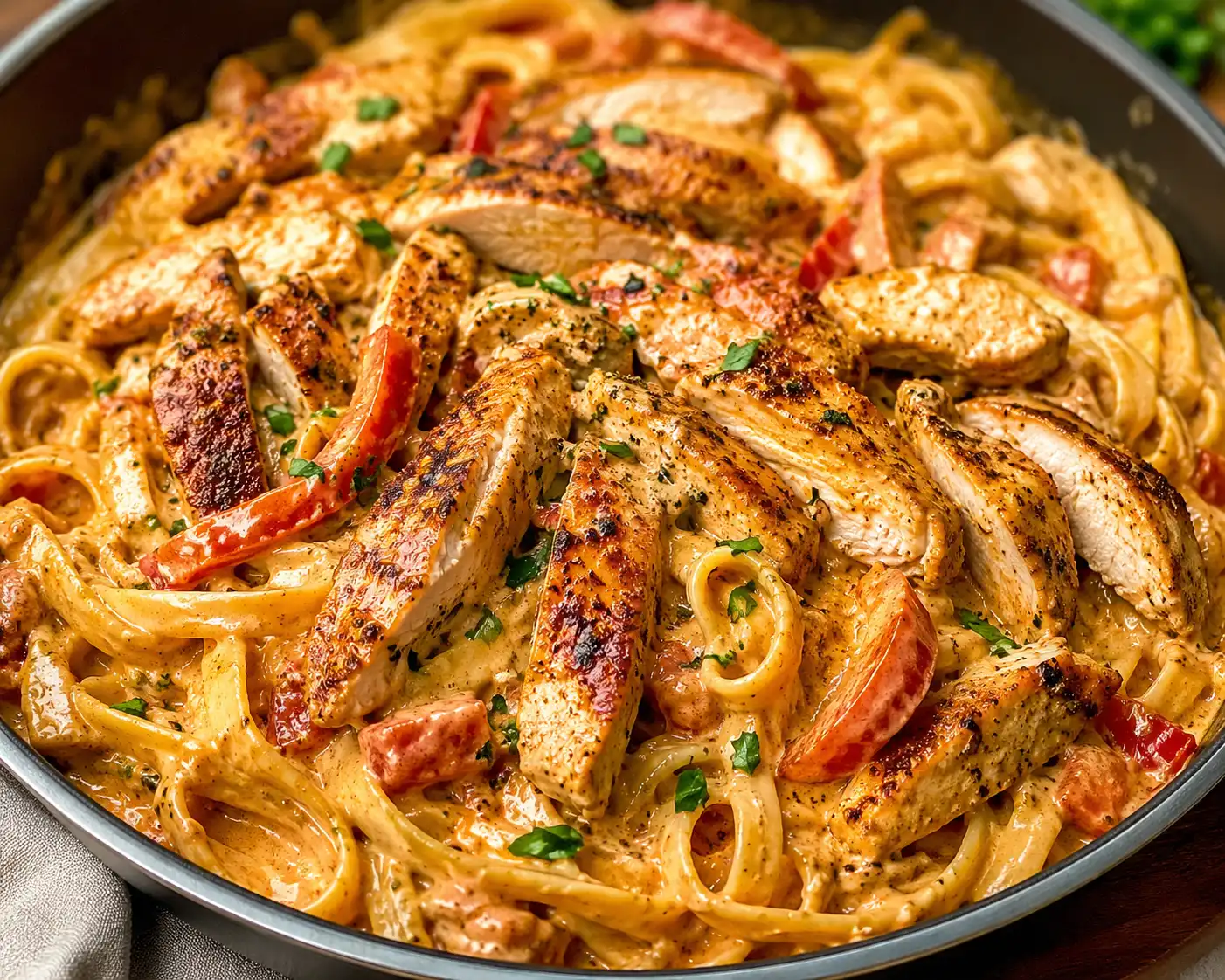
Welcome to the ultimate guide for Easy Creamy Cajun Chicken Pasta—a restaurant-worthy, weeknight-friendly dish that delivers bold, smoky-spicy Cajun flavor balanced by luxuriously smooth, velvety creaminess. Whether you’re a seasoned home cook or just mastering your first pasta sauce, this recipe is designed for foolproof success: minimal prep time, pantry-friendly ingredients, one-pot (or two-pot) efficiency, and maximum flavor payoff. It’s comfort food reimagined—zesty enough to excite your palate, creamy enough to soothe your soul, and versatile enough to adapt to dietary preferences, leftovers, or whatever’s in your fridge. Think tender seared chicken, al dente pasta twirled in a rich, herb-kissed roux-thickened sauce flecked with aromatic garlic, onion, bell peppers, and the unmistakable warmth of authentic Cajun seasoning—all ready in under 30 minutes. Let’s dive into what makes this dish a beloved staple across kitchens nationwide.
The History
Cajun cuisine traces its roots to the Acadian exiles—French-speaking settlers expelled from Canada’s Maritime provinces (modern-day Nova Scotia, New Brunswick, and Prince Edward Island) in the mid-18th century. Resettling in the swamps, prairies, and bayous of South Louisiana, they adapted their French culinary traditions using indigenous ingredients (like filé powder from sassafras leaves), Spanish influences (introduced via colonial rule), and African techniques—giving rise to a rustic, deeply flavorful “country cooking” style defined by the “holy trinity” (onion, celery, bell pepper), slow-simmered stews, and bold, layered seasonings. While classic Cajun dishes include jambalaya, étouffée, and gumbo—traditionally served over rice—the modern fusion of Cajun spice profiles with Italian-American pasta preparations emerged in the late 20th century, particularly in U.S. suburban kitchens and casual dining chains seeking bold, approachable, and photogenic meals. Creamy Cajun Chicken Pasta is a quintessential example of this cross-cultural evolution: it honors the spirit of Cajun seasoning—earthy paprika, pungent garlic and onion powders, cayenne heat, dried oregano and thyme—while embracing American comfort-food sensibilities through a luscious, dairy-enriched sauce and familiar pasta base. Though not historically “authentic” to 18th-century Acadian tables, it embodies the living, adaptive nature of regional cuisine—where tradition meets innovation, and flavor always leads the way.
Ingredients Breakdown
Every element in this recipe plays a distinct, intentional role—from building foundational flavor to enhancing texture and balancing heat. Here’s a deep-dive analysis of each component:
- Cajun Seasoning (Homemade or Store-Bought): The soul of the dish. A true Cajun blend contains smoked paprika (for depth and color), garlic powder, onion powder, dried oregano and thyme (herbal earthiness), cayenne pepper (adjustable heat), white and black pepper (bright, sharp bite), and sometimes a whisper of mustard powder or celery seed. Avoid blends heavy on salt or MSG unless desired—many commercial versions are sodium-dense, so we recommend making your own (recipe included below) for full control.
- Boneless, Skinless Chicken Breasts or Thighs: Chicken thighs are preferred for superior moisture retention, richer flavor, and forgiving cook times—but breasts work beautifully when sliced uniformly and not overcooked. Both benefit from a light brine (15–30 minutes in 1 tsp salt + 1 cup water) for juiciness.
- Pasta (Fusilli, Penne, or Linguine): Short, ridged pastas like fusilli or penne trap creamy sauce effortlessly; linguine offers elegant twirlability and surface area for clinging herbs. Always use high-quality bronze-die extruded pasta for superior sauce adhesion. Never rinse cooked pasta—it washes away vital starches needed for emulsification.
- Heavy Cream (or Full-Fat Coconut Milk for Dairy-Free): Provides unctuous body, fat-soluble flavor carrier for spices, and temperature stability. Low-fat or ultra-pasteurized creams may curdle or lack richness. For vegan adaptation, canned full-fat coconut milk (not “light”) works remarkably well—just simmer gently and stir constantly to prevent separation.
- Unsalted Butter & Olive Oil: A dual-fat sauté base: olive oil withstands higher heat for initial browning; butter adds nutty aroma and richness in the final sauce stage. Clarified butter (ghee) is an excellent alternative for lactose-sensitive cooks.
- Aromatics (Onion, Bell Pepper, Garlic): The Cajun “holy trinity” foundation. Yellow onion brings sweetness, green bell pepper adds grassy freshness, and garlic delivers pungent backbone. Sauté until softened—not browned—to preserve brightness and avoid bitterness.
- All-Purpose Flour: Used as a gentle roux base (cooked 1–2 minutes with butter) to stabilize the sauce, prevent splitting, and lend subtle silkiness—without flouriness. Gluten-free cooks can substitute equal parts sweet rice flour or a 1:1 GF all-purpose blend.
- Chicken Broth (Low-Sodium Preferred): Adds savory umami depth and liquid volume without overwhelming salt. Homemade broth yields exceptional results, but high-quality low-sodium store-bought brands (like Swanson or Kitchen Basics) are reliable standbys.
- Fresh Herbs (Parsley & Green Onions): Added at the end for vibrancy, freshness, and visual appeal. Flat-leaf parsley contributes clean, peppery notes; green onions lend mild allium brightness. Never skip—these are your “finishing flourish.”
- Lemon Juice (Optional but Highly Recommended): A small splash (½–1 tsp) brightens the entire dish, cutting through richness and harmonizing spice. It’s the secret weapon that transforms “delicious” into “addictive.”
Step-by-Step Recipe
- Prep & Season: Slice 1.5 lbs boneless, skinless chicken into ½-inch thick strips or bite-sized pieces. Pat *very* dry with paper towels. In a small bowl, combine 2 tbsp homemade Cajun seasoning (see below), ½ tsp black pepper, and 1 tsp kosher salt. Toss chicken thoroughly and let rest 10 minutes at room temperature.
- Cook Pasta Al Dente: Bring 4–5 quarts of well-salted water (2 tbsp salt) to a rolling boil. Add 12 oz pasta (e.g., fusilli) and cook 1–2 minutes *less* than package instructions. Reserve 1 cup of starchy pasta water before draining. Do *not* rinse.
- Sear the Chicken: Heat 1 tbsp olive oil in a large, heavy-bottomed skillet or Dutch oven over medium-high heat until shimmering. Add chicken in a single layer (work in batches if needed) and cook undisturbed for 2–3 minutes until golden. Flip and cook 2 more minutes until just cooked through (165°F internal temp). Transfer to a clean plate; tent loosely with foil.
- Sauté Aromatics: Reduce heat to medium. Add 1 tbsp unsalted butter. Once melted, add 1 finely diced yellow onion and 1 diced green bell pepper. Sauté 4–5 minutes until softened and translucent. Add 4 minced garlic cloves and cook 45 seconds—until fragrant but not browned.
- Build the Roux Base: Sprinkle in 3 tbsp all-purpose flour. Stir constantly for 1–2 minutes to cook out raw flour taste—mixture should bubble gently and turn pale gold. Do *not* let it darken.
- Whisk in Liquids: Gradually whisk in 1.5 cups low-sodium chicken broth, ensuring no lumps remain. Bring to a gentle simmer, stirring frequently, until slightly thickened (~3 minutes). Then whisk in 1 cup heavy cream and ¼ cup grated Parmesan cheese (optional but recommended for umami depth).
- Simmer & Emulsify: Reduce heat to low. Return chicken (and any accumulated juices) to the pan. Simmer gently for 4–5 minutes, stirring occasionally, allowing sauce to coat chicken and reduce slightly. Sauce should coat the back of a spoon.
- Combine Pasta & Finish: Add drained pasta to the skillet. Toss vigorously with tongs, adding reserved pasta water ¼ cup at a time until sauce is glossy, cohesive, and clings luxuriously to every strand. Stir in 2 tbsp fresh chopped parsley, 2 tbsp sliced green onions, and optional ½ tsp fresh lemon juice. Taste and adjust: more Cajun seasoning for heat, salt for balance, lemon for brightness.
- Serve Immediately: Portion into warm bowls. Garnish generously with extra parsley, green onions, a dusting of paprika or Cajun spice, and additional Parmesan if desired. Serve with crusty bread or garlic toast for soaking up every last drop.
Tips
- Dry Chicken = Golden Chicken: Excess moisture steams instead of sears. Pat chicken *thoroughly*—even twice—with paper towels before seasoning.
- Don’t Crowd the Pan: Overloading lowers pan temperature, causing chicken to sweat rather than caramelize. Cook in batches if your skillet is smaller than 12 inches.
- Control the Heat: Cajun seasoning contains sugar (from paprika) and can burn easily. Keep heat at medium for aromatics and roux—never high.
- Reserve That Pasta Water: Starchy, salty, magical. It’s the key to transforming a thin sauce into a silky, clingy, restaurant-quality finish. Always reserve *before* draining—and have it at the ready.
- Cream Safety First: Add cream only *after* the roux has fully hydrated with broth and reached a gentle simmer. Adding cold cream to a hot roux too quickly can cause separation. Whisk constantly while incorporating.
- Taste & Adjust in Stages: Season after sautéing aromatics (a pinch of salt helps draw out moisture), after adding broth (check salt level before adding more), and again at the very end—heat mellows, and cream dilutes intensity.
- Rest the Sauce: If preparing ahead, refrigerate components separately. Reheat sauce gently over low heat, whisking in a splash of broth or cream to restore silkiness before combining with freshly cooked pasta.
- Use Freshly Grated Cheese: Pre-grated cheeses contain anti-caking agents (like cellulose) that inhibit melting and can make sauces grainy. Grate Parmesan or Pecorino Romano yourself for seamless integration.
- Acid is Non-Negotiable: Lemon juice or a tiny splash of white wine vinegar lifts heaviness, balances fat, and makes flavors pop. Don’t skip—even if you think you don’t like lemon.
- Low & Slow Finishing: Final tossing should happen over the lowest possible heat—or even off the burner—to prevent overcooking pasta or breaking the emulsion.
Variations and Customizations
This recipe is a vibrant canvas—designed to evolve with your pantry, preferences, and cravings. Here are inspired, tested adaptations:
- Vegetarian Version: Omit chicken; add 1 cup diced zucchini, 1 cup sliced cremini mushrooms, and ½ cup roasted corn. Sauté veggies with aromatics. Boost umami with 1 tbsp nutritional yeast or 1 tsp soy sauce in the broth.
- Shrimp Cajun Pasta: Swap chicken for 1 lb peeled, deveined shrimp (tails on or off). Sear 1–2 minutes per side until pink and curled—add *in the last 2 minutes* of sauce simmering to avoid rubberiness.
- Spicy “Cajun Fire” Upgrade: Stir in 1–2 tsp minced chipotle in adobo or ½ tsp ground chipotle powder with the Cajun seasoning. Garnish with pickled jalapeños.
- Creamy Tomato-Cajun Fusion: Add 2 tbsp tomato paste with aromatics; cook 1 minute before flour. Stir in ½ cup crushed San Marzano tomatoes with broth for tangy depth.
- “Green Goddess” Herb Twist: Fold in ¼ cup chopped fresh basil + 2 tbsp chopped chives at the end. Top with microgreens and a drizzle of basil oil.
- Gluten-Free Friendly: Use certified GF pasta (brown rice, quinoa, or lentil-based) and swap flour for 1.5 tbsp cornstarch mixed with 2 tbsp cold broth (slurry), added after broth simmers.
- Dairy-Free / Vegan: Replace butter with vegan butter or refined coconut oil; use full-fat canned coconut milk instead of cream; omit cheese or use nutritional yeast + lemon zest for “cheesy” note. Ensure Cajun seasoning is salt-only (no dairy derivatives).
- Meal-Prep & Freezer-Friendly: Freeze *sauce only* (without pasta) for up to 3 months. Thaw overnight, reheat gently, then toss with freshly cooked pasta. (Pasta turns mushy when frozen with sauce.)
- Low-Carb / Keto Adaptation: Substitute pasta with spiralized zucchini (zoodles), shirataki noodles, or roasted spaghetti squash. Sauté zoodles *very briefly* (1–2 min) at the end to retain texture.
- Breakfast-for-Dinner Cajun “Carbonara”: Add 2 beaten eggs + ¼ cup grated cheese at the end off-heat, stirring vigorously to create a creamy, custard-like coating (like traditional carbonara).
Health Considerations and Nutritional Value
While celebrated for indulgence, this dish can be thoughtfully aligned with balanced nutrition goals—without sacrificing satisfaction. Here’s a realistic, evidence-informed perspective:
- Protein Powerhouse: Chicken provides ~35g high-quality, complete protein per serving (based on 1.5 lbs chicken for 4 servings), supporting muscle maintenance, satiety, and metabolic health. Thighs offer more monounsaturated fats (heart-healthy) and iron than breasts.
- Cream & Fat Facts: Heavy cream contributes saturated fat—but recent research (e.g., 2023 meta-analysis in The Lancet Diabetes & Endocrinology) suggests full-fat dairy, in moderation, is associated with neutral or even beneficial cardiovascular outcomes compared to low-fat alternatives laden with added sugars. Using ¾ cup cream instead of 1 cup reduces calories by ~70 and saturated fat by ~4g per serving—still creamy, noticeably lighter.
- Sodium Savvy: Cajun seasoning and broth are primary sodium sources. Making your own spice blend cuts sodium by up to 75% vs. commercial brands (which average 300–450mg per ¼ tsp). Opting for low-sodium broth saves another 300–400mg per serving. Total sodium can drop from ~900mg to ~450mg per portion—well within AHA guidelines (<2,300mg/day).
- Fiber & Phytonutrients: Bell peppers deliver vitamin C (150% DV per cup), antioxidants (lutein, zeaxanthin), and fiber. Onion and garlic contain prebiotic fructans supporting gut microbiome diversity. Adding spinach (1–2 cups, stirred in at the end) boosts folate, magnesium, and fiber with negligible calories.
- Carbohydrate Context: Pasta contributes complex carbs for sustained energy. Choosing whole-wheat, legume-based (chickpea/lentil), or fortified pasta increases fiber (3–5g+ more per serving) and micronutrients (B vitamins, iron, zinc). Pairing with protein and fat slows glucose absorption—minimizing blood sugar spikes.
- Portion Intelligence: A standard serving is ~1.5 cups pasta + sauce. Using a measuring cup initially helps recalibrate portions—especially helpful for weight management. Serving alongside a large, leafy green salad (dressed lightly with lemon vinaigrette) enhances volume, nutrients, and satiety without excess calories.
- Allergen Notes: Naturally gluten-free if using GF pasta and flour; dairy-free options exist (see Variations); nut-free and soy-free (verify broth & seasoning labels). Always check spice blend ingredients for hidden allergens (e.g., wheat starch, soy lecithin).
- Anti-Inflammatory Boosters: Turmeric (¼ tsp added with Cajun spice) enhances antioxidant activity; black pepper increases curcumin absorption. Extra virgin olive oil (used in finishing drizzle) supplies polyphenols linked to reduced inflammation.
Ingredients
Makes 4 generous servings
- 1.5 lbs boneless, skinless chicken breasts or thighs, cut into ½-inch strips
- 12 oz dried pasta (fusilli, penne, or linguine)
- 2 tbsp homemade Cajun seasoning (recipe below) or high-quality store-bought
- 1 tsp kosher salt (plus more for pasta water)
- ½ tsp freshly ground black pepper
- 1 tbsp olive oil
- 2 tbsp unsalted butter
- 1 medium yellow onion, finely diced
- 1 medium green bell pepper, finely diced
- 4 garlic cloves, finely minced
- 3 tbsp all-purpose flour (or GF flour blend)
- 1.5 cups low-sodium chicken broth
- 1 cup heavy cream (or full-fat canned coconut milk)
- ¼ cup freshly grated Parmesan cheese (optional but recommended)
- ¼ cup fresh flat-leaf parsley, finely chopped
- ¼ cup green onions, thinly sliced
- ½ tsp fresh lemon juice (optional but highly recommended)
- Additional parsley, green onions, paprika, and Parmesan for garnish
Homemade Cajun Seasoning (Makes ½ cup):
2 tbsp smoked paprika
1 tbsp garlic powder
1 tbsp onion powder
1 tbsp dried oregano
1 tbsp dried thyme
1 tsp cayenne pepper (adjust to taste)
1 tsp freshly ground black pepper
1 tsp white pepper
1 tsp kosher salt (omit if watching sodium)
Directions
- Season & Prep Chicken: In a medium bowl, combine chicken pieces, 2 tbsp Cajun seasoning, 1 tsp kosher salt, and ½ tsp black pepper. Toss well to coat. Let sit 10 minutes at room temperature.
- Cook Pasta: Bring 4–5 quarts water to boil. Add 2 tbsp salt. Cook pasta 1–2 minutes shy of al dente. Reserve 1 cup starchy water, then drain. Set aside—do not rinse.
- Sear Chicken: Heat olive oil in a large skillet or Dutch oven over medium-high heat. Add chicken in a single layer; cook 2–3 minutes per side until golden and cooked through (165°F). Transfer to a plate; cover loosely.
- Sauté Aromatics: Reduce heat to medium. Add butter. Once melted, add onion and bell pepper. Sauté 4–5 minutes until soft. Add garlic; cook 45 seconds until fragrant.
- Make Roux: Sprinkle flour over vegetables. Stir constantly 1–2 minutes until mixture bubbles and turns pale gold—do not brown.
- Build Sauce: Whisk in chicken broth gradually, scraping bottom to lift browned bits. Bring to gentle simmer; cook 3 minutes until slightly thickened. Whisk in heavy cream and Parmesan until smooth.
- Combine & Simmer: Return chicken (and juices) to pan. Reduce heat to low. Simmer gently 4–5 minutes, stirring occasionally, until sauce coats chicken and thickens slightly.
- Finish with Pasta: Add drained pasta. Toss vigorously with tongs, adding reserved pasta water ¼ cup at a time until sauce is glossy and clings perfectly. Stir in parsley, green onions, and lemon juice.
- Serve: Divide into warm bowls. Garnish with extra parsley, green onions, a dusting of paprika, and additional Parmesan. Serve immediately.
FAQ
- Can I make this ahead of time?
- Yes—but for best texture, prepare components separately: cook pasta fresh, refrigerate sauce (up to 3 days) and chicken (up to 4 days) separately, then reheat sauce gently and toss with hot pasta just before serving. Avoid storing assembled dish—it becomes gummy.
- Why does my sauce break or look greasy?
- Common causes: adding cold cream to a too-hot roux, overheating the finished sauce, using ultra-pasteurized cream (less stable), or insufficient emulsification from pasta water. Fix: whisk in 1–2 tbsp cold broth or cream off-heat while vigorously stirring. Next time, temper cream by whisking a ladle of hot sauce into it first, then slowly add back.
- Can I use pre-cooked chicken or rotisserie chicken?
- Absolutely—great for speed! Shred or dice 3 cups cooked chicken. Skip the searing step. Add it when you return chicken to the sauce (step 7) and simmer just 2 minutes to warm through. Reduce broth by ¼ cup to compensate for less liquid release.
- What’s the best pasta to use?
- Fusilli is ideal—its spirals trap creamy sauce. Penne, rigatoni, and campanelle also excel. For elegance, try linguine or tagliatelle. Avoid delicate pastas like angel hair—they’ll overcook and disintegrate.
- How spicy is this dish?
- With 1 tsp cayenne in our homemade blend, it’s medium heat—noticeable warmth, not face-melting. Reduce cayenne to ½ tsp or omit for mild. Add hot sauce (like Crystal or Tabasco) at the table for customizable heat.
- Can I freeze this dish?
- Freeze the sauce *alone* (without pasta or dairy additions like fresh herbs) for up to 3 months. Thaw overnight in fridge, reheat gently on stove, then stir in freshly cooked pasta and herbs. Freezing with pasta or cream leads to grainy, separated texture.
- Is there a way to lighten this without losing creaminess?
- Yes! Replace half the heavy cream with whole milk or evaporated milk (adds richness without extra fat). Use Greek yogurt (¼ cup, stirred in off-heat at the end) for tang and protein. Or blend ¼ cup silken tofu into warm sauce for velvety body and plant-based protein.
- My sauce is too thick/thin—how do I fix it?
- Too thick? Whisk in warm broth or pasta water, 1 tbsp at a time. Too thin? Simmer 2–3 minutes longer to reduce, or make a slurry (1 tsp cornstarch + 1 tbsp cold water), whisk in, and simmer 1 minute until clear.
- Can I use dried herbs instead of fresh parsley and green onions?
- Fresh is strongly recommended for brightness and texture—but in a pinch, substitute 1 tsp dried parsley (added with broth) and omit green onions or use ½ tsp dried chives. Note: dried herbs won’t provide the same vibrant finish.
- What wine pairs well with this dish?
- A crisp, off-dry Riesling (Kabinett) balances spice and cream. An unoaked Chardonnay offers complementary richness. For red lovers, try a low-tannin, fruity Pinot Noir. Non-alcoholic: sparkling lemon-ginger water or hibiscus iced tea.
Summary
Easy Creamy Cajun Chicken Pasta is a brilliantly balanced, deeply flavorful weeknight triumph—uniting the bold, smoky-spicy soul of Louisiana with the comforting embrace of Italian-American creaminess, all in under 30 minutes with minimal cleanup.
It’s endlessly adaptable, nutritionally thoughtful, and guaranteed to earn rave reviews—whether you’re cooking for picky kids, hosting friends, meal-prepping for busy days, or simply treating yourself to something genuinely delicious and deeply satisfying.