Introduction
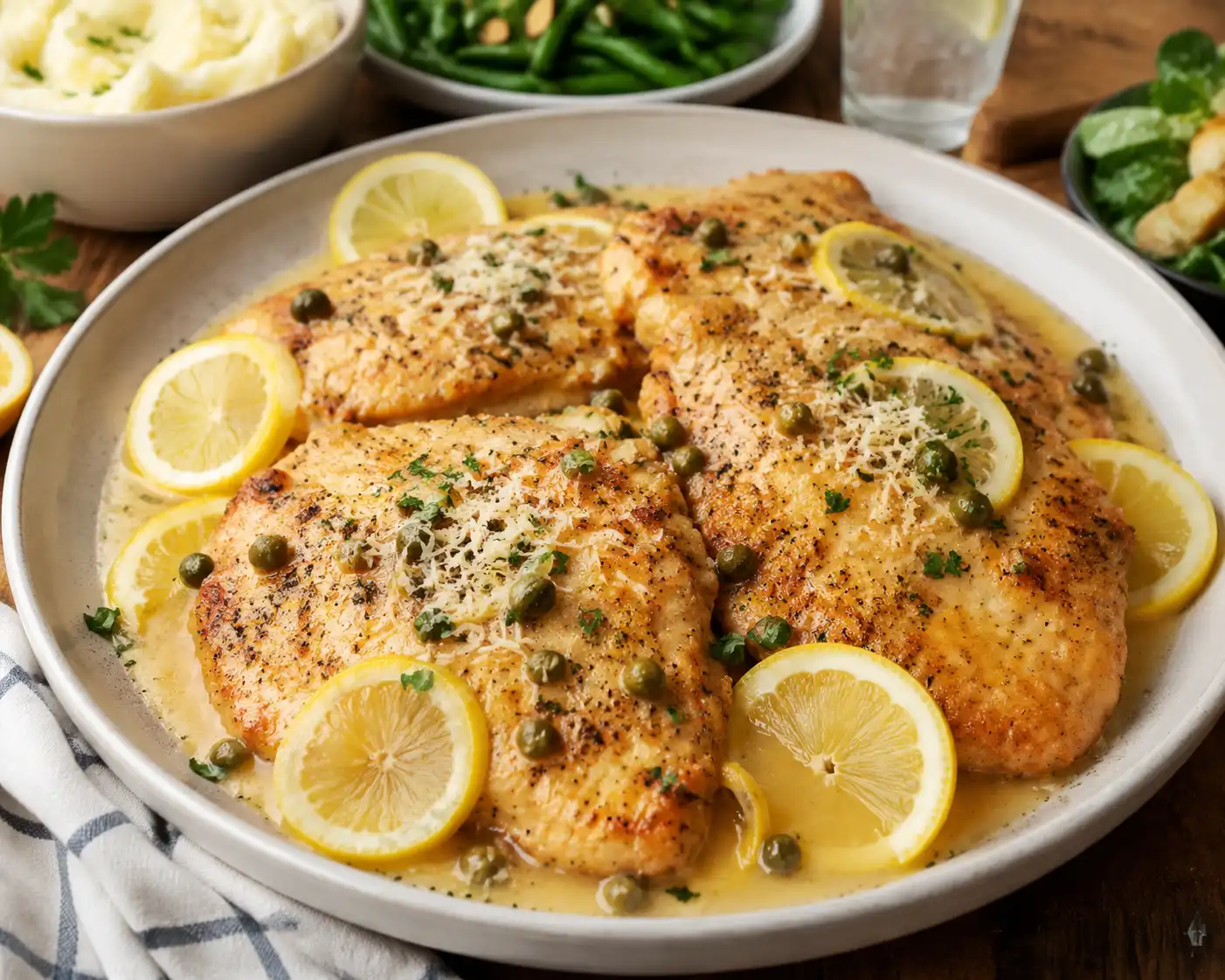
There’s something profoundly heartwarming about a dish that bridges generations—where the bright, sun-kissed tang of lemon meets the rich, nutty depth of Romano cheese and tender, juicy chicken. Comforting Lemon Chicken Romano for Family is more than just a weeknight dinner; it’s a culinary embrace—a harmonious fusion of Mediterranean zest and Italian-American soul food that transforms simple pantry staples into a meal steeped in warmth, aroma, and shared joy. Whether served on a rainy Tuesday or as the centerpiece of a Sunday supper, this dish invites everyone to the table—not just with its vibrant golden hue and aromatic steam rising from the skillet, but with its unmistakable promise of comfort, care, and connection.
The History
While no single historical document cites “Lemon Chicken Romano” as a canonical Italian recipe, its roots run deep through multiple culinary traditions. Lemon-based poultry preparations trace back centuries in Southern Italy and Greece, where citrus was prized not only for flavor but also for its preservative and digestive properties. In coastal regions like Campania and Sicily, chickens were often roasted or pan-seared with lemon, garlic, and olive oil—simple, seasonal, and sustaining. The addition of Pecorino Romano (a sheep’s milk cheese traditionally aged in the Roman countryside since ancient times) reflects the evolution of Italian-American home cooking in the mid-20th century: resourceful cooks adapted Old World techniques using accessible, shelf-stable ingredients—substituting Romano for harder-to-find local cheeses and amplifying umami with its bold, salty finish. Over time, this improvisation matured into a beloved family staple—passed down via scribbled index cards, voice-memo instructions, and the gentle insistence of nonnas saying, “Just taste it—you’ll know.” Today, Lemon Chicken Romano stands as a delicious testament to culinary continuity: rustic yet refined, nostalgic yet endlessly adaptable.
Ingredients Breakdown
Every ingredient in this dish plays a deliberate, synergistic role—no element is merely decorative or incidental. Let’s explore them with intention:
- Boneless, skinless chicken breasts or thighs: Opt for thighs for unparalleled tenderness and flavor (thanks to their higher fat content), or breasts for a leaner, milder profile. Uniform thickness ensures even cooking—consider butterflying thicker cuts.
- Fresh lemons: Not bottled juice. The zest contributes volatile citrus oils that perfume the entire dish, while freshly squeezed juice delivers bright acidity without bitterness or oxidation. Two medium lemons yield ~¼ cup juice + 1 tbsp finely grated zest—ideal balance.
- Pecorino Romano cheese: Aged at least 8 months for optimal saltiness and granular texture. Authentic DOP-certified Romano from Sardinia or Lazio offers complex notes of grass, sheep’s milk, and subtle caramel. Avoid pre-grated versions—they contain anti-caking agents that mute flavor and hinder melting.
- Garlic and shallots: The aromatic foundation. Minced garlic releases allicin (its pungent, healthful compound) when gently sautéed; shallots add delicate sweetness and depth without overpowering.
- Dry white wine (optional but recommended): A splash of Sauvignon Blanc or Pinot Grigio deglazes the pan, lifts fond, and adds subtle fruit-forward acidity that complements lemon without competing.
- Heavy cream or full-fat Greek yogurt: Adds luxurious silkiness and tempers acidity. Cream yields richness; Greek yogurt lends a pleasant tang and extra protein—both emulsify beautifully with lemon and cheese.
- Fresh herbs (parsley, thyme, or oregano): Flat-leaf parsley adds freshness and visual pop; thyme contributes earthy nuance; oregano nods to Greek-inspired variations. Always stir in herbs at the end to preserve volatile oils and color.
- Extra-virgin olive oil and unsalted butter: Olive oil for high-heat searing; butter for finishing—its milk solids lend nuttiness and sheen. Using both creates a superior flavor base (a technique known as *monter au beurre*).
- Sea salt and freshly cracked black pepper: Salt enhances all other flavors and helps proteins retain moisture; coarse-ground pepper adds aromatic heat that evolves as it blooms in warm sauce.
Step-by-Step Recipe
- Prep & Marinate (15–30 minutes): Pound chicken to ½-inch uniform thickness. Pat dry thoroughly. In a bowl, combine 2 tbsp lemon juice, 1 tsp zest, 1 minced garlic clove, 1 tsp olive oil, ¼ tsp salt, and ⅛ tsp pepper. Add chicken; marinate 15 minutes at room temperature (no longer—acid can begin to “cook” the surface, leading to toughness).
- Season & Sear (8–10 minutes): Remove chicken from marinade (discard marinade). Season both sides generously with salt and pepper. Heat 1½ tbsp olive oil in a large stainless steel or cast-iron skillet over medium-high heat until shimmering. Carefully place chicken in pan—do not crowd. Sear undisturbed 4–5 minutes per side until deeply golden and internal temperature reaches 160°F (it will rise to 165°F while resting). Transfer to a clean plate; tent loosely with foil.
- Build the Aromatic Base (3–4 minutes): Reduce heat to medium. Add 1 tbsp butter and 1 finely minced shallot to the same skillet. Sauté 1 minute until translucent. Add 2 more minced garlic cloves and ½ tsp lemon zest; stir constantly 30 seconds until fragrant—do not brown garlic.
- Deglaze & Simmer (5 minutes): Pour in ¼ cup dry white wine, scraping up all browned bits (fond) with a wooden spoon. Simmer 2 minutes until reduced by half. Stir in remaining 3 tbsp lemon juice, ½ cup low-sodium chicken broth, and a pinch of red pepper flakes (optional, for gentle warmth).
- Enrich & Emulsify (3–4 minutes): Reduce heat to low. Whisk in ⅓ cup heavy cream (or ½ cup full-fat Greek yogurt). Simmer gently—do not boil vigorously—to prevent curdling. Gradually whisk in ¾ cup freshly grated Pecorino Romano, a small handful at a time, allowing each addition to melt fully before adding more. Sauce should thicken to a velvety, coat-the-back-of-a-spoon consistency.
- Finish & Rest (2 minutes): Return chicken to skillet, nestling pieces into sauce. Spoon sauce over tops. Simmer gently 1–2 minutes to reheat chicken through. Remove from heat. Stir in 2 tbsp cold butter (cut into cubes) for extra gloss and richness. Finish with 2 tbsp chopped fresh parsley, additional lemon zest, and a final grind of black pepper.
- Serve Immediately: Plate chicken atop creamy sauce. Garnish with extra Romano shavings, lemon wedges, and a drizzle of high-quality EVOO. Accompany with lemon-herb roasted potatoes, orzo tossed with spinach and feta, or crusty artisan bread for sopping.
Tips
- Patience with Pan Sauce: Never rush the reduction. A properly built sauce relies on time—let wine reduce fully before adding broth; let broth reduce slightly before enriching. Rushing leads to watery, unbalanced sauce.
- Cheese Temperature Matters: Grate Romano straight from the fridge—cold cheese incorporates more smoothly and prevents clumping or greasiness.
- Acid Balance is Everything: If sauce tastes too sharp after adding lemon, counter with a tiny pinch of sugar (⅛ tsp) or a splash of cream—not to sweeten, but to round edges. Conversely, if too flat, add lemon zest (not juice) for aromatic lift.
- Rest Chicken Before Slicing: Let seared chicken rest 5 minutes before returning to sauce. This allows juices to redistribute—ensuring every bite stays succulent, even after simmering.
- Skillet Choice Impacts Results: Stainless steel or cast iron provides superior browning vs. nonstick (which inhibits fond development). If using nonstick, boost flavor by adding 1 tsp tomato paste with aromatics—it deepens color and umami.
- Double the Sauce, Not the Chicken: Make extra sauce—it freezes beautifully for up to 3 months and reheats flawlessly over gentle heat. Use it next time for pasta, grain bowls, or as a dip for grilled vegetables.
- Low-and-Slow Cheese Integration: Whisk Romano in off direct heat if using yogurt, or over lowest possible heat if using cream. High heat causes proteins to seize and separate—resulting in grainy, broken sauce.
- Resist Over-Stirring Post-Finish: Once cold butter and herbs are added, stir minimally. Excessive agitation can cause emulsion to break or herbs to bruise and darken.
Variations and Customizations
This recipe is gloriously flexible—designed to honor your pantry, preferences, and family rhythms. Here are thoughtfully tested adaptations:
- Sheet-Pan Lemon Romano Chicken: Toss chicken thighs, baby potatoes, zucchini ribbons, and red onion wedges in lemon-garlic-Romano marinade. Roast at 425°F for 25–30 minutes. Broil 2 minutes to crisp edges. Drizzle with lemon-herb gremolata before serving.
- Creamy Lemon Romano Orzo Bake: Fold cooked orzo, shredded rotisserie chicken, sauce, and extra Romano into a baking dish. Top with breadcrumbs + melted butter + lemon zest. Bake at 375°F for 20 minutes until golden and bubbling.
- Lighter Yogurt-Lemon Romano Version: Replace cream with ¾ cup plain whole-milk Greek yogurt + 2 tbsp lemon juice. Temper yogurt by whisking in 2 tbsp hot sauce first, then fold in. Finish with dill instead of parsley for a brighter, cooler profile.
- Vegetarian “Chicken” Romano: Substitute thick-cut, marinated king oyster mushrooms or pressed, baked tofu. Sear until deeply caramelized, then proceed with sauce. Add capers and kalamata olives for briny depth.
- Spiced North African Twist: Add ½ tsp ground cumin, ¼ tsp smoked paprika, and a pinch of saffron (steeped in 1 tbsp warm broth) with aromatics. Finish with toasted almonds and dried apricots.
- Kid-Friendly Mild Version: Omit garlic and red pepper flakes. Use mild provolone blended with 25% Romano for subtler saltiness. Stir in steamed peas and carrots during final simmer.
- Gluten-Free Adaptation: Ensure broth and wine are certified GF. Thicken sauce with 1 tsp cornstarch slurry (instead of relying solely on cheese) if needed for cling.
- Meal-Prep Friendly Format: Cook chicken and sauce separately. Portion into containers. Reheat chicken gently in sauce—never reboil. Sauce thickens upon chilling; loosen with a splash of broth when reheating.
Health Considerations and Nutritional Value
A single 6-ounce serving (chicken + ⅓ cup sauce) provides approximately:
- Calories: 420–480 (varies by cut and dairy choice)
- Protein: 38–42g (excellent source—supports muscle maintenance, satiety, and immune function)
- Fat: 24–28g (predominantly unsaturated from olive oil and cheese; includes conjugated linoleic acid [CLA] from Romano, linked to metabolic benefits)
- Carbohydrates: 3–5g (naturally low—ideal for low-carb or keto-aligned eating)
- Vitamin C: ~25mg (60% DV from lemon—supports collagen synthesis and iron absorption)
- Calcium: ~220mg (22% DV from Romano—vital for bone health and nerve transmission)
- Zinc & Selenium: Significant amounts from chicken and cheese—critical for antioxidant defense and thyroid regulation
Nutrition Notes & Mindful Tweaks:
- Lemon’s Role in Bioavailability: Vitamin C in lemon juice significantly enhances non-heme iron absorption from plant-based sides (e.g., spinach, lentils)—making this dish an ideal partner for nutrient-dense accompaniments.
- Romano’s Probiotic Potential: Traditionally aged Pecorino contains live cultures and beneficial peptides shown in studies to support gut barrier integrity—especially when consumed raw or minimally heated.
- Lower-Sodium Option: Use low-sodium broth and omit added salt during searing. Rely on Romano’s inherent saltiness—and boost flavor with extra lemon zest, fresh herbs, and roasted garlic.
- Heart-Healthy Swaps: Replace half the butter with avocado oil; use part-skim Romano (though flavor and meltability decrease); add 1 tbsp flaxseed meal to sauce for omega-3s.
- For Blood Sugar Balance: Serve with fiber-rich sides: quinoa pilaf with roasted fennel, or farro salad with arugula and shaved fennel. The protein and fat in this dish naturally slow glucose absorption.
- Allergy-Aware Serving: Romano is made from sheep’s milk—often tolerated by those with cow’s milk sensitivity (but not for those with sheep’s milk allergy or severe casein intolerance). Always verify with your family’s needs.
Ingredients
- 1½ lbs boneless, skinless chicken thighs (or breasts), pounded to ½-inch thickness
- 3 medium fresh lemons (zest and juice of 2; 1 extra for garnish)
- 1 cup (about 3 oz) finely grated authentic Pecorino Romano cheese (DOP preferred)
- 1 large shallot, finely minced (about ¼ cup)
- 4 garlic cloves, minced (2 for marinade, 2 for sauce)
- ¼ cup dry white wine (Sauvignon Blanc or Pinot Grigio)
- ½ cup low-sodium chicken broth
- ⅓ cup heavy cream (or ½ cup full-fat Greek yogurt)
- 3 tbsp extra-virgin olive oil (divided)
- 2 tbsp unsalted butter (divided; 1 tbsp for sautéing, 1 tbsp cold for finishing)
- 2 tbsp fresh flat-leaf parsley, finely chopped
- ½ tsp red pepper flakes (optional)
- 1 tsp sea salt (plus more to taste)
- Freshly ground black pepper
Directions
- In a shallow dish, whisk together 2 tbsp lemon juice, 1 tsp lemon zest, 1 minced garlic clove, 1 tsp olive oil, ¼ tsp salt, and ⅛ tsp pepper. Add chicken; turn to coat. Marinate 15–30 minutes at room temperature.
- Heat 1½ tbsp olive oil in a large skillet over medium-high heat. Pat chicken very dry. Season both sides generously with salt and pepper. Sear 4–5 minutes per side until golden and cooked through (160°F internal). Transfer to plate; tent with foil.
- Reduce heat to medium. Add 1 tbsp butter and shallot to skillet; sauté 1 minute. Add remaining 2 garlic cloves and ½ tsp lemon zest; cook 30 seconds until fragrant.
- Pour in wine; scrape up browned bits. Simmer 2 minutes until reduced by half. Add remaining 3 tbsp lemon juice, broth, and red pepper flakes (if using). Simmer 2 minutes.
- Reduce heat to low. Whisk in cream (or tempered yogurt). Gradually whisk in Romano, a handful at a time, until smooth and thickened (~3 minutes).
- Return chicken to skillet. Spoon sauce over pieces. Simmer gently 1–2 minutes to reheat.
- Remove from heat. Whisk in remaining 1 tbsp cold butter until glossy. Stir in parsley, extra lemon zest, and black pepper.
- Serve immediately, garnished with lemon wedges, extra Romano shavings, and a drizzle of EVOO.
FAQ
- Can I use Parmesan instead of Romano?
- Yes—but expect a milder, sweeter, less salty result. Parmesan melts more readily but lacks Romano’s assertive tang and granular texture. For best authenticity and depth, stick with Pecorino Romano. If substituting, increase lemon zest by ½ tsp to compensate.
- Why does my sauce break or look grainy?
- Most commonly due to overheating the dairy or adding cheese too quickly. Always use low heat when incorporating Romano, and whisk constantly. If sauce breaks, remove from heat, whisk in 1 tsp cold cream or lemon juice, then slowly re-warm while whisking vigorously.
- Can I make this ahead of time?
- Absolutely. Prepare sauce separately (without chicken) up to 3 days ahead—store covered in fridge. Reheat gently, stir in cold butter and herbs, then add pre-cooked chicken to warm through. Do not freeze chicken in sauce—dairy may separate upon thawing.
- Is this dish freezer-friendly?
- The sauce (without chicken) freezes exceptionally well for up to 3 months. Cool completely, portion into airtight containers, leaving ½-inch headspace. Thaw overnight in fridge; reheat over low heat, stirring constantly. Add fresh herbs and lemon zest after reheating.
- What sides pair best with Lemon Chicken Romano?
- Classic pairings include lemon-herb roasted potatoes, creamy polenta, or orzo with wilted spinach and sun-dried tomatoes. For lighter options: arugula salad with lemon vinaigrette and shaved fennel, or steamed asparagus with toasted almonds. Crusty bread is non-negotiable for sauce-sopping!
- How do I keep chicken moist when searing?
- Three keys: (1) Pound to uniform thickness, (2) Pat *extremely* dry before seasoning—moisture steams instead of sears, (3) Let chicken rest 5 minutes after searing *before* returning to sauce. This retains natural juices.
- Can I cook this in an Instant Pot or air fryer?
- Air fryer works beautifully for searing chicken (400°F, 10–12 minutes, flipping halfway)—then finish sauce on stove. Instant Pot is less ideal: high-pressure cooking makes chicken dense, and dairy-based sauces risk burning or separation. Stick to stovetop for best texture and control.
- My family finds Romano too salty—any fixes?
- Use ½ cup Romano + ¼ cup mild fontina or mozzarella for balance. Or rinse grated Romano under cold water for 5 seconds, then pat dry—this removes surface salt without sacrificing flavor. Always taste sauce before final seasoning.
Summary
Comforting Lemon Chicken Romano for Family is a luminous, soul-satisfying dish where zesty brightness, savory depth, and creamy elegance converge—crafted to nourish bodies and gather hearts around the table. With its adaptable framework, rich history, and thoughtful nutritional profile, it’s not just dinner—it’s a tradition in the making, ready to become your family’s most requested, most cherished, most comforting ritual.