Introduction
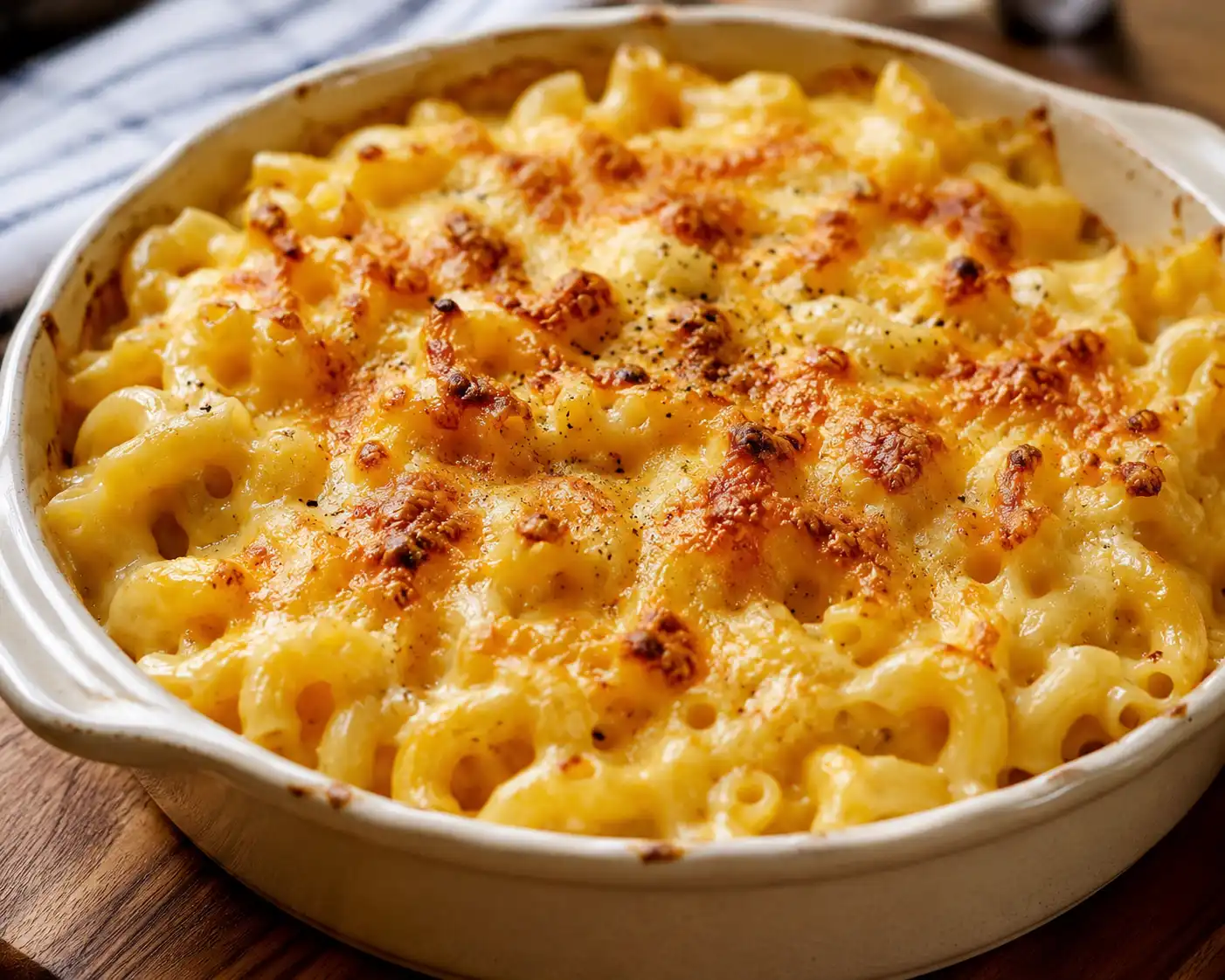
Macaroni and cheese—affectionately dubbed “mac and cheese” or simply “mac ’n’ cheese”—is far more than a humble pasta dish; it’s a cultural touchstone, a culinary heirloom, and a universal comfort food that transcends generations, geographies, and dining contexts. From childhood lunchboxes to gourmet restaurant tasting menus, from potluck staples to holiday centerpieces, mac and cheese occupies a uniquely beloved space in the American—and increasingly global—food lexicon. Its deceptively simple premise—a marriage of tender pasta and rich, velvety cheese sauce—belies its profound emotional resonance: it evokes nostalgia, signals care, offers solace during hardship, and celebrates abundance in moments of joy. Whether baked until golden and bubbly or served creamy and stovetop-fresh, mac and cheese is both deeply personal and universally understood—a blank canvas for creativity, tradition, memory, and innovation all at once.
The History
The origins of macaroni and cheese stretch back centuries, long before it became an American icon. Its earliest documented ancestor appears in the 13th-century Italian cookbook Liber de arte coquinaria by Florentine chef Francesco di Marco Datini, which includes a recipe for “de lasanis”—layers of pasta sheets interspersed with grated cheese (likely Parmigiano-Reggiano) and spices. By the 14th century, similar dishes appeared across medieval Europe: English manuscripts like the Forme of Cury (c. 1390) describe “makerouns,” a layered dish of boiled pasta, butter, and aged cheese—strikingly akin to modern-day baked mac. The dish traveled through trade routes and royal courts, gaining popularity among European aristocracy.
In colonial America, macaroni was considered a luxury import—dried pasta had to be shipped across the Atlantic, and fine cheeses were scarce. Thomas Jefferson played a pivotal role in its American adoption: after encountering pasta during his diplomatic tenure in Paris (1784–1789), he imported a pasta machine from Naples and brought back crates of Parmesan. In 1793, he commissioned James Hemings—the enslaved French-trained chef who also mastered béchamel and meringues—to prepare “macaroni pie” for a state dinner at the President’s House in Philadelphia. Jefferson later installed a state-of-the-art pasta press at Monticello, and his 1802 White House menu famously listed “macaroni pie” as a main course—served alongside roast beef and stewed spinach.
The dish democratized in the 19th century with industrial milling and the rise of affordable dried pasta. In 1874, James L. Kraft founded Kraft Foods, and in 1937—during the Great Depression—the company launched Kraft Dinner (KD) in Canada, followed by Kraft Macaroni & Cheese Dinner in the U.S. in 1939. Priced at just 19 cents per box and boasting a two-year shelf life, it offered unprecedented convenience, consistency, and nourishment for cash-strapped families. During WWII, when rationing limited access to dairy and meat, KD became a pantry hero—its powdered cheese blend (a proprietary mix of cheddar, whey, sodium phosphate, and citric acid) ensured meltability without refrigeration. By the 1950s, it was enshrined in pop culture—appearing in Betty Crocker cookbooks, TV commercials featuring cheerful housewives, and school lunch programs nationwide.
Yet the story didn’t end there. The late 20th and early 21st centuries witnessed a renaissance: artisanal cheesemongers revived interest in heirloom varieties; Southern chefs elevated it with smoked Gouda and pimento; soul food traditions embraced oven-baked versions with cornbread crumb toppings; and food media celebrated “gourmet mac” on Top Chef, Food Network, and Instagram. Today, mac and cheese enjoys UNESCO-level reverence—not officially, perhaps—but functionally: it has its own festivals (the annual Mac & Cheese Festival in Washington, D.C.), competitive cook-offs (including the World Championship Mac & Cheese Cook-Off in Vermont), museum exhibits (the National Museum of African American History and Culture features a historic mac and cheese recipe from Edna Lewis), and even academic analysis (food historians like Toni Tipton-Martin and Michael Twitty explore its roots in enslaved cooks’ ingenuity and West African dairy traditions). It is, in every sense, America’s edible archive.
Ingredients Breakdown
While variations abound, the foundational mac and cheese relies on five essential components—each playing a distinct structural, textural, and flavor role:
- Pasta: Short, sturdy shapes with ridges or cavities—such as elbow macaroni, cavatappi, fusilli, shells, or gemelli—are ideal. They trap sauce, resist mushiness during baking, and provide satisfying bite. Whole wheat, gluten-free (brown rice, quinoa, or lentil-based), or legume-enriched pastas offer nutritional upgrades without sacrificing integrity—though cooking times and starch release differ and require close monitoring.
- Cheese: A well-balanced blend is non-negotiable. Base Melter: Mild, high-moisture cheeses like American (for unparalleled creaminess and emulsification), young cheddar (mild or medium), Monterey Jack, or Fontina provide foundational body and melt. Flavor Builder: Aged cheddars (sharp, extra sharp, white, or clothbound), Gruyère, Comté, or Asiago add nuttiness, tang, and complexity. Umami Enhancer: Parmigiano-Reggiano, Pecorino Romano, or aged Gouda lend saltiness, depth, and granular texture. Wild Card: Blue cheeses (Gorgonzola dolce), smoked cheeses (smoked Gouda, chipotle Cheddar), or funky options (Taleggio, Cambozola) introduce bold contrast—but use sparingly and balance with creamier bases.
- Dairy & Liquid: Whole milk is standard for richness and stability; half-and-half or light cream adds silkiness without greasiness. Evaporated milk imparts concentrated dairy sweetness and reduces sauce separation. For vegan versions, unsweetened oat, soy, or cashew milk (blended with soaked raw cashews) provides creaminess; coconut milk works but can impart flavor unless refined. Broth (vegetable or chicken) may replace part of the dairy for savory depth—especially in “loaded” or protein-enhanced versions.
- Thickener & Emulsifier: A classic roux (butter + flour, cooked to pale blonde) remains the gold standard for stable, velvety sauces that cling without breaking. Alternative thickeners include cornstarch slurry (for gluten-free needs), arrowroot (heat-sensitive, best added off-heat), or sodium citrate (a modernist technique that prevents oil separation and yields ultra-smooth, restaurant-grade texture—even with low-moisture cheeses). Mustard powder (not Dijon) is a traditional secret weapon: its enzymes help break down casein proteins, encouraging melt and adding subtle tang.
- Seasonings & Aromatics: Beyond salt and black pepper, onion powder, garlic powder, smoked paprika, cayenne, white pepper, and dry mustard form the backbone of seasoning. Fresh aromatics—sautéed shallots, garlic, leeks, or scallion whites—add sophistication. Umami boosters like Worcestershire sauce, soy sauce (tamari for GF), or miso paste deepen savoriness. Fresh herbs (thyme, chives, parsley) are stirred in at the end for brightness, while dried herbs (oregano, marjoram) should be bloomed in butter first.
Optional but transformative additions include: crispy pancetta or bacon, roasted vegetables (cauliflower, broccoli, butternut squash), caramelized onions, sautéed mushrooms, truffle oil, hot sauce (Crystal, Frank’s, or habanero-infused), pickled jalapeños, or even fruit (apples, pears, or dried cranberries for sweet-savory balance).
Step-by-Step Recipe
This comprehensive, chef-tested method yields 8–10 servings of luxuriously creamy, deeply flavorful, perfectly textured stovetop mac and cheese—with optional baking instructions included. Total time: ~65 minutes (including pasta cooking and sauce development).
- Prepare the Pasta: Bring a large pot (6–8 quarts) of heavily salted water to a rolling boil (use 2 tbsp kosher salt per gallon). Add 1 lb (450g) elbow macaroni (or preferred shape). Cook 1–2 minutes *less* than package directions for al dente—typically 6–7 minutes. Reserve 1½ cups of starchy pasta water before draining. Rinse *only if baking later* (to halt carryover cooking); otherwise, drain thoroughly but do *not* rinse for stovetop serving—starch helps sauce adhere.
- Build the Roux: In a heavy-bottomed Dutch oven or large, deep skillet (5–6 qt), melt 6 tbsp (85g) unsalted butter over medium heat. Once foaming subsides, whisk in 6 tbsp (45g) all-purpose flour. Cook, whisking constantly, for 2–3 minutes until mixture turns pale golden and smells nutty—do not brown. This cooks out raw flour taste while building thickening power.
- Temper with Dairy: Gradually whisk in 3 cups (720ml) whole milk, ½ cup (120ml) evaporated milk, and ¼ cup (60ml) reserved pasta water—adding in three stages, whisking vigorously between each to prevent lumps. Bring to a gentle simmer, then reduce heat to low. Simmer uncovered, stirring frequently, for 5–7 minutes until sauce thickens to a loose gravy consistency (coats the back of a spoon). Remove from heat briefly.
- Infuse Flavor & Emulsify: Whisk in 1½ tsp dry mustard powder, 1 tsp onion powder, 1 tsp garlic powder, ½ tsp smoked paprika, ¼ tsp cayenne (optional), 1 tsp Worcestershire sauce, and 1 tsp kosher salt (adjust later). Return to low heat for 1 minute to bloom spices. Remove from heat again.
- Introduce Cheese Gradually: Using a box grater (never pre-shredded bags—anti-caking agents inhibit melt), shred 12 oz (340g) sharp cheddar, 8 oz (225g) Gruyère, 4 oz (115g) Fontina, and 2 oz (55g) finely grated Parmigiano-Reggiano. Add cheese in 4 batches, whisking vigorously until *fully melted and smooth* before adding the next. Never let sauce boil after cheese is added—heat above 170°F (77°C) risks breaking the emulsion. If sauce thickens too much, thin with reserved pasta water, 1 tbsp at a time.
- Combine Pasta & Sauce: Fold drained (or rinsed) pasta into cheese sauce using a silicone spatula. Gently stir for 1–2 minutes until every noodle glistens and sauce clings luxuriously. Taste and adjust seasoning: add more salt, black pepper, a splash of hot sauce, or a pinch of cayenne. For stovetop service, rest 3 minutes—sauce will tighten slightly.
- Optional Baking Step: Preheat oven to 375°F (190°C). Transfer mac to a lightly buttered 9×13-inch (or 3-qt) baking dish. Top with 1 cup panko breadcrumbs tossed with 2 tbsp melted butter, 2 tbsp grated Parmesan, and 1 tsp chopped fresh thyme. Bake 20–25 minutes until top is golden and edges bubble. Let rest 10 minutes before serving—this allows sauce to reabsorb and set.
Tips
- Grate Your Own Cheese: Pre-shredded cheeses contain cellulose, potato starch, or calcium carbonate to prevent clumping—these additives severely inhibit melting and cause graininess or oil separation. Always buy blocks and grate just before use.
- Control Pasta Texture Relentlessly: Overcooked pasta turns to mush under heat and absorbs too much sauce. Undercooked pasta stays chalky. Use a timer, taste test at 6 minutes, and rely on visual cues (translucent outer edge, firm core).
- Reserve That Starchy Water: It’s liquid gold—full of amylose and amylopectin that act as natural thickeners and emulsifiers. Add it warm, 1 tbsp at a time, to loosen sauce without diluting flavor.
- Low and Slow with Cheese: High heat scrambles cheese proteins. Remove sauce from heat before adding cheese. Stir gently but thoroughly. If sauce breaks, whisk in 1 tsp cold butter or 1 tbsp cold cream—then slowly reheat.
- Layer Flavors Strategically: Bloom dry spices in butter before adding liquids. Sauté aromatics (shallots, garlic) in the roux base. Finish with fresh herbs, citrus zest, or flaky sea salt for dimension.
- Bake Smart: Cover with foil for first 15 minutes to prevent premature drying; uncover only for crisping. Avoid overbaking—10 minutes uncovered is usually enough for perfect crust.
- Cool Before Cutting (Baked Versions): Let baked mac rest at least 10–15 minutes. This allows starches to fully gel and sauce to settle—resulting in clean slices and cohesive bites, not puddles of cheese.
- Reheat Without Ruining: Stovetop: Add splash of milk or cream, cover, warm over low heat, stirring gently. Oven: Cover with foil, bake at 325°F (165°C) for 20 minutes, then uncover for 5. Microwave: Use 50% power in 30-second bursts, stirring between.
- Make-Ahead Friendly: Assemble unbaked mac up to 2 days ahead; refrigerate covered. Add 5–10 minutes to bake time. For longer storage, freeze unbaked (up to 3 months); thaw overnight before baking.
- Texture Contrast is Key: Balance creamy interior with crunchy topping—panko, crushed Ritz, pretzels, fried onions, or toasted nuts. Add chew (diced ham, roasted chickpeas) or pop (pickled peppers, capers) for intrigue.
Variations and Customizations
The versatility of mac and cheese is virtually limitless—here’s a curated exploration of globally inspired, dietary-adapted, and culturally rooted iterations:
Regional & Cultural Twists
- Southern Pimento Cheese Mac: Fold in 1 cup homemade pimento cheese (sharp cheddar, roasted red peppers, mayo, vinegar, onion) and top with crushed saltines and crispy bacon.
- Buffalo Blue Mac: Stir in ½ cup buffalo sauce and 4 oz crumbled Gorgonzola; top with blue cheese crumbles and celery salt.
- Truffle & Mushroom Mac: Sauté 8 oz cremini and shiitake mushrooms in thyme-infused butter; deglaze with ¼ cup dry sherry; fold into sauce with 1 tbsp white truffle oil and 2 oz fontina.
- Kimchi Mac: Sauté 1 cup chopped kimchi with ginger and garlic; stir into finished mac with toasted sesame oil and scallions.
- Chorizo & Manchego Mac: Render 6 oz Spanish chorizo; use rendered fat for roux; finish with Manchego, smoked paprika, and pickled red onions.
Dietary Adaptations
- Gluten-Free: Use certified GF pasta (brown rice or corn-quinoa blends); substitute GF all-purpose flour or cornstarch for roux; verify cheese labels (some aged cheeses contain gluten-derived enzymes).
- Vegan: Blend 1 cup raw cashews (soaked 4+ hours), 1¼ cups unsweetened plant milk, 3 tbsp nutritional yeast, 1 tbsp lemon juice, 1 tsp white miso, ½ tsp turmeric (for color), and 1 tsp onion powder until silky. Heat gently and stir in 6 oz vegan cheddar shreds.
- High-Protein: Add 1 cup cooked lentils, ½ cup cottage cheese (blended smooth), or ¾ cup shredded rotisserie chicken. Stir in post-sauce for optimal texture.
- Low-Carb/Keto: Replace pasta with blanched cauliflower florets, zucchini noodles (salted and squeezed dry), or shirataki noodles (rinsed and dry-sautéed). Boost fat with extra cheese, heavy cream, and butter.
- Whole30/Paleo: Use spiralized sweet potato “noodles” or roasted delicata squash ribbons; thicken sauce with blended roasted cauliflower and coconut milk; flavor with compliant bone broth, garlic, and herbs.
Gourmet & Restaurant-Style Elevations
- Black Truffle & Brie: Infuse milk with 1 tsp black truffle oil; fold in 8 oz ripe Brie rind-on (rind removed if preferred) and 4 oz aged Gouda.
- Seafood Mac: Fold in 1 cup lump crabmeat, ½ cup diced shrimp, and 2 tbsp Old Bay; finish with chives and lemon zest.
- Smoked Gouda & Applewood Bacon: Smoke 8 oz Gouda over applewood chips (or use pre-smoked); incorporate 1 cup crispy applewood-smoked bacon and ½ cup diced Fuji apples.
- Everything Bagel Mac: Top with everything bagel seasoning, cream cheese swirl, and scallions—serve chilled as a salad or warm as a casserole.
- Breakfast Mac: Stir in scrambled eggs, crumbled breakfast sausage, cheddar, and chives; top with fried eggs and hot sauce.
Health Considerations and Nutritional Value
A single 1-cup (about 220g) serving of classic homemade mac and cheese (made with whole milk, butter, and full-fat cheeses) typically contains approximately 420–480 calories, 22–28g total fat (13–16g saturated), 750–950mg sodium, 42–48g carbohydrates (2–3g fiber), and 16–20g protein. While often labeled “indulgent,” its nutritional profile can be meaningfully optimized without compromising satisfaction:
- Reducing Sodium: Omit added salt in roux; rely on naturally salty cheeses (Parmesan, feta) and umami enhancers (Worcestershire, miso, tomato paste) for depth. Rinse canned ingredients (like beans or corn) thoroughly.
- Lowering Saturated Fat: Substitute half the butter with olive oil or avocado oil in roux; use 2% milk instead of whole; incorporate ricotta or cottage cheese (blended) for creaminess with less fat; choose lower-fat cheeses like part-skim mozzarella or reduced-fat cheddar (though meltability suffers).
- Boosting Fiber & Micronutrients: Use 100% whole grain or legume-based pasta (adds 4–8g fiber/serving); stir in 1 cup finely chopped spinach, kale, or broccoli rabe (blanched); top with roasted Brussels sprouts or butternut squash.
- Supporting Gut Health: Add fermented elements: 2 tbsp kimchi, sauerkraut (drained), or plain kefir stirred in at the end. Choose raw, aged cheeses (if tolerated) which contain beneficial bacteria and enzymes.
- Managing Blood Sugar: Pair with non-starchy vegetables (roasted asparagus, green salad with vinaigrette) to slow glucose absorption. Opt for low-glycemic pasta alternatives (lentil, chickpea) and avoid sugary add-ins (ketchup-based sauces, sweetened bread crumbs).
- Allergen Awareness: Dairy-free? Use nutritional yeast, cashew cream, and coconut-based cheeses. Gluten-free? Ensure pasta, flour, and cheese are certified GF. Nut-free? Avoid cashew cream—opt for sunflower seed “cheese” or silken tofu blends.
- Mindful Portions: Serve in smaller bowls (1–1¼ cups) alongside generous vegetable sides. Use wide, shallow dishes to create visual volume without excess calories.
Importantly, mac and cheese delivers valuable nutrients: calcium and vitamin D (fortified dairy), high-quality protein (supporting muscle maintenance), B vitamins (especially B12 and riboflavin from dairy), and conjugated linoleic acid (CLA) in grass-fed cheeses—linked to anti-inflammatory benefits. When approached with intentionality, it’s not just comfort food—it’s nutrient-dense, adaptable fuel.
Ingredients
- 1 pound (450 g) elbow macaroni (or cavatappi, shells, or gemelli)
- 6 tablespoons (85 g) unsalted butter
- 6 tablespoons (45 g) all-purpose flour (or gluten-free 1:1 blend)
- 3 cups (720 ml) whole milk
- ½ cup (120 ml) evaporated milk
- ¼ cup (60 ml) reserved starchy pasta water
- 1½ teaspoons dry mustard powder (not Dijon)
- 1 teaspoon onion powder
- 1 teaspoon garlic powder
- ½ teaspoon smoked paprika
- ¼ teaspoon cayenne pepper (optional, for heat)
- 1 teaspoon Worcestershire sauce
- 1 teaspoon kosher salt (plus more to taste)
- Freshly ground black pepper
- 12 ounces (340 g) sharp cheddar cheese, freshly grated
- 8 ounces (225 g) Gruyère cheese, freshly grated
- 4 ounces (115 g) Fontina cheese, freshly grated
- 2 ounces (55 g) Parmigiano-Reggiano, finely grated
- For Baking (Optional):
- 1 cup panko breadcrumbs
- 2 tablespoons (30 g) unsalted butter, melted
- 2 tablespoons (15 g) grated Parmigiano-Reggiano
- 1 teaspoon fresh thyme leaves, chopped
Directions
- Bring 6–8 quarts of water to a vigorous boil. Add 2 tablespoons kosher salt. Add pasta and cook, stirring occasionally, until 1–2 minutes shy of al dente (6–7 minutes for elbows). Reserve 1½ cups starchy pasta water, then drain pasta thoroughly. Rinse with cool water *only if baking later*; otherwise, skip rinsing for stovetop serving.
- In a heavy-bottomed 5–6 quart Dutch oven or deep skillet, melt butter over medium heat. Once foaming subsides, whisk in flour. Cook, whisking constantly, for 2–3 minutes until pale golden and fragrant—do not brown.
- Gradually whisk in milk, evaporated milk, and ¼ cup reserved pasta water in three additions, whisking vigorously between each to prevent lumps. Bring mixture to a gentle simmer, then reduce heat to low. Simmer uncovered, stirring frequently, for 5–7 minutes until thickened to a loose gravy that coats the back of a spoon.
- Remove from heat. Whisk in dry mustard, onion powder, garlic powder, smoked paprika, cayenne (if using), Worcestershire sauce, 1 tsp kosher salt, and several grinds of black pepper. Return to low heat for 1 minute to bloom spices, then remove from heat again.
- Add cheeses in four equal batches, whisking vigorously until each batch is *completely melted and smooth* before adding the next. Do not return to high heat—keep sauce warm but below simmer. If sauce thickens excessively, whisk in reserved pasta water, 1 tablespoon at a time.
- Fold hot, drained pasta into cheese sauce using a silicone spatula. Stir gently but thoroughly for 1–2 minutes until evenly coated and glossy. Taste and adjust seasoning—add more salt, pepper, hot sauce, or a squeeze of lemon juice for brightness.
- For stovetop service: Let rest 3 minutes, then serve immediately in warmed bowls.
- For baked mac: Preheat oven to 375°F (190°C). Transfer mac to a buttered 9×13-inch (or 3-qt) baking dish. In a small bowl, combine panko, melted butter, Parmigiano-Reggiano, and thyme. Sprinkle evenly over mac. Cover with foil and bake for 15 minutes. Remove foil and bake 10–12 minutes more until top is deeply golden and edges bubble vigorously. Let rest 10–15 minutes before serving.
FAQ
- Can I make this ahead of time?
- Absolutely. Prepare the sauce and pasta separately up to 2 days ahead; store covered in the refrigerator. Combine and reheat gently on the stove (add splash of milk) before serving—or assemble unbaked and refrigerate up to 48 hours before baking (add 5–10 minutes to bake time). For longer storage, freeze unbaked mac in an airtight container up to 3 months; thaw overnight in fridge before baking.
- Why does my mac and