Introduction
In the ever-evolving landscape of modern gastronomy, few culinary concepts have captured the hearts, stomachs, and Instagram feeds of food lovers quite like the “Best Bowl.” Whether you call it a Buddha Bowl, a Grain Bowl, a Power Bowl, or simply a Nourish Bowl, the concept represents the pinnacle of balanced, accessible, and aesthetically pleasing dining. It is a meal that transcends dietary restrictions, bridging the gap between vegan, vegetarian, gluten-free, and omnivorous lifestyles with effortless grace.
The allure of the Best Bowl lies in its infinite versatility. It is a canvas for the home cook and a masterpiece for the professional chef. Unlike a casserole or a stew, where ingredients lose their individual identity in the cooking process, a bowl celebrates the distinct texture and flavor of every component. It is a symphony of crunch, creaminess, sweetness, and umami, all brought together by the unifying element of a stellar sauce. This guide will take you on a deep dive into the world of bowls, exploring their origins, deconstructing their anatomy, and providing you with the ultimate blueprint to create the most satisfying meal of your life.
The History
The lineage of the “Best Bowl” is a fascinating journey through cultural exchange and dietary evolution. While the modern iteration is often associated with the health-conscious cafes of Los Angeles and New York, its roots stretch back much further. The term “Buddha Bowl” is widely believed to have originated from the tradition of Buddhist monks in Asia who would walk from door to door with a large bowl, accepting whatever food was offered by the local populace. The resulting meal was a hodgepodge of rice, vegetables, and perhaps a bit of protein—a humble, balanced meal eaten with gratitude.
Fast forward to the late 20th and early 21st centuries, and the concept was revitalized by the macrobiotic movement and the rising popularity of plant-based diets. As the “superfood” trend took hold, the bowl format became the perfect vessel to showcase ingredients like quinoa, kale, avocado, and ancient grains. It shifted from a meal of necessity to a meal of intention. The rise of social media further propelled the bowl into stardom; the vibrant colors and distinct layers of a well-constructed bowl made it inherently photogenic, turning a simple lunch into a viral sensation. Today, the Best Bowl stands as a symbol of the modern desire for food that is not only nutritious but also ethically sourced, visually stunning, and deeply satisfying.
Ingredients Breakdown
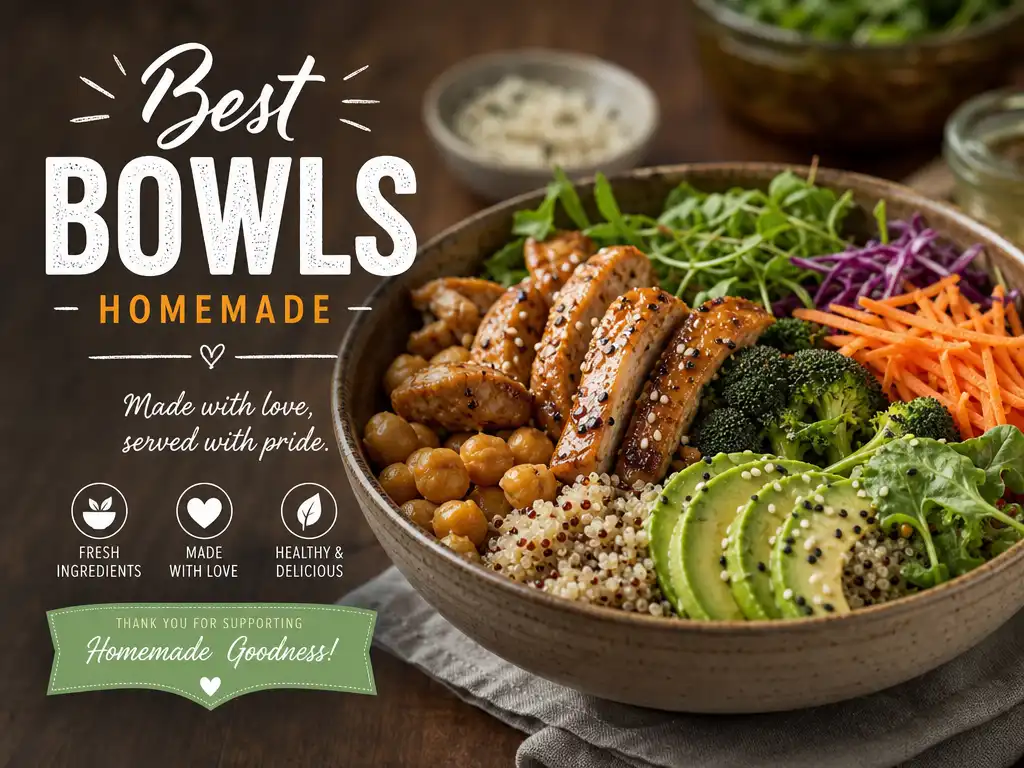
To construct the “Best Bowl,” one must understand the architecture of flavor and texture. A mediocre bowl is simply a pile of food; a great bowl is a calculated composition. Here is the anatomical breakdown of the perfect vessel:
1. The Base (The Foundation)
The base provides the carbohydrates and the structural integrity of the bowl. It should be neutral enough to carry other flavors but substantial enough to keep you full.
- Whole Grains: Quinoa, brown rice, farro, or barley offer a nutty chew and high fiber content.
- Leafy Greens: Massaged kale, spinach, or arugula provide a fresh, crisp foundation and a nutrient density boost.
- Root Vegetables: Mashed sweet potato or cauliflower rice can serve as a lower-carb, creamy base.
2. The Protein (The Sustenance)
This is the anchor of the meal. It determines the satiety factor and often dictates the flavor profile.
- Plant-Based: Chickpeas (roasted for crunch), lentils, tofu (crispy or silken), tempeh, or edamame.
- Animal-Based: Grilled salmon, shredded rotisserie chicken, hard-boiled eggs, or lean steak strips.
3. The Vegetables (The Volume and Vitamins)
This section is about color, texture contrast, and micronutrients. Aim for a rainbow.
- Roasted: Broccoli, Brussels sprouts, or carrots add sweetness and caramelization.
- Raw/Crunchy: Cucumber, radishes, red cabbage, or shredded carrots add a refreshing snap.
- Pickled: Red onions or jalapeños cut through richness with acid.
4. The Healthy Fats (The Creaminess)
Fat carries flavor and provides a luxurious mouthfeel that prevents the bowl from feeling dry or “rabbit food-like.”
- Avocado: Sliced or mashed for creaminess.
- Nuts and Seeds: Toasted almonds, pumpkin seeds, hemp hearts, or sesame seeds.
5. The Sauce (The Unifier)
This is the most critical element. The sauce ties the disparate ingredients together into a cohesive dish.
- Creamy: Tahini, peanut sauce, or yogurt-based dressings.
- Vinaigrette: Lemon-herb, balsamic, or ginger-sesame.
- Spicy: Sriracha mayo, harissa, or gochujang.
Step-by-Step Recipe: The Ultimate Mediterranean Quinoa Power Bowl
To demonstrate the principles above, we will construct a specific, highly optimized recipe. This bowl balances earthy grains, bright vegetables, and a zesty, creamy dressing.
Phase 1: Preparation
Begin by rinsing your quinoa thoroughly to remove any bitter saponins. While the quinoa simmers, prep your vegetables. Uniformity is key; chop your cucumbers and tomatoes into similar-sized bites to ensure every forkful is balanced. If using chickpeas, pat them completely dry before roasting to ensure they get crispy rather than steamed.
Phase 2: Cooking the Components
Cook the quinoa in vegetable broth instead of water for an extra layer of savory depth. While the grain cooks, roast your chickpeas with olive oil, cumin, and paprika at 400°F (200°C) until golden brown. Simultaneously, massage your kale with a pinch of salt and a drop of olive oil to break down the tough fibers, making it tender and digestible.
Phase 3: The Emulsion
Whisk your tahini dressing vigorously. Tahini tends to seize up when liquid is added initially; keep whisking until it smooths out into a pourable, creamy consistency. Taste and adjust the acidity with lemon juice.
Phase 4: Assembly
Do not toss the bowl like a salad. The visual appeal is part of the experience. Place the base in the center or to one side. Arrange the protein and vegetables in distinct sections or “rows” around the base. This allows the eater to mix bites as they prefer. Drizzle the sauce generously over the top just before serving to maintain the crunch of the roasted elements.
Tips
- The Rule of Temperature: A great bowl often plays with temperature contrast. Try pairing warm grains and roasted veggies with cool, raw cucumbers and creamy avocado.
- Sauce on the Side: If you are meal prepping for the week, keep your sauce in a separate small container. Pouring it on too early will result in a soggy, sad bowl by day three.
- Texture is King: If your bowl feels mushy, you are missing a crunch element. Add toasted seeds, croutons, or raw radishes to fix this.
- Acid Balance: If your bowl tastes “heavy” or flat, it likely needs more acid. A squeeze of fresh lemon or lime juice right before eating can wake up all the other flavors.
- Season Every Layer: Don’t just salt the protein. Season your grains while they cook, and salt your raw vegetables lightly. Layered seasoning creates a complex flavor profile.
Variations and Customizations
The beauty of the Best Bowl is its adaptability to any dietary need or craving.
- The Keto Bowl: Swap the quinoa base for cauliflower rice or shredded lettuce. Increase the healthy fats with extra avocado, macadamia nuts, and a high-fat dressing like ranch or blue cheese.
- The Breakfast Bowl: Transform the concept for the morning. Use oatmeal or Greek yogurt as the base. Top with berries, banana slices, chia seeds, nut butter, and a drizzle of honey.
- The Spicy Thai Bowl: Use jasmine rice as a base. Top with peanut-lime sauce, shredded carrots, cilantro, crushed peanuts, and spicy sriracha tofu or shrimp.
- The Mexican Burrito Bowl: Use cilantro-lime rice and black beans. Top with corn salsa, pico de gallo, guacamole, and a chipotle crema.
Health Considerations and Nutritional Value
From a nutritional standpoint, the bowl format is arguably one of the healthiest ways to eat. It naturally encourages portion control and macronutrient balance. By visually dividing the bowl, you can ensure you are getting a proper ratio of carbohydrates (the base), proteins (the anchor), and fats (the toppings).
Fiber Content: Because bowls rely heavily on whole grains, legumes, and raw vegetables, they are typically exceptionally high in dietary fiber. This aids in digestion, regulates blood sugar levels, and promotes a feeling of fullness, which can assist in weight management.
Micronutrient Density: The “eat the rainbow” philosophy is built into the bowl. Different colored vegetables provide different phytonutrients and antioxidants. For example, the lycopene in tomatoes, the beta-carotene in carrots, and the anthocyanins in red cabbage work synergistically to reduce inflammation in the body.
Mindful Eating: The construction of a bowl requires assembly, which slows down the eating process. This encourages mindful eating, allowing your body to register satiety signals more effectively than when eating processed, fast foods.
Ingredients
- 1 cup quinoa, rinsed
- 2 cups vegetable broth
- 1 can (15 oz) chickpeas, drained and rinsed
- 1 tablespoon olive oil (for roasting)
- 1 teaspoon cumin powder
- 1/2 teaspoon paprika
- 4 cups kale, stems removed and chopped
- 1 cup cherry tomatoes, halved
- 1 cucumber, diced
- 1/2 red onion, thinly sliced
- 1 avocado, sliced
- 1/4 cup feta cheese, crumbled (optional)
- For the Lemon-Tahini Dressing:
- 1/3 cup tahini
- 3 tablespoons lemon juice
- 1 clove garlic, minced
- 2-4 tablespoons warm water
- Salt and pepper to taste
Directions
- Cook the Quinoa: In a medium saucepan, combine the rinsed quinoa and vegetable broth. Bring to a boil, then reduce heat to low, cover, and simmer for 15 minutes or until liquid is absorbed. Fluff with a fork and set aside.
- Roast the Chickpeas: Preheat your oven to 400°F (200°C). Toss the dried chickpeas with olive oil, cumin, paprika, salt, and pepper. Spread on a baking sheet and roast for 20-25 minutes, shaking the pan halfway through, until crispy.
- Prepare the Kale: Place the chopped kale in a large bowl. Drizzle with a tiny bit of olive oil and a pinch of salt. Massage the kale with your hands for 2-3 minutes until it turns a darker green and feels softer.
- Make the Dressing: In a small jar or bowl, whisk together the tahini, lemon juice, and minced garlic. It will thicken initially. Add warm water one tablespoon at a time, whisking constantly, until you reach a creamy, pourable consistency. Season with salt and pepper.
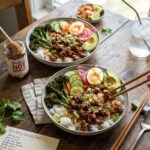
- Assemble the Bowls: Divide the massaged kale and quinoa between two serving bowls. Arrange the roasted chickpeas, tomatoes, cucumber, red onion, and avocado in sections on top.
- Serve: Sprinkle with feta cheese if using. Drizzle generously with the lemon-tahini dressing immediately before serving. Enjoy warm or cold.
FAQ
Q: Can I make these bowls ahead of time for meal prep?
A: Absolutely. Bowls are the king of meal prep. Cook your grains and proteins in bulk on Sunday. Store the components in airtight containers. Keep the dressing and any delicate greens (like arugula) separate until you are ready to eat to prevent sogginess.
Q: How do I keep avocado from turning brown?
A: If prepping ahead, leave the avocado whole and uncut until you are ready to eat. If you must slice it ahead of time, toss the slices in a little lemon or lime juice, which acts as an antioxidant to slow oxidation.
Q: What if I don’t like quinoa?
A: You can substitute almost any grain. Brown rice, couscous, bulgur, millet, or even pasta work perfectly as a base. For a grain-free option, use cauliflower rice or a bed of spinach.
Q: My tahini dressing is too bitter. What happened?
A: Tahini can sometimes be bitter depending on the brand or if it has separated. To fix this, add a teaspoon of maple syrup or honey to the dressing to balance the bitterness, and ensure you add enough lemon juice.
Summary
The Best Bowl is a versatile, nutrient-dense meal format that balances grains, proteins, vegetables, and sauces for optimal health and flavor. By mastering the anatomy of the bowl and utilizing fresh, whole ingredients, you can create endless variations suitable for any diet or occasion.