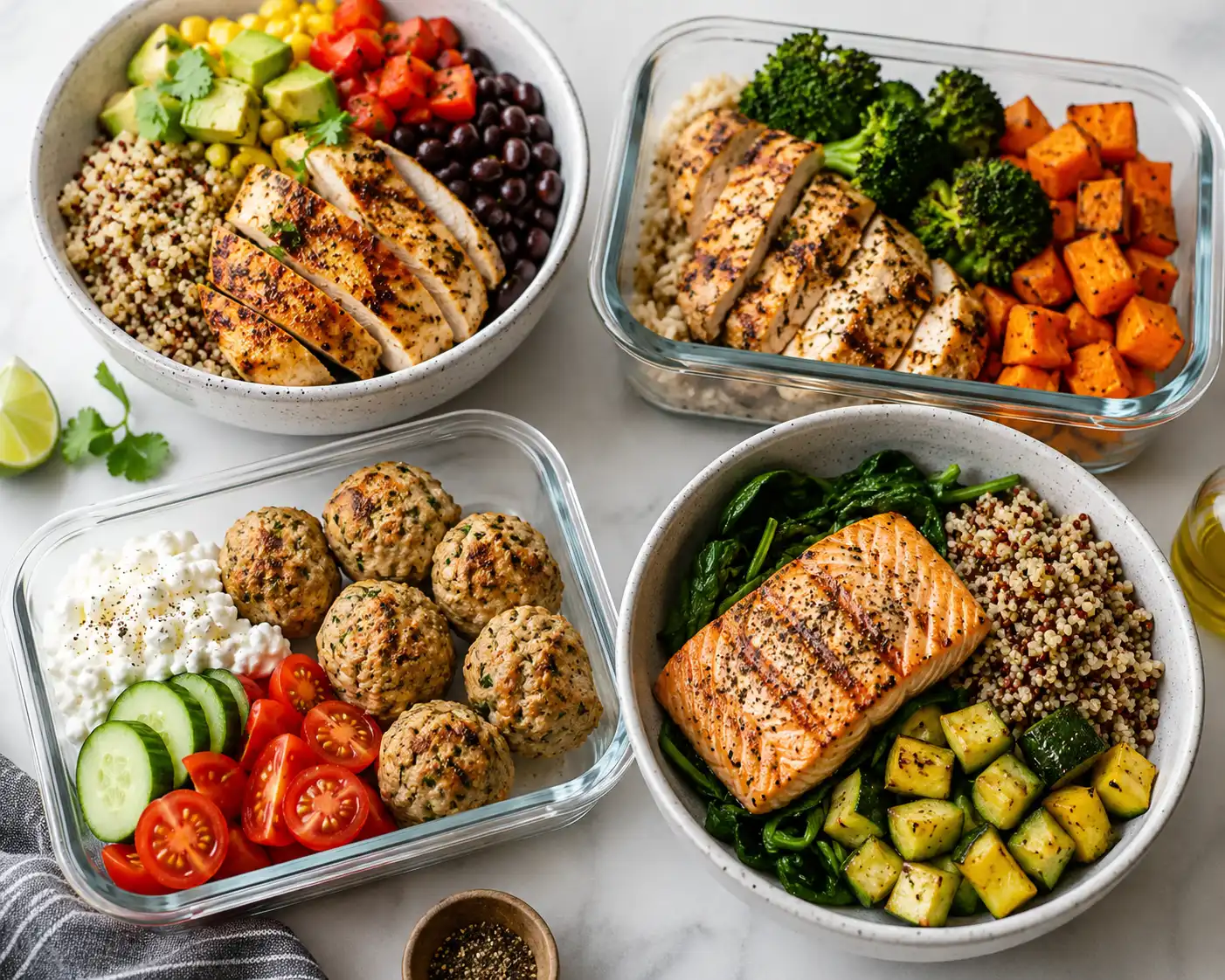
Clean High Protein Meals That Keep You Full: The Ultimate Guide to Satiety and Nutrition
Introduction
In the modern landscape of nutrition and wellness, the quest for sustained energy and lasting satiety often leads us to one macronutrient in particular: protein. Clean high protein meals are not merely a trend reserved for bodybuilders or elite athletes; they are a foundational pillar of sustainable health for anyone looking to manage weight, stabilize blood sugar, and maintain mental clarity throughout the day. The concept of “clean eating” combined with high protein intake creates a powerful synergy. Clean eating emphasizes whole, unprocessed foods free from artificial additives, refined sugars, and unhealthy fats, while high protein intake ensures that the body has the necessary building blocks for repair, growth, and hormonal regulation.
When you consume a meal that is rich in high-quality protein and fiber, you trigger a physiological response that signals fullness to the brain. This process involves hormones such as peptide YY and glucagon-like peptide-1, which reduce appetite, while simultaneously lowering levels of ghrelin, the hunger hormone. Unlike meals high in refined carbohydrates that cause rapid spikes and crashes in blood glucose levels, clean high protein meals provide a slow, steady release of energy. This stability prevents the mid-afternoon slump and the cravings that often lead to poor dietary choices. Furthermore, protein has a higher thermic effect of food (TEF) compared to fats and carbohydrates, meaning your body burns more calories digesting protein than it does processing other macronutrients.
This comprehensive guide is designed to walk you through everything you need to know about constructing meals that prioritize satiety and nutritional density. We will explore the historical context of protein consumption, break down the essential ingredients that form the backbone of these meals, and provide a detailed flagship recipe that embodies these principles. Whether you are looking to lose weight, build muscle, or simply feel better in your daily life, understanding how to leverage clean high protein meals is a transformative skill. By the end of this article, you will possess the knowledge to craft delicious, satisfying meals that keep hunger at bay for hours.
The History
The relationship between humans and protein is as old as civilization itself, though the scientific understanding of its role in satiety and health is a relatively modern development. In ancient societies, protein was often a scarce resource reserved for the elite or consumed during specific seasonal hunts. The Spartans of ancient Greece, renowned for their physical prowess, consumed diets rich in meat and broth to sustain their rigorous training regimes, intuitively understanding the link between dense nutrition and physical performance. Similarly, Roman gladiators were often fed a diet high in barley and beans, but recent isotopic analysis suggests many also consumed significant amounts of animal protein to recover from combat injuries.
Moving into the 19th and early 20th centuries, the industrial revolution changed the availability of food. Protein became more accessible, but the concept of “clean” eating did not exist. It was not until the mid-20th century that the science of macronutrients began to take shape. In the 1950s and 60s, bodybuilding culture began to popularize high protein intake, with figures like Jack LaLanne advocating for the consumption of eggs and lean meats to build physique. However, this era was often plagued by misconceptions, such as the idea that protein alone was sufficient, ignoring the importance of micronutrients and food quality.
The 1970s and 80s saw the rise of the low-fat movement, which inadvertently led to a decrease in protein quality as manufacturers replaced fat with sugar and carbohydrates in processed foods. This era contributed to the obesity epidemic, as satiety signals were disrupted by high-carb, low-protein diets. It was not until the 1990s and the advent of the Atkins diet that protein returned to the spotlight. While controversial at the time, these low-carb, high-protein regimes highlighted the satiety benefits of protein. In the 21st century, the focus has shifted from merely “high protein” to “clean high protein.” The modern movement emphasizes the source of the protein—grass-fed, wild-caught, organic, and plant-based—recognizing that the quality of the nutrient is just as important as the quantity. Today, nutritional science confirms what ancient warriors intuited: clean protein is the key to sustained fullness and vitality.
Ingredients Breakdown
Creating a meal that is both clean and high in protein requires a strategic selection of ingredients. It is not enough to simply add protein powder to a dish; the structural integrity of the meal must rely on whole foods that provide fiber, healthy fats, and complex carbohydrates alongside the protein. This section breaks down the core categories of ingredients you should prioritize to ensure maximum satiety and nutritional value.
Lean Animal Proteins: For omnivores, the cornerstone of clean high protein meals often includes lean cuts of meat. Chicken breast, turkey, and lean cuts of beef such as sirloin or tenderloin are excellent sources. These provide complete amino acid profiles necessary for muscle repair. Fish, particularly salmon, tuna, and cod, offers the added benefit of omega-3 fatty acids, which reduce inflammation and support heart health. Eggs are another powerhouse ingredient, providing high biological value protein and essential vitamins like B12 and choline.
Plant-Based Proteins: For those seeking vegetarian or vegan options, legumes are indispensable. Lentils, chickpeas, and black beans are not only rich in protein but also packed with fiber, which slows digestion and extends feelings of fullness. Quinoa is a rare plant source that offers a complete amino acid profile, making it a superior grain choice. Tofu and tempeh, derived from soy, are versatile proteins that absorb flavors well and provide significant texture to meals. Hemp seeds and chia seeds are excellent additions for boosting protein content without altering the flavor profile significantly.
Complex Carbohydrates: To keep you full, protein must be paired with slow-digesting carbohydrates. Sweet potatoes, oats, brown rice, and barley provide sustained energy releases. Unlike white rice or white bread, these complex carbs retain their bran and germ, offering fiber and micronutrients. The fiber content is crucial because it adds bulk to the meal, physically stretching the stomach wall and triggering satiety signals to the brain via the vagus nerve.
Healthy Fats: While the focus is on protein, excluding fat can lead to hunger returning quickly. Healthy fats slow gastric emptying, keeping food in the stomach longer. Avocados, olive oil, nuts, and seeds are prime examples. These fats also aid in the absorption of fat-soluble vitamins (A, D, E, and K) found in the vegetables accompanying your protein.
Volume Vegetables: To maximize the size of the meal without adding excessive calories, non-starchy vegetables are essential. Broccoli, spinach, kale, zucchini, and cauliflower can be added in large quantities. They provide water content and fiber, contributing to the physical sensation of fullness while delivering antioxidants that protect the body from oxidative stress caused by metabolism.
Step-by-Step Recipe
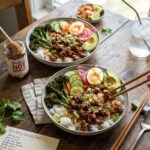
To illustrate the principles discussed above, we will walk through the creation of a flagship dish: The Ultimate Satiety Chicken and Quinoa Power Bowl. This recipe is designed to be modular, meaning you can prepare components in advance, but walking through it step-by-step ensures you understand the cooking techniques that preserve nutrient density and flavor. The goal is to create a meal where every bite delivers a balance of macronutrients that signals long-term fullness to your body.
The process begins with the protein preparation. We choose chicken thigh or breast because it is versatile and lean. The key here is not to overcook the meat, as dry protein is less satisfying psychologically. We will use a marinade that includes acid (lemon juice) to tenderize the meat and spices that boost metabolism, such as cayenne or turmeric. While the protein marinates, we prepare the quinoa. Unlike rice, quinoa needs to be rinsed thoroughly to remove saponins, which can cause a bitter taste and digestive discomfort. Cooking the quinoa in bone broth instead of water adds an extra layer of protein and collagen, enhancing the nutritional profile.
Next, we focus on the vegetables. Roasting is preferred over boiling because it concentrates flavors and preserves water-soluble vitamins that might leach out during boiling. We will use broccoli and bell peppers, cutting them into uniform sizes to ensure even cooking. A high heat is used to caramelize the natural sugars in the vegetables, making them more palatable without adding sugar. Finally, the assembly of the bowl is crucial. We layer the ingredients rather than mixing them immediately. This allows you to see the volume of food, which plays a psychological role in satiety. A drizzle of healthy fat, such as tahini or avocado oil, is added last to coat the fibers and ensure slow digestion. This step-by-step approach ensures that texture, flavor, and nutrition are optimized for the specific goal of keeping you full.
Tips
Mastering the art of clean high protein meals goes beyond following a single recipe. It requires adopting habits and techniques that streamline the process and enhance the effectiveness of your nutrition. Here are comprehensive tips to help you succeed in maintaining a diet focused on satiety and clean protein.
Meal Prep is King: One of the biggest barriers to eating clean is convenience. If you have to cook from scratch every night, you are more likely to reach for processed options. Dedicate two hours on the weekend to batch cook your proteins and grains. Store them in portioned containers so that during the week, assembling a meal takes less than five minutes. This reduces decision fatigue and ensures you always have a high-protein option available.
Hydration and Satiety: Often, thirst is mistaken for hunger. When eating high protein meals, your body requires more water to process the nitrogen byproducts of protein metabolism. Ensure you drink at least 500ml of water with your meal. This adds volume to the stomach and aids in digestion, enhancing the feeling of fullness. Additionally, starting your meal with a broth-based soup can prime your stomach for satiety signals.
Spice Without Calories: One of the complaints about clean eating is that it can be bland. Use herbs and spices liberally. Chili flakes, cumin, paprika, garlic powder, and fresh herbs like cilantro or parsley add immense flavor without adding calories. Some spices, like cayenne pepper, also have a mild thermogenic effect, slightly increasing calorie expenditure during digestion.
Prioritize Texture: Monotony in texture can lead to dissatisfaction even if you are full. Ensure your meal has a crunch (vegetables), a chew (protein), and a creaminess (avocado or sauce). This sensory variety keeps the eating experience engaging, which helps prevent the feeling of deprivation that often leads to bingeing later.
Sleep and Stress Management: Nutrition does not exist in a vacuum. High stress and poor sleep increase cortisol levels, which can increase appetite and cravings for high-sugar foods regardless of how much protein you eat. Prioritize 7-9 hours of sleep and manage stress to ensure your hormonal landscape supports your dietary efforts.
Variations and Customizations
One of the strengths of clean high protein meals is their adaptability. Dietary needs, preferences, and restrictions vary widely, and a rigid diet is rarely sustainable. Here is how you can customize the core concepts to fit various lifestyles while maintaining the goal of satiety.
Vegan and Vegetarian Adaptations: For those avoiding animal products, replace chicken with extra-firm tofu or tempeh. Marinate the tofu in soy sauce and smoke paprika to mimic a savory depth. Increase the portion of legumes, such as adding lentils to the quinoa mix. To ensure a complete amino acid profile, combine grains and legumes in the same meal. Nutritional yeast can be sprinkled on top to add a cheesy flavor and a boost of B-vitamins and protein.
Keto and Low-Carb Options: If you are restricting carbohydrates, swap the quinoa or rice for cauliflower rice or shredded cabbage. Increase the healthy fat content by adding more avocado, macadamia nuts, or a richer sauce made from coconut milk. The high fat content combined with high protein will keep you in ketosis while maintaining extreme satiety. Focus on fatty fish like salmon rather than lean chicken to meet your macro ratios.
Dairy-Free Modifications: Many high protein meals rely on Greek yogurt or cheese. For dairy-free versions, use coconut yogurt or almond-based cheeses. Ensure these alternatives are unsweetened to keep the meal clean. Tahini or cashew cream can provide the creaminess that dairy usually provides without the lactose or casein.
Budget-Friendly Versions: Clean eating is often perceived as expensive. To reduce costs, rely on dried beans and lentils rather than canned, and buy frozen vegetables instead of fresh out-of-season produce. Chicken thighs are generally cheaper than breasts and offer more flavor. Buying protein in bulk and freezing it immediately can also lock in lower prices. Eggs remain one of the cheapest sources of high-quality protein available.
Flavor Profile Customizations: Change the cuisine style to prevent boredom. Use taco seasoning and black beans for a Mexican twist, or curry powder and coconut milk for an Indian-inspired bowl. Teriyaki sauce (low sodium) and edamame can create an Asian-inspired variation. The core principle remains the same: high protein, high fiber, whole foods.
Health Considerations and Nutritional Value
While high protein diets are beneficial for most, it is important to understand the physiological impacts and nutritional value to ensure safety and efficacy. Consuming clean high protein meals affects various systems in the body, from muscular to renal.
Muscle Protein Synthesis: The primary benefit of high protein intake is the support of muscle protein synthesis (MPS). As we age, we naturally lose muscle mass, a condition known as sarcopenia. Adequate protein intake, distributed evenly across meals, stimulates MPS and helps preserve lean mass. This is crucial because muscle tissue is metabolically active, meaning it burns more calories at rest than fat tissue, supporting long-term weight management.
Blood Sugar Regulation: Protein has a minimal impact on blood glucose levels compared to carbohydrates. By prioritizing protein, you stabilize insulin levels. This is particularly important for individuals with insulin resistance or type 2 diabetes. The slow digestion of clean protein meals prevents the rapid spikes in blood sugar that lead to energy crashes and fat storage.
Kidney Health: A common myth is that high protein diets damage kidneys in healthy individuals. Current research suggests that for people with healthy kidney function, high protein intake is safe. However, individuals with pre-existing kidney conditions should consult a healthcare provider before significantly increasing protein intake, as the kidneys are responsible for filtering nitrogenous waste from protein metabolism.
Bone Density: Contrary to old beliefs that protein leaches calcium from bones, modern studies indicate that higher protein intake is associated with better bone density and a lower risk of fractures, provided calcium intake is also sufficient. The vegetables included in clean high protein meals often provide this necessary calcium and magnesium.
Nutritional Density: The term “clean” implies high micronutrient density. These meals are rich in vitamins and minerals. For example, lean meats provide iron and zinc, while vegetables provide vitamins C and K. This ensures that while you are managing hunger, you are also preventing micronutrient deficiencies that can lead to fatigue and poor immune function.
Ingredients
Below is the specific ingredient list for the Ultimate Satiety Chicken and Quinoa Power Bowl. These measurements are designed for two generous servings.
- Protein: 12 oz (340g) boneless, skinless chicken breast or thigh, cut into bite-sized cubes.
- Grain: 1 cup dry quinoa, rinsed thoroughly.
- Liquid for Grain: 2 cups low-sodium chicken bone broth or vegetable broth.
- Vegetables: 2 cups broccoli florets, 1 red bell pepper (sliced), 1 cup spinach or kale.
- Healthy Fat: 1/2 ripe avocado (sliced), 1 tablespoon extra virgin olive oil.
- Marinade: 1 tablespoon lemon juice, 1 teaspoon garlic powder, 1 teaspoon paprika, 1/2 teaspoon cumin, salt and black pepper to taste.
- Sauce: 2 tablespoons tahini mixed with 1 tablespoon water and a squeeze of lemon.
- Garnish: Fresh parsley or cilantro, 1 tablespoon pumpkin seeds.
Directions
Follow these precise instructions to prepare the meal for optimal texture and nutrient retention.
- Marinate the Protein: In a medium bowl, combine the chicken cubes with lemon juice, garlic powder, paprika, cumin, salt, and pepper. Toss to coat evenly. Let it sit for at least 15 minutes while you prepare the other ingredients.
- Cook the Quinoa: Rinse the quinoa under cold water using a fine-mesh sieve. In a saucepan, combine the rinsed quinoa and bone broth. Bring to a boil, then reduce heat to low, cover, and simmer for 15 minutes or until the liquid is absorbed. Fluff with a fork and set aside.
- Roast the Vegetables: Preheat your oven to 400°F (200°C). Toss the broccoli florets and bell pepper slices in olive oil, salt, and pepper. Spread them on a baking sheet and roast for 15-20 minutes until tender-crisp and slightly charred.
- Sear the Chicken: While the vegetables roast, heat a skillet over medium-high heat. Add the marinated chicken in a single layer. Cook for 5-7 minutes, turning occasionally, until the chicken is golden brown and cooked through (internal temperature of 165°F).
- Wilt the Greens: In the last minute of cooking the chicken, add the spinach or kale to the skillet. Toss until just wilted, then remove from heat.
- Assemble the Bowls: Divide the quinoa between two bowls. Top with the cooked chicken and roasted vegetables. Arrange the avocado slices on the side.
- Finish and Serve: Drizzle the tahini sauce over the top. Garnish with fresh herbs and pumpkin seeds for added crunch. Serve immediately while warm.
FAQ
How much protein do I actually need to feel full?
Satiety varies by individual, but generally, aiming for 25-30 grams of protein per meal is the sweet spot for triggering satiety hormones. This amount is sufficient to maximize muscle protein synthesis and keep hunger at bay for 4-5 hours.
Can I eat clean high protein meals if I am trying to gain weight?
Absolutely. To gain weight, simply increase the portion sizes of the healthy fats and complex carbohydrates in the meal. Add more quinoa, extra avocado, or a side of nuts. The clean protein ensures the weight gained is supported by muscle tissue rather than just fat.
Is plant protein as filling as animal protein?
Plant protein can be equally filling, often more so due to the higher fiber content associated with plant sources like beans and lentils. However, you may need to eat a slightly larger volume of plant food to achieve the same gram count of protein compared to lean meat.
How long do these meals stay fresh in the fridge?
Cooked chicken and quinoa will stay fresh in an airtight container in the refrigerator for up to 4 days. It is best to store the avocado separately and add it fresh when you are ready to eat to prevent browning.
What if I don’t like quinoa?
Quinoa can be substituted with brown rice, farro, bulgur, or even cauliflower rice for a lower carb option. The key is to choose a whole grain that provides fiber and complex carbohydrates to complement the protein.
Does cooking protein destroy its value?
Cooking protein makes it more digestible and kills harmful bacteria. However, charring meat at extremely high temperatures can create harmful compounds. Stick to baking, poaching, or sautéing at moderate temperatures to maintain the “clean” aspect of the meal.
Summary
Clean high protein meals leverage whole foods and nutrient density to stabilize blood sugar and trigger long-lasting satiety signals. By combining lean proteins with fiber-rich vegetables and complex carbs, you can sustain energy and control hunger effectively.