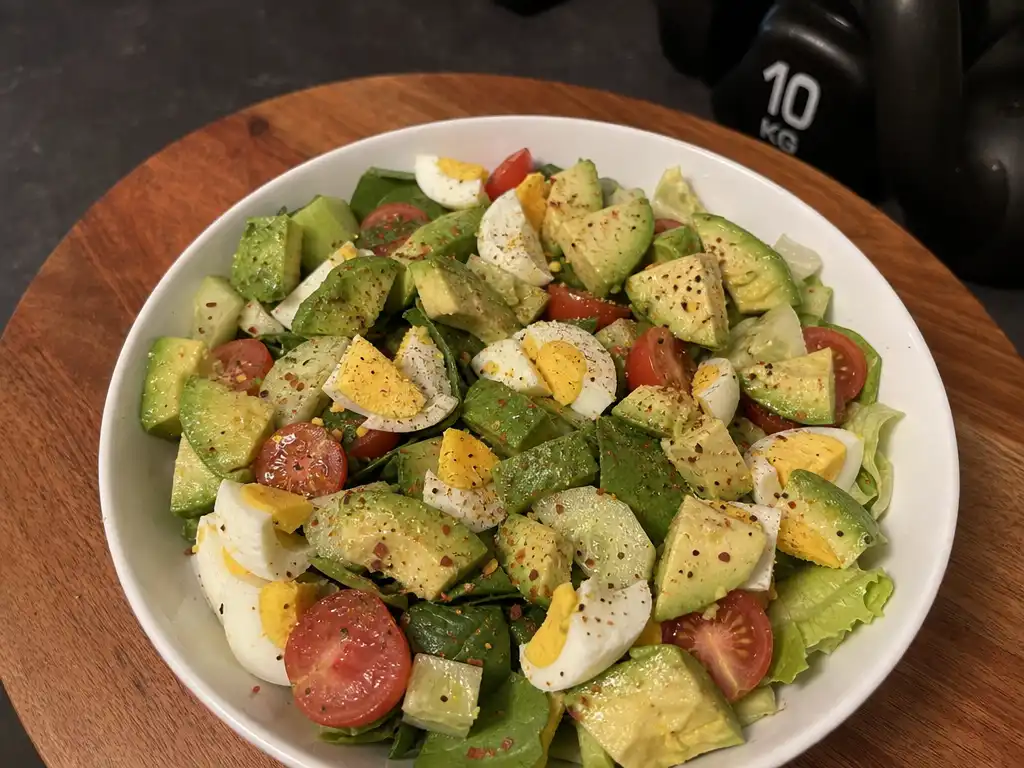
Introduction
In the ever-evolving landscape of fitness nutrition, finding the perfect balance between macronutrients, micronutrients, and sheer culinary satisfaction can often feel like a daunting task. Athletes, gym-goers, and health enthusiasts alike are constantly on the hunt for meals that not only fuel recovery but also taste incredible without relying on processed supplements or overly complicated preparations. Enter the Workout Egg Avocado Salad, a powerhouse dish that has quietly risen to prominence in the kitchens of personal trainers and nutritionists worldwide. This salad is not merely a combination of leftovers; it is a strategically formulated meal designed to optimize post-exercise recovery, sustain energy levels throughout the day, and provide a substantial amount of high-quality protein and healthy fats.
The synergy between eggs and avocados is nothing short of nutritional magic. Eggs provide a complete amino acid profile essential for muscle repair, while avocados offer monounsaturated fats that support hormone production and reduce inflammation. When combined with fresh herbs, a splash of acidity, and perhaps a touch of spice, the result is a creamy, savory, and deeply satisfying dish that transcends the typical blandness associated with diet food. Whether you are looking to build lean muscle, maintain a healthy weight, or simply enjoy a nutrient-dense lunch that keeps you satiated for hours, this salad stands as a testament to the idea that healthy eating does not require sacrifice. In the following guide, we will explore every facet of this remarkable dish, from its historical roots to the precise scientific breakdown of its ingredients, ensuring you have all the knowledge needed to master this recipe.
The History
To truly appreciate the Workout Egg Avocado Salad, one must understand the historical trajectories of its primary components. The history of the egg salad itself dates back to the late 19th and early 20th centuries in Europe and America, where mayonnaise-based salads became a staple of luncheonettes and home kitchens. Originally, egg salad was often a way to utilize hard-boiled eggs that had been prepared in bulk, mixed with simple condiments to create a quick, protein-rich spread. However, as nutritional science advanced through the decades, the traditional egg salad came under scrutiny due to the high saturated fat content in traditional mayonnaise and the lack of fiber.
Simultaneously, the avocado has a rich history dating back thousands of years to ancient Mesoamerica, where the Aztecs cultivated the fruit and recognized its vitality-enhancing properties. They called it ahuacatl, and it was revered not just as food but as a symbol of fertility and health. It was not until the latter half of the 20th century that avocados became globally accessible and integrated into mainstream Western diets. As the fitness industry boomed in the 1980s and 1990s, there was a shift away from low-fat dogmas toward an understanding of healthy fats. Nutritionists began experimenting with replacing processed binders like mayonnaise with mashed avocado, creating a creamier texture with a superior lipid profile.
The convergence of these two histories—the humble egg salad and the ancient avocado—gave birth to the modern Workout Egg Avocado Salad. It represents a culmination of culinary tradition and modern sports science. It emerged from the bodybuilding and cross-fit communities where individuals sought whole-food sources of protein that were easy to digest and quick to prepare. Over the last decade, social media and food blogging have propelled this specific combination into the spotlight, transforming it from a niche athlete meal into a ubiquitous health food staple found in cafes and meal prep containers across the globe.
Ingredients Breakdown
Understanding the role of each ingredient in this salad is crucial for appreciating why it works so effectively for workout recovery. Each component has been selected not just for flavor, but for its specific physiological impact on the body.
Hard-Boiled Eggs
The cornerstone of this salad is the egg. Specifically, hard-boiled eggs are used because they provide a firm texture that holds up well when mixed. Nutritionally, eggs are considered the gold standard for protein bioavailability. They contain all nine essential amino acids that the body cannot produce on its own, making them critical for muscle protein synthesis. The yolks, often feared in the past, are now celebrated for containing choline, which supports brain health, and vitamin D, which is essential for bone strength and immune function.
Ripe Avocados
The avocado serves a dual purpose in this recipe: it acts as the binding agent replacing mayonnaise, and it provides the primary source of dietary fat. A ripe avocado should yield slightly to gentle pressure. The fats found in avocados are primarily oleic acid, a monounsaturated fat associated with reduced inflammation and improved heart health. Furthermore, the creaminess of the avocado ensures that the salad is moist and palatable without the need for heavy dairy or processed oils.
Fresh Lemon Juice
Acidity is vital in balancing the richness of the egg yolks and avocado fats. Fresh lemon juice cuts through the creaminess, providing a bright, zesty note that awakens the palate. From a nutritional standpoint, the vitamin C in lemon juice aids in the absorption of non-heme iron (though eggs contain heme iron, the vitamin C supports overall immune health) and helps prevent the avocado from oxidizing and turning brown too quickly.
Red Onion or Chives
To add a crunch and a sharp bite, alliums such as red onion or chives are incorporated. Red onions provide quercetin, a powerful antioxidant with anti-inflammatory properties. They add a textural contrast to the soft eggs and creamy avocado, ensuring every bite has some resistance. Chives offer a milder onion flavor and are rich in vitamin K, which is important for blood health.
Sea Salt and Black Pepper
Seasoning is not just about taste; it is about electrolyte balance. Sea salt provides sodium, which is lost through sweat during workouts and needs to be replenished to prevent cramping and maintain hydration. Black pepper contains piperine, which has been shown to enhance the absorption of nutrients, including the curcumin in turmeric if added, and improves digestion.
Optional Add-ins (Spinach, Tomatoes, Seeds)
While the base is simple, the salad often welcomes greens. Spinach adds volume without significant calories, providing magnesium and iron. Cherry tomatoes offer hydration and lycopene. Hemp seeds or pumpkin seeds can be sprinkled on top for additional plant-based protein and crunch.
Step-by-Step Recipe
Creating the perfect Workout Egg Avocado Salad requires attention to detail, particularly regarding the cooking of the eggs and the ripeness of the avocado. Follow this comprehensive guide to ensure the texture and flavor are optimized.
Phase 1: Preparation and Boiling
Begin by gathering all your ingredients and equipment. You will need a saucepan, a bowl of ice water, a mixing bowl, a fork or potato masher, and a sharp knife. Place your eggs gently into the saucepan and cover them with cold water by at least an inch. Starting with cold water helps prevent the shells from cracking due to thermal shock. Place the pan over high heat and bring the water to a rolling boil. Once boiling, cover the pan and remove it from the heat. Let the eggs sit in the hot water for exactly 10 to 12 minutes. This timing ensures the yolks are fully set but not overcooked to the point of developing a green ring, which indicates sulfur reaction and can affect taste.
Phase 2: Cooling and Peeling
While the eggs are resting, prepare an ice bath by filling a bowl with cold water and ice cubes. Once the timer goes off, immediately transfer the eggs into the ice bath. This shocks the eggs, stopping the cooking process instantly and contracting the egg inside the shell, which makes peeling significantly easier. Let them cool for at least 5 minutes. Once cool, tap each egg on a hard surface to crack the shell all over, then peel under running water to help slide the shell off smoothly.
Phase 3: Avocado Preparation
Cut the ripe avocados in half lengthwise around the pit. Twist the halves to separate them. Carefully strike the pit with the blade of your knife and twist to remove it, or use a spoon to scoop it out. Scoop the flesh out of the skin into your mixing bowl. Immediately squeeze the fresh lemon juice over the avocado flesh to prevent oxidation. Using a fork, mash the avocado to your desired consistency. Some prefer it chunky for texture, while others prefer it smooth like mayonnaise.
Phase 4: Combining and Seasoning
Chop the hard-boiled eggs into quarters or halves, depending on whether you want large chunks or a finer salad. Add the eggs to the bowl with the mashed avocado. Add your finely diced red onion or chives. Sprinkle with sea salt and freshly cracked black pepper. Using a spatula or large spoon, gently fold the ingredients together. Be careful not to overmix, as you want to maintain some structure of the egg whites. Taste the mixture and adjust the seasoning, adding more lemon juice for acidity or salt for depth.
Phase 5: Serving
The salad can be served immediately while fresh. It pairs excellently on top of a bed of mixed greens, inside a whole-grain wrap, or with sliced cucumber rounds for a low-carb option. If serving later, see the tips section for storage instructions to maintain freshness.
Tips
To elevate your Workout Egg Avocado Salad from good to exceptional, consider these professional tips gathered from culinary experts and nutritionists.
- Preventing Browning: Avocados oxidize quickly when exposed to air. To keep your salad green for longer, press a piece of plastic wrap directly onto the surface of the salad before sealing the container. This limits air exposure. Additionally, ensure you use enough lemon or lime juice, as the acid acts as a preservative.
- Egg Peeling Hack: If you struggle with peeling eggs, try using slightly older eggs rather than farm-fresh ones. Fresh eggs have a lower pH level which causes the membrane to stick to the shell. Eggs that are a week old peel much more cleanly.
- Texture Control: For a creamier salad, reserve one egg yolk and mash it directly into the avocado before adding the whites. This creates an emulsion that binds the salad together more effectively.
- Meal Prep Strategy: If you are preparing this for the week, consider storing the components separately. Keep the boiled eggs peeled in a container of water, and mash the avocado fresh each day. This ensures the avocado does not spoil or turn brown by day three.
- Flavor Enhancement: A dash of smoked paprika or cayenne pepper can add a metabolic boost and a depth of flavor that complements the creaminess of the avocado. Mustard powder is another excellent addition that adds tang without extra liquid.
- Hydration Check: Because this salad is high in protein and fiber, ensure you drink plenty of water alongside your meal to aid digestion and maximize nutrient absorption.
Variations and Customizations
One of the greatest strengths of the Workout Egg Avocado Salad is its versatility. It serves as a canvas that can be adapted to fit various dietary preferences, taste profiles, and nutritional goals.
The High-Protein Boost
For those looking to maximize muscle synthesis, add a can of drained tuna or shredded chicken breast to the mixture. This increases the protein content significantly without altering the flavor profile too drastically. You may need to add a bit more lemon juice to balance the additional dryness.
The Vegan Adaptation
While eggs are central to the original recipe, a vegan version can be achieved by using firm tofu instead of eggs. Scramble the tofu lightly before mixing, or crumble it raw for a softer texture. Nutritional yeast can be sprinkled on top to mimic the savory, umami flavor of egg yolks.
The Low-Carb Keto Wrap
To keep this meal strictly ketogenic, avoid bread or crackers. Instead, use large lettuce leaves such as Romaine or Butter lettuce as wraps. You can also serve the salad inside hollowed-out cucumber boats or bell pepper halves for a crunchy, hydrating vessel.
The Spicy Metabolism Kicker
Add diced jalapeños, a drizzle of hot sauce, or a teaspoon of chili flakes to the mix. Capsaicin, found in chili peppers, has thermogenic properties that can slightly increase metabolic rate, making this variation popular among those in a cutting phase.
The Mediterranean Twist
Incorporate chopped kalamata olives, diced cucumbers, and a sprinkle of feta cheese. Swap the lemon juice for red wine vinegar and add dried oregano. This variation leans into Mediterranean diet principles, emphasizing heart-healthy fats and antioxidants.
The Carb-Loading Option
For endurance athletes requiring more carbohydrates, mix the salad with cooked quinoa, brown rice, or serve it alongside a slice of sprouted grain bread. This transforms the salad from a light snack into a substantial main course capable of fueling long training sessions.
Health Considerations and Nutritional Value
Understanding the nutritional profile of this salad is essential for integrating it into a balanced diet. Below is a detailed breakdown of what this meal offers your body.
Macronutrient Profile
A standard serving of Workout Egg Avocado Salad (using 2 eggs and 1 half avocado) typically contains approximately 300 to 350 calories. The protein content usually hovers around 12 to 14 grams, derived primarily from the eggs. The fat content is around 25 grams, mostly from the avocado and egg yolks, but these are predominantly healthy unsaturated fats. Carbohydrates are low, typically around 6 to 8 grams, with a significant portion coming from fiber, making the net carbs very low.
Micronutrient Density
This salad is a micronutrient bomb. It is rich in Vitamin K, essential for blood clotting and bone health. It provides substantial amounts of Vitamin E, a powerful antioxidant that protects cells from oxidative stress caused by intense exercise. Potassium levels are high due to the avocado, which helps regulate blood pressure and fluid balance. Additionally, the eggs provide B vitamins, particularly B12 and Riboflavin, which are crucial for energy metabolism.
Satiety and Weight Management
The combination of protein and fat creates a high satiety index. This means you feel full for longer periods, reducing the likelihood of snacking on unhealthy foods between meals. The fiber from the avocado further slows digestion, stabilizing blood sugar levels and preventing energy crashes.
Heart Health
Contrary to old beliefs about dietary cholesterol, current research suggests that for most people, dietary cholesterol from eggs has a minimal impact on blood cholesterol levels. The monounsaturated fats in avocado can help lower LDL (bad) cholesterol while maintaining HDL (good) cholesterol, supporting overall cardiovascular health.
Digestive Health
The fiber content supports regular bowel movements and feeds beneficial gut bacteria. However, individuals with specific sensitivities to eggs or FODMAPs in avocados should consume with caution. Always listen to your body’s response to new dietary introductions.
Ingredients
- 4 large hard-boiled eggs, peeled and chopped
- 2 ripe avocados, pitted and scooped
- 1 tablespoon fresh lemon juice (or lime juice)
- 2 tablespoons red onion, finely diced (or 2 tablespoons fresh chives)
- 1/2 teaspoon sea salt (adjust to taste)
- 1/4 teaspoon freshly cracked black pepper
- 1 tablespoon fresh cilantro or parsley, chopped (optional)
- 1/2 teaspoon smoked paprika (optional for garnish)
- 1 teaspoon Dijon mustard (optional for extra tang)
Directions
- Boil the Eggs: Place eggs in a saucepan, cover with cold water, bring to a boil, cover, remove from heat, and let sit for 10-12 minutes. Transfer to an ice bath to cool.
- Prep the Avocado: Cut avocados in half, remove pits, and scoop flesh into a medium mixing bowl. Immediately add lemon juice to prevent browning.
- Mash: Use a fork to mash the avocado to your preferred consistency (chunky or smooth).
- Combine: Add the chopped hard-boiled eggs, diced red onion, and optional herbs to the bowl with the avocado.
- Season: Sprinkle with sea salt, black pepper, and Dijon mustard if using. Fold gently until all ingredients are well coated but eggs remain distinct.
- Serve: Taste and adjust seasoning. Serve immediately on greens, in a wrap, or with vegetables. Garnish with smoked paprika if desired.
- Store: Place in an airtight container with plastic wrap pressed against the surface. Refrigerate for up to 2 days for best quality.
FAQ
How long does this salad last in the refrigerator?
For the best texture and color, it is recommended to consume the salad within 24 hours. While it is safe to eat for up to 2 days if stored properly with limited air exposure, the avocado may begin to oxidize and turn brown, and the eggs may release water, altering the texture.
Can I use egg whites only to reduce calories?
Yes, you can use only egg whites to significantly reduce the calorie and fat content. However, you will lose the nutrients found in the yolk, such as Vitamin D and choline. To maintain creaminess without the yolks, you may need to add a tablespoon of Greek yogurt or extra avocado.
Is this salad suitable for a Keto diet?
Absolutely. This salad is inherently keto-friendly as it is high in healthy fats and protein while being very low in carbohydrates. Just ensure you do not serve it with high-carb sides like bread or crackers.
Why did my avocado turn brown?
Avocados oxidize when exposed to oxygen. To prevent this, ensure you use enough acid (lemon or lime juice) and store the salad with plastic wrap touching the surface of the food to create an airtight seal.
Can I freeze this salad?
No, freezing is not recommended. Avocados do not freeze well in this format; they will become mushy and watery upon thawing. Eggs also change texture significantly when frozen in a salad mixture.
What is the best time to eat this for workouts?
This salad is ideal for post-workout recovery due to its protein content, or as a pre-workout meal 2-3 hours before exercise to provide sustained energy without feeling too heavy.
Summary (in two lines)
This nutrient-dense Workout Egg Avocado Salad combines high-quality protein and healthy fats to optimize muscle recovery and sustain energy.
Perfect for fitness enthusiasts, it offers a creamy, satisfying meal that is quick to prepare and adaptable to various dietary needs.