Introduction
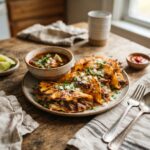
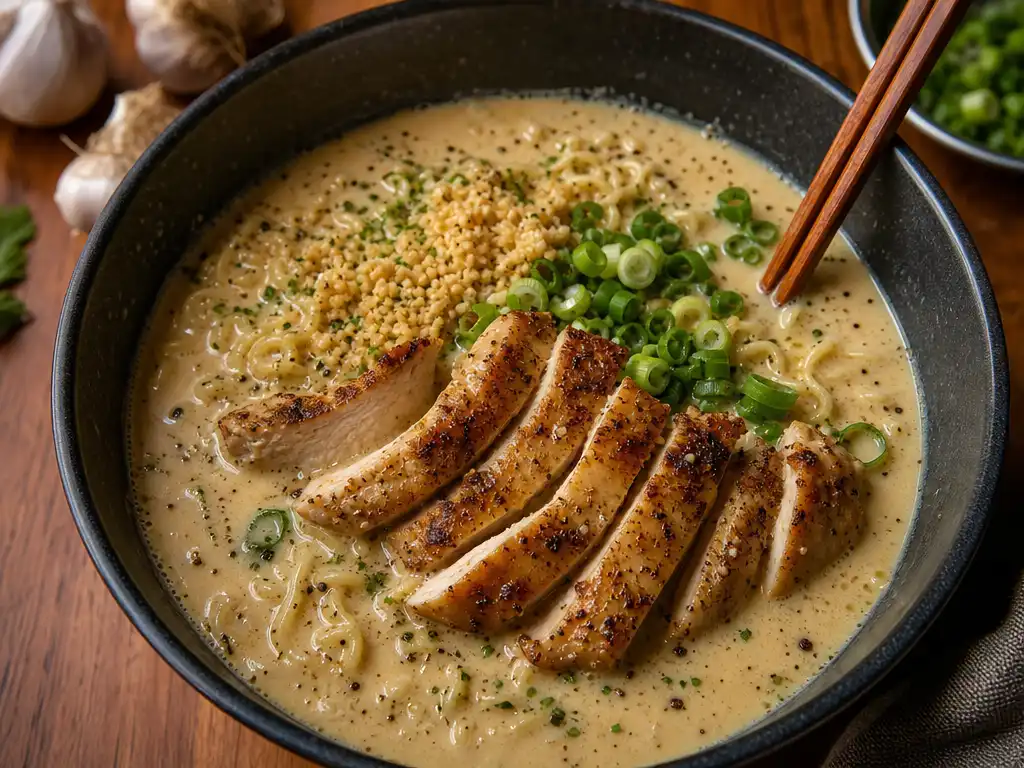
Chicken ramen with creamy garlic sauce is a modern, soul-warming fusion dish that bridges the bold umami depth of traditional Japanese ramen with the rich, velvety comfort of Western-style garlic cream sauces. Unlike classic shoyu or miso ramen, this iteration features tender poached or seared chicken breast or thigh, nestled in a deeply aromatic, house-made broth enhanced by a luxuriously smooth, garlicky cream reduction—creating a harmonious balance of savory, herbal, tangy, and subtly sweet notes. It’s a restaurant-worthy bowl you can craft at home with accessible ingredients and thoughtful technique, perfect for weeknight indulgence or weekend culinary exploration. Whether you’re a ramen purist curious about creative adaptations or a home cook seeking an elevated, protein-forward comfort meal, this recipe delivers complexity without compromise—and transforms humble pantry staples into something truly extraordinary.
The History
While ramen itself traces its origins to Chinese wheat noodles introduced to Japan in the late 19th century, its evolution into a national icon accelerated post-WWII with the advent of instant ramen and regional variations like Sapporo miso, Hakata tonkotsu, and Tokyo shoyu. The “chicken ramen” iteration gained traction globally in the 2000s as health-conscious diners sought leaner alternatives to pork-based broths, leading to refined tori paitan (chicken bone) and tori shio (chicken salt) styles. The creamy garlic sauce element, however, is a distinctly contemporary American-Japanese fusion innovation—inspired by French-inspired crème fraîche–garlic emulsions found in upscale bistro ramen bars (e.g., NYC’s Ippudo off-menu specials or Los Angeles’ Daikokuya’s “Garlic Miso Cream” limited releases) and popularized further through food media, TikTok cooking trends, and chef-driven pop-ups emphasizing “umami layering.” This hybrid approach reflects broader culinary movements: the globalization of technique (e.g., using sous-vide chicken for silken tenderness), the rise of dairy-forward Asian-American cuisine, and the demand for customizable, Instagrammable, deeply flavorful bowls that satisfy both texture and temperature contrast—warm broth, cool herb garnishes, chewy noodles, and a lush, clinging sauce that coats every strand.
Ingredients Breakdown
Every component in this Chicken Ramen with Creamy Garlic Sauce plays a precise, synergistic role—no ingredient is arbitrary. Here’s why each matters:
- Chicken thighs (boneless, skin-on or skinless): Preferred over breast for superior flavor, collagen-rich juiciness, and resistance to overcooking; skin-on adds extra richness when pan-seared and rendered.
- Homemade chicken stock (preferably from roasted bones + aromatics): Forms the aromatic backbone—roasting bones deepens color and imparts nutty, caramelized notes essential for body and complexity.
- Shaoxing wine & dry mirin: Not just for “Asian flair”—Shaoxing adds fermented depth and cuts richness; mirin contributes subtle sweetness and gentle acidity to balance fat and salt.
- Fresh garlic (not powdered): Raw garlic is minced finely and gently cooked in butter/oil to mellow pungency while unlocking allicin-derived aroma compounds; roasted garlic puree may be added later for mellower sweetness.
- Heavy cream (36% fat) + full-fat crème fraîche: Cream provides viscosity and mouth-coating luxury; crème fraîche adds cultured tang and stabilizes the emulsion, preventing splitting during reheating.
- White miso paste (shinshu or yellow): Adds fermented savoriness (umami), natural glutamates, and a gentle saline-sweet nuance—critical for bridging Eastern broth and Western sauce.
- Fresh ramen noodles (alkaline, medium-thick): The alkaline (kansui) treatment gives springy, chewy resilience that holds up against creamy sauce without becoming gummy—never substitute spaghetti or udon.
- Neutral oil with high smoke point (grapeseed or avocado): Ensures clean sear on chicken without burnt flavors; avoids olive oil’s low smoke point and assertive taste.
- House-made chili oil (with toasted sesame & Sichuan peppercorn): Adds aromatic heat and numbing complexity—not just spice, but dimension that lifts the cream’s richness.
- Black garlic paste: Optional but transformative—aged garlic with balsamic-like sweetness and molasses depth that deepens the sauce’s umami resonance.
Step-by-Step Recipe
- Prepare the Broth Base (Start 24–48 Hours Ahead for Best Results): Roast 2 lbs chicken backs, necks, and wings with 1 large onion (quartered), 1 daikon chunk, 3-inch ginger knob (smashed), and 4 garlic cloves (unpeeled) at 425°F for 45 minutes until golden-brown. Transfer to a large stockpot; cover with 10 cups cold water. Add 2 tbsp apple cider vinegar (to extract minerals from bones), 1 tbsp whole black peppercorns, and 1 star anise. Simmer *very gently* (barely a shimmer—never a rolling boil) for 12–18 hours, skimming foam only in first 30 minutes. Strain through triple-layered cheesecloth; chill overnight. Skim solidified fat. Reduce strained broth by 25% over medium-low heat; season with 3 tbsp soy sauce, 1 tbsp Shaoxing wine, 2 tsp dry mirin, and 1 tsp white miso (dissolved in warm broth). Keep warm.
- Make the Creamy Garlic Sauce (30 Minutes Before Serving): In a heavy-bottomed saucepan, melt 3 tbsp unsalted butter over medium-low heat. Add 6 cloves finely minced fresh garlic and 1 tsp grated roasted garlic; sauté 4–5 minutes until fragrant and pale gold—do not brown. Stir in ½ cup heavy cream, ¼ cup crème fraîche, 2 tbsp white miso paste, 1 tsp black garlic paste (if using), and a pinch of freshly grated nutmeg. Simmer gently 8–10 minutes, whisking constantly, until reduced by one-third and thick enough to coat the back of a spoon. Season with white pepper (not black—preserves visual elegance) and a squeeze of yuzu or lemon juice for brightness. Keep warm on lowest heat; stir occasionally to prevent skin formation.
- Cook & Finish the Chicken: Pat 2 boneless, skin-on chicken thighs *extremely* dry. Season generously with salt. Heat 1 tbsp neutral oil in a stainless steel or cast-iron skillet over medium-high heat until shimmering. Place thighs skin-side down; press gently with spatula for first 30 seconds to ensure contact. Cook 6–7 minutes until skin is ultra-crisp and deep amber. Flip; cook 4–5 more minutes until internal temp reaches 165°F. Rest 5 minutes. Slice thinly *against the grain* on a sharp bias.
- Blanch the Noodles: Bring a large pot of water to roaring boil. Add 1–2 servings dried fresh ramen noodles (approx. 180g). Cook precisely 1 minute 45 seconds (check package—fresh noodles cook fast!). Drain *immediately*, rinse under cold water to halt cooking and remove surface starch, then drain thoroughly in a colander. Toss lightly with ½ tsp toasted sesame oil to prevent sticking.
- Assemble Each Bowl: Ladle 1¾ cups hot broth into warmed ramen bowls. Swirl in 3–4 tbsp creamy garlic sauce directly into the broth—this creates a marbled, emulsified base. Arrange noodles in center. Fan sliced chicken over noodles. Garnish strategically: nori strips (toasted until crisp), soft-boiled ajitsuke tamago (marinated egg), menma (fermented bamboo shoots), scallion greens (thinly sliced on diagonal), beni shoga (pickled ginger), and a generous drizzle of chili oil. Finish with micro shiso or cilantro and flaky sea salt.
Tips
- Broth Clarity is Non-Negotiable: Never boil your stock—vigorous bubbling emulsifies fat and proteins, creating permanent cloudiness. Maintain a “lazy simmer” (180–190°F) using a flame tamer or diffuser plate.
- Garlic Timing is Everything: Raw garlic burns at 300°F+—mince it just before cooking and keep heat low. For layered garlic flavor, reserve 1 clove raw, finely grated, and stir into sauce *off-heat* just before serving.
- Cream Sauce Stability Hack: Whisk 1 tsp cornstarch slurry (cornstarch + cold water) into warm sauce *before* adding dairy—it acts as an insurance policy against curdling during service.
- Noodle Texture Mastery: Undercook noodles by 15 seconds, then shock in ice water. They’ll finish cooking in hot broth for ideal springy-chewy texture—no mush, no crunch.
- Temperature Layering: Serve broth piping hot (195°F), noodles at 140°F, chicken at 150°F, and garnishes at room temp. This ensures each bite delivers evolving warmth and texture.
- Make-Ahead Strategy: Broth, sauce, and marinated eggs can be made 3 days ahead. Store sauce separately—reheat *only once*, stirring constantly. Never freeze the finished sauce (dairy separates).
- Skillet Chicken Secret: After searing skin-side down, flip and place skillet in a 375°F oven for final 3 minutes—ensures even doneness without drying edges.
- Garnish Order Matters: Place delicate items (scallions, herbs, nori) last—heat from broth wilts them beautifully but preserves aroma. Chili oil goes on top *after* broth to maintain its volatile top-notes.
Variations and Customizations
This recipe is a canvas—here are chef-tested adaptations for dietary needs, seasonal availability, and global flavor accents:
- Vegetarian/Vegan Version: Replace chicken stock with robust mushroom-dashi (dried shiitake + kombu + dried porcini simmered 45 min); use king oyster mushrooms, roasted and sliced, instead of chicken; swap cream sauce for cashew-cream base (soaked raw cashews + garlic + white miso + nutritional yeast + lemon zest).
- Paleo/Whole30 Compliant: Omit dairy and miso—make “creamy” sauce from blended roasted cauliflower, garlic, coconut milk, ghee, and fish sauce; use compliant ramen alternatives like kelp noodles or shirataki (blanched and pan-toasted).
- Spicy Miso-Gochujang Twist: Stir 1 tbsp Korean gochujang + 1 tsp toasted sesame oil into the creamy garlic sauce for deep, fermented heat and nuttiness.
- Herb-Forward Spring Variation: Fold 2 tbsp chopped fresh dill and 1 tbsp chive blossoms into sauce; top with blanched asparagus tips and edible pea shoots.
- Umami Bomb Upgrade: Add 1 tsp powdered dried scallop (hotate ko) or dried bonito flakes to broth reduction for oceanic depth; garnish with crispy fried shallots and black vinegar glaze.
- Low-Carb/Keto Option: Use shirataki noodles (triple-rinsed and dry-roasted); boost fat with extra cream, a pat of grass-fed butter stirred into broth, and avocado slices.
- Quick Weeknight Shortcut: Use high-quality low-sodium chicken broth (like Kikkoman or Pacific Foods) + 1 tbsp Better Than Bouillon Roasted Chicken Base; simmer 20 min with aromatics. Sauce takes 12 minutes—use pre-minced garlic (but sauté longer to mellow).
- Breakfast Ramen Reinvention: Top with a 63°C sous-vide egg, crispy prosciutto crumbles, and chive oil—swap miso for a touch of Dijon mustard in sauce.
Health Considerations and Nutritional Value
A single well-portioned bowl (approx. 950g total) delivers balanced macro- and micronutrients—when prepared mindfully:
- Protein Powerhouse: ~48g high-biological-value protein (chicken thighs + broth collagen + miso amino acids) supports muscle synthesis and satiety—exceeding RDA for most adults.
- Smart Fats: Monounsaturated fats from sesame oil and chicken skin (in moderation), plus conjugated linoleic acid (CLA) from pastured poultry, support metabolic health. Cream adds saturated fat—but paired with garlic’s allicin and miso’s isoflavones, it enhances nutrient absorption (e.g., fat-soluble vitamins A/D/E/K from broth).
- Gut-Friendly Ferments: White miso contains live probiotics (if unpasteurized and added off-heat) and prebiotic oligosaccharides; garlic and ginger offer potent prebiotic fibers (inulin, fructooligosaccharides) that feed beneficial Bifidobacteria.
- Anti-Inflammatory Compounds: Allicin (from raw garlic), gingerol (from fresh ginger), and epigallocatechin gallate (EGCG) from green tea–infused broth reductions combat oxidative stress. Nori provides iodine for thyroid regulation.
- Sodium Awareness: Total sodium hovers around 950mg/bowl—well within FDA’s 2,300mg daily limit. Reduce by using low-sodium soy, omitting added salt to broth, and skipping salty garnishes like soy-marinated menma.
- Glycemic Impact: Low-glycemic load (<5 GL) thanks to minimal added sugars (mirin’s trace glucose is offset by fiber from nori/menma) and high protein/fat content slowing carb absorption from noodles.
- Vitamin & Mineral Highlights: Rich in selenium (chicken), vitamin B12 (broth + chicken), vitamin K2 (fermented miso), copper (shiitake in broth), and bioavailable iron (heme iron from chicken).
- Dietary Notes: Naturally gluten-free if using certified GF tamari and miso; nut-free; contains dairy (omit for dairy-free versions above). Not suitable for strict histamine intolerance due to fermented miso and aged garlic—substitute coconut aminos and fresh garlic only.
Ingredients
For the Broth:
- 2 lbs chicken backs, necks, and wings (or 1 whole chicken carcass)
- 1 large yellow onion, quartered (skin on for color)
- 1 (3-inch) piece daikon radish, peeled and halved
- 1 (3-inch) piece fresh ginger, smashed
- 4 garlic cloves, unpeeled
- 10 cups cold filtered water
- 2 tbsp apple cider vinegar
- 1 tbsp whole black peppercorns
- 1 star anise
- 3 tbsp low-sodium soy sauce (or tamari for GF)
- 1 tbsp Shaoxing wine
- 2 tsp dry mirin
- 1 tsp white miso paste (dissolved in 2 tbsp warm broth)
For the Creamy Garlic Sauce:
- 3 tbsp unsalted butter
- 6 cloves fresh garlic, finely minced
- 1 tsp roasted garlic puree (or 1 roasted clove, mashed)
- ½ cup heavy cream (36% fat)
- ¼ cup full-fat crème fraîche
- 2 tbsp white miso paste
- 1 tsp black garlic paste (optional but recommended)
- Pinch freshly grated nutmeg
- Freshly ground white pepper
- ½ tsp yuzu or lemon juice
For the Chicken & Assembly:
- 2 boneless, skin-on chicken thighs (about 10 oz total)
- 1 tbsp neutral oil (grapeseed or avocado)
- Salt, to taste
- 180g fresh alkaline ramen noodles (per serving)
- ½ tsp toasted sesame oil (for noodles)
- ¼ cup nori, cut into thin strips
- 1 soft-boiled ajitsuke tamago (marinated egg), halved
- 2 tbsp menma (fermented bamboo shoots)
- 2 scallions, thinly sliced on diagonal
- 1 tsp beni shoga (pickled ginger)
- 1–2 tsp chili oil (homemade preferred)
- Flaky sea salt (Maldon), for finishing
- Micro shiso or cilantro leaves, optional
Directions
- Roast the Bones: Preheat oven to 425°F. Arrange chicken parts, onion, daikon, ginger, and garlic on a rimmed baking sheet. Roast 45 minutes, flipping halfway, until deeply golden and caramelized. Transfer all to a 8–10 quart stockpot. Pour in cold water, vinegar, peppercorns, and star anise.
- Simmer the Broth: Bring to a gentle simmer over medium heat. Immediately reduce heat to lowest setting—maintain tiny bubbles at the edge only. Skim initial foam. Partially cover and simmer 12–18 hours (overnight is ideal). Strain through fine-mesh sieve lined with triple cheesecloth into a large container. Refrigerate 12+ hours. Skim solidified fat. Return broth to clean pot; reduce by 25% over medium-low heat (about 25–30 min). Whisk in soy sauce, Shaoxing, mirin, and dissolved miso. Keep warm at 185°F.
- Make Garlic Sauce: In heavy saucepan, melt butter over medium-low heat. Add minced and roasted garlic; cook 4–5 min until fragrant and pale gold. Whisk in cream, crème fraîche, miso, black garlic paste, and nutmeg. Simmer gently 8–10 min, whisking constantly, until thickened to nappé consistency. Season with white pepper and yuzu. Keep warm on lowest heat.
- Prepare Chicken: Pat thighs dry. Heat oil in skillet over medium-high. Place skin-side down; press gently. Cook 6–7 min until skin is crisp and amber. Flip; cook 4–5 min until 165°F. Rest 5 min. Slice thinly against grain.
- Blanch Noodles: Boil water. Cook noodles 1 min 45 sec. Drain, rinse under cold water, drain thoroughly. Toss with sesame oil.
- Assemble Bowls: Ladle hot broth into warmed bowls. Swirl in 3–4 tbsp garlic sauce. Arrange noodles. Fan chicken over noodles. Garnish with nori, tamago, menma, scallions, beni shoga, chili oil, and flaky salt. Serve immediately.
FAQ
- Can I use chicken breast instead of thighs?
- Yes—but thighs are strongly recommended. Breasts dry out easily and lack collagen for rich mouthfeel. If using breast: pound to ½-inch thickness, brine 30 min in 2% saltwater, and cook sous-vide at 145°F for 1.5 hours for guaranteed tenderness.
- Why does my creamy garlic sauce break or curdle?
- Curdling occurs from overheating (boiling cream), acid shock (adding citrus too early), or rapid temperature change. Always warm dairy gradually, add acid *off-heat*, and whisk constantly. A cornstarch slurry (1 tsp cornstarch + 1 tbsp cold water) added before dairy prevents splitting.
- How do I store leftovers safely?
- Store broth, sauce, and chicken separately in airtight containers. Broth keeps 5 days refrigerated or 6 months frozen. Sauce lasts 3 days refrigerated—reheat *only once*, stirring constantly. Chicken stays 3 days. Never store assembled bowls—noodles absorb liquid and become mushy.
- Is there a shortcut for the 12-hour broth?
- Yes—but flavor depth suffers. Use 6 cups high-quality low-sodium broth + 2 tbsp chicken base + 1 tbsp nutritional yeast + 1 tsp fish sauce. Simmer 30 min with aromatics. Strain and finish as directed. It won’t have collagen richness, but works in a pinch.
- What’s the best noodle brand for authenticity?
- For fresh noodles: Sun Noodle (available at many Asian grocers) or Myojo “Creamy Chicken” fresh packs (par-cooked). For dried: Hakubaku Organic Ramen or Yamachan Premium. Avoid “instant ramen” bricks—their alkalinity and texture are incompatible.
- Can I make this gluten-free?
- Absolutely. Use tamari instead of soy sauce, ensure miso is certified GF (Eden Foods or South River), verify ramen noodles are 100% rice/wheat-free (Lotus Foods Millet Ramen), and skip barley-based menma (use julienned cucumber or carrot).
- Why toast the nori separately?
- Toasting removes moisture, intensifies umami via Maillard reaction, and creates delicate crispness that contrasts the creamy broth. Untoasted nori becomes rubbery and bland in hot liquid.
- How spicy is the chili oil? Can I adjust it?
- Homemade chili oil ranges from mild (using Aleppo pepper) to fiery (Lao Gan Ma chili crisp). Start with ½ tsp per bowl and increase. For zero heat: substitute toasted sesame oil + crushed Sichuan peppercorns for mala effect without capsaicin.
- Can I freeze the creamy garlic sauce?
- No—dairy-based emulsions separate irreversibly when frozen and thawed. Freeze only the broth and cooked chicken. Make sauce fresh or refrigerate up to 3 days.
- What wine pairs best with this dish?
- A dry, aromatic white with bright acidity cuts richness: Grüner Veltliner, Albariño, or unoaked Chardonnay. For red lovers: chilled Beaujolais-Villages (low tannin, high fruit) complements the garlic and umami without overwhelming.
Summary
Chicken ramen with creamy garlic sauce is a masterclass in cross-cultural harmony—melding Japanese broth craftsmanship, French emulsion technique, and bold, modern flavor layering into one deeply satisfying, nutritionally balanced bowl. Every element, from slow-simmered collagen-rich stock to silky miso-enriched garlic cream and perfectly seared chicken, is intentional, scalable, and adaptable to dietary needs—proving that gourmet comfort need not sacrifice integrity, health, or soul.
With meticulous attention to temperature control, ingredient quality, and assembly sequence, this recipe transforms weeknight cooking into a ritual of warmth, complexity, and joyful nourishment—where tradition meets innovation, one unforgettable spoonful at a time.