Introduction
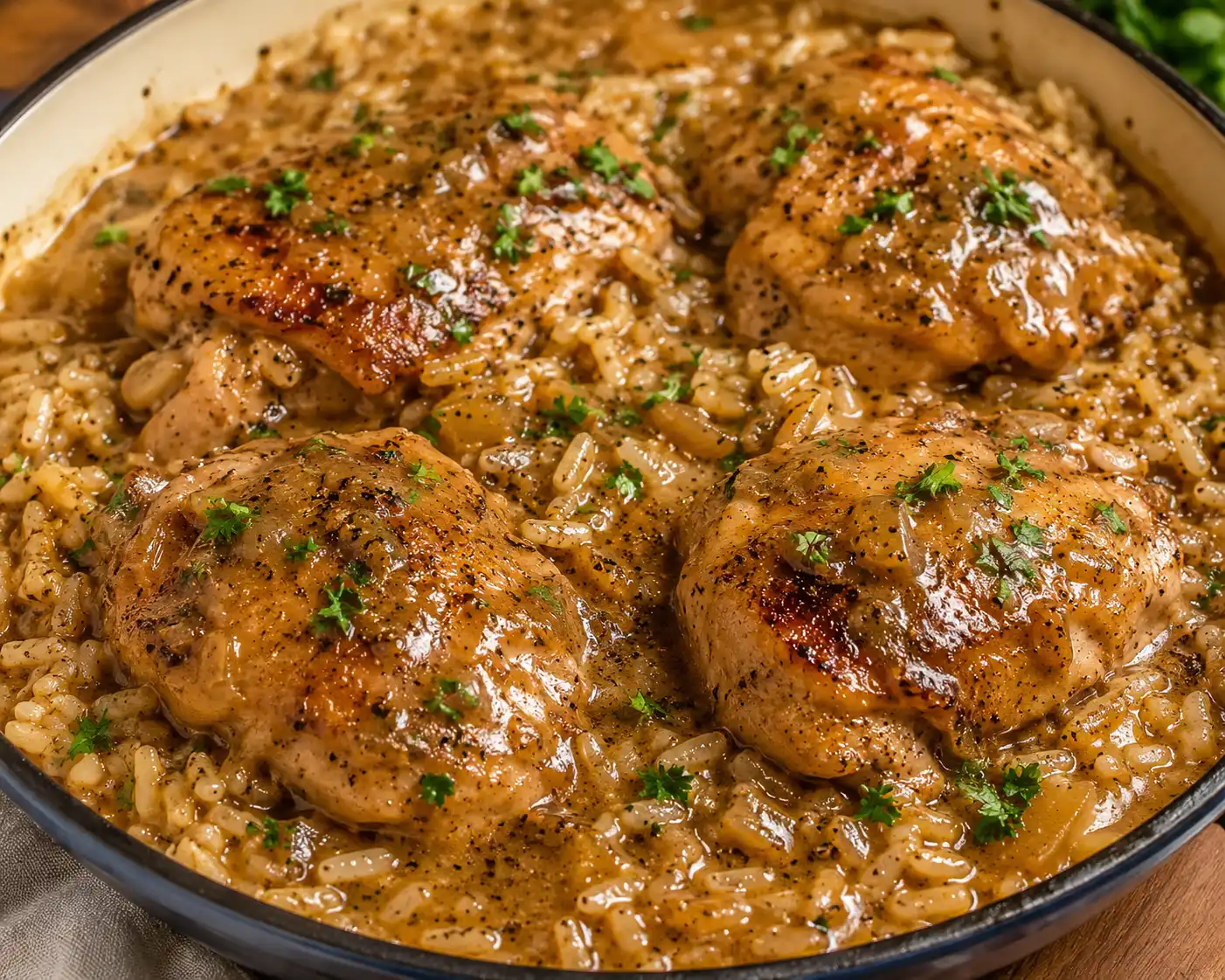
Welcome to a soul-satisfying, deeply flavorful, and undeniably comforting classic: the Irresistible Best Smothered Chicken and Rice Recipe. This isn’t just another weeknight dinner—it’s a culinary embrace in a bowl. Tender chicken thighs simmered low and slow in a rich, savory, umami-packed gravy—infused with caramelized onions, aromatic garlic, earthy thyme, and a hint of smoky paprika—then ladled generously over perfectly steamed, slightly creamy long-grain rice. Every bite delivers layers of depth: the silky texture of the gravy clinging to fall-off-the-bone chicken, the subtle sweetness of slow-cooked vegetables, and the warm, herbaceous finish that lingers pleasantly on the palate. Whether you’re feeding a busy family, hosting Sunday supper, or simply craving something hearty and heartwarming, this recipe promises satisfaction on every level—comforting without being heavy, elegant without being fussy, and deeply nostalgic while still feeling fresh and intentional.
The History
Smothered chicken traces its roots deep into the culinary traditions of the American South—particularly Louisiana and the broader Creole and Cajun regions—where “smothering” refers to a slow-cooking technique involving braising meat in a covered pot with aromatics, liquid, and seasonings until tender and luxuriously glazed. The term “smothered” doesn’t imply suffocation, but rather the act of enveloping or “smothering” the protein in flavor-rich ingredients—often starting with a holy trinity base (onions, bell peppers, celery), deglazed with broth or wine, and enriched with roux or reduction. While traditionally served over white rice—a staple introduced through centuries of West African, French, and Spanish influence—the dish evolved across generations, absorbing regional touches: tomato-based gravies in some households, mushroom enhancements in others, and even variations using chicken breasts or bone-in pieces depending on availability and preference. Its migration into home kitchens nationwide was accelerated by mid-20th-century cookbooks, church suppers, and generational hand-me-down recipes passed down via stained index cards and whispered kitchen wisdom. Today, smothered chicken stands as a beloved symbol of resourceful, loving cooking—transforming humble, affordable ingredients into something transcendent through patience, seasoning, and care.
Ingredients Breakdown
Every exceptional smothered chicken and rice dish begins with thoughtfully selected, high-quality components—each playing a distinct role in building complexity, texture, and balance:
- Chicken thighs (bone-in, skin-on preferred): The undisputed star—rich in collagen and fat, they stay juicy and succulent during long braising, yielding unparalleled tenderness and deep poultry flavor. Skin adds richness and helps form a golden crust before simmering.
- Yellow or sweet onions: Provide foundational sweetness and aromatic depth; slow-caramelization unlocks their natural sugars, forming the base of the gravy’s body and color.
- Garlic (fresh, minced): Adds pungent warmth and savory intensity—best added after onions soften to preserve its nuanced flavor profile.
- Tomato paste: A concentrated umami powerhouse—its roasted sweetness and thickening power deepen color, enrich mouthfeel, and anchor the gravy’s savory backbone.
- Low-sodium chicken broth: Offers clean, balanced poultry essence without overwhelming salt; homemade is ideal, but a high-quality store-bought variety works beautifully when enhanced with herbs and reduction.
- Worcestershire sauce: A secret weapon—adds fermented tang, tamarind brightness, and subtle anchovy depth for multidimensional savoriness.
- Herbs & spices (dried thyme, smoked paprika, bay leaf, black pepper): Thyme contributes earthy floral notes; smoked paprika lends gentle warmth and aroma (not heat); bay leaf imparts subtle camphorous complexity; freshly cracked black pepper offers bright, resinous heat.
- Butter and olive oil (or avocado oil): A dual-fat sauté medium—butter for nutty richness and fond development, oil for higher smoke point and stability during browning.
- Long-grain white rice (such as Jasmine or Carolina Gold): Chosen for its delicate fragrance, fluffy yet separate grains, and ideal starch content to absorb gravy without turning mushy. Rinsing is non-negotiable for clarity and texture.
- Optional but recommended enhancements: A splash of apple cider vinegar at the end for brightness; a handful of sliced mushrooms for extra umami and meatiness; a tablespoon of brown sugar if your onions aren’t deeply caramelized; and fresh parsley or green onions for garnish and herbal lift.
Step-by-Step Recipe
This meticulously crafted method ensures foolproof results—tender chicken, velvety gravy, and rice that’s neither gummy nor dry. Total time: ~1 hour 20 minutes (includes prep, browning, simmering, and rice cooking).
- Prep & Pat Dry: Remove chicken thighs from fridge 15 minutes prior to cooking. Pat *extremely* dry with paper towels—especially under the skin and between thighs. Season generously on all sides with kosher salt and freshly ground black pepper. Let rest while prepping aromatics.
- Sear to Perfection: Heat a large, heavy-bottomed Dutch oven or deep skillet over medium-high heat. Add 1 tbsp butter + 1 tbsp olive oil. Once shimmering (not smoking), place chicken thighs skin-side down in a single layer—do not crowd. Sear undisturbed for 6–7 minutes until deeply golden brown and crisp. Flip and sear meat side for 3–4 minutes. Transfer to a clean plate; pour off all but 2 tbsp of rendered fat.
- Sauté Aromatics Slowly: Reduce heat to medium-low. Add diced onions and a pinch of salt. Cook gently, stirring occasionally, for 10–12 minutes until soft, translucent, and beginning to caramelize at the edges. Add minced garlic and cook 1 minute more—fragrant but not browned.
- Bloom Tomato Paste & Spices: Push aromatics to the sides. Add tomato paste to center and cook, stirring constantly, for 2–3 minutes until it darkens slightly and smells sweet and roasted. Stir in smoked paprika, dried thyme, and a crumbled bay leaf; toast 30 seconds to awaken oils.
- Build the Gravy Base: Pour in ¼ cup low-sodium chicken broth and Worcestershire sauce. Scrape up all browned bits (fond) from the pot bottom with a wooden spoon—this is pure flavor gold. Simmer 2 minutes to concentrate.
- Return Chicken & Braise: Nestle seared chicken thighs back into the pot, skin-side up (to protect crispness). Add remaining broth (about 2 cups), ensuring liquid comes halfway up the chicken. Bring to a gentle simmer, then reduce heat to the lowest possible setting. Cover tightly with lid (or foil + lid) and braise for 45–55 minutes—until chicken is fork-tender and internal temperature reaches 175°F (thighs benefit from slightly higher temp than breasts for optimal tenderness).
- Thicken & Finish the Gravy: Carefully remove chicken to a platter. Skim excess fat from surface of gravy using a wide spoon or fat separator. Increase heat to medium and simmer uncovered for 8–12 minutes, stirring occasionally, until reduced by ~⅓ and thickened to a glossy, coat-the-back-of-a-spoon consistency. Taste and adjust: add a splash of apple cider vinegar for brightness, a pinch of brown sugar if too sharp, extra salt/pepper as needed. Optional: whisk in 1 tsp cold butter at the end for luxurious sheen.
- Cook the Rice Separately (Recommended): While chicken braises, rinse 1½ cups jasmine rice in cold water 3–4 times until water runs clear. Combine with 2¼ cups water, ½ tsp salt, and 1 tsp neutral oil in a saucepan. Bring to boil, cover tightly, reduce heat to lowest setting, and steam for 15 minutes. Remove from heat and let stand, covered, 10 minutes. Fluff gently with fork.
- Assemble & Serve: Spoon generous portions of fluffy rice into wide, shallow bowls. Top with 2 chicken thighs per serving. Ladle hot, velvety gravy generously over top—enough to pool slightly around the rice. Garnish with freshly chopped flat-leaf parsley, chives, or a sprinkle of flaky sea salt.
Tips
- Dry chicken = crisp skin: Never skip thorough patting—moisture is the enemy of browning.
- Don’t rush the onion stage: Caramelization takes time—low and slow unlocks sweetness and depth. If onions begin to stick, add a teaspoon of broth to deglaze and continue.
- Use bone-in, skin-on thighs: Breasts will dry out; boneless thighs lack collagen for gravy enrichment. For leaner preference, use boneless skinless—but reduce braise time to 25–30 minutes and add 1 tbsp cornstarch slurry at the end to compensate for thinner gravy.
- Gravy thickness control: Too thin? Simmer longer. Too thick? Whisk in warm broth, 1 tbsp at a time. Never add cold liquid to hot gravy—it can cause separation.
- Rinse rice religiously: Excess surface starch causes clumping. For extra-fluffy rice, soak rinsed rice 20 minutes before cooking.
- Make-ahead magic: Braise chicken and make gravy up to 3 days ahead. Cool completely, refrigerate in airtight container. Reheat gently on stove with a splash of broth. Cook rice fresh for best texture.
- Skillet-to-table elegance: Serve directly from a beautiful enameled Dutch oven for rustic charm—or portion into individual cast-iron skillets for wow factor.
- Reserve the pan drippings: That golden fond left after searing? It’s flavor insurance—scrape it well during deglazing. No fond? You missed out on 30% of the gravy’s soul.
Variations and Customizations
This recipe is gloriously adaptable—celebrating regional preferences, dietary needs, and pantry creativity:
- Cajun-Spiced Version: Add 1 tsp each of cayenne, garlic powder, and onion powder to the chicken rub. Include finely diced green bell pepper and celery with the onions for authentic “holy trinity” depth.
- Mushroom & Herb Infusion: Sauté 8 oz sliced cremini or oyster mushrooms with the onions until deeply browned and moisture evaporates. Finish gravy with 1 tbsp chopped fresh rosemary and lemon zest.
- Coconut-Ginger Smothered Chicken: Replace half the broth with unsweetened coconut milk; add 1 tbsp grated fresh ginger and 1 star anise pod while braising. Garnish with cilantro and lime wedges.
- Vegetarian “Smothered” Option: Swap chicken for extra-firm tofu (pressed & pan-seared) or king oyster mushrooms (sliced thick and seared). Use vegetable broth and increase umami with soy sauce + nutritional yeast.
- Gluten-Free Friendly: Ensure Worcestershire is GF-certified (many contain malt vinegar); thicken gravy naturally via reduction or use GF cornstarch slurry (1 tsp cornstarch + 1 tbsp cold water).
- Instant Pot / Pressure Cooker Method: Sear chicken using Saute function. Sauté aromatics, bloom paste/spices, add liquids, nestle chicken in. Pressure cook on High for 15 minutes + 10-minute natural release. Thicken gravy using Saute mode.
- Sheet Pan Roast Variation: Skip stovetop browning—toss chicken thighs with oil, spices, and aromatics on a rimmed baking sheet. Roast at 400°F for 35–40 minutes until cooked. Deglaze pan with broth, reduce into gravy, and serve over rice.
- Leftover Reinvention: Shred leftover chicken and gravy into tacos with pickled red onions; fold into creamy chicken-and-rice croquettes; or stir into a hearty soup with kale and white beans.
Health Considerations and Nutritional Value
When prepared mindfully, this smothered chicken and rice dish offers balanced nutrition and thoughtful wellness integration:
- Protein Powerhouse: Chicken thighs provide complete, high-bioavailability protein (≈25g per 4-oz serving), along with essential B vitamins (B6, B12, niacin), selenium, and zinc—supporting immune function, metabolism, and muscle repair.
- Smart Fat Profile: While thighs contain more fat than breasts, the majority is heart-healthy monounsaturated fat (similar to olive oil). Removing excess skin before serving reduces saturated fat without sacrificing flavor or moisture.
- Low-Sodium Strategy: Using low-sodium broth and controlling added salt allows customization for hypertension or kidney health. Boost flavor with citrus zest, herbs, smoked salt, or no-salt seasoning blends instead of table salt.
- Fiber & Phytonutrients: Onions and garlic deliver prebiotic inulin and allicin—linked to gut health, anti-inflammatory effects, and cardiovascular support. Tomato paste contributes lycopene, a potent antioxidant enhanced by cooking and fat.
- Whole Grain Upgrade Option: Substitute brown or wild rice for white rice to triple fiber content (from ~0.6g to ~3.5g per ½-cup serving), improve glycemic response, and add magnesium, B vitamins, and polyphenols.
- Portion Awareness: A balanced plate includes ≈1 serving chicken (1 thigh, ~5 oz), ¾ cup cooked rice, and ½ cup gravy—totaling approx. 580–650 calories, 32g protein, 28g carbs, and 34g fat (mostly unsaturated). Serve with a side of steamed broccoli or sautéed spinach for added volume and micronutrients.
- Allergen Notes: Naturally gluten-free (if using GF Worcestershire), dairy-free (omit butter, use oil only), and nut-free. For egg-free or soy-free versions, verify Worcestershire label—some brands contain soy or anchovies (which are fish, not shellfish).
Ingredients
Makes 4–6 servings
- 6–8 bone-in, skin-on chicken thighs (approx. 2½–3 lbs), trimmed of excess fat
- 2 tsp kosher salt (plus more to taste)
- 1½ tsp freshly ground black pepper (plus more to taste)
- 2 tbsp unsalted butter
- 2 tbsp extra-virgin olive oil (or avocado oil)
- 2 large yellow onions (about 2 cups finely diced)
- 6 cloves garlic, minced
- 3 tbsp tomato paste
- 1½ tsp smoked paprika (sweet or mild—not hot)
- 1½ tsp dried thyme (preferably Mediterranean)
- 2 large bay leaves
- ¼ cup low-sodium chicken broth (for deglazing)
- 2 tbsp Worcestershire sauce (GF-certified if needed)
- 2 cups low-sodium chicken broth (for braising)
- 1 tbsp apple cider vinegar (optional, for brightness)
- 1½ cups jasmine rice (long-grain, preferably aged)
- 2¼ cups cold water (for rice)
- ½ tsp fine sea salt (for rice)
- 1 tsp neutral oil (e.g., grapeseed or avocado, for rice)
- Fresh flat-leaf parsley, chopped (for garnish)
- Flaky sea salt (Maldon-style, for finishing)
Directions
- Prep Chicken: Pat chicken thighs *very* dry with paper towels. Place in a large bowl. Sprinkle evenly with 2 tsp kosher salt and 1½ tsp black pepper. Gently rub seasoning into skin and meat. Let sit at room temperature 15 minutes.
- Heat Dutch Oven: Place a 5–6 qt heavy-bottomed Dutch oven over medium-high heat. Add butter and olive oil. Heat until butter melts and begins to foam slightly—do not brown.
- Sear Chicken: Arrange chicken thighs skin-side down in a single layer. Cook undisturbed 6–7 minutes until skin is deeply golden and releases easily from pan. Flip and cook meat-side 3–4 minutes until lightly browned. Transfer to a plate; tent loosely with foil. Pour off all but 2 tablespoons of fat from pot.
- Sauté Onions: Reduce heat to medium-low. Add diced onions and a pinch of salt. Cook, stirring occasionally, 10–12 minutes until soft, translucent, and edges begin to caramelize.
- Add Garlic & Toast: Stir in minced garlic and cook 1 minute until fragrant—do not let burn.
- Bloom Tomato Paste: Push onions to edges. Add tomato paste to center. Cook, stirring constantly, 2–3 minutes until it darkens to brick-red and smells rich and roasted.
- Incorporate Spices: Stir in smoked paprika, dried thyme, and crumbled bay leaves. Toast 30 seconds until aromatic.
- Scrape & Deglaze: Pour in ¼ cup broth and Worcestershire. Immediately scrape up all browned bits with a wooden spoon. Simmer 2 minutes to reduce and concentrate flavors.
- Return Chicken & Braise: Nestle chicken thighs back in, skin-side up. Pour in remaining 2 cups broth. Liquid should come halfway up chicken. Bring to gentle simmer, then reduce heat to lowest setting. Cover tightly. Braise 45–55 minutes until chicken is extremely tender and registers 175°F internally.
- Remove Chicken & Skim Fat: Carefully transfer chicken to clean platter. Let rest 5 minutes. Skim surface fat from gravy using a ladle or fat separator.
- Reduce Gravy: Uncover pot. Increase heat to medium. Simmer 8–12 minutes, stirring occasionally, until gravy thickens to coat the back of a spoon. Stir in apple cider vinegar (if using). Taste and adjust seasoning—add salt, pepper, or a pinch of brown sugar if needed.
- Cook Rice: While chicken braises, rinse jasmine rice thoroughly. Combine with water, ½ tsp salt, and 1 tsp oil in saucepan. Bring to rapid boil. Cover tightly, reduce heat to lowest setting, and steam 15 minutes. Turn off heat; let stand covered 10 minutes. Fluff with fork.
- Plate & Serve: Spoon ¾–1 cup rice into each bowl. Top with 2 chicken thighs. Ladle hot gravy generously over chicken and rice. Garnish with parsley and flaky salt.
FAQ
- Can I use chicken breasts instead of thighs?
- Yes—but with caveats. Boneless, skinless breasts cook much faster and dry out easily. Reduce braise time to 20–25 minutes max. Consider pounding to even thickness. For richer gravy, add 1 tbsp cornstarch mixed with 2 tbsp cold broth during final reduction.
- Why do you recommend bone-in, skin-on thighs?
- Bone-in thighs contain marrow and connective tissue that break down during slow cooking, releasing gelatin into the gravy for luxurious body and silkiness. Skin renders fat for browning and adds incomparable flavor and textural contrast—even if removed before serving, it enhances the entire process.
- My gravy is too thin—how do I fix it?
- Simmer uncovered longer—reduction is the cleanest method. If short on time, mix 1 tsp cornstarch with 1 tbsp cold broth or water, whisk into hot gravy, and simmer 2 minutes until thickened and translucent.
- Can I make this in a slow cooker?
- Absolutely. Sear chicken and aromatics on stove first. Transfer everything to slow cooker. Cook on LOW 5–6 hours (do not exceed 6 hrs or chicken becomes mushy). Thicken gravy on stove afterward.
- Is rinsing rice really necessary?
- Yes—especially for jasmine or basmati. Rinsing removes excess surface starch that causes gumminess and cloudiness. Rinse until water runs clear (3–4 times) for light, fluffy, separate grains.
- How do I store leftovers?
- Cool completely. Store chicken and gravy together in one airtight container; rice separately. Refrigerate up to 4 days. Freeze gravy + chicken up to 3 months (rice does not freeze well). Reheat gently on stove with added broth to refresh moisture.
- What sides pair best with smothered chicken and rice?
- Classic Southern pairings include collard greens with smoked turkey neck, honey-glazed carrots, buttermilk biscuits, or a simple cucumber-dill salad. For lighter options: roasted Brussels sprouts, garlic-sautéed spinach, or mango-avocado salsa.
- Can I double this recipe?
- Yes—but use two Dutch ovens or a very large (8-qt) pot. Avoid overcrowding during searing. Double all ingredients except broth (add only 10–15% more to prevent excessive liquid). Adjust braise time by +5–10 minutes.
Summary
This Irresistible Best Smothered Chicken and Rice Recipe is the ultimate marriage of technique, tradition, and tenderness—featuring deeply browned, succulent chicken thighs braised in a complex, umami-rich gravy infused with slow-caramelized onions, roasted tomato paste, and aromatic herbs, then served over impossibly fluffy, fragrant jasmine rice.
With step-by-step guidance, smart substitutions, nutritional insights, and chef-tested tips—from perfect searing to gravy-thickening mastery—it’s designed to empower home cooks of all levels to create restaurant-worthy comfort food that nourishes the body, soothes the spirit, and brings people joyfully together around the table.