Introduction
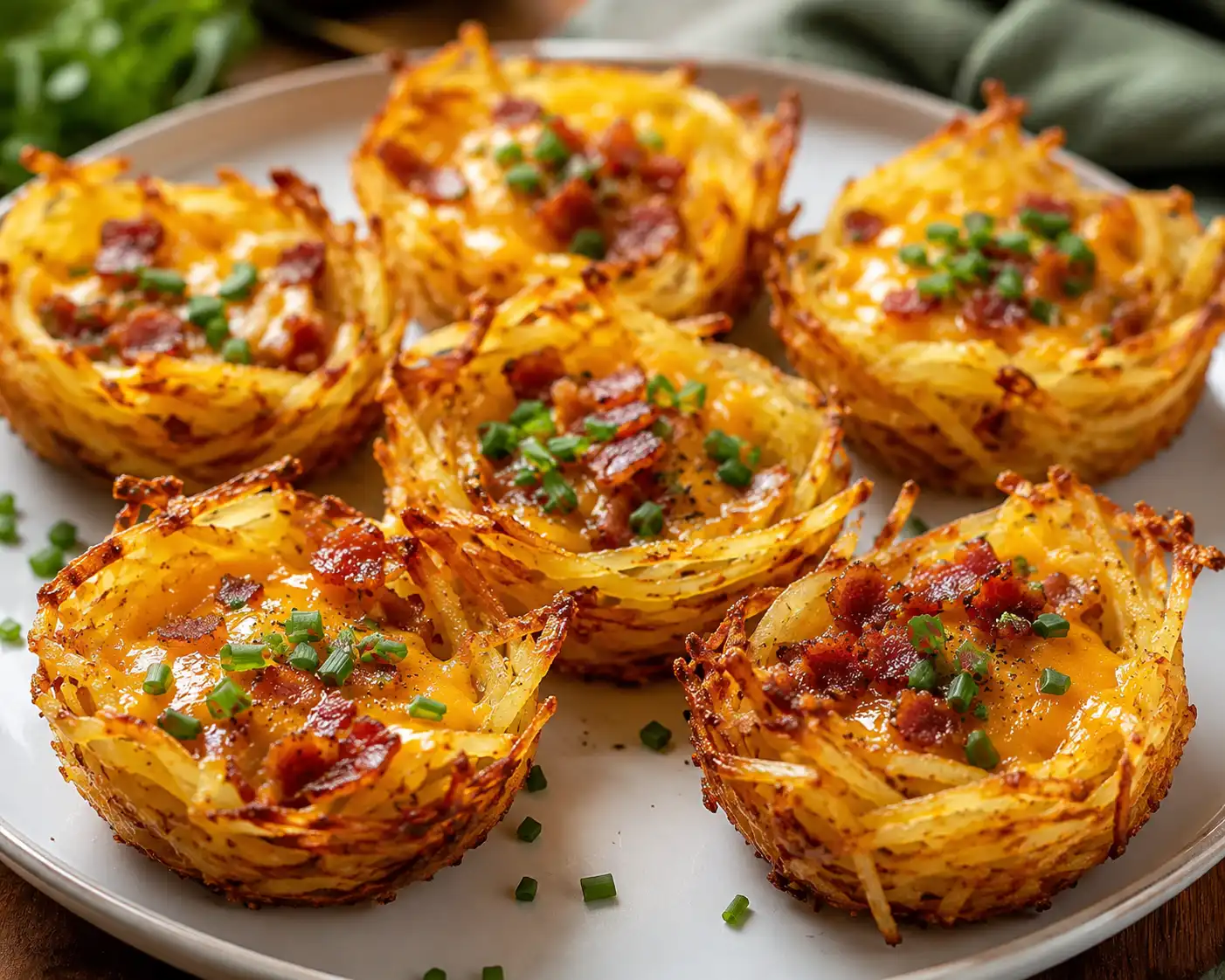
Welcome to the ultimate guide on creating one of the most satisfying comfort foods known to the culinary world: Crispy Potato Nests Filled with Savory Goodness. There is a unique magic that happens when shredded potatoes are transformed into golden, crunchy vessels capable of holding a multitude of flavorful fillings. This dish is not merely a side item; it is a centerpiece that bridges the gap between breakfast brunches, hearty appetizers, and elegant dinner party starters. The contrast between the shattering crispness of the outer potato lattice and the warm, creamy, or savory interior creates a sensory experience that delights eaters of all ages.
Whether you are a home cook looking to impress guests or a food enthusiast seeking to master the art of potato cookery, this recipe offers versatility and depth. The beauty of the potato nest lies in its structural integrity; when made correctly, it holds its shape without falling apart, providing a sturdy edible bowl for your choice of ingredients. From runny egg yolks to melted cheeses, sautéed spinach, or crispy bacon bits, the possibilities are endless. In this comprehensive guide, we will explore every facet of this dish, ensuring you have the knowledge to create perfection in your own kitchen.
Prepare yourself to elevate your potato game. We will delve into the science of starch, the history of this comforting creation, and provide you with a failsafe method to achieve maximum crunch without excessive grease. By the end of this article, you will not only have a recipe but a deep understanding of how to manipulate ingredients to suit your dietary needs and flavor preferences. Let us embark on this culinary journey to master the art of the Crispy Potato Nest.
The History
The concept of shaping potatoes into nests or cakes has roots that stretch back across various cultures and centuries, evolving from simple sustenance to gourmet presentation. The potato itself, originating from the Andes mountains in South America, was introduced to Europe in the 16th century and quickly became a staple crop due to its hardiness and caloric density. As culinary techniques developed, cooks began experimenting with ways to preserve and enhance the texture of potatoes, leading to the creation of shredded and fried potato dishes.
In the United States, the concept of the “hash brown” gained popularity in the late 19th century, particularly in New York City dining establishments. However, the specific iteration of the “potato nest” is often attributed to European garnish techniques where shredded potatoes were fried into delicate shapes to accompany meats. Over time, these garnishes evolved into standalone dishes, particularly in American brunch culture during the mid-20th century. The idea of creating a well in the center to hold an egg became a classic diner offering, combining protein and carbohydrates in a single, hand-held portion.
Today, the potato nest has seen a resurgence in popularity thanks to the food blogging community and the rise of visual social media platforms. The photogenic nature of a golden nest filled with vibrant ingredients makes it a favorite for influencers and home cooks alike. Modern interpretations have moved beyond the traditional egg filling, incorporating global flavors such as Mexican-inspired beans and salsa, Mediterranean feta and olives, or Asian-style hoisin and scallions. This historical evolution showcases the potato’s incredible adaptability and its enduring place in the global culinary landscape.
Ingredients Breakdown
Understanding the role of each component in this recipe is crucial for achieving the desired texture and flavor profile. The success of a crispy potato nest relies heavily on the chemistry between the potato starch, moisture content, and binding agents. Below is a detailed analysis of why we choose specific ingredients and how they contribute to the final dish.
- Russet Potatoes: We specifically recommend Russet or Idaho potatoes for this recipe due to their high starch content and low moisture. High starch levels are essential for binding the shreds together without the need for excessive flour or eggs, which can soften the crust. The low moisture content ensures that the potatoes fry up crispy rather than steaming in their own water.
- Vegetable Oil or Avocado Oil: Frying requires an oil with a high smoke point to prevent burning while achieving a deep golden brown color. Avocado oil is excellent for health-conscious cooks, while vegetable or canola oil provides a neutral flavor that allows the potato taste to shine. The oil acts as the heat transfer medium that creates the Maillard reaction, responsible for the complex flavors and crunchy texture.
- Egg (as Binder): A single egg mixed into the shredded potatoes acts as the primary binding agent. It coagulates during cooking, gluing the potato strands together to form a solid nest structure. For those avoiding eggs, alternatives like flax eggs or starch slurries can be used, though the structural integrity may vary slightly.
- Seasonings (Salt, Pepper, Paprika): Potatoes require generous seasoning to bring out their natural flavor. Salt draws out residual moisture during the resting phase, further aiding crispiness. Smoked paprika adds a depth of flavor and a beautiful reddish hue to the crust, while black pepper provides a subtle heat that cuts through the richness of the fried potato.
- The Filling (Cheese, Bacon, Vegetables): This is where customization happens. Melty cheeses like Cheddar or Gruyère provide richness, while crispy bacon adds saltiness and texture. Vegetables such as spinach or peppers add freshness and nutritional value. The filling should be pre-cooked or quick-cooking, as the nest itself cooks relatively quickly.
Step-by-Step Recipe
Creating the perfect potato nest requires patience and attention to detail, particularly during the preparation of the potatoes. Follow these expanded steps to ensure your nests hold their shape and achieve maximum crunchiness.
- Preparation and Grating: Begin by peeling the Russet potatoes thoroughly. Using a box grater or a food processor with a shredding attachment, grate the potatoes into thin, uniform strands. Uniformity is key here; uneven shreds will cook at different rates, leading to some burnt pieces and some undercooked ones. As you grate, place the potatoes immediately into a bowl of cold water to prevent oxidation and browning.
- Moisture Removal: This is the most critical step. Drain the potatoes and transfer them to a clean kitchen towel or several layers of cheesecloth. Gather the corners and twist tightly over the sink, squeezing with all your strength to remove as much liquid as possible. The drier the potatoes, the crispier the nest. You should aim to remove nearly all visible moisture.
- Seasoning and Binding: Transfer the dried potato shreds to a large mixing bowl. Add the egg, salt, black pepper, and paprika. Toss gently but thoroughly with your hands or a fork to ensure every shred is coated with the seasoning and egg mixture. Let the mixture sit for about 5 minutes to allow the salt to draw out any remaining surface moisture.
- Forming the Nests: Heat your oil in a non-stick skillet over medium-high heat. Once the oil is shimmering, take a portion of the potato mixture and place it in the pan. Use the back of a spoon or a small glass to press the potatoes down into a flat circle, then carefully build up the edges to create a rim, forming a nest shape. Ensure the center is slightly thinner than the edges to allow for even cooking.
- Frying to Perfection: Cook the nests for about 4-5 minutes on the first side without disturbing them. This allows a crust to form. If you try to flip too early, the nest will fall apart. Once the bottom is deep golden brown and crispy, carefully flip the nest using a wide spatula. Cook for another 3-4 minutes on the second side.
- Adding the Filling: If you are embedding an egg directly into the nest, crack it into the center during the last 2 minutes of cooking and cover the pan to steam the top. Alternatively, remove the cooked nests to a wire rack and immediately top them with your pre-cooked savory fillings while the potato is still hot so the cheese melts.
- Serving: Serve immediately while hot. Potato nests lose their crispness quickly as they cool, so timing is essential. Garnish with fresh herbs like chives or parsley for a pop of color and freshness.
Tips
To ensure your culinary endeavor is successful every single time, consider these professional tips and troubleshooting techniques. These insights come from extensive testing and are designed to help you avoid common pitfalls.
- The Squeeze Technique: Do not underestimate the power of squeezing the potatoes. Many home cooks stop squeezing when no more water drips out, but you should continue twisting the towel until your hands hurt. That remaining hidden moisture is the enemy of crispiness.
- Oil Temperature Control: If the oil is too hot, the outside will burn before the inside cooks. If it is too cool, the potatoes will absorb the oil and become soggy. Test the oil by dropping in a single potato shred; it should sizzle vigorously immediately upon contact.
- Make-Ahead Strategy: You can grate and dry the potatoes up to 24 hours in advance. Store them in an airtight container in the refrigerator with a paper towel to absorb any seeping moisture. Bring them to room temperature before mixing with the egg and frying.
- Keeping Them Warm: If cooking for a crowd, do not stack the cooked nests on a plate, as the steam will soften them. Place them on a wire rack set over a baking sheet in a warm oven (200°F or 95°C) until ready to serve. This allows air circulation to maintain the crunch.
- Non-Stick Assurance: Even with a non-stick pan, ensure you have enough oil coating the surface. A dry pan will cause the starch to bond to the metal, ruining the nest shape upon flipping.
Variations and Customizations
The versatility of Crispy Potato Nests allows for endless creativity. Whether you are accommodating dietary restrictions or simply craving different flavor profiles, here are several ways to customize the dish.
- Vegetarian and Vegan: To make this dish vegan, substitute the egg binder with a mixture of flaxseed meal and water or a commercial egg replacer. For the filling, use plant-based cheeses and top with sautéed mushrooms, caramelized onions, or avocado slices instead of bacon.
- Keto and Low-Carb: While potatoes are higher in carbs, you can reduce the portion size of the nest and fill it with high-fat ingredients like heavy cream-based sauces, full-fat cheese, and fatty meats like sausage or pancetta to balance the macronutrients.
- International Flavors:
- Mexican: Fill with black beans, corn, salsa, jalapeños, and top with sour cream and cilantro.
- Mediterranean: Use feta cheese, kalamata olives, sun-dried tomatoes, and a drizzle of tzatziki sauce.
- Asian Fusion: Season the potatoes with five-spice powder and fill with stir-fried bok choy, shredded chicken, and a hoisin glaze.
- Breakfast vs. Dinner: For breakfast, keep the classic egg-in-the-hole style with ham and cheddar. For dinner, transform the nest into a vessel for creamy chicken filling, broccoli, and a cheese sauce, essentially creating a potato-crusted pot pie.
- Cooking Method Alternatives: While frying yields the best crunch, you can bake these nests at 400°F (200°C) for 20-25 minutes, flipping halfway through, for a lower-fat option. An air fryer also works well at 375°F (190°C) for about 15 minutes.
Health Considerations and Nutritional Value
While often categorized as an indulgent comfort food, potato nests can be part of a balanced diet when prepared with mindfulness. Potatoes themselves are nutrient-dense tubers that offer significant health benefits when not drowned in excessive oil.
Potatoes are an excellent source of potassium, which is vital for heart health and blood pressure regulation. They also provide Vitamin C, Vitamin B6, and dietary fiber, particularly if you choose to leave the skins on during grating. The fiber content aids in digestion and helps maintain stable blood sugar levels. However, the frying process adds calories and fat. To mitigate this, consider using an oil spray instead of pouring oil into the pan, or opt for the baking method mentioned in the variations section.
The nutritional value also depends heavily on the filling. Loading the nest with processed meats and heavy cheeses increases sodium and saturated fat content. Conversely, filling them with leafy greens, lean proteins like turkey bacon or grilled chicken, and fresh vegetables boosts the vitamin and mineral profile without adding excessive calories. Portion control is key; enjoying one or two nests as part of a larger meal with a side salad ensures you get the satisfaction of the crunch without overconsumption of energy-dense foods.
Ingredients
- 4 large Russet potatoes, peeled
- 1 large egg, beaten
- 1 teaspoon salt, or to taste
- 1/2 teaspoon black pepper
- 1/2 teaspoon smoked paprika
- 1/4 cup vegetable or avocado oil for frying
- Optional Fillings: 4 eggs (for nesting), 1 cup shredded cheddar cheese, 4 strips cooked bacon crumbled, fresh chives for garnish
Directions
- Grate the peeled potatoes and soak in cold water for 10 minutes.
- Drain and squeeze the potatoes dry using a kitchen towel until no moisture remains.
- Mix the dried potatoes with the beaten egg, salt, pepper, and paprika in a bowl.
- Heat oil in a skillet over medium-high heat.
- Form potato mixture into 4 nest shapes in the pan, creating raised edges.
- Fry for 4-5 minutes per side until golden brown and crispy.
- If using egg filling, crack an egg into the center of each nest and cover pan for 2 minutes.
- Top with cheese and bacon, garnish with chives, and serve immediately.
FAQ
Can I freeze Crispy Potato Nests?
Yes, you can freeze the cooked nests without the filling. Allow them to cool completely, then place them in a single layer on a baking sheet to freeze individually before transferring to a freezer bag. To reheat, bake them in the oven at 375°F (190°C) until warmed through and crispy again. Avoid microwaving as it will make them soggy.
Why did my potato nests fall apart when flipping?
This usually happens for two reasons: either there was too much moisture in the potatoes, or you flipped them too early. Ensure you squeeze the potatoes extremely dry and wait until a solid crust has formed on the bottom before attempting to flip. Using a wide spatula also helps support the structure.
Can I make these gluten-free?
Yes, this recipe is naturally gluten-free as it relies on potato starch and egg for binding rather than wheat flour. However, always check the labels on your seasonings and fillings (such as bacon or processed cheeses) to ensure no hidden gluten ingredients are present.
How do I prevent the potatoes from browning before cooking?
Keep the grated potatoes submerged in cold water until you are ready to squeeze them dry. The water prevents oxidation, which causes the gray discoloration. Do not add the salt until just before cooking, as salt draws out moisture and can accelerate browning if left too long.
What is the best cheese to use for melting?
Cheeses with good melting properties include Cheddar, Gruyère, Monterey Jack, and Mozzarella. Hard cheeses like Parmesan are better used as a garnish rather than the main filling because they do not melt as smoothly. For the best results, shred your own cheese from a block rather than using pre-packaged shredded cheese, which contains anti-caking agents.
Summary
Crispy Potato Nests are a versatile and delicious dish featuring golden shredded potato vessels filled with savory ingredients. Master the technique of moisture removal and frying to enjoy this perfect blend of crunch and comfort.