Introduction
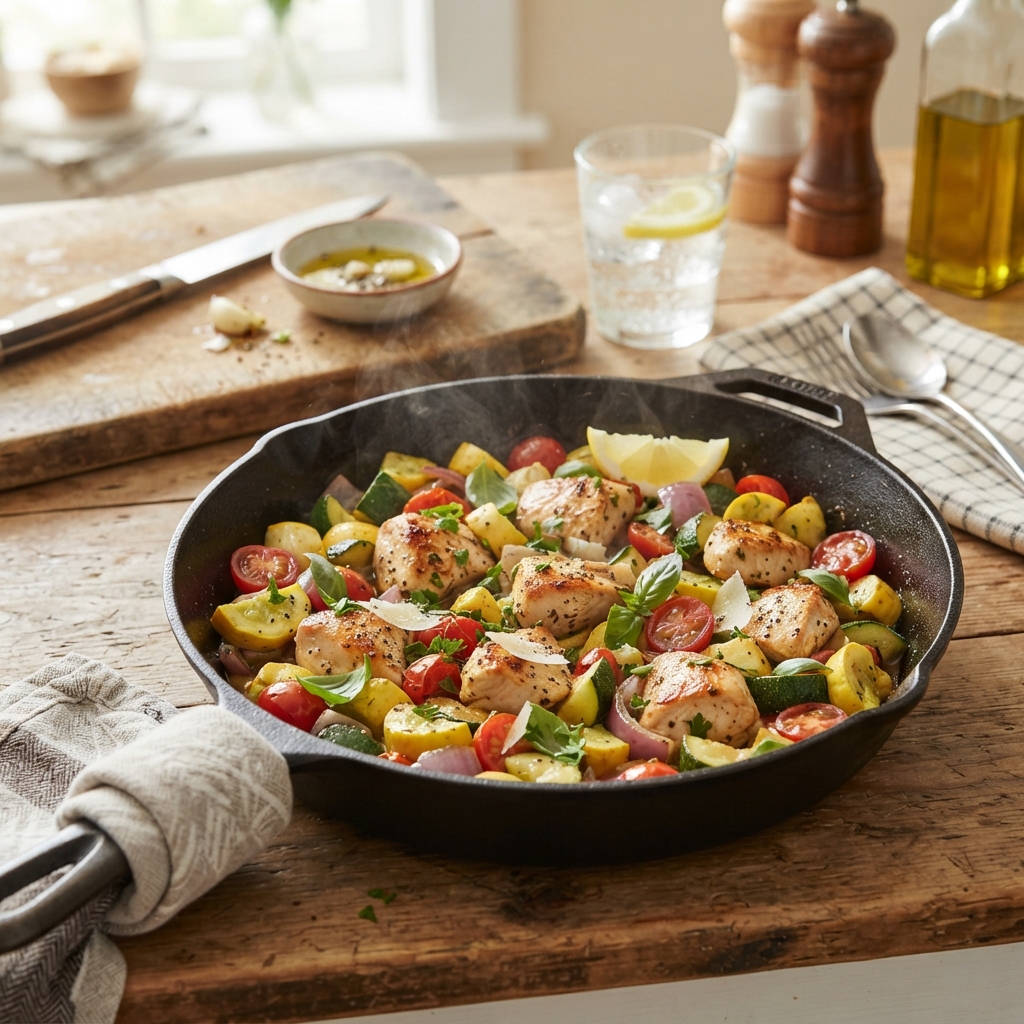
In the fast-paced rhythm of modern life, finding the balance between nutritious home cooking and time efficiency is often the greatest culinary challenge faced by families and individuals alike. The Quick 20-Minute Chicken with Zucchini and Yellow Squash recipe stands as a testament to the possibility of achieving both without compromise. This dish is not merely a meal; it is a strategic solution for busy weeknights, offering a harmonious blend of lean protein and vibrant summer vegetables that come together in a single skillet. The appeal lies in its simplicity, requiring minimal prep work and utilizing ingredients that are commonly found in most pantries, yet the result is a restaurant-quality experience that delights the palate. By focusing on high heat and precise timing, this recipe ensures that the chicken remains juicy and tender while the squash retains a pleasant bite, avoiding the common pitfall of soggy vegetables. Whether you are a seasoned home cook looking to expand your repertoire of quick meals or a beginner seeking a forgiving yet impressive dish, this recipe provides a reliable framework for deliciousness.
Furthermore, the versatility of this dish allows it to adapt to various dietary needs and flavor profiles, making it a staple that can be rotated weekly without becoming mundane. The natural sweetness of the yellow squash complements the mild earthiness of the zucchini, creating a color contrast that is as visually appealing as it is nutritious. When paired with seasoned chicken, the dish becomes a complete macronutrient profile suitable for post-workout recovery, family dinners, or meal prep scenarios. The following guide will walk you through every aspect of this culinary creation, from its historical roots to the scientific breakdown of its ingredients, ensuring you understand not just how to cook it, but why each step matters.
The History
To truly appreciate this dish, one must understand the historical journey of its primary components. The domestication of squash, belonging to the genus Cucurbita, dates back thousands of years to Mesoamerica, where it was one of the “Three Sisters” crops alongside maize and beans. Zucchini and yellow squash are specific cultivars of summer squash that were developed later, gaining popularity in Italy during the 19th century before spreading globally. Their ability to grow quickly and produce abundant harvests made them a staple for sustenance farming, valued for their versatility and ease of cooking. Chicken, similarly, has a long history of domestication originating in Southeast Asia, eventually becoming the most consumed meat protein worldwide due to its mild flavor and adaptability to various cooking methods.
The concept of the “20-minute meal” is a relatively modern invention, born out of the necessity for speed in the late 20th and early 21st centuries. As dual-income households became the norm, the demand for recipes that could bridge the gap between fast food and home cooking surged. Skillet meals, in particular, gained prominence because they minimized cleanup and maximized flavor through the Maillard reaction occurring in a single pan. This specific combination of chicken and summer squash reflects a Mediterranean influence, where olive oil, garlic, and fresh vegetables are prioritized over heavy sauces. Over time, this style of cooking has evolved into a global standard for healthy living, representing a shift away from processed foods toward whole ingredients that can be prepared rapidly without sacrificing nutritional integrity.
Ingredients Breakdown
Understanding the role of each ingredient is crucial for mastering this recipe. Each component is selected not only for flavor but for how it interacts chemically during the cooking process.
Chicken Breasts or Thighs
The protein foundation of this dish provides essential amino acids necessary for muscle repair and satiety. Chicken breasts are leaner and cook quickly, making them ideal for a 20-minute timeframe, though they require careful attention to prevent drying out. Chicken thighs offer more fat content, which translates to greater moisture and flavor tolerance if slightly overcooked. The choice between the two depends on your nutritional goals, but both benefit from being cut into uniform cubes to ensure even heat penetration.
Zucchini and Yellow Squash
These vegetables are composed primarily of water, which is why high-heat cooking is essential. Searing them quickly evaporates surface moisture, allowing them to brown rather than steam. Zucchini offers a slightly firmer texture and deeper green hue, while yellow squash provides a sweeter note and vibrant color contrast. Using both ensures a complex texture profile and maximizes the intake of phytonutrients found in the skins of these vegetables.
Olive Oil
Acting as the cooking medium, olive oil facilitates heat transfer and prevents sticking. Extra virgin olive oil is preferred for its flavor profile and health benefits, containing monounsaturated fats and antioxidants. It also helps in the absorption of fat-soluble vitamins from the vegetables, enhancing the nutritional uptake of the meal.
Garlic and Onions
These aromatics form the flavor base. Garlic contains allicin, which develops pungent and savory notes when heated, while onions provide sweetness through caramelization. Adding them at the right time is critical; too early and they burn, too late and they remain raw and harsh.
Herbs and Seasonings
Simple seasonings like salt, black pepper, dried oregano, and paprika enhance the natural flavors without overpowering them. Salt is particularly important as it draws moisture out of the chicken surface, aiding in browning, and seasons the vegetables from within. Fresh herbs like parsley or basil added at the end provide a burst of freshness that cuts through the savory elements.
Step-by-Step Recipe
This narrative guide walks you through the cooking process with a focus on technique and timing to ensure perfection every time.
- Preparation Phase: Begin by washing all vegetables thoroughly under cold running water. Pat the chicken completely dry with paper towels; this is a critical step often overlooked. Moisture on the surface of the chicken creates steam, which prevents browning. Cut the chicken into 1-inch cubes and slice the zucchini and yellow squash into half-moons of similar thickness to ensure they cook at the same rate.
- Seasoning: Place the chicken cubes in a bowl and toss them generously with salt, pepper, and half of your dried herbs. Allow this to sit for 5 minutes while you prep the vegetables. This brief resting period allows the salt to begin penetrating the meat.
- Heating the Skillet: Place a large skillet or frying pan over medium-high heat. Add the olive oil and swirl to coat the bottom. Wait until the oil shimmers and just begins to smoke slightly; this indicates the pan is hot enough to sear the meat effectively.
- Searing the Chicken: Add the chicken cubes in a single layer. Avoid overcrowding the pan, as this will lower the temperature and cause the chicken to boil in its own juices. Cook undisturbed for 3-4 minutes to develop a golden crust, then flip and cook for another 3-4 minutes until cooked through. Remove the chicken from the pan and set it aside on a plate.
- Sautéing the Vegetables: In the same pan, add a bit more oil if necessary. Toss in the onions and cook until translucent. Add the zucchini and yellow squash. Increase the heat slightly to high. Stir frequently for about 5 minutes. You want them tender-crisp, not mushy.
- Combining and Finishing: Return the chicken to the pan with the vegetables. Add the minced garlic and remaining herbs. Toss everything together for 1-2 minutes. The residual heat will cook the garlic without burning it. Taste and adjust seasoning with more salt or pepper if needed.
- Serving: Remove from heat immediately to prevent overcooking. Garnish with fresh herbs and serve while hot to enjoy the optimal texture and temperature.
Tips
- Uniform Cutting: Ensure all pieces of chicken and vegetables are cut to the same size. This guarantees that everything finishes cooking at the exact same moment, preventing some pieces from being raw while others are dry.
- Pan Temperature: Do not lower the heat too much when adding vegetables. High heat is necessary to evaporate the water content in zucchini quickly. If the heat is too low, the dish will become watery.
- Resting the Meat: While resting chicken steak is common, resting cubed chicken briefly after cooking allows the juices to redistribute, ensuring every bite is moist.
- Garlic Timing: Always add minced garlic towards the end of the cooking process. Garlic burns easily at high temperatures, and burnt garlic tastes bitter and acrid, ruining the flavor profile of the entire dish.
- Equipment Choice: Use a stainless steel or cast-iron skillet for the best browning. Non-stick pans are convenient but often do not achieve the same level of sear on the chicken.
- Storage: If planning to meal prep, store the chicken and vegetables separately from any starches like rice or pasta to maintain texture upon reheating.
Variations and Customizations
This recipe serves as a robust canvas for culinary creativity. Depending on your dietary preferences or what you have available in your pantry, numerous modifications can be made without compromising the core integrity of the dish.
Dietary Adjustments
For those following a Keto or Low-Carb diet, this recipe is naturally compliant. To increase the fat content for keto macros, you can add sliced avocado on top or drizzle additional extra virgin olive oil before serving. For a Paleo approach, ensure your seasonings do not contain added sugars or anti-caking agents. For a Dairy-Free version, simply avoid adding any cheese garnishes, though the recipe is naturally dairy-free as written.
Flavor Profiles
You can easily shift the cultural vibe of the dish. For an Italian twist, add sun-dried tomatoes, fresh basil, and a splash of balsamic glaze. For an Asian-inspired version, substitute the olive oil with sesame oil, use soy sauce or tamari instead of salt, and add ginger along with the garlic. A Mexican variation could involve adding cumin, chili powder, black beans, and serving with a side of salsa or guacamole.
Protein Swaps
If chicken is not available, this method works beautifully with shrimp, which cooks even faster, or firm tofu for a vegetarian alternative. Turkey breast cubes can also be substituted for chicken, though they are leaner and require careful monitoring to prevent dryness.
Vegetable Additions
Feel free to bulk up the vegetable content. Bell peppers, cherry tomatoes, mushrooms, or spinach can be added. If using leafy greens like spinach, add them at the very last minute so they wilt but do not disintegrate.
Health Considerations and Nutritional Value
From a nutritional standpoint, this dish is a powerhouse of essential nutrients while remaining low in calories. Chicken is an excellent source of high-quality protein, which is vital for maintaining muscle mass and supporting metabolic health. It is also rich in B vitamins, particularly niacin and B6, which play crucial roles in energy metabolism and brain function.
Zucchini and yellow squash are low-calorie vegetables that provide significant volume to the meal, promoting satiety without adding excess energy intake. They are rich in potassium, which helps regulate blood pressure, and contain antioxidants like lutein and zeaxanthin, which are beneficial for eye health. The high water content aids in hydration, and the fiber supports digestive health.
Olive oil contributes heart-healthy monounsaturated fats, which have been linked to reduced inflammation and lower risks of cardiovascular disease. By avoiding heavy creams or sugary sauces, this recipe keeps the glycemic load low, preventing spikes in blood sugar levels. This makes it an excellent choice for individuals managing diabetes or those seeking weight loss. The combination of protein, fiber, and healthy fats ensures a slow release of energy, keeping you full and focused for hours after eating.
Ingredients
- 1.5 lbs boneless, skinless chicken breasts or thighs, cut into 1-inch cubes
- 2 medium zucchini, washed and sliced into half-moons
- 2 medium yellow squash, washed and sliced into half-moons
- 3 tablespoons extra virgin olive oil, divided
- 1 medium onion, diced
- 4 cloves garlic, minced
- 1 teaspoon dried oregano
- 1 teaspoon paprika
- Salt and black pepper to taste
- Fresh parsley or basil, chopped for garnish
- 1 tablespoon lemon juice (optional, for finishing)
Directions
- Pat the chicken cubes dry with paper towels and season generously with salt, pepper, oregano, and paprika.
- Heat 2 tablespoons of olive oil in a large skillet over medium-high heat.
- Add the chicken to the skillet in a single layer and cook for 6-8 minutes, turning occasionally, until golden brown and cooked through. Remove chicken from the pan.
- Add the remaining 1 tablespoon of oil to the same skillet. Add the diced onion and cook for 2 minutes until softened.
- Add the zucchini and yellow squash to the skillet. Cook for 5-6 minutes, stirring frequently, until tender-crisp.
- Return the chicken to the skillet. Add the minced garlic and toss everything together for 1-2 minutes until fragrant.
- Remove from heat, drizzle with lemon juice if using, and garnish with fresh herbs before serving.
FAQ
Can I freeze this dish?
While you can freeze it, the texture of the zucchini and yellow squash may become softer upon thawing due to their high water content. It is best enjoyed fresh, but if freezing, store in an airtight container for up to 3 months.
How do I know when the chicken is done?
The safest method is to use a meat thermometer. The internal temperature should reach 165°F (74°C). If you do not have a thermometer, cut into a large piece; the juices should run clear, not pink.
Can I use frozen vegetables?
Yes, but frozen vegetables release more water. You may need to cook them longer to evaporate the excess moisture and achieve browning. Thaw them slightly before adding to the pan to prevent cooling the skillet too much.
What sides go well with this?
This dish pairs wonderfully with quinoa, brown rice, or cauliflower rice. A simple green salad or crusty bread also complements the flavors nicely.
How can I make this dish spicier?
Add red pepper flakes along with the dried herbs, or include a diced jalapeño when cooking the onions. You can also drizzle a spicy chili oil over the finished dish.
This Quick 20-Minute Chicken with Zucchini and Yellow Squash offers a perfect balance of speed, nutrition, and flavor for busy lifestyles.
Enjoy a healthy, delicious skillet meal that combines lean protein and vibrant vegetables in under half an hour.